Urban C. von Wahlde – författare
Visar alla böcker från författaren Urban C. von Wahlde. Handla med fri frakt och snabb leverans.
6 produkter
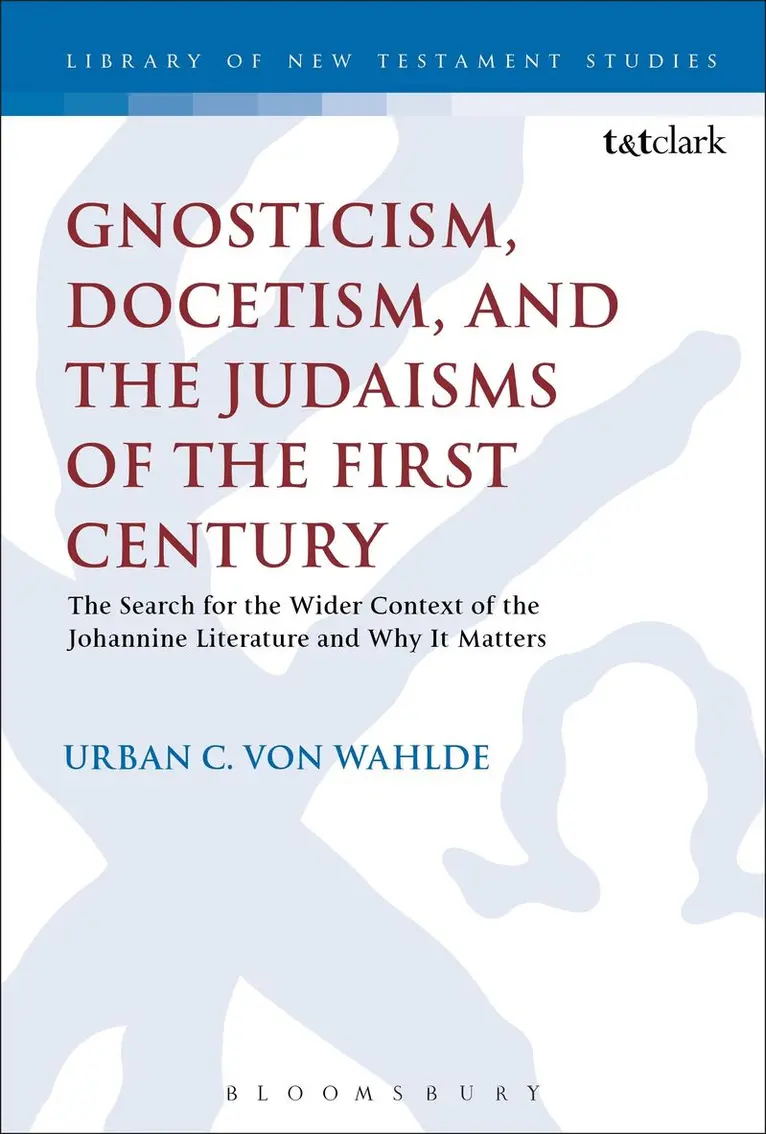
Gnosticism, Docetism, and the Judaisms of the First Century
The Search for the Wider Context of the Johannine Literature and Why It Matters
Av Urban C. von Wahlde, Chris Keith
Inbunden, 2015
1988 kr
Lägg i varukorg
In this book von Wahlde provides an exploration of three distinct cultural and religious backgrounds against which scholars have frequently proposed that the Gospel and Letters of John are to be read and understood. von Wahlde examines each of these three possibilities in turn, and shows how they …
Gnosticism, Docetism, and the Judaisms of the First Century
The Search for the Wider Context of the Johannine Literature and Why it Matters
E-bok, 2015
608 kr
Lägg i varukorg
In this book von Wahlde provides an exploration of three distinct cultural and religious backgrounds against which scholars have frequently proposed that the Gospel and Letters of John are to be read and understood. von Wahlde examines each of these three possibilities in turn, and shows how they …
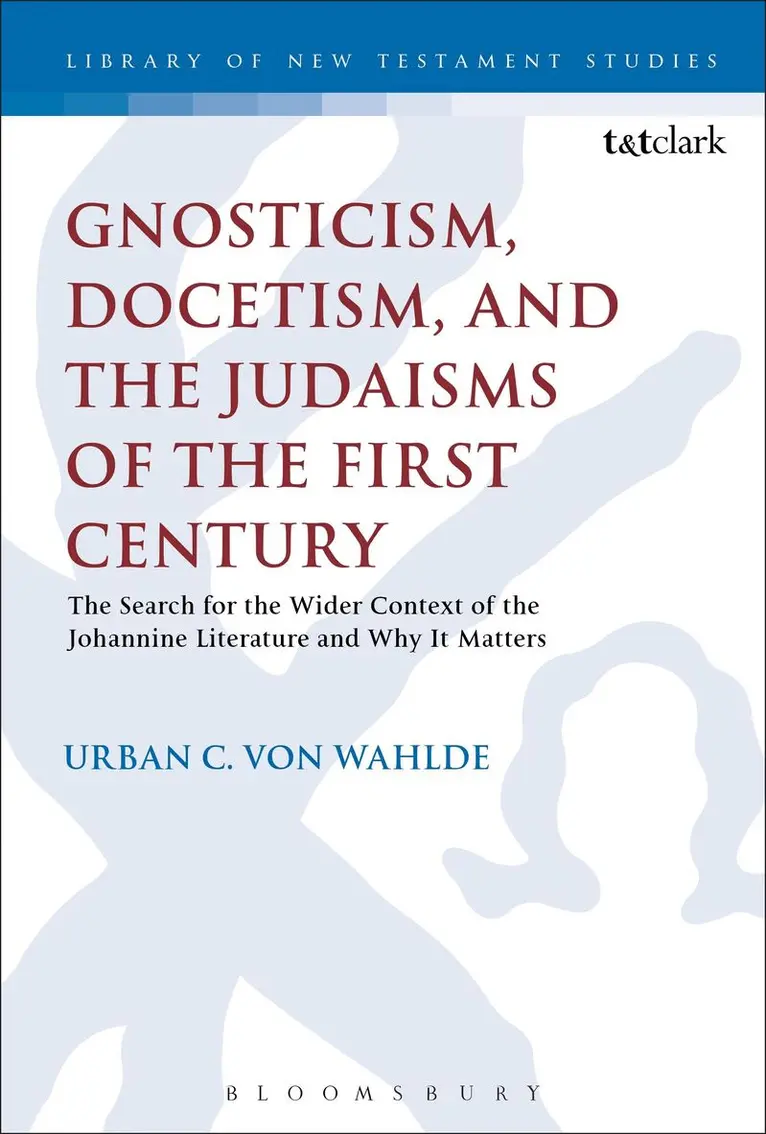
Gnosticism, Docetism, and the Judaisms of the First Century
The Search for the Wider Context of the Johannine Literature and Why It Matters
Av Urban C. von Wahlde, Chris Keith
Häftad, 2016
559 kr
Lägg i varukorg
In this book von Wahlde provides an exploration of three distinct cultural and religious backgrounds against which scholars have frequently proposed that the Gospel and Letters of John are to be read and understood. von Wahlde examines each of these three possibilities in turn, and shows how they …
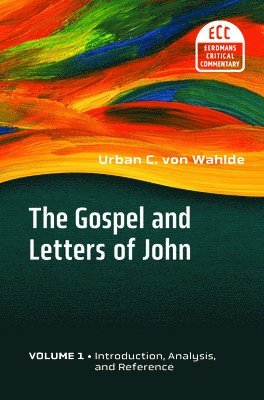
Gospel and Letters of John
Introduction, Analysis, and Reference
Häftad, 2010
667 kr
Lägg i varukorg
Urban von Wahlde's radically new, three-volume commentary on the Gospel and Letters of John is the most detailed study of the composition of the Johannine literature ever put forth by an American scholar. Nearly all of the problems confronted by those who study John have to do with the literary …
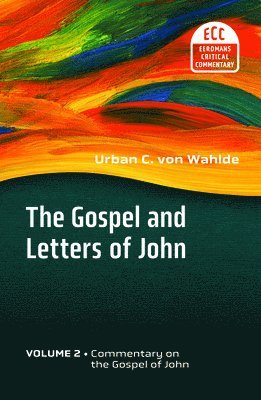
Gospel and Letters of John
Commentary on the Gospel of John
Häftad, 2010
792 kr
Lägg i varukorg
Urban von Wahlde's radically new, three-volume commentary on the Gospel and Letters of John is the most detailed study of the composition of the Johannine literature ever put forth by an American scholar. / Nearly all of the problems confronted by those who study John have to do with the literary …
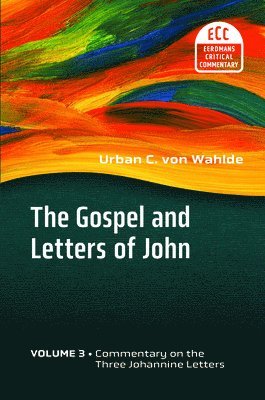
Gospel and Letters of John
Commentary on the Three Johannine Letters
Häftad, 2010
649 kr
Lägg i varukorg
Urban von Wahlde's radically new, three-volume commentary on the Gospel and Letters of John is the most detailed study of the composition of the Johannine literature ever put forth by an American scholar. / Nearly all of the problems confronted by those who study John have to do with the literary …