Ursula van Beek – författare
Visar alla böcker från författaren Ursula van Beek. Handla med fri frakt och snabb leverans.
6 produkter
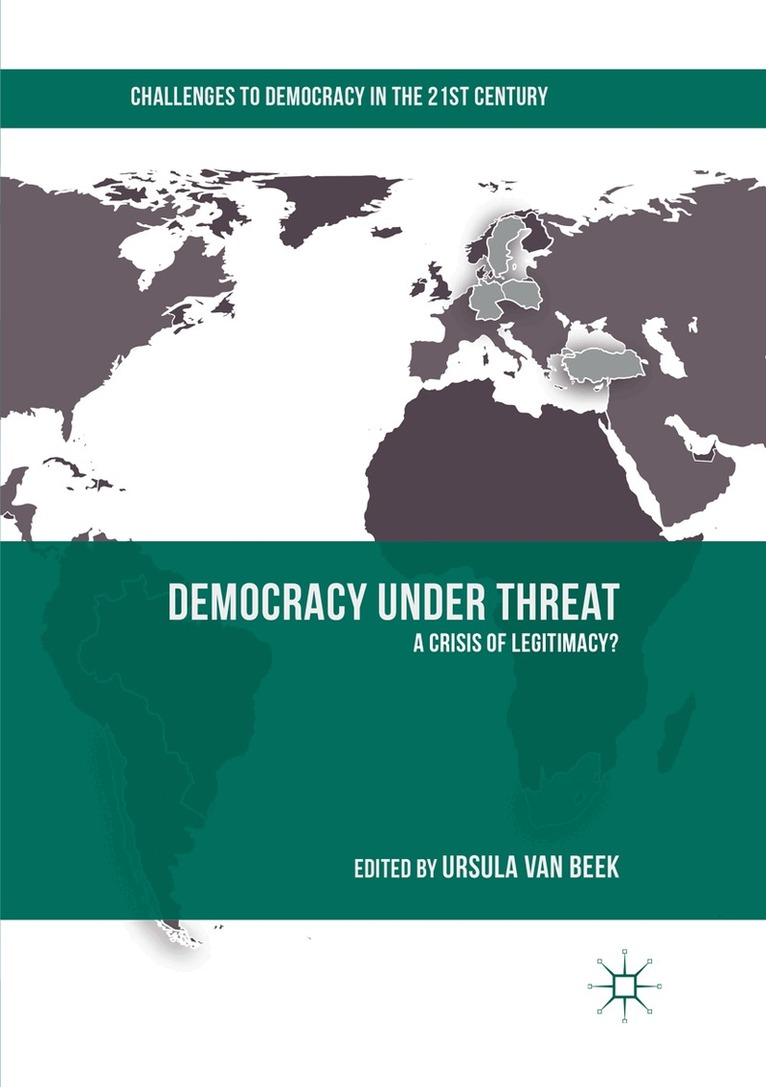
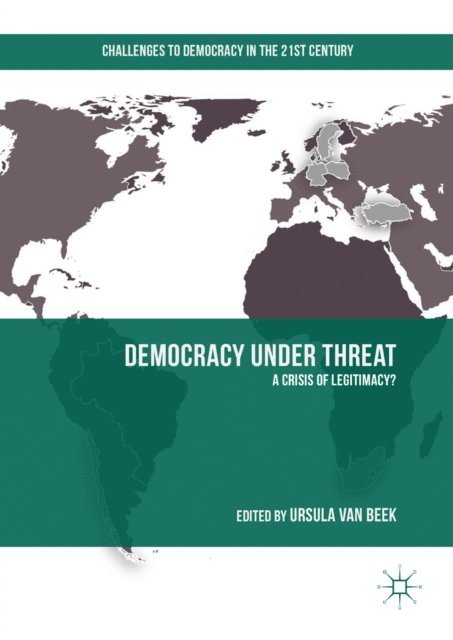
Democracy under Threat
A Crisis of Legitimacy?
Häftad, 2019
1096 kr
Lägg i varukorg
This book addresses some of the most pressing questions of our time: Is democracy threatened by globalisation? Is there a legitimacy crisis in contemporary democracies? Is the welfare state in individual countries under pressure from global trends? What are the implications of high-level migration …
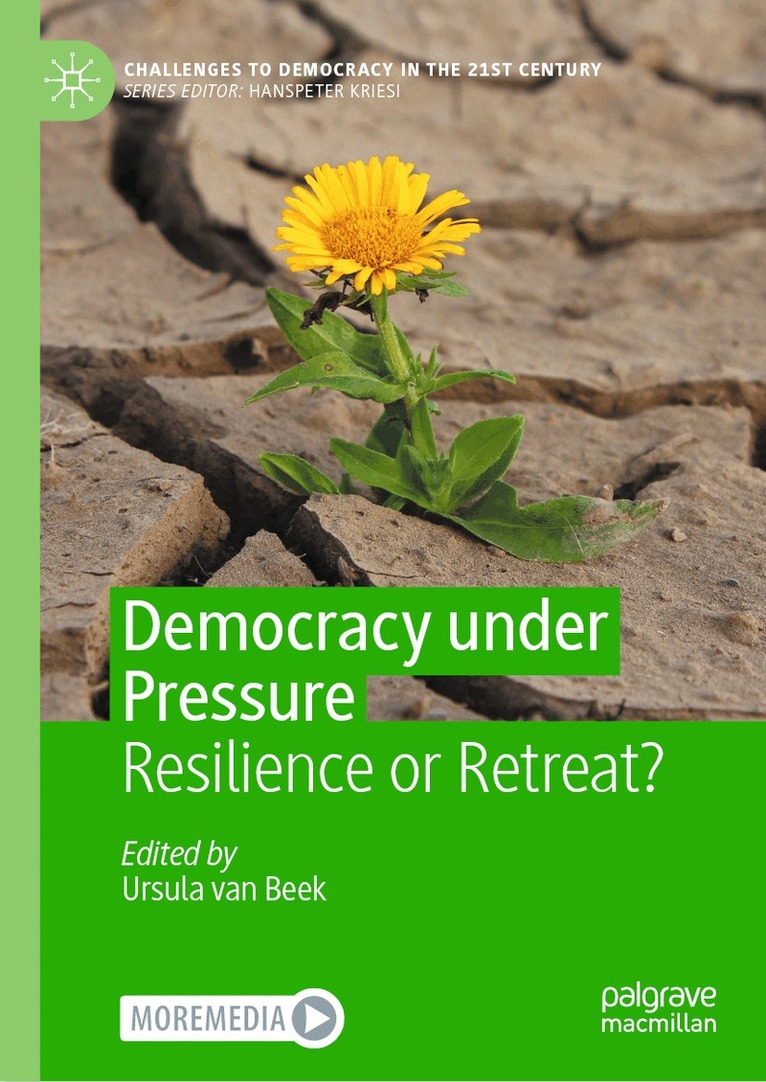
Democracy under Pressure
Resilience or Retreat?
Inbunden, 2022
1641 kr
Lägg i varukorg
This book identifies the main factors shaping the fortunes of democracy globally. Why do some democracies in the same region and presumably subject to similar global influences remain stable while others regress? This is the question guiding all the authors of this edited book. In the search for …
Democracy under Pressure
Resilience or Retreat?
E-bok, 2022
2174 kr
Lägg i varukorg
This book identifies the main factors shaping the fortunes of democracy globally. Why do some democracies in the same region and presumably subject to similar global influences remain stable while others regress? This is the question guiding all the authors of this edited book. In the search for …
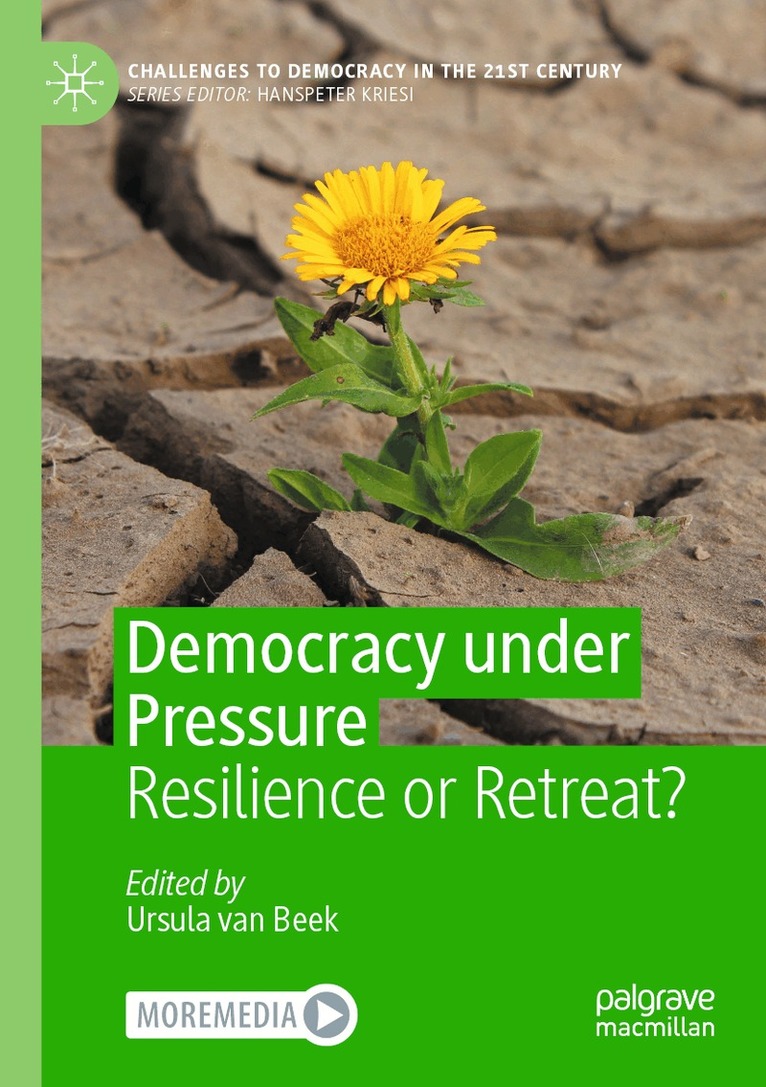
Democracy under Pressure
Resilience or Retreat?
Häftad, 2023
1641 kr
Lägg i varukorg
This book identifies the main factors shaping the fortunes of democracy globally. Why do some democracies in the same region and presumably subject to similar global influences remain stable while others regress? This is the question guiding all the authors of this edited book. In the search for …
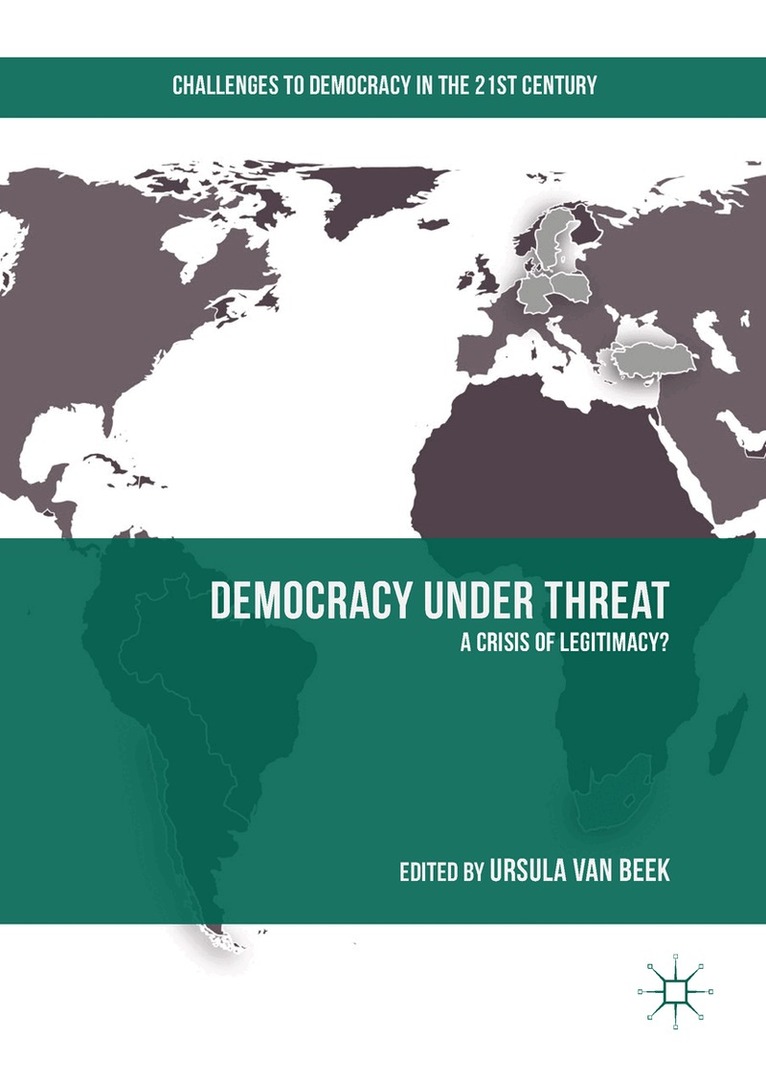
Democracy under Threat
A Crisis of Legitimacy?
Inbunden, 2018
1532 kr
Lägg i varukorg
This book addresses some of the most pressing questions of our time: Is democracy threatened by globalisation? Is there a legitimacy crisis in contemporary democracies? Is the welfare state in individual countries under pressure from global trends? What are the implications of high-level migration …
Democracy under Threat
A Crisis of Legitimacy?
E-bok, 2018
1459 kr
Lägg i varukorg
This book addresses some of the most pressing questions of our time: Is democracy threatened by globalisation? Is there a legitimacy crisis in contemporary democracies? Is the welfare state in individual countries under pressure from global trends? What are the implications of high-level migration …