Uzma Quraishi – författare
Visar alla böcker från författaren Uzma Quraishi. Handla med fri frakt och snabb leverans.
5 produkter
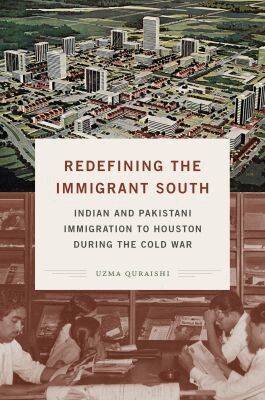
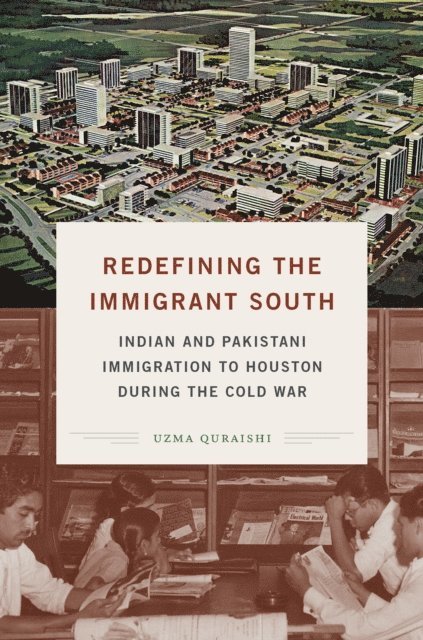
Redefining the Immigrant South
Indian and Pakistani Immigration to Houston During the Cold War
Inbunden, 2020
1233 kr
Lägg i varukorg
In the early years of the Cold War, the United States mounted expansive public diplomacy programs in the Global South, including initiatives with the recently partitioned states of India and Pakistan. U.S. operations in these two countries became the second- and fourth-largest in the world, …
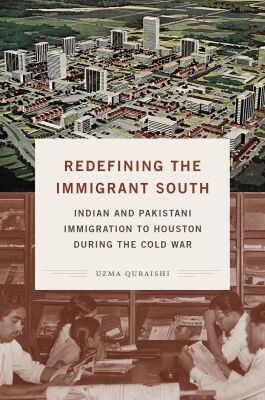
Redefining the Immigrant South
Indian and Pakistani Immigration to Houston During the Cold War
Häftad, 2020
401 kr
Lägg i varukorg
In the early years of the Cold War, the United States mounted expansive public diplomacy programs in the Global South, including initiatives with the recently partitioned states of India and Pakistan. U.S. operations in these two countries became the second- and fourth-largest in the world, …
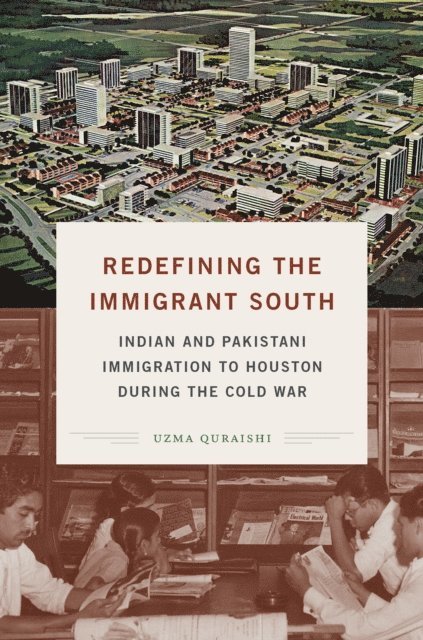
Redefining the Immigrant South
Indian and Pakistani Immigration to Houston during the Cold War
E-bok, 2020
2051 kr
Lägg i varukorg
In the early years of the Cold War, the United States mounted expansive public diplomacy programs in the Global South, including initiatives with the recently partitioned states of India and Pakistan. U.S. operations in these two countries became the second- and fourth-largest in the world, …
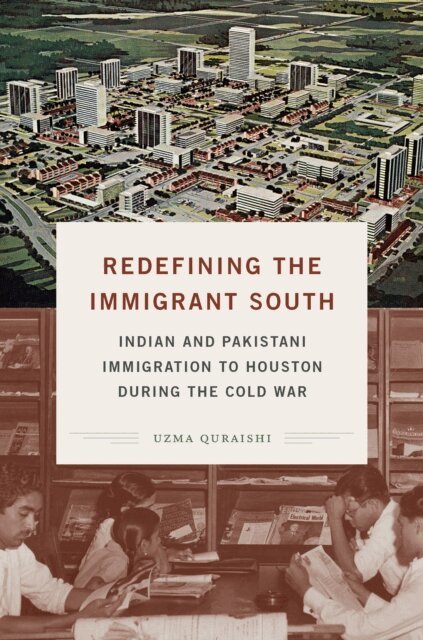
Redefining the Immigrant South
Indian and Pakistani Immigration to Houston during the Cold War
E-bok, 2020
321 kr
Lägg i varukorg
In the early years of the Cold War, the United States mounted expansive public diplomacy programs in the Global South, including initiatives with the recently partitioned states of India and Pakistan. U.S. operations in these two countries became the second- and fourth-largest in the world, …
Redefining the Immigrant South
Indian and Pakistani Immigration to Houston during the Cold War
E-bok, 2020
2051 kr
Lägg i varukorg
In the early years of the Cold War, the United States mounted expansive public diplomacy programs in the Global South, including initiatives with the recently partitioned states of India and Pakistan. U.S. operations in these two countries became the second- and fourth-largest in the world, …