V. Krishnakumar – författare
1 123 kr
Skickas inom 10-15 vardagar
1 420 kr
Läs direkt efter köp
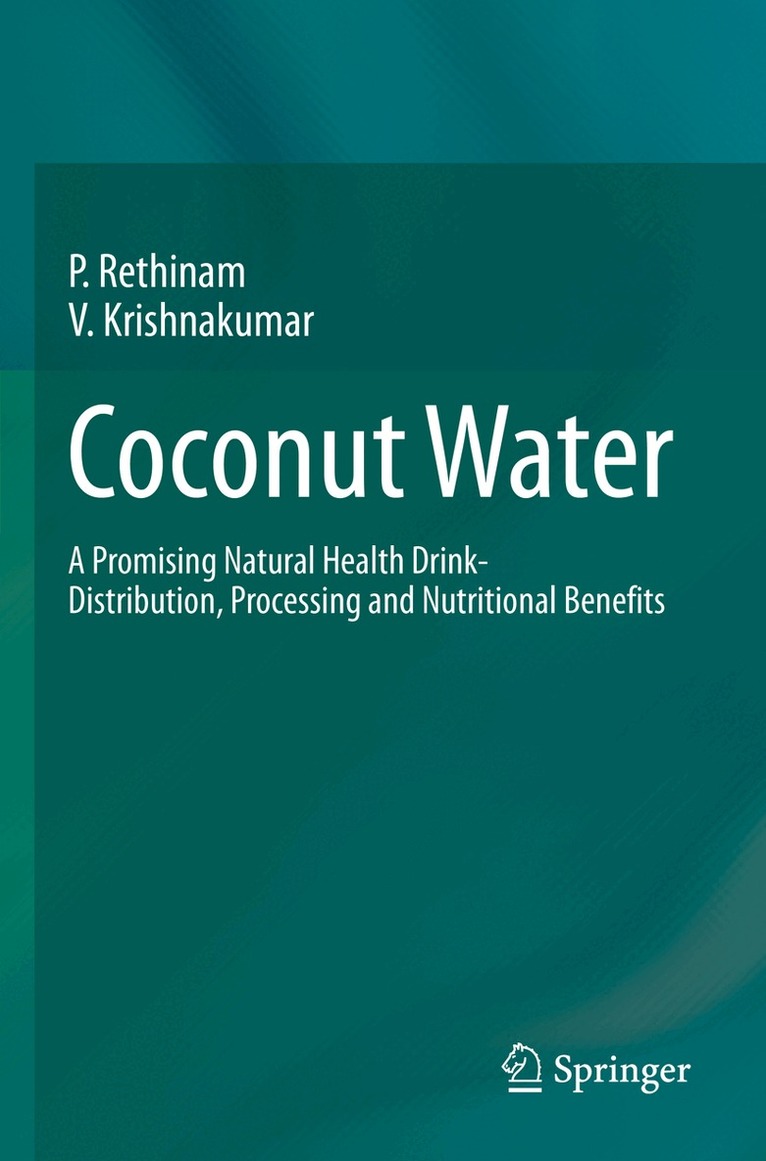
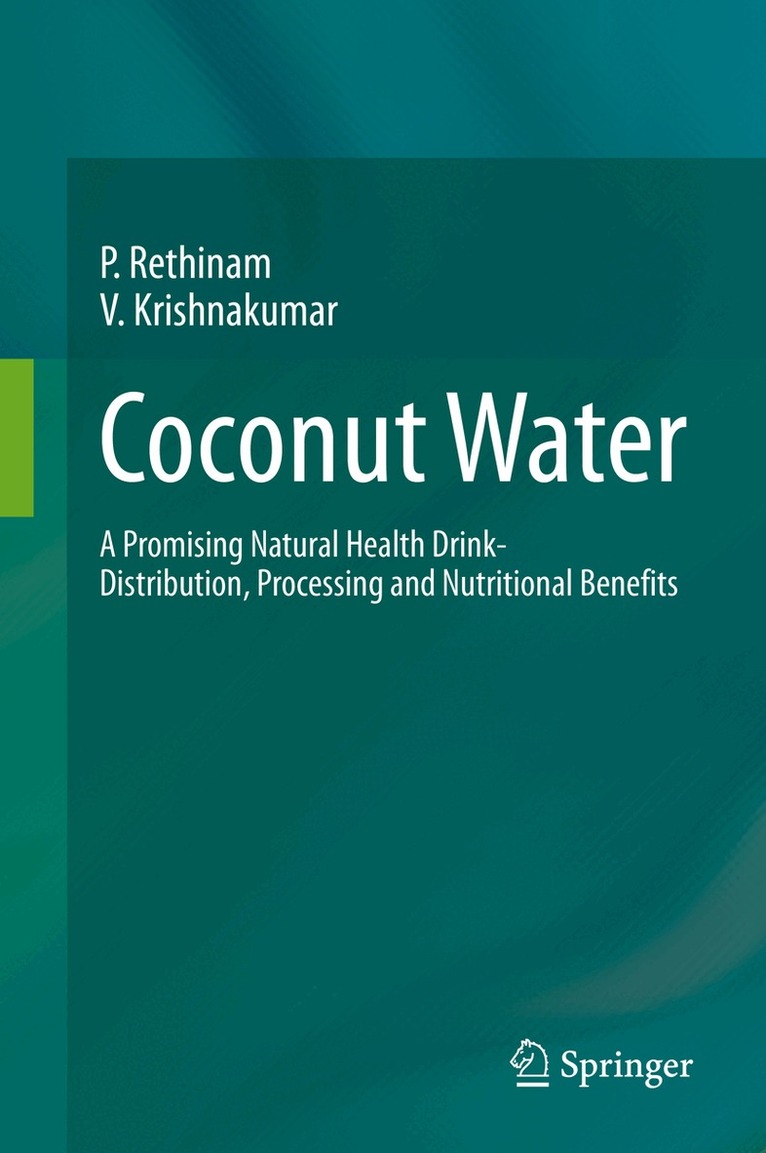
Coconut water, a naturally-canned tropical beverage, has been gaining popularity in recent years and has drawn the attention world over as a natural and nutritional wellness beverage. The research published thus far on coconut water has mainly focused on its specific uses, biochemical composition and health benefits as well as processing and preservation techniques and has been published mostly in journal articles. Only a few books covering a wide spectrum of coconut water for health and wellness are currently available. This work offers a comprehensive and fully updated overview of coconut water from processing techniques to value addition to safety to nutritional benefits and beyond.
Coconut Water: Processing, Distribution & Nutritional Benefits provides in-depth details on all of the major processing techniques required to produce and maintain a quality product free of contamination and adulteration. The book covers the standards of coconut water production and distribution in various countries enabling the processors and exporters to manufacture and export for better revenue realization. The book also provides details of patents related to coconut water granted to researchers. Another important aspect of this work is comprehensive coverage on the various nutritional and health benefits of coconut water consumption as well as on the value addition (traditional and innovative products). In markets across the world, consumers of all ages have been turning to coconut water for its taste and nutritional benefits. This book will provide researchers, processors and exporters the comprehensive information needed to produce and market quality, nutritional coconut water for consumers.
1 123 kr
Skickas inom 10-15 vardagar
2 174 kr
Skickas inom 10-15 vardagar
2 741 kr
Läs direkt efter köp
2 716 kr
Skickas inom 10-15 vardagar
3 359 kr
Läs direkt efter köp
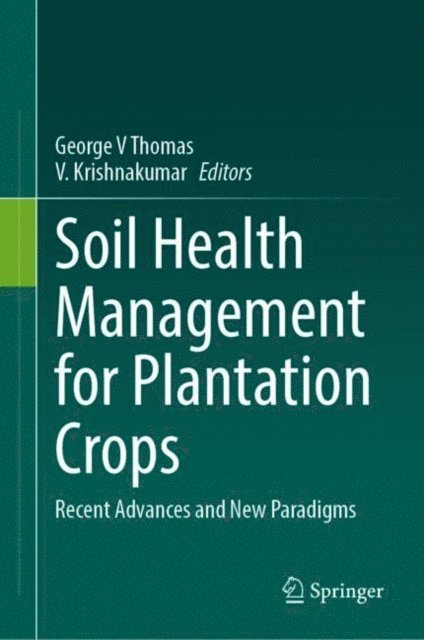
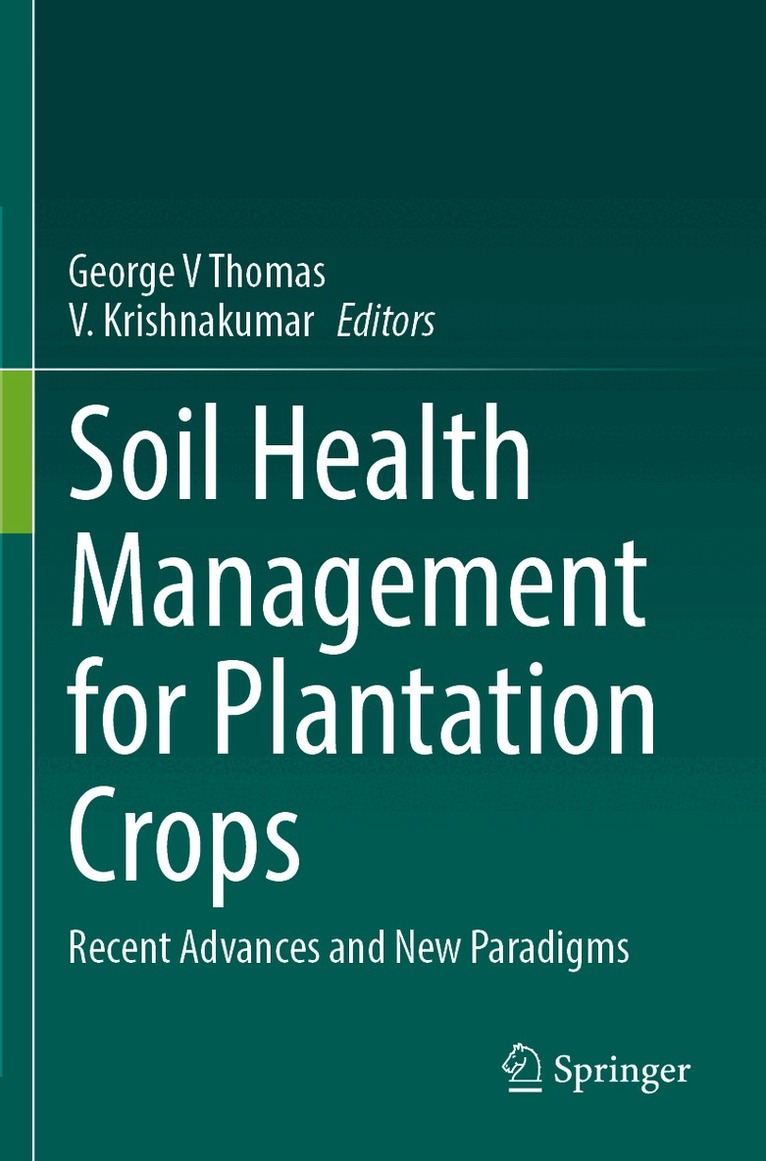
This edited volume elucidates state-of-the-art information and provides new paradigms of soil health-based pathways for sustaining plantation crops and diversified systems. The book covers soil characteristics, soil fertility constraints, issues of soil contamination, the impact of climate change on plantation soils, indicators of soil health and soil health assessment, fertility management for healthy soils, soil amendments, soil biodiversity, and biological functions and micro-biome as well as meta-genomic approach.
Plantation crops are perennials, cultivated in tropical and sub-tropical agroecosystems in a contiguous area, and comprise estate crops which include tea, coffee, and rubber and small holders’ plantation crops such as coconut, areca nut, oil palm, cashew, cocoa, and spices. These are high-value crops with considerable significance in livelihood security, commerce, and trade, and are grown in ecologically vulnerable regions such as coastal belts, hilly areas, andregions with high rainfall and high humidity, which makes maintenance of soil health a major challenge. Sustainable agricultural production depends on the health, quality, and functionality of the soil. The book includes technological options to achieve sustainable production encompassing soil health improvement through multi-strata, multi-species cropping systems, integrated farming systems, conservation agriculture practices, cover cropping and green manuring, crop residue recycling, bio-fertilizer and bio-stimulant technologies and organic farming systems.
This book is an essential resource for researchers, plantation professionals, educators, and policymakers. It provides valuable insights and practical solutions for addressing emerging issues in soil health management and is a must-read for students of agriculture, forestry, ecology, microbiology, soil science, and environmental sciences.
2 716 kr
Skickas inom 10-15 vardagar