V Ramanatha Rao – författare
Visar alla böcker från författaren V Ramanatha Rao. Handla med fri frakt och snabb leverans.
6 produkter
Managing Plant Genetic Diversity
Av Johannes Engels, V. R. Rao m. fl.
Inbunden, 2001
2161 kr
Lägg i varukorg
This book contains edited and revised papers from a conference on 'Science and Technology for Managing Plant Genetic Diversity in the 21st Century' held in Malaysia in June 2000, organised by the International Plant Genetic Resources Institute (IPGRI). It includes keynote papers and some 40 …
Conservation and Utilization of Horticultural Genetic Resources
Av P.E. Rajasekharan, V. Ramanatha Rao
Inbunden, 2019
1747 kr
Lägg i varukorg
The conservation of crop genetic resources is one of the important elements in efforts to sustainably increase agricultural production in low-income countries, and to guarantee long-term food security, especially for the low-income population groups in these countries. Horticultural crops, as …
Conservation and Utilization of Horticultural Genetic Resources
Av V. Ramanatha Rao, P.E. Rajasekharan
E-bok, 2019
2224 kr
Lägg i varukorg
The conservation of crop genetic resources is one of the important elements in efforts to sustainably increase agricultural production in low-income countries, and to guarantee long-term food security, especially for the low-income population groups in these countries. Horticultural crops, as …
Fruit and Nut Crops
Av P. E. Rajasekharan, V. Ramanatha Rao
Inbunden, 2024
3051 kr
Lägg i varukorg
Fruit and Nut Crops: A Treasure Trove of Diversity and ResilienceDive into the fascinating world of fruit and nut crops in this comprehensive volume. Explore their origins, evolution, and global journey, from wild ancestors to diverse cultivars nourishing us today. Uncover their crucial role in …
Fruit and Nut Crops
Av V. Ramanatha Rao, P. E. Rajasekharan
E-bok, 2024
4074 kr
Lägg i varukorg
Fruit and Nut Crops: A Treasure Trove of Diversity and Resilience Dive into the fascinating world of fruit and nut crops in this comprehensive volume. Explore their origins, evolution, and global journey, from wild ancestors to diverse cultivars nourishing us today. Uncover their crucial role in …
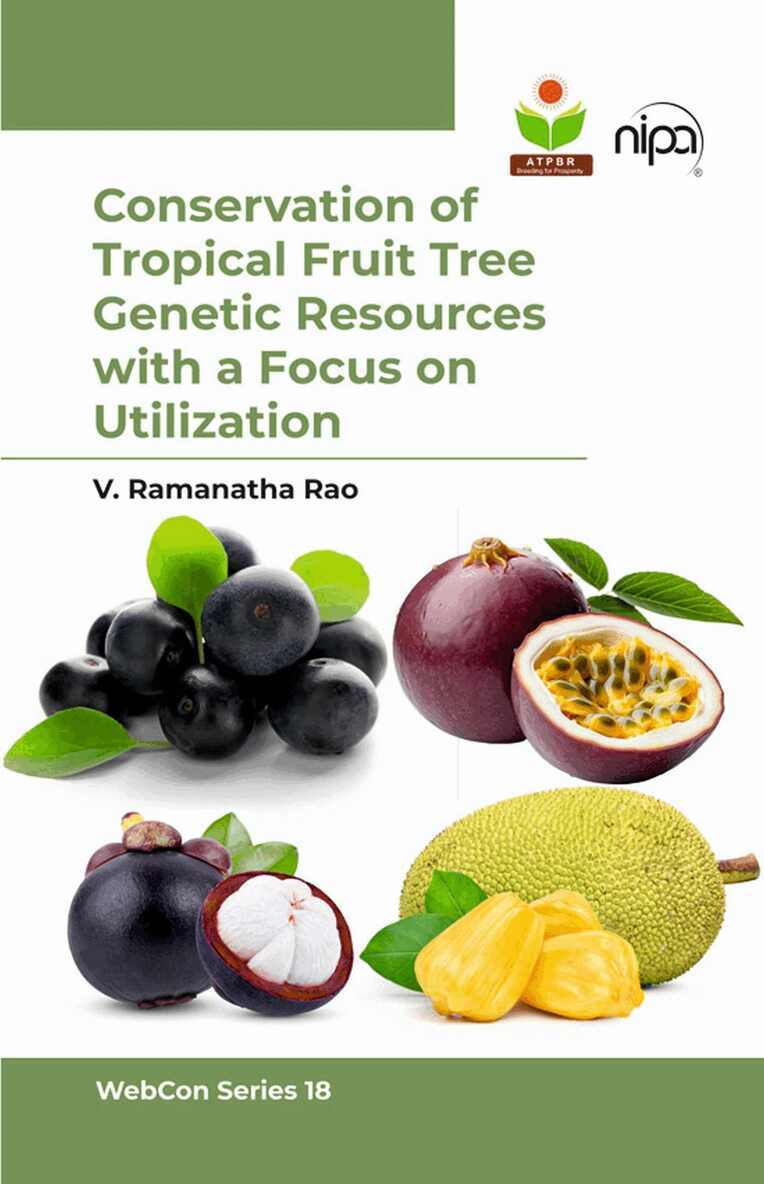
Conservation of Tropical Fruit Tree Genetic Resources with a Focus on Utilization
Inbunden, 2023
763 kr
Tillfälligt slut
The ATPBR Foundation is a registered non-profit organization based in India that collaborates with the seed industry, institutions, NGOs, and government bodies to provide training in plant breeding and develop future-ready plant breeders. It is India leading networking training organization with …