
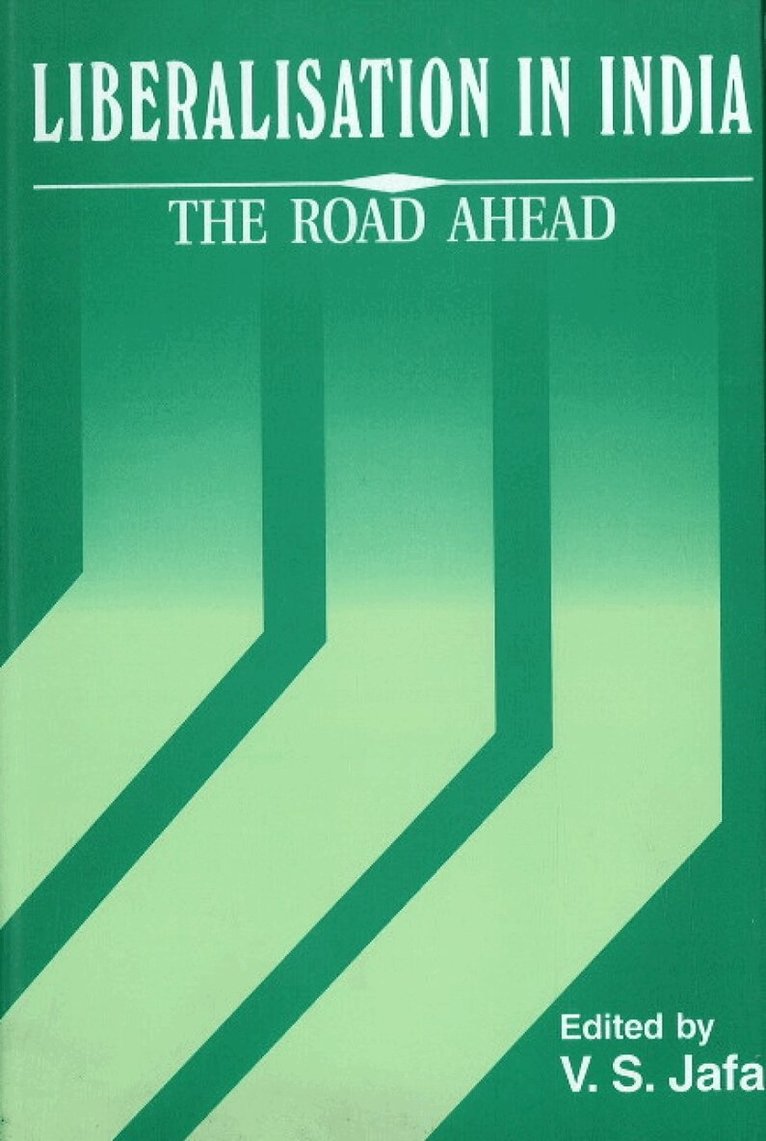
The process of economic reforms was initiated when the Government of Prime Minister Mr Narsimha Rao announced a new industrial policy in the Indian Parliament on July 24, 1991. The economic reforms programme, while welcomed by many, has also evoked apprehensions in the minds of the people. All political parties seem to have accepted the need for reforms, though differences persist as regards their spread and mode of implementation. There is a broad consensus that unless the gains of liberalisation and openness are widespread, their acceptability by the general public will be greatly reduced. This book contains views of a cross-section of eminent statesmen, economists, social scientists and administrators on the subject.
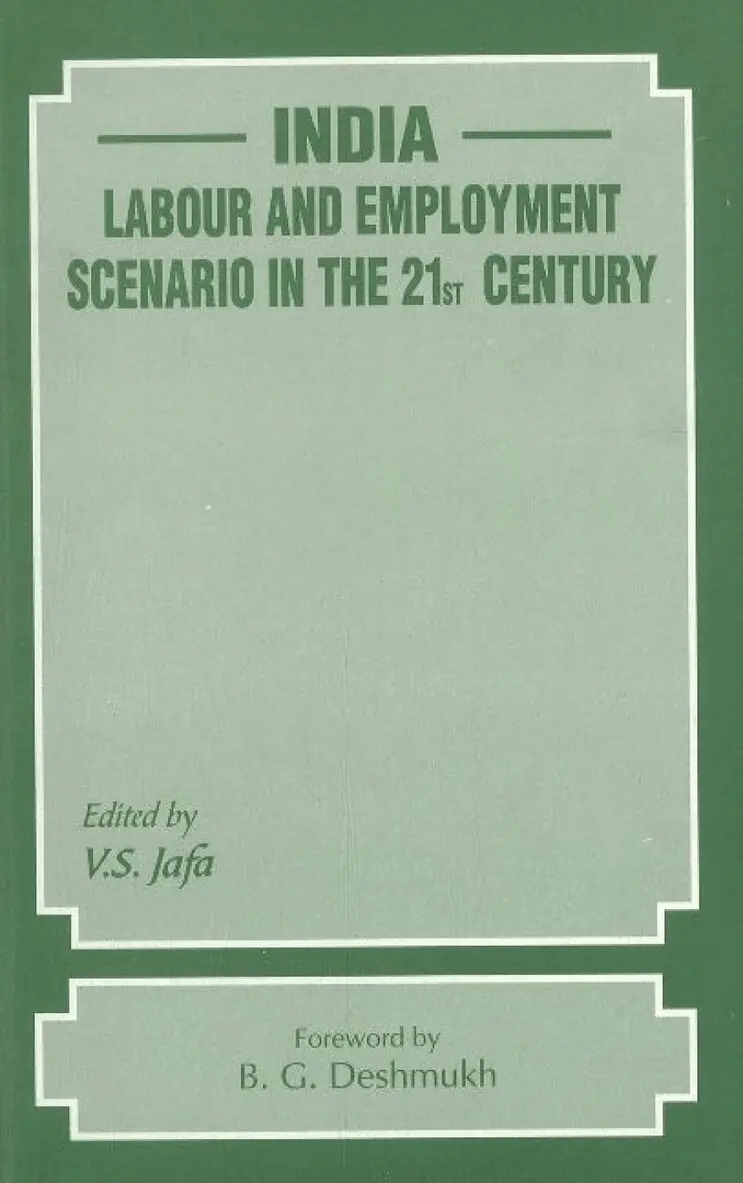
Labour policy of the Government of India derives its philosophy from the Directive Principles of State Policy as enshrined in the Constitution of India. Various legislations have been enacted to promote employment and general welfare of labour. As in other developing countries, unemployment is a serious problem of the Indian economy. The poverty of the masses in India is closely related to the problem of unemployment. Unemployment is a multi-dimensional phenomenon in India. It is not restricted to one sector or group of population. Instead, it is a widespread disease touching almost every segment of the society. Policies of economic liberalisation have drastically altered the relationship between the state, labour and business. This book covers all these aspects of labour policy in the context of ongoing economic reforms in India.
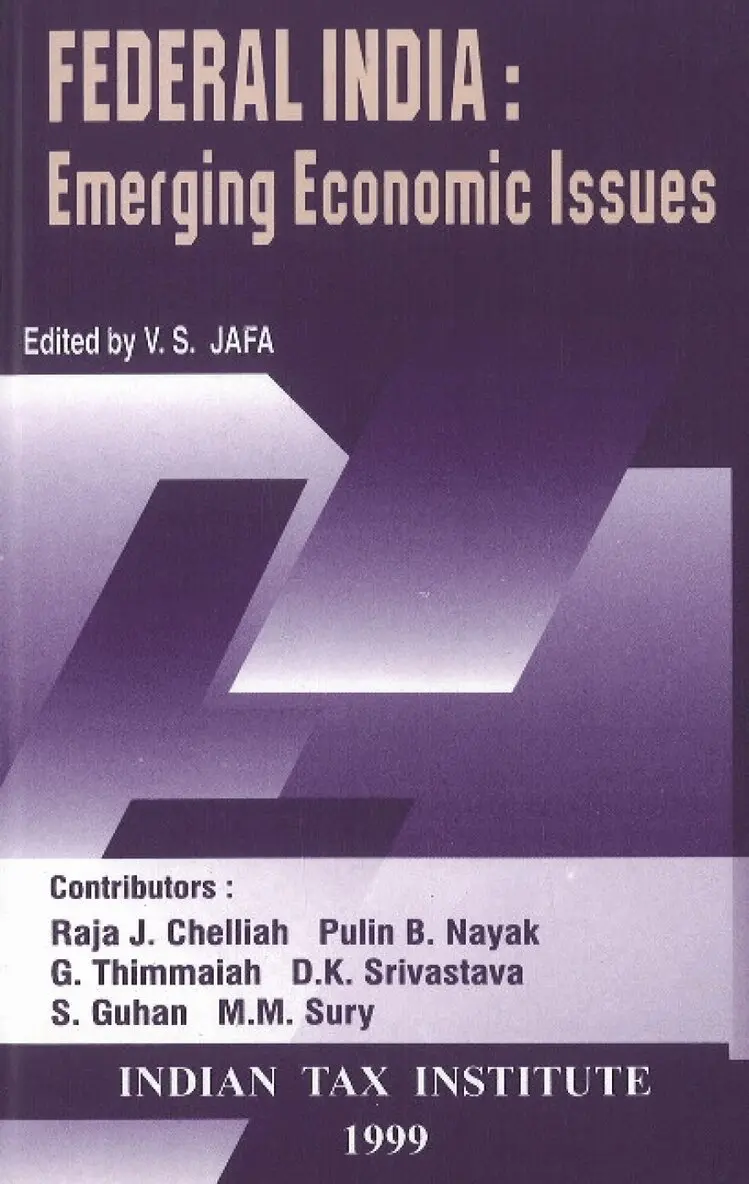
The centre-state economic relations have assumed special significance in the context of the states asking for greater decentralisation of powers to manage their economies. The economic reforms programme, emergence of strong regional parties, the governance through political coalitions, and the constitutional amendments to empower the local bodies, have raised many economic and political issues regarding the centre-state relations. It is time that the major political parties develop a broad consensus at the centre and the states and blend good economics with politics. This is the background in which the centre-state relations are to be considered.
The process of economic reforms was initiated when the Government of Prime Minister Mr Narsimha Rao announced a new industrial policy in the Indian Parliament on July 24, 1991. The economic reforms programme, while welcomed by many, has also evoked apprehensions in the minds of the people. All political parties seem to have accepted the need for reforms, though differences persist as regards their spread and mode of implementation. There is a broad consensus that unless the gains of liberalisation and openness are widespread, their acceptability by the general public will be greatly reduced. This book contains views of a cross-section of eminent statesmen, economists, social scientists and administrators on the subject.
Labour policy of the Government of India derives its philosophy from the Directive Principles of State Policy as enshrined in the Constitution of India. Various legislations have been enacted to promote employment and general welfare of labour. As in other developing countries, unemployment is a serious problem of the Indian economy. The poverty of the masses in India is closely related to the problem of unemployment. Unemployment is a multi-dimensional phenomenon in India. It is not restricted to one sector or group of population. Instead, it is a widespread disease touching almost every segment of the society. Policies of economic liberalisation have drastically altered the relationship between the state, labour and business. This book covers all these aspects of labour policy in the context of ongoing economic reforms in India.
The centre-state economic relations have assumed special significance in the context of the states asking for greater decentralisation of powers to manage their economies. The economic reforms programme, emergence of strong regional parties, the governance through political coalitions, and the constitutional amendments to empower the local bodies, have raised many economic and political issues regarding the centre-state relations. It is time that the major political parties develop a broad consensus at the centre and the states and blend good economics with politics. This is the background in which the centre-state relations are to be considered.