Vadim B. Lyatsky – författare
Visar alla böcker från författaren Vadim B. Lyatsky. Handla med fri frakt och snabb leverans.
2 produkter
2 produkter
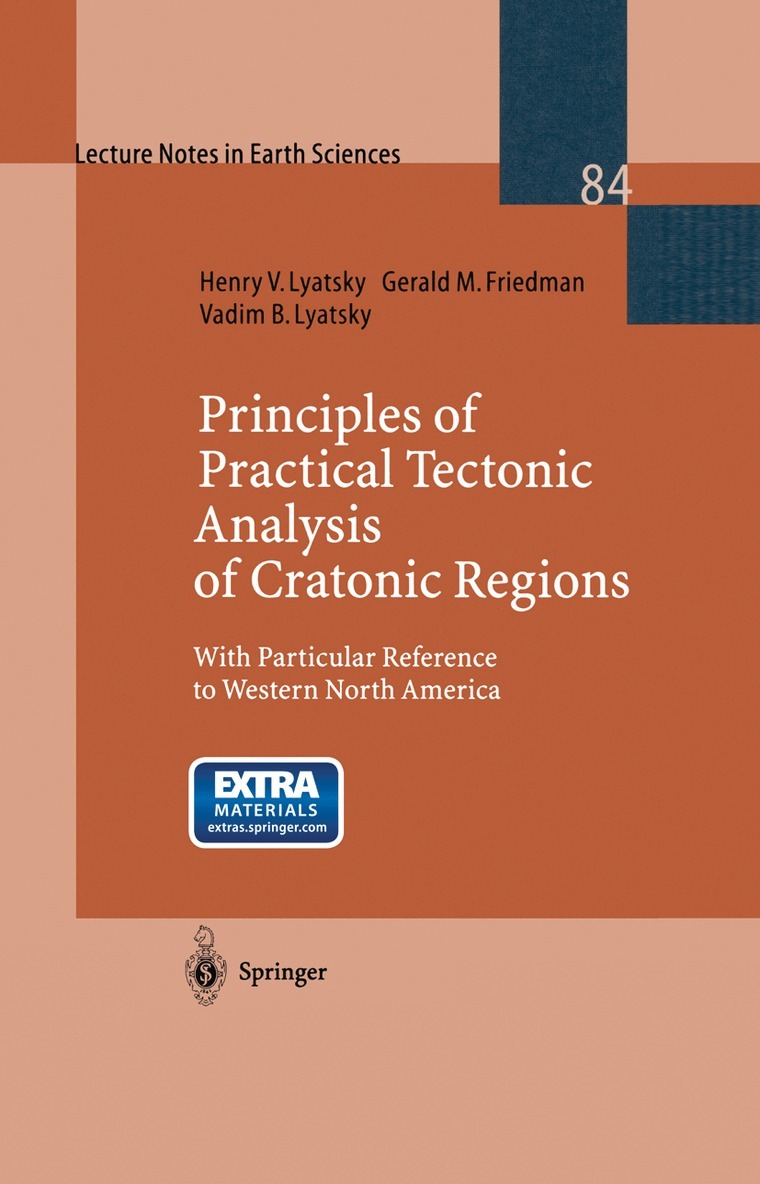
Principles of Practical Tectonic Analysis of Cratonic Regions
With Particular Reference to Western North America
Häftad, Engelska, 1999
534 kr
Skickas inom 10-15 vardagar
Steep crystalline-basement faults, commonly indicated by potential-field anomalies, played a crucial role in evolution of continental cratonic platforms. In the Phanerozoic Western Canada Sedimentary Province, history of crustal block movements and warps is reconstructed from the distribution of depocenters, lithofacies and structures in structural-formational tages in sedimentary cover. Each tage is a rock succession formed during a particular tectonic stage; regional tectonic restructuring closes each stage, and the next stage represents a new tectonic regime. Practical tectonic analysis, based on observation of rocks and geophysical data, is a reliable guide for deciphering a region's geologic history and for resource exploration.
Del 86 - Lecture Notes in Earth Sciences
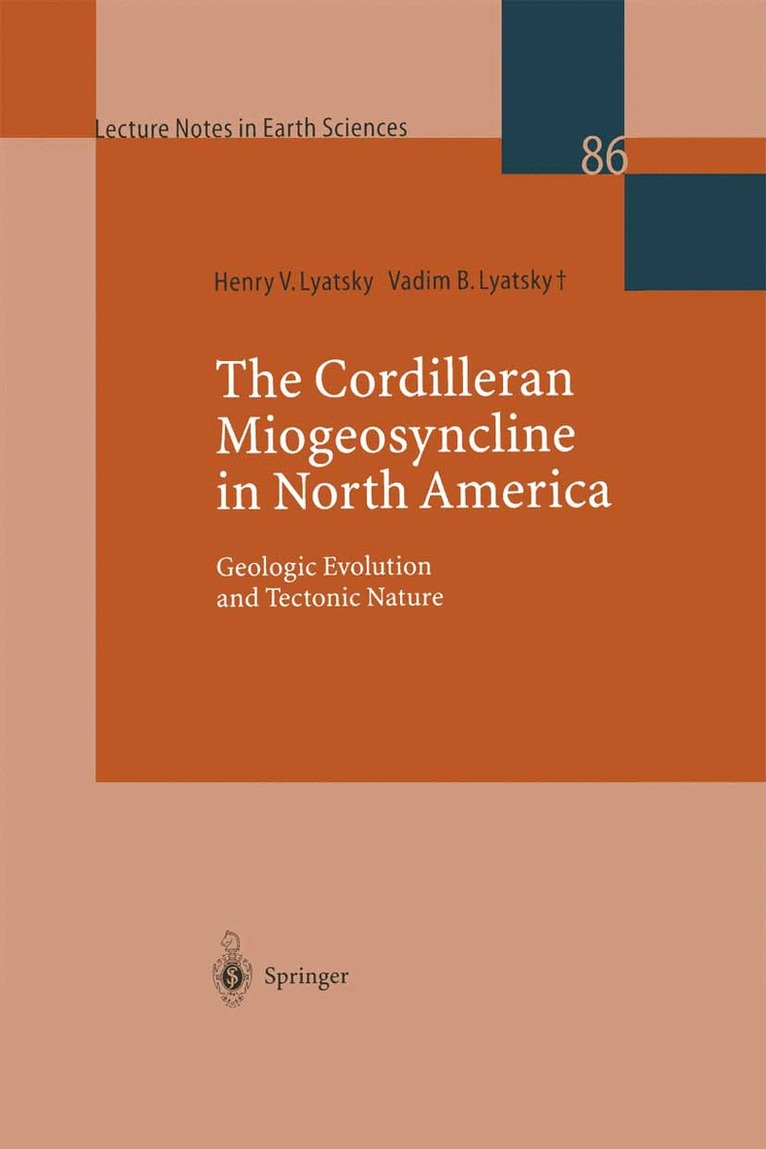
Cordilleran Miogeosyncline in North America
Geologic Evolution and Tectonic Nature
Häftad, Engelska, 1999
534 kr
Skickas inom 10-15 vardagar
Steep crustal-scale faults, having their origins in the Late Archean and Early Proterozoic and trending NE-SW, which define the fundamental block lithospheric structure of the North American craton, are seen from geological and geophysical evidence to continue far into the interior of the Late Proterozoic-Phanerozoic Canadian Cordilleran mobile megabelt. This suggests that variously reworked ex-cratonic basement blocks underlie much of the Cordillera. The western edge of the modern craton is probably near the Rocky Mountain-Omineca belt boundary; the Rocky Mountain fold-and-thrust belt on the east side of the Cordillera is evidently rootless and overlies the undisturbed cratonic basement. Phanerozoic differences between the Cordilleran tectonic belts, resulting from a long, dissimilar, multi-cycle history of waxing and waning orogenesis apparent from the rock record, lie chiefly in the degree of indigenous tectonic remobilization and reworking of the ancient crust.