Vadim J. Birstein - Böcker
Visar alla böcker från författaren Vadim J. Birstein. Handla med fri frakt och snabb leverans.
3 produkter
3 produkter
2 121 kr
Skickas inom 10-15 vardagar
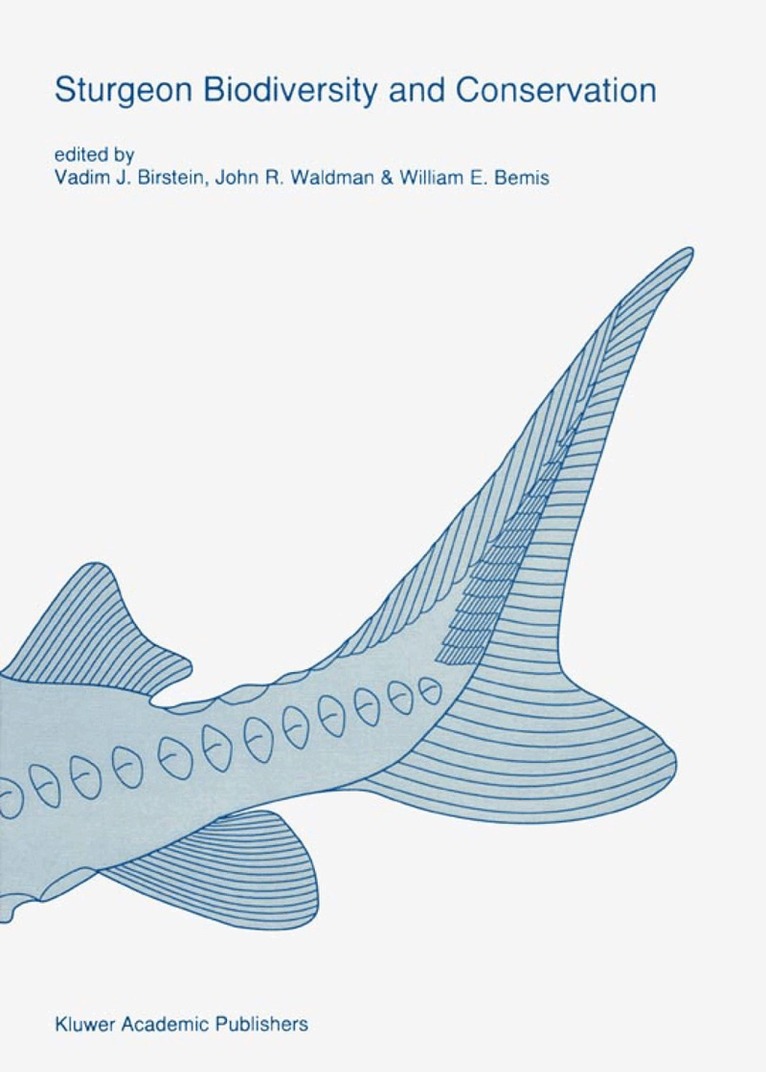
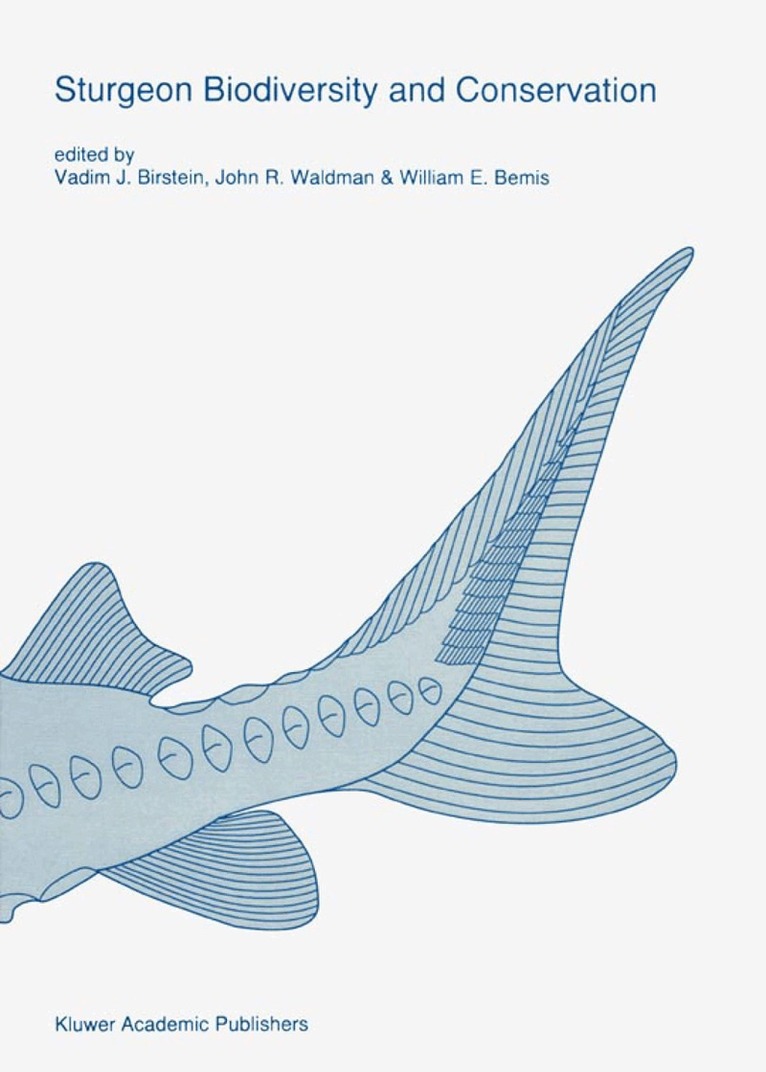
Acipenser brevirostrum female 58 cm long from the Hudson River near Kingston, New York, above Acipenser oxyrinchus male 58 cm long from the Lawrence River near St. Vallier, Quebec, by Paul I. Voevodine from Vladykov & Greeley (1963). 1 Sturgeon landing on the Volga River. From an engraving in Moynet . p. 85. 1 Moynet, M. 1867. LaVolga. LeTourduMonde15: 81-96. Environmental Biology of Fishes 48: 373-380,1997. (c) 1997 Kluwer Academic Publishers. Printed in the Netherlands. Sturgeons and the Aral Sea ecological catastrophe Iliya Zholdasova Institute of Bioecology, Karakalpak Branch of the Academy of Sciences of Uzbekistan, Nukus, Republic Ka- kalpakstan Received5.4.1995 Accepted16.3.1996 Key words: Amu-Dar River, Syr-Dar River, Pseudoscaphirhynchus kaufmanni, P. fedtschenkoi, P. hermanni, Acipenser nudiventris, pollution, acclimatization, Nitzschia Synopsis A short description of the catastrophic changes in the ecology of the Aral Sea basin during the three last decades is presented. These changes have influenced the status oftwo acipenserid endemics to the area, the large Amu-Dar shovelnose, Pseudoscaphirhynchus kaufmanni, and the ship sturgeon,Acipensernudiventris.The main biological characteristics ofboth species in the new environmental conditions are given. Previous unsuccessful attempts to introduce other acipenserid species into the area are also described. International cooperationisneededforsavingthelastsurvivingspeciesrepresentingthegenusPseudoscaphirhynchus.The only twootherspeciesofthe same genus, P.fedtschenkoi and P . hermanni, have alreadybecome victims ofthe Aral Sea catastrophe and are apparently extinct. Introduction 1993). Twosturgeonspecies, the Syr-Dar and small Amu-Dar shovelnose sturgeons, were among the Historically the endemic fauna ofthe Aral Sea ba- first victims of this disaster and seem to be extinct.
324 kr
Skickas inom 10-15 vardagar
During the Soviet years, Russian science was touted as one of the greatest successes of the regime. Russian science was considered to be equal, if not superior, to that of the wealthy western nations. The Perversion of Knowledge , a history of Soviet science that focuses on its control by the KGB and the Communist Party, reveals the dark side of this glittering achievement. Based on the author's firsthand experience as a Soviet scientist, and drawing on extensive Russian language sources not easily available to the Western reader, the book includes shocking new information on biomedical experimentation on humans as well as an examination of the pernicious effects of Trofim Lysenko's pseudo-biology. Also included are many poignant case histories of those who collaborated and those who managed to resist, focusing on the moral choices and consequences. The text is accompanied by the author's own translations of key archival materials, making this work an essential resource for all those with a serious interest in Russian history.
2 121 kr
Skickas inom 10-15 vardagar
Acipenser brevirostrum female 58 cm long from the Hudson River near Kingston, New York, above Acipenser oxyrinchus male 58 cm long from the Lawrence River near St. Vallier, Quebec, by Paul I. Voevodine from Vladykov & Greeley (1963). 1 Sturgeon landing on the Volga River. From an engraving in Moynet . p. 85. 1 Moynet, M. 1867. LaVolga. LeTourduMonde15: 81-96. Environmental Biology of Fishes 48: 373-380,1997. (c) 1997 Kluwer Academic Publishers. Printed in the Netherlands. Sturgeons and the Aral Sea ecological catastrophe Iliya Zholdasova Institute of Bioecology, Karakalpak Branch of the Academy of Sciences of Uzbekistan, Nukus, Republic Ka- kalpakstan Received5.4.1995 Accepted16.3.1996 Key words: Amu-Dar River, Syr-Dar River, Pseudoscaphirhynchus kaufmanni, P. fedtschenkoi, P. hermanni, Acipenser nudiventris, pollution, acclimatization, Nitzschia Synopsis A short description of the catastrophic changes in the ecology of the Aral Sea basin during the three last decades is presented. These changes have influenced the status oftwo acipenserid endemics to the area, the large Amu-Dar shovelnose, Pseudoscaphirhynchus kaufmanni, and the ship sturgeon,Acipensernudiventris.The main biological characteristics ofboth species in the new environmental conditions are given. Previous unsuccessful attempts to introduce other acipenserid species into the area are also described. International cooperationisneededforsavingthelastsurvivingspeciesrepresentingthegenusPseudoscaphirhynchus.The only twootherspeciesofthe same genus, P.fedtschenkoi and P . hermanni, have alreadybecome victims ofthe Aral Sea catastrophe and are apparently extinct. Introduction 1993). Twosturgeonspecies, the Syr-Dar and small Amu-Dar shovelnose sturgeons, were among the Historically the endemic fauna ofthe Aral Sea ba- first victims of this disaster and seem to be extinct.