Vahap Tecim - Böcker
Visar alla böcker från författaren Vahap Tecim. Handla med fri frakt och snabb leverans.
6 produkter
6 produkter
1 476 kr
Skickas inom 10-15 vardagar
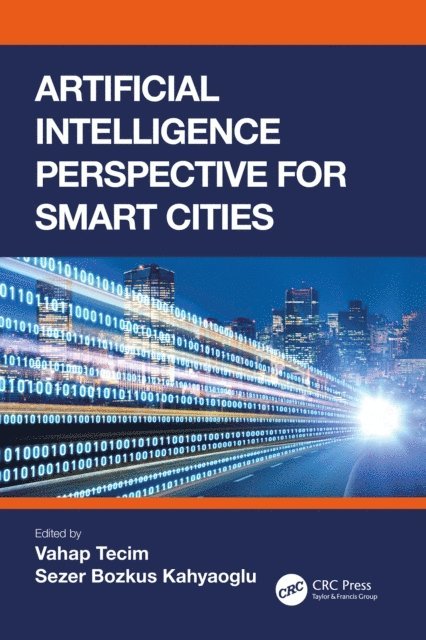
The concept of a "smart city" is used widely in general; however, it is hard to explain because of the complexity and multidimensionality of this notion. However, the essential qualification for being a smart city is to achieve "sustainable social, environmental, and economic development" and boost the living standards of society based on Information and Communication Technology (ICT) and Artificial intelligence (AI). AI in smart cities has become an important aspect for cities that face great challenges to make smart decisions for social well-being, particularly cybersecurity and corporate sustainability. In this context, we aim to contribute literature with a value-added approach where various AI applications of smart cities are discussed from a different perspective. First, we start by discussing the conceptual design, modeling, and determination of components for the sustainability of a smart city structure. Since smart cities operate on spatial-based data, it is important to design, operate, and manage smart city elements using Geographical Information Systems (GIS) technologies. Second, we define the structure, type, unit, and functionality of the layers to be placed on the GIS to achieve best practices based on Industry 4.0 components. Transportation is one of the key indicators of smart cities, so it is critical to make transportation in smart cities accessible for different disabled groups by using AI technologies. Third, we demonstrate what kinds of technologies should be used for which disabled groups in different transportation vehicles with specific examples. Finally, we create a discussion platform for processes and sub-processes such as waste management, emergency management, risk management, and data management for establishing smart cities including the financial and ethical aspects.
511 kr
Skickas inom 10-15 vardagar
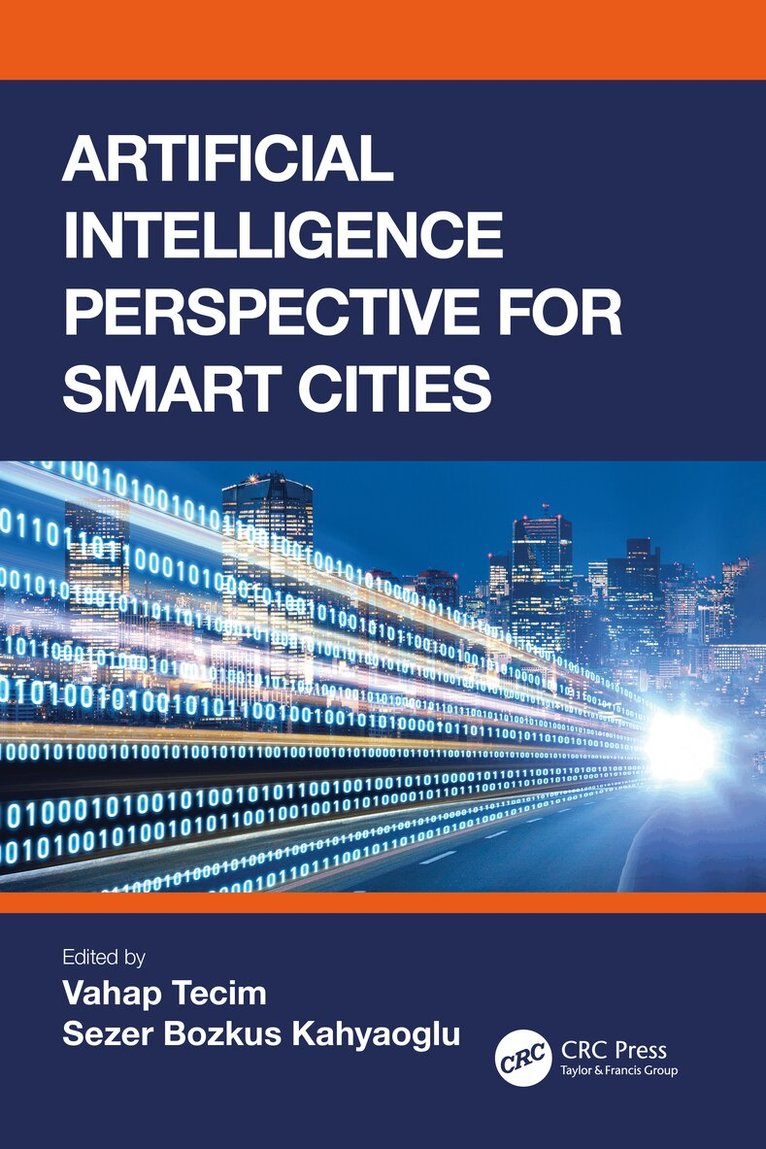
The concept of a "smart city" is used widely in general; however, it is hard to explain because of the complexity and multidimensionality of this notion. However, the essential qualification for being a smart city is to achieve "sustainable social, environmental, and economic development" and boost the living standards of society based on Information and Communication Technology (ICT) and Artificial intelligence (AI). AI in smart cities has become an important aspect for cities that face great challenges to make smart decisions for social well-being, particularly cybersecurity and corporate sustainability. In this context, we aim to contribute literature with a value-added approach where various AI applications of smart cities are discussed from a different perspective. First, we start by discussing the conceptual design, modeling, and determination of components for the sustainability of a smart city structure. Since smart cities operate on spatial-based data, it is important to design, operate, and manage smart city elements using Geographical Information Systems (GIS) technologies. Second, we define the structure, type, unit, and functionality of the layers to be placed on the GIS to achieve best practices based on Industry 4.0 components. Transportation is one of the key indicators of smart cities, so it is critical to make transportation in smart cities accessible for different disabled groups by using AI technologies. Third, we demonstrate what kinds of technologies should be used for which disabled groups in different transportation vehicles with specific examples. Finally, we create a discussion platform for processes and sub-processes such as waste management, emergency management, risk management, and data management for establishing smart cities including the financial and ethical aspects.
1 896 kr
Skickas inom 10-15 vardagar
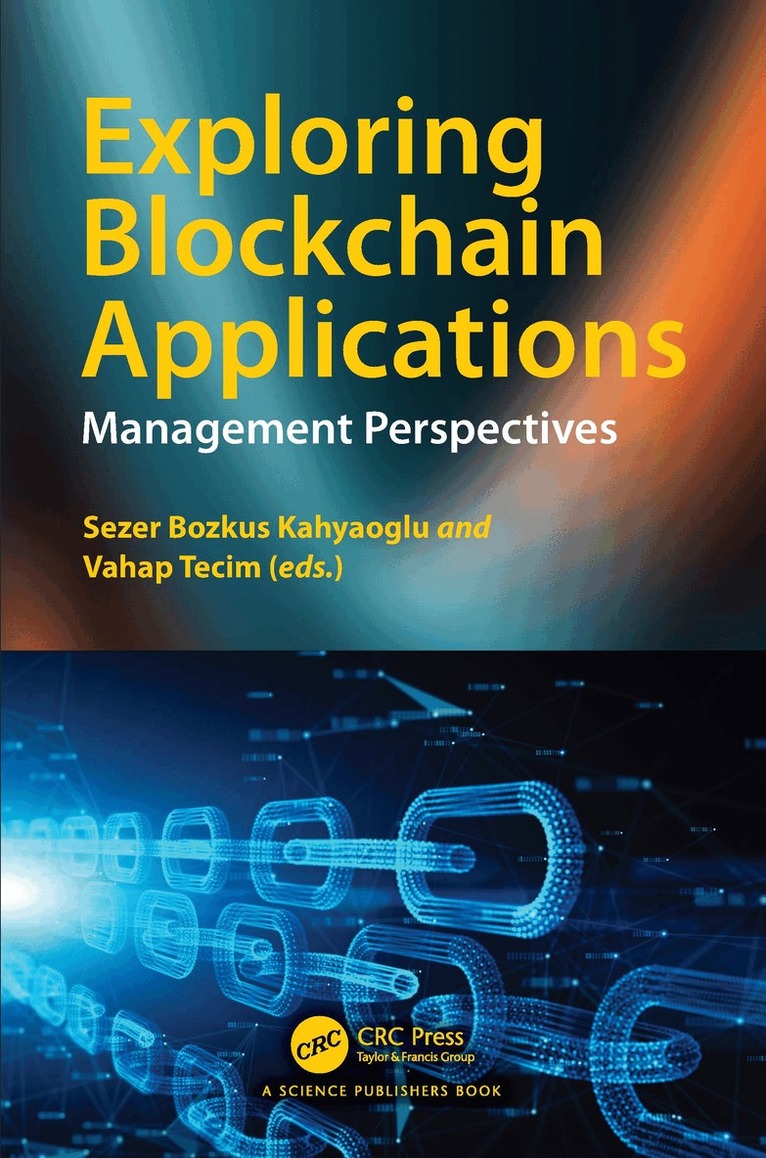
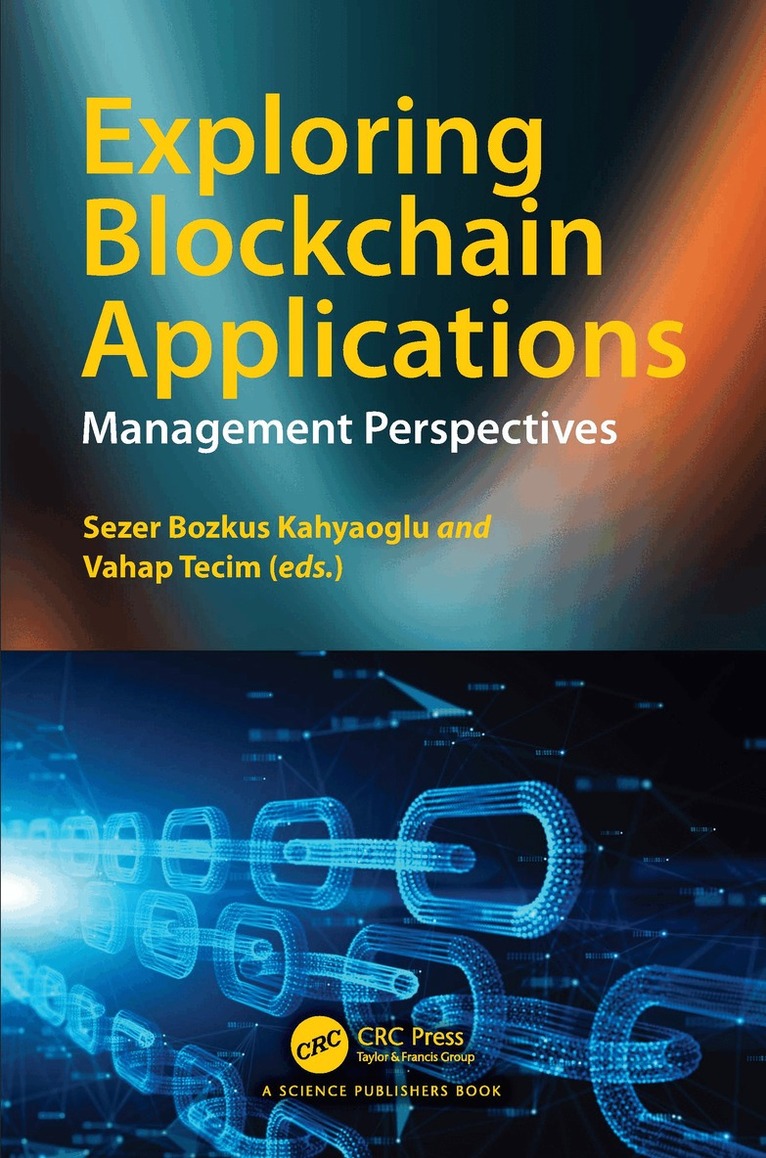
In this book, the development process of blockchain algorithms and examples of their applications in different sectors are explored. The opportunities and challenges of blockchain implementations that arise in making technological innovations usable in corporate structures are discussed. In this respect, the book aims to deal with both the conceptual framework and the real challenges and opportunities encountered in practice regarding the blockchain applications. It is tried to contribute to the literature by presenting practical blockchain application suggestions to the readers on a scientific basis.It is a fact that blockchain technology is considered one of the most disruptive and revolutionary innovations after the invention of the internet. Blockchain technology, which was first used for cross-border payments, is coming up with a new application area in a different sector every day. The main purpose of Blockchain-based systems is to spread the "trust" service provided by a central intermediary to machines in transactions between two parties. Thus, it removes the need for this trust from the monopoly of a single intermediary. Blockchain implementation scenarios are to establish math-based trust in an untrusted environment.While exploring the complexity of blockchain applications in different sectors, the emerging risks are also examined from a management perspective. In particular, it is aimed to be a key work that the management levels of the enterprises can benefit from in the decision-making processes.It will be seen that blockchain technologies will be used unlimitedly in design, planning, management and decision making. This book will also introduce new visions for practitioners to use different blockchain technologies and methodologies to face problems.
768 kr
Skickas inom 10-15 vardagar
In this book, the development process of blockchain algorithms and examples of their applications in different sectors are explored. The opportunities and challenges of blockchain implementations that arise in making technological innovations usable in corporate structures are discussed. In this respect, the book aims to deal with both the conceptual framework and the real challenges and opportunities encountered in practice regarding the blockchain applications. It is tried to contribute to the literature by presenting practical blockchain application suggestions to the readers on a scientific basis.It is a fact that blockchain technology is considered one of the most disruptive and revolutionary innovations after the invention of the internet. Blockchain technology, which was first used for cross-border payments, is coming up with a new application area in a different sector every day. The main purpose of Blockchain-based systems is to spread the "trust" service provided by a central intermediary to machines in transactions between two parties. Thus, it removes the need for this trust from the monopoly of a single intermediary. Blockchain implementation scenarios are to establish math-based trust in an untrusted environment.While exploring the complexity of blockchain applications in different sectors, the emerging risks are also examined from a management perspective. In particular, it is aimed to be a key work that the management levels of the enterprises can benefit from in the decision-making processes.It will be seen that blockchain technologies will be used unlimitedly in design, planning, management and decision making. This book will also introduce new visions for practitioners to use different blockchain technologies and methodologies to face problems.
1 062 kr
Skickas inom 10-15 vardagar
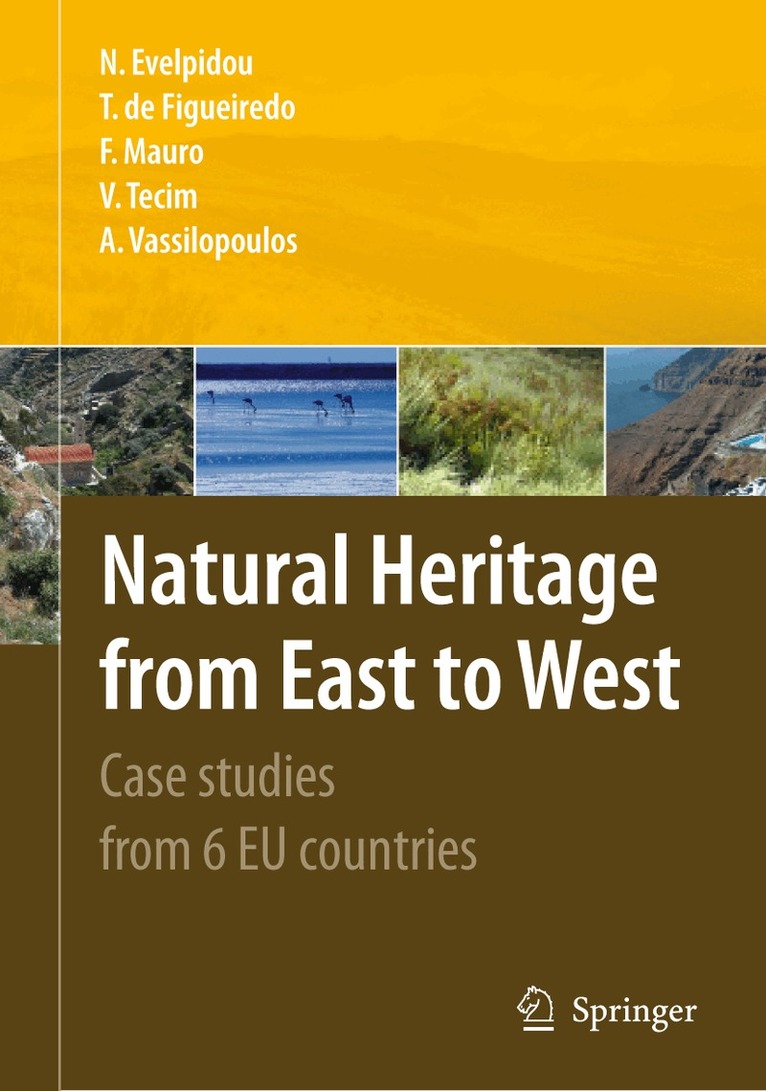
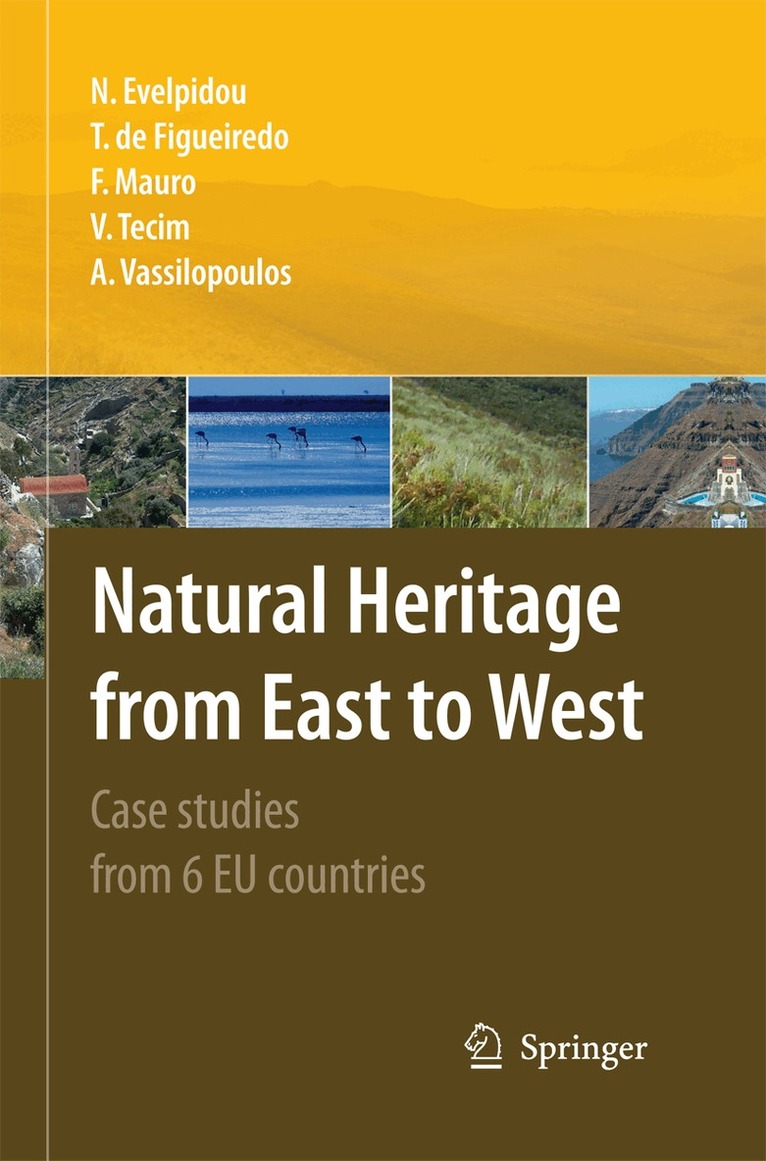
Cumulative global transformations, occurring daily, affect important aspects of our life. Characteristic cultural and natural heritage, including sites of priceless value, is under constant threat. There are growing pressures, of both natural and human origin, such as wars, con icts, natural or technological disasters and the effects of global climate change. These provoke the continuous degradation of many sites included in the World Heritage List. In consequence, immediate strategic measures must be taken. Natural heritage is our legacy from the past, that we inherited from our ancestors and pass on to future generations. It is vital to realize its value and protect it by all possible means, enforcing innovative and sustainable action plans that promote global international co-operation. This book aims to address speci c natural heritage sites in Europe, from West to East. The six countries of study interest are Portugal, Malta, Greece, Italy, Romania and Turkey. For each case, the corresponding current status is presented. This is accompanied by recommended action plans for protection and conservation, tra- ing initiatives that improve the public awareness of natural heritage issues and efforts to estimate the natural/environmental value of the sites. The book is the overall result of an interregional initiative aiming to promote convergence, provoke public interest and recommend action for radical changes in our attitude towards heritage conservation.
1 062 kr
Skickas inom 10-15 vardagar
Cumulative global transformations, occurring daily, affect important aspects of our life. Characteristic cultural and natural heritage, including sites of priceless value, is under constant threat. There are growing pressures, of both natural and human origin, such as wars, con icts, natural or technological disasters and the effects of global climate change. These provoke the continuous degradation of many sites included in the World Heritage List. In consequence, immediate strategic measures must be taken. Natural heritage is our legacy from the past, that we inherited from our ancestors and pass on to future generations. It is vital to realize its value and protect it by all possible means, enforcing innovative and sustainable action plans that promote global international co-operation. This book aims to address speci c natural heritage sites in Europe, from West to East. The six countries of study interest are Portugal, Malta, Greece, Italy, Romania and Turkey. For each case, the corresponding current status is presented. This is accompanied by recommended action plans for protection and conservation, tra- ing initiatives that improve the public awareness of natural heritage issues and efforts to estimate the natural/environmental value of the sites. The book is the overall result of an interregional initiative aiming to promote convergence, provoke public interest and recommend action for radical changes in our attitude towards heritage conservation.