Valentin Popa - Böcker
Visar alla böcker från författaren Valentin Popa. Handla med fri frakt och snabb leverans.
8 produkter
8 produkter
2 568 kr
Skickas inom 10-15 vardagar
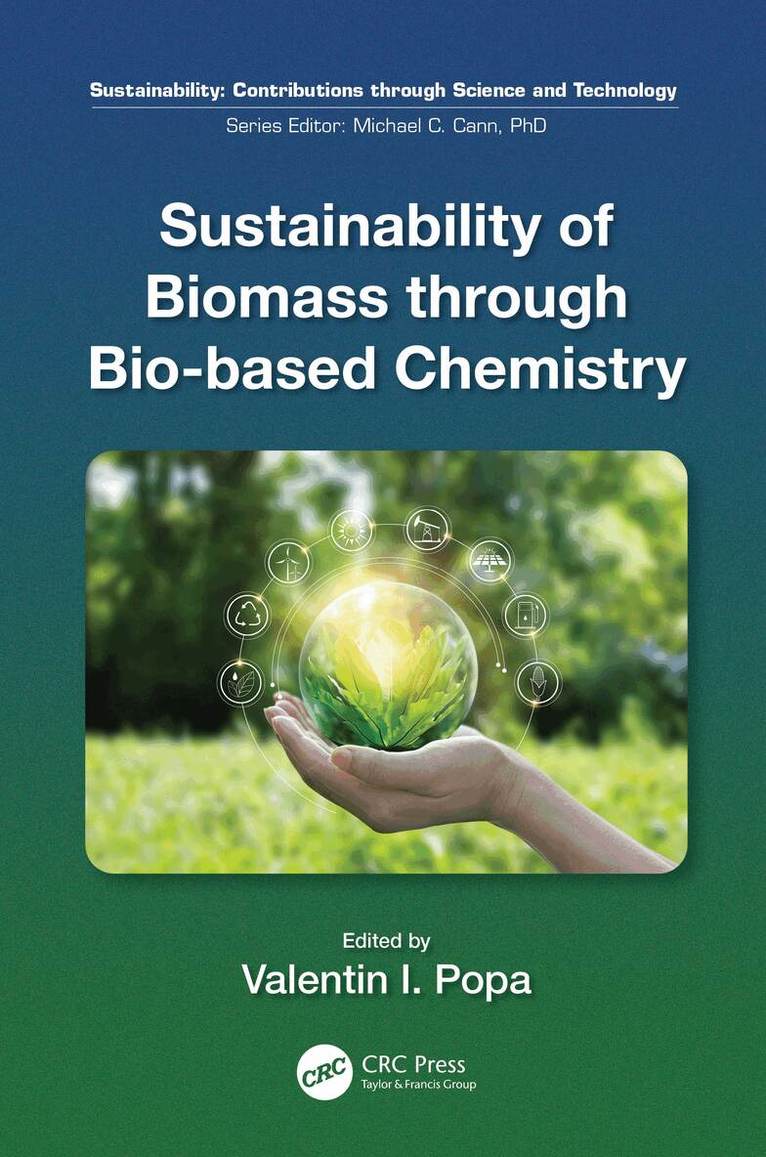
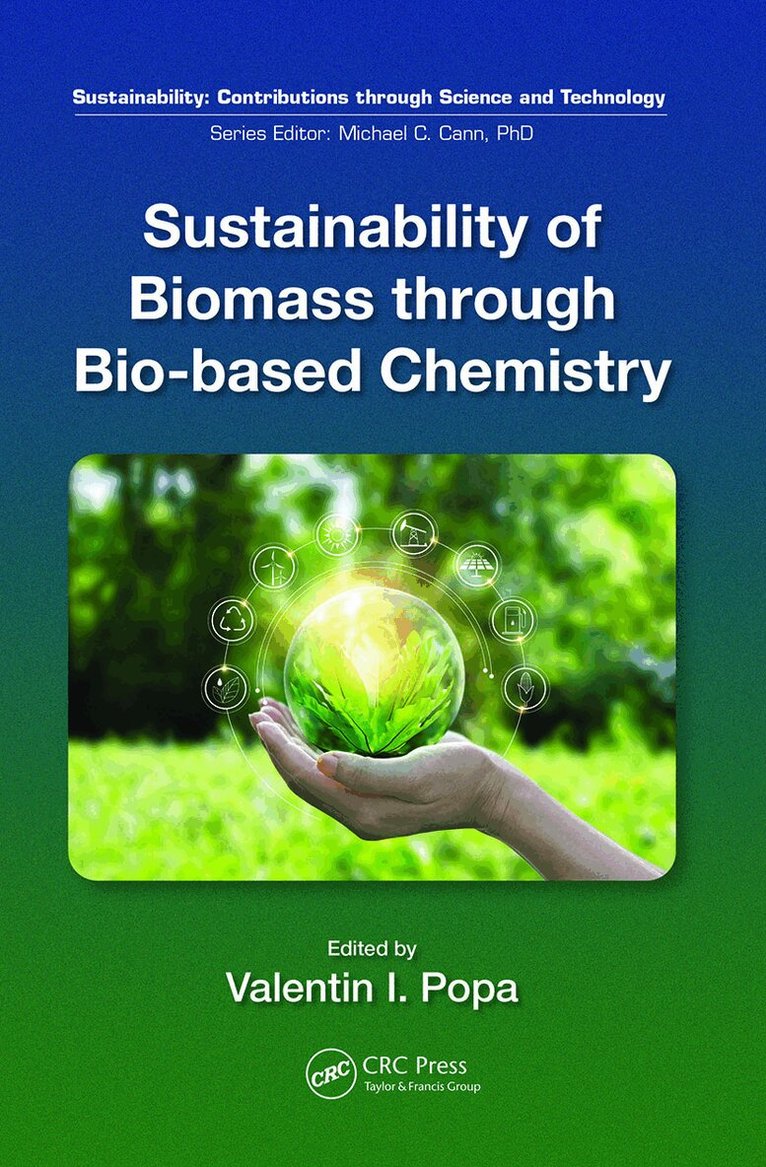
The process of photosynthesis is a potential source of energy and bioproducts. Renewable sources of polymeric materials offer an answer to maintaining sustainable development of economically and ecologically attractive technology. The innovations in the development of materials from biopolymers, preservation of fossil-based raw materials, complete biological degradability, reduction in the volume of garbage and compostability in the natural cycle, climate protection through reduction of carbon dioxide released, and the application possibilities of agricultural resources for the production of bio/green materials are some of the reasons why such materials are attracting public interest.FEATURES Discusses waste from urban areas, forestry and agricultural processes, specifically grown crops such as trees, starch crops, sugar crops hydrocarbon plants and oils, and finally aquatic plants such as water seaweeds and algae, which can be used as raw materials for sustainable development. Presents recent advances in the development of some specifically chemical components of biomasses for a sustainable future. Focuses on lignocellulose as a source of bio-based products. Draws upon expertise from various countries. Describes how upgraded and integrated biomass processing may reduce the risks associated with the COVID-19 pandemic.Valentin I. Popa is professor emeritus of Wood Chemistry and Biotechnology at Gheorghe Asachi Technical University of Iasi, Romania.
1 326 kr
Skickas inom 10-15 vardagar
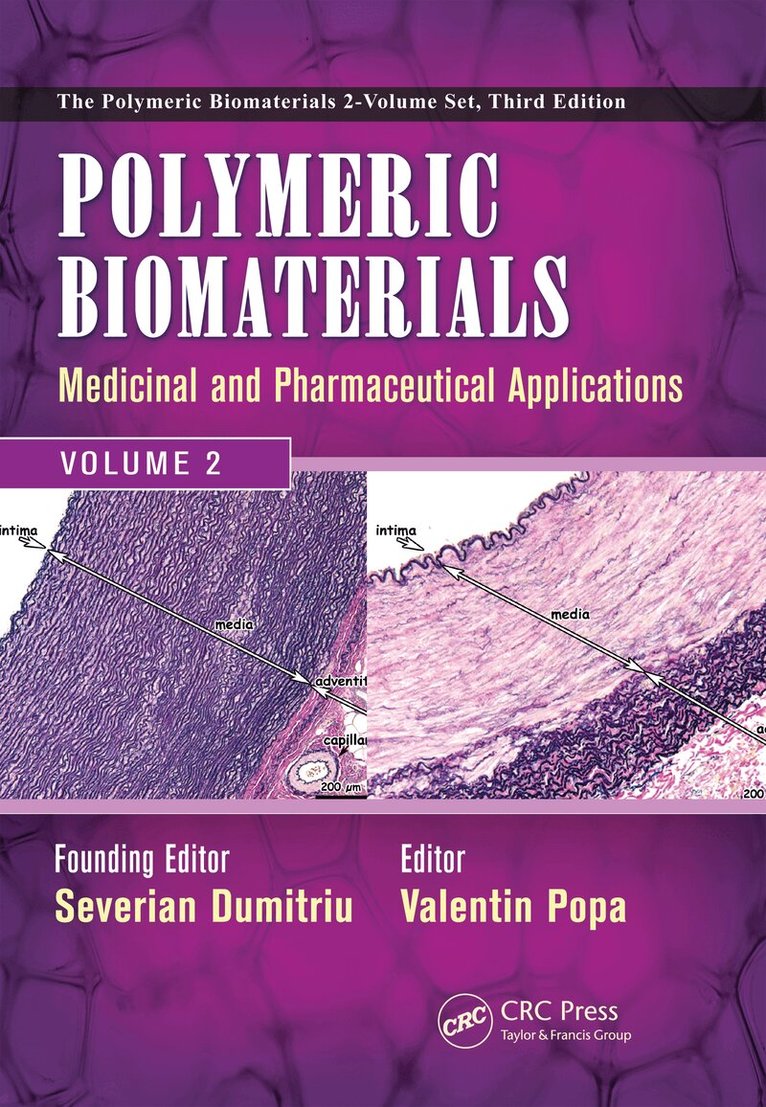
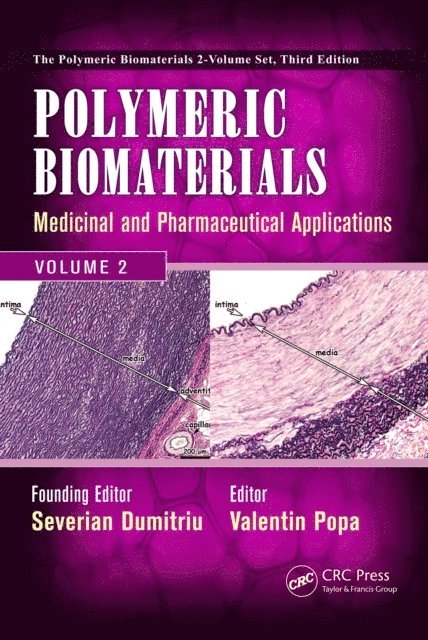
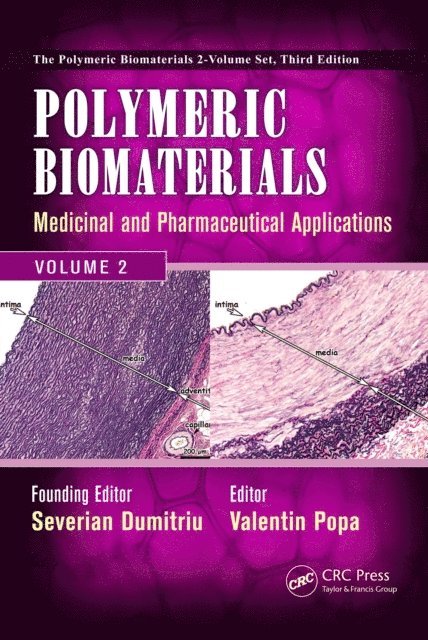
Biomaterials have had a major impact on the practice of contemporary medicine and patient care. Growing into a major interdisciplinary effort involving chemists, biologists, engineers, and physicians, biomaterials development has enabled the creation of high-quality devices, implants, and drug carriers with greater biocompatibility and biofunctionality. The fast-paced research and increasing interest in finding new and improved biocompatible or biodegradable polymers has provided a wealth of new information, transforming this edition of Polymeric Biomaterials into a two-volume set.This volume, Polymeric Biomaterials: Medicinal and Pharmaceutical Applications, contains 28 authoritative chapters written by experts from around the world. Contributors cover the following topics: Processing polymeric biomaterials into specific forms that ensure biocompatibility and biodegradability for use in various applications in the medical and pharmaceutical arenasUse of biomaterials to address medical issues such as pulmonary disease, cancer, heart disease, tissue damage, and bone diseaseApplications including a variety of drug delivery systems, medical devices, anticancer therapies, biological uses for hydrogels, nanotechnology, bioartificial organs, and tissue engineeringCompletely revised and expanded, this state-of-the-art reference presents recent developments in polymeric biomaterials and the most up-to-date applications of biomaterials in medicine.
3 118 kr
Skickas inom 10-15 vardagar
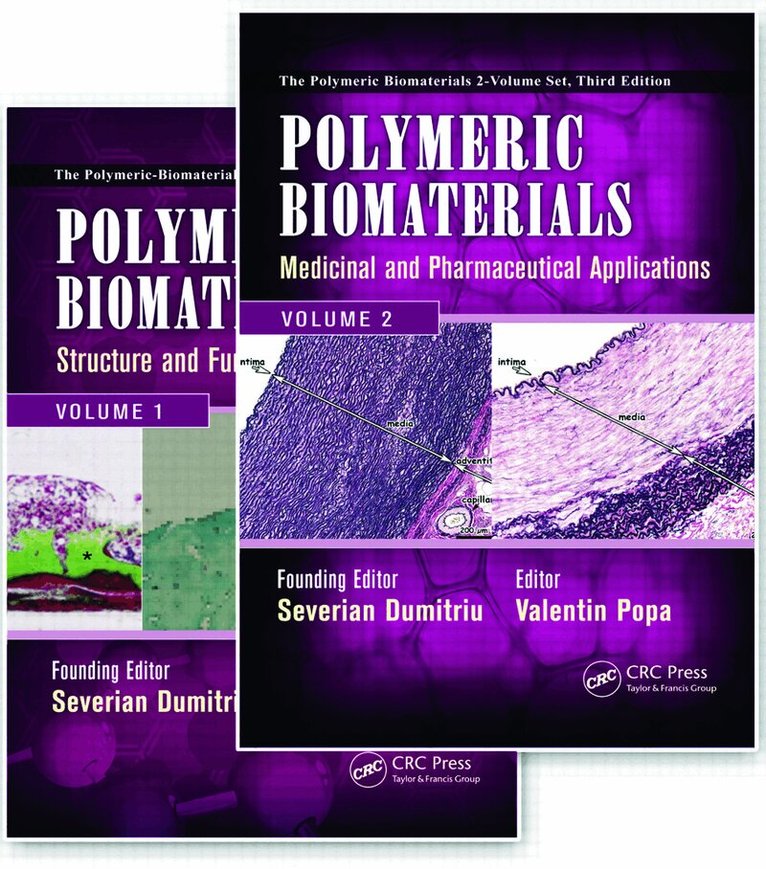
Biomaterials have had a major impact on the practice of contemporary medicine and patient care. Growing into a major interdisciplinary effort involving chemists, biologists, engineers, and physicians, biomaterials development has enabled the creation of high-quality devices, implants, and drug carriers with greater biocompatibility and biofunctionality. The fast-paced research and increasing interest in finding new and improved biocompatible or biodegradable polymers has provided a wealth of new information, transforming this edition of Polymeric Biomaterials into a two-volume set. Completely revised and expanded, this state-of-the-art reference presents recent developments in polymeric biomaterials: from their chemical, physical, and structural properties to current applications in the medical and pharmaceutical fields.The book is organized into two volumes containing 53 authoritative chapters written by experts from around the world. The first volume, Polymeric Biomaterials: Structure and Function, contains information about the structure and properties of synthetic polymers including polyesters, polyphosphazenes, and elastomers and natural polymers such as mucoadhesives, chitin, lignin, and carbohydrate derivatives. It also describes their blends or composites—for example, metal–polymer composites and biodegradable polymeric/ceramic composites—as well as drug carriers and delivery systems, gene and nucleic acids delivery, and polymer synthesis and processing techniques.The second volume, Polymeric Biomaterials: Medicinal and Pharmaceutical Applications, addresses processing of polymeric biomaterials into specific forms that ensure biocompatibility and biodegradability for various uses in the medical and pharmaceutical arenas. The chapters address numerous medical issues including pulmonary disease, cancer, heart disease, tissue damage, and bone disease. The applications covered include a variety of drug delivery systems, medical devices, anticancer therapies, biological uses for hydrogels, nanotechnology, bioartificial organs, and tissue engineering. This third edition set presents new and substantially revised topics, providing a comprehensive reference of the latest developments and the most up-to-date applications of biomaterials in medicine.
1 326 kr
Skickas inom 10-15 vardagar
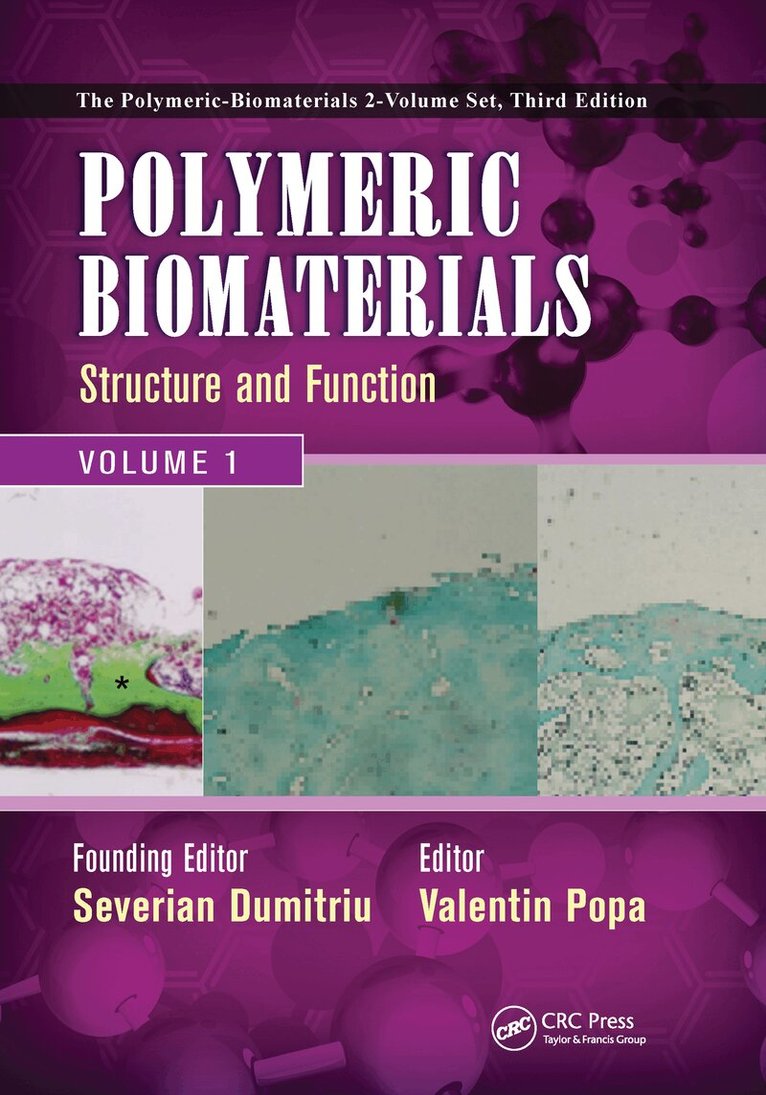
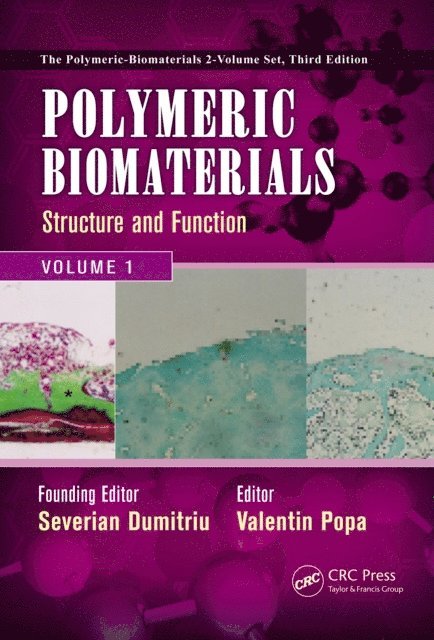
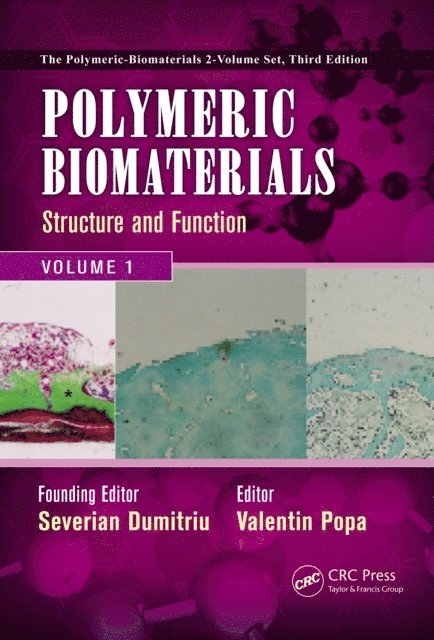
Biomaterials have had a major impact on the practice of contemporary medicine and patient care. Growing into a major interdisciplinary effort involving chemists, biologists, engineers, and physicians, biomaterials development has enabled the creation of high-quality devices, implants, and drug carriers with greater biocompatibility and biofunctionality. The fast-paced research and increasing interest in finding new and improved biocompatible or biodegradable polymers has provided a wealth of new information, transforming this edition of Polymeric Biomaterials into a two-volume set.This volume, Polymeric Biomaterials: Structure and Function, contains 25 authoritative chapters written by experts from around the world. Contributors cover the following topics: The structure and properties of synthetic polymers including polyesters, polyphosphazenes, and elastomers The structure and properties of natural polymers such as mucoadhesives, chitin, lignin, and carbohydrate derivatives Blends and composites—for example, metal–polymer composites and biodegradable polymeric/ceramic composites Bioresorbable hybrid membranes, drug delivery systems, cell bioassay systems, electrospinning for regenerative medicine, and moreCompletely revised and expanded, this state-of-the-art reference presents recent developments in polymeric biomaterials: from their chemical, physical, and structural properties to polymer synthesis and processing techniques and current applications in the medical and pharmaceutical fields.
694 kr
Skickas inom 10-15 vardagar
The process of photosynthesis is a potential source of energy and bioproducts. Renewable sources of polymeric materials offer an answer to maintaining sustainable development of economically and ecologically attractive technology. The innovations in the development of materials from biopolymers, preservation of fossil-based raw materials, complete biological degradability, reduction in the volume of garbage and compostability in the natural cycle, climate protection through reduction of carbon dioxide released, and the application possibilities of agricultural resources for the production of bio/green materials are some of the reasons why such materials are attracting public interest.FEATURES Discusses waste from urban areas, forestry and agricultural processes, specifically grown crops such as trees, starch crops, sugar crops hydrocarbon plants and oils, and finally aquatic plants such as water seaweeds and algae, which can be used as raw materials for sustainable development. Presents recent advances in the development of some specifically chemical components of biomasses for a sustainable future. Focuses on lignocellulose as a source of bio-based products. Draws upon expertise from various countries. Describes how upgraded and integrated biomass processing may reduce the risks associated with the COVID-19 pandemic.Valentin I. Popa is professor emeritus of Wood Chemistry and Biotechnology at Gheorghe Asachi Technical University of Iasi, Romania.
3 269 kr
Skickas inom 10-15 vardagar
Biomaterials have had a major impact on the practice of contemporary medicine and patient care. Growing into a major interdisciplinary effort involving chemists, biologists, engineers, and physicians, biomaterials development has enabled the creation of high-quality devices, implants, and drug carriers with greater biocompatibility and biofunctionality. The fast-paced research and increasing interest in finding new and improved biocompatible or biodegradable polymers has provided a wealth of new information, transforming this edition of Polymeric Biomaterials into a two-volume set.This volume, Polymeric Biomaterials: Medicinal and Pharmaceutical Applications, contains 28 authoritative chapters written by experts from around the world. Contributors cover the following topics: Processing polymeric biomaterials into specific forms that ensure biocompatibility and biodegradability for use in various applications in the medical and pharmaceutical arenasUse of biomaterials to address medical issues such as pulmonary disease, cancer, heart disease, tissue damage, and bone diseaseApplications including a variety of drug delivery systems, medical devices, anticancer therapies, biological uses for hydrogels, nanotechnology, bioartificial organs, and tissue engineeringCompletely revised and expanded, this state-of-the-art reference presents recent developments in polymeric biomaterials and the most up-to-date applications of biomaterials in medicine.
3 269 kr
Skickas inom 10-15 vardagar
Biomaterials have had a major impact on the practice of contemporary medicine and patient care. Growing into a major interdisciplinary effort involving chemists, biologists, engineers, and physicians, biomaterials development has enabled the creation of high-quality devices, implants, and drug carriers with greater biocompatibility and biofunctionality. The fast-paced research and increasing interest in finding new and improved biocompatible or biodegradable polymers has provided a wealth of new information, transforming this edition of Polymeric Biomaterials into a two-volume set.This volume, Polymeric Biomaterials: Structure and Function, contains 25 authoritative chapters written by experts from around the world. Contributors cover the following topics: The structure and properties of synthetic polymers including polyesters, polyphosphazenes, and elastomers The structure and properties of natural polymers such as mucoadhesives, chitin, lignin, and carbohydrate derivatives Blends and composites—for example, metal–polymer composites and biodegradable polymeric/ceramic composites Bioresorbable hybrid membranes, drug delivery systems, cell bioassay systems, electrospinning for regenerative medicine, and moreCompletely revised and expanded, this state-of-the-art reference presents recent developments in polymeric biomaterials: from their chemical, physical, and structural properties to polymer synthesis and processing techniques and current applications in the medical and pharmaceutical fields.
8 602 kr
Skickas inom 10-15 vardagar
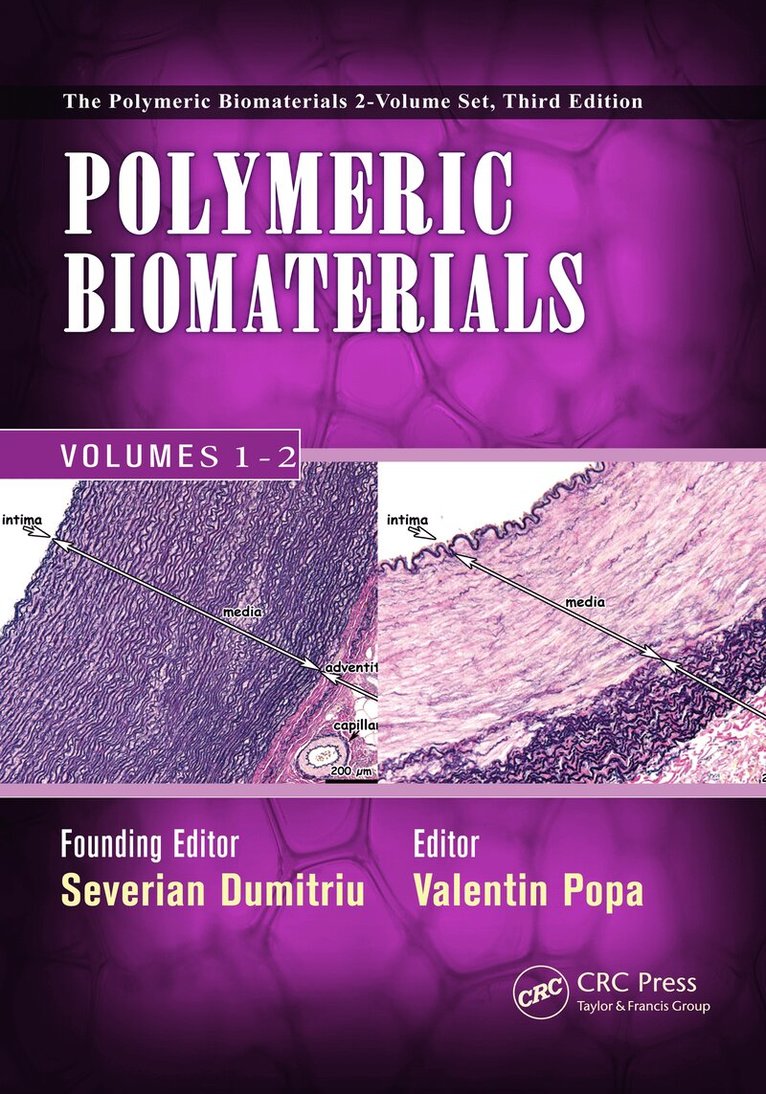
Biomaterials have had a major impact on the practice of contemporary medicine and patient care. Growing into a major interdisciplinary effort involving chemists, biologists, engineers, and physicians, biomaterials development has enabled the creation of high-quality devices, implants, and drug carriers with greater biocompatibility and biofunctionality. The fast-paced research and increasing interest in finding new and improved biocompatible or biodegradable polymers has provided a wealth of new information, transforming this edition of Polymeric Biomaterials into a two-volume set. Completely revised and expanded, this state-of-the-art reference presents recent developments in polymeric biomaterials: from their chemical, physical, and structural properties to current applications in the medical and pharmaceutical fields.The book is organized into two volumes containing 53 authoritative chapters written by experts from around the world. The first volume, Polymeric Biomaterials: Structure and Function, contains information about the structure and properties of synthetic polymers including polyesters, polyphosphazenes, and elastomers and natural polymers such as mucoadhesives, chitin, lignin, and carbohydrate derivatives. It also describes their blends or composites—for example, metal–polymer composites and biodegradable polymeric/ceramic composites—as well as drug carriers and delivery systems, gene and nucleic acids delivery, and polymer synthesis and processing techniques.The second volume, Polymeric Biomaterials: Medicinal and Pharmaceutical Applications, addresses processing of polymeric biomaterials into specific forms that ensure biocompatibility and biodegradability for various uses in the medical and pharmaceutical arenas. The chapters address numerous medical issues including pulmonary disease, cancer, heart disease, tissue damage, and bone disease. The applications covered include a variety of drug delivery systems, medical devices, anticancer therapies, biological uses for hydrogels, nanotechnology, bioartificial organs, and tissue engineering. This third edition set presents new and substantially revised topics, providing a comprehensive reference of the latest developments and the most up-to-date applications of biomaterials in medicine.