Valérie Hayaert - Böcker
Visar alla böcker från författaren Valérie Hayaert. Handla med fri frakt och snabb leverans.
4 produkter
4 produkter
702 kr
Skickas inom 10-15 vardagar
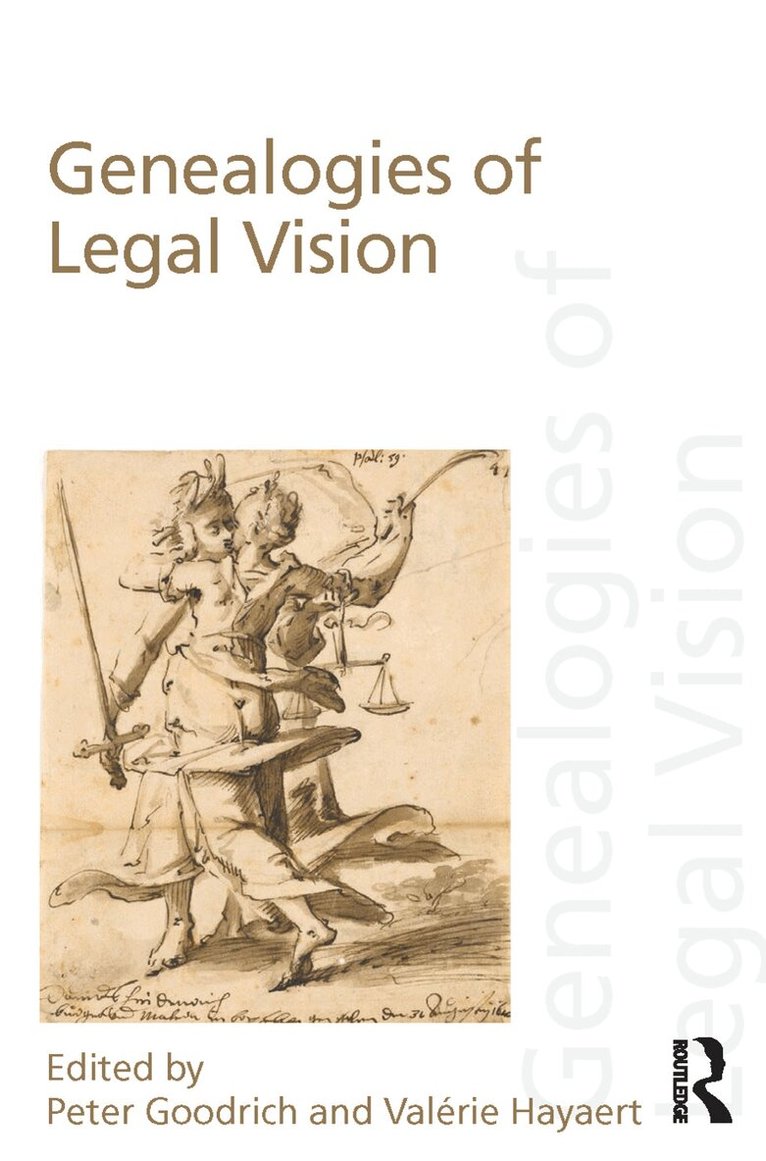
It was the classical task of legal rhetoric to make law both seen and understood. These conjoint goals came to be separated and opposed in modernity and a degree of blindness ensued. Legal reason was increasingly deemed to be a purely textual enterprise. Against this constraint and in furtherance of an incipient visual turn in legal studies, Genealogies of Legal Vision seeks to revive the classical ars iuris and to this end traces the history of regimes of visual control. Law always relied in significant measure upon the use of visual representations, upon pictures, architecture, costume and statuary to convey authority and sovereign norm. Military, religious, administrative and legal insignia found juridical codification and expression in collections of signs of office, in heraldic codes, in genealogical devices, and then finally in the juridical invention in the mid-sixteenth century of the legal emblem book. Genealogies of Legal Vision traces the complex lineage of the legal emblem and argues that the mens emblematica of the humanist lawyers was the inauguration of a visiocratic regime that continues into the multiple new technologies and novel media of contemporary governance. Bringing together leading experts on the history and art of legal emblems this collection provides a ground-breaking account of the long relationship between visibility, meaning and normativity.
2 162 kr
Skickas inom 10-15 vardagar
It was the classical task of legal rhetoric to make law both seen and understood. These conjoint goals came to be separated and opposed in modernity and a degree of blindness ensued. Legal reason was increasingly deemed to be a purely textual enterprise. Against this constraint and in furtherance of an incipient visual turn in legal studies, Genealogies of Legal Vision seeks to revive the classical ars iuris and to this end traces the history of regimes of visual control. Law always relied in significant measure upon the use of visual representations, upon pictures, architecture, costume and statuary to convey authority and sovereign norm. Military, religious, administrative and legal insignia found juridical codification and expression in collections of signs of office, in heraldic codes, in genealogical devices, and then finally in the juridical invention in the mid-sixteenth century of the legal emblem book. Genealogies of Legal Vision traces the complex lineage of the legal emblem and argues that the mens emblematica of the humanist lawyers was the inauguration of a visiocratic regime that continues into the multiple new technologies and novel media of contemporary governance. Bringing together leading experts on the history and art of legal emblems this collection provides a ground-breaking account of the long relationship between visibility, meaning and normativity.
1 075 kr
Skickas
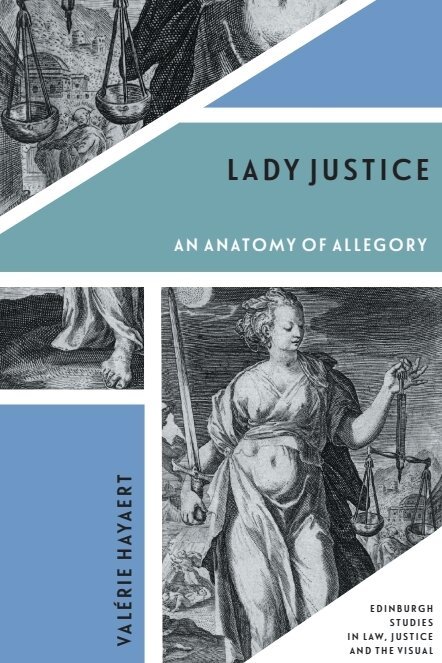
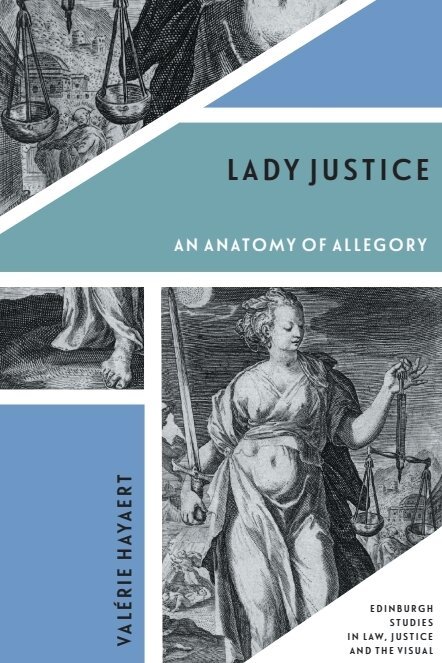
Dismembers and remembers the sensual and spiritual body of Lady Justice in a wholly novel interpretation of the optical allegory of IustitiaPresents an original theory of the blindfold on JusticeIncludes case studies of the allegorical significance of all of the attributes of JusticeDraws on early modern sources including forensic speeches, epigrams, eulogies, formal discourses and commentaries on cases to offer a new paradigm of judicial actioPresents new critical analyses of key Latin texts, subjecting them to critical philological scrutiny for the first timeCategorizes images of Lady Justice through a range of parameters: their plasticity, accessibility, their effect of presence, their material link to the space dispositive and their plastic salienceLady Justice: An Anatomy of Allegory leaves conventional readings of this pivotal figure in European legal history far behind. Hayaert's study brings together an analysis of thousands of images from the period 1400 - 1600, many of them previously overlooked, including artwork, frontispieces, legal texts, sculptures and statues in public spaces and in court buildings scattered across six countries. Lady Justice is taken apart and considered afresh - organ by organ, limb by limb, digit by digit, making a case for a treatment of allegory in all its complexity, ambiguity and affective force.This unique interdisciplinary study exceeds the iconographic orthodoxy of art historians and the reductive interpretations of legal historians alike. Setting aside styles and schools, ranging widely across time and space, Hayaert identifies Lady Justice as the seat of law's conscience, an archetype of the judge's daimon, and an affective, numinous address to all who, over the course of seven centuries, have found themselves moved by her redolent and inextinguishable presence.
274 kr
Skickas
Lady Justice: An Anatomy of Allegory leaves conventional readings of this pivotal figure in European legal history far behind. Hayaert's study brings together an analysis of thousands of images from the period 1400 1600, many of them previously overlooked, including artwork, frontispieces, legal texts, sculptures and statues in public spaces and in court buildings scattered across six countries. Lady Justice is taken apart and considered afresh - organ by organ, limb by limb, digit by digit, making a case for a treatment of allegory in all its complexity, ambiguity and affective force.This unique interdisciplinary study exceeds the iconographic orthodoxy of art historians and the reductive interpretations of legal historians alike. Setting aside styles and schools, ranging widely across time and space, Hayaert identifies Lady Justice as the seat of law's conscience, an archetype of the judge's daimon, and an affective, numinous address to all who, over the course of seven centuries, have found themselves moved by her redolent and inextinguishable presence.