Valerie Sherer Mathes - Böcker
Visar alla böcker från författaren Valerie Sherer Mathes. Handla med fri frakt och snabb leverans.
13 produkter
13 produkter
386 kr
Skickas inom 7-10 vardagar
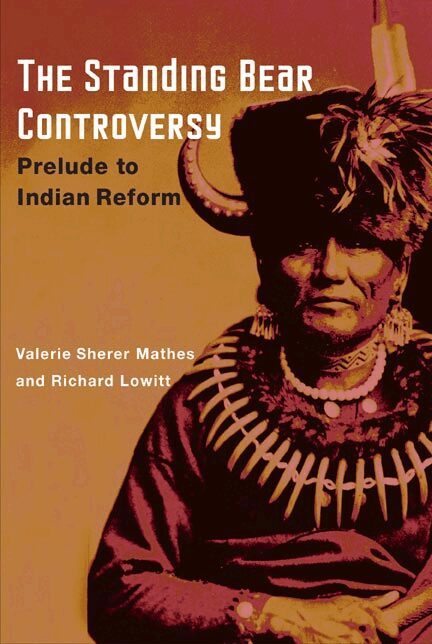
In the spring of 1877 government officials forcibly removed members of the Ponca tribe from their homelands in the southeastern corner of Dakota territory, relocating them in the Indian Territory in Oklahoma. When Ponca Chief Standing Bear attempted to lead a group of his people home he was arrested, detained, and put on trial. In this book Valerie Sherer Mathes and Richard Lowitt examine how the national publicity surrounding the trial of Chief Standing Bear, as well as a speaking tour by the chief and others, brought the plight of his tribe, and of tribespeople across America, to the attention of the general public, serving as a catalyst for the nineteenth-century Indian reform movement. As the authors show, the eventual ramifications of the removal, flight, and trial of Standing Bear were extensive, and included the rise of an organized humanitarian reform movement, significant changes in the administration of Indian affairs, and the passage of the General Allotment Act in 1887. This is the first full-length study of the Standing Bear trial and its consequences, and Mathes and Lowitt draw on a vast array of manuscript, diary, and journalistic sources in order to chronicle the events of 1877, as well as the effect the trial had on broader American popular opinion, on the federal government, and finally on the Native American population as a whole.
301 kr
Skickas inom 3-6 vardagar
247 kr
Skickas inom 10-15 vardagar
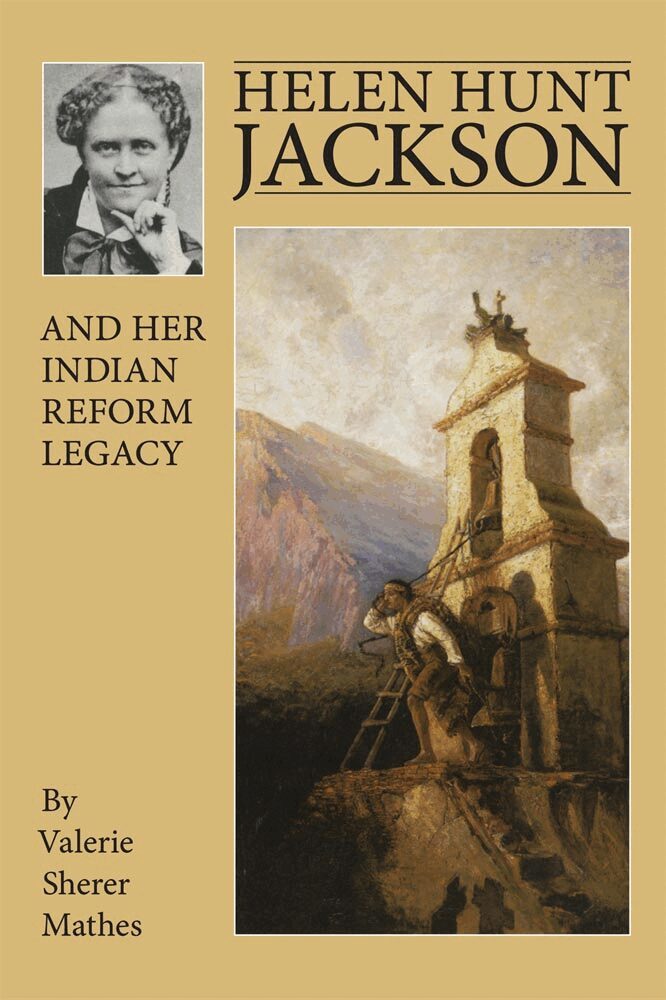
Helen Hunt Jackson and Her Indian Reform Legacy is a detailed account of the last six years of Jackson's life (1879-1885), when she struggled to promote the rights of American Indians displaced and dispossessed by the U.S. government. Valerie Sherer Mathes places Jackson's work within the larger nineteenth-century Indian rights movement and details her crusade of traveling, writing, and lobbying government officials. Jackson's efforts culminated in the publication of A Century of Dishonor, an indictment of the government's Indian policy, and the novel Ramona, a sympathetic portrayal of the plight of California's Mission Indians. Her influence was felt immediately in the actions of subsequent reform workers in the Women's National Indian Association, the Indian Rights Association, and the Lake Mohonk Conference.
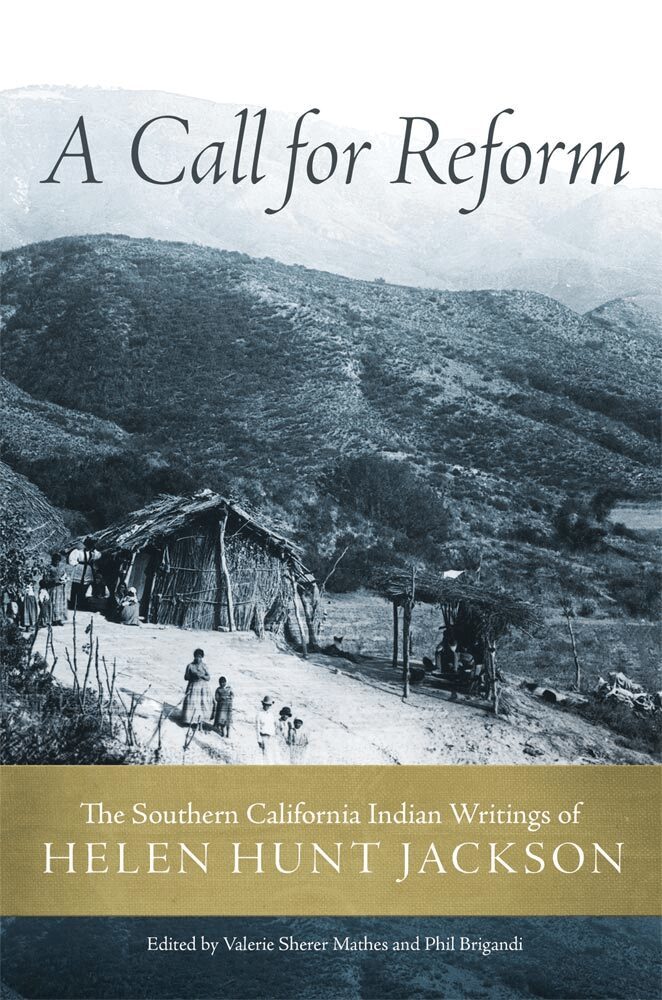
Call for Reform
The Southern California Indian Writings of Helen Hunt Jackson
Inbunden, Engelska, 2015
335 kr
Skickas inom 10-15 vardagar
Journalist, novelist, and scholar Helen Hunt Jackson (1830-85) remains one of the most influential and popular writers on the struggles of American Indians. This volume collects for the first time seven of her most important articles, annotated and introduced by Jackson scholars Valerie Sherer Mathes and Phil Brigandi. Valuable as eyewitness accounts of Mission Indian life in Southern California in the 1880s, the articles also offer insight into Jackson's career.The articles served as the basis for Jackson's 1884 romantic novel, Ramona, still popular among Americans today. Jackson journeyed to Southern California in the 1880s to learn firsthand how Indians there lived. She found them in a demoralized state, beset by failed government policies and constantly threatened with losing their lands. The numerous articles and editorial responses she penned made her a leading voice in the fight for American Indian rights, a role she embraced wholeheartedly.As this collection also shows, Jackson's fondness for Old California helped shape the region's mythology and tourist culture. But her most important work was her influence in getting reservations set aside for the beleaguered Southern California tribes. Although her recommendations were not implemented until after her death, Helen Hunt Jackson's stark and revealing portrait drew national attention to the effects of white encroachment on Indian lands and cultures in California and inspired generations of reformers who continued her legacy. This unprecedented collection offers fresh insight into the life and work of a well-known and influential writer and reformer.
259 kr
Skickas inom 10-15 vardagar
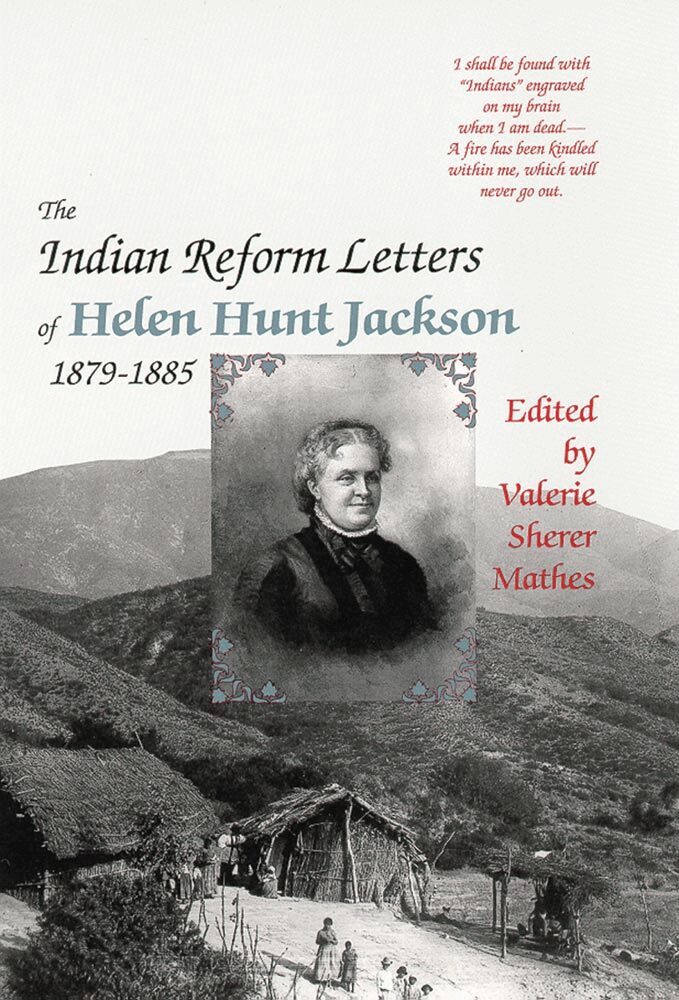
Helen Hunt Jackson's passionate crusade for Indian rights comes to life in this collection of more than 200 letters, most of which have never been published before. With Valerie Sherer Mathes's helpful notes, the letters reveal the behind-the-scenes drama of Jackson's involvement in Indian reform, which led her to write A Century of Dishonor and her protest novel, Ramona.Ralph Waldo Emerson described Jackson as the ""greatest American woman poet."" These stirring letters will intrigue anyone interested in Indian affairs, nineteenth-century women's studies, or the social history of Victorian America, where Jackson made her mark despite the restrictions on women. Among her correspondents were Oliver Wendell Holmes, Henry Wadsworth Longfellow, Moncure D. Conway, Henry B. Whipple, Henry L. Dawes, Henry Teller, Carl Schurz, and of course, commissioners of Indian affairs and such prominent editors as Whitelaw Reid, Charles Dudley Warner, and Richard Watson Gilder.The letters are presented in sections on the Ponca and Mission Indian causes, allowing readers to focus on the time period and Indian group of choice.
444 kr
Skickas inom 10-15 vardagar
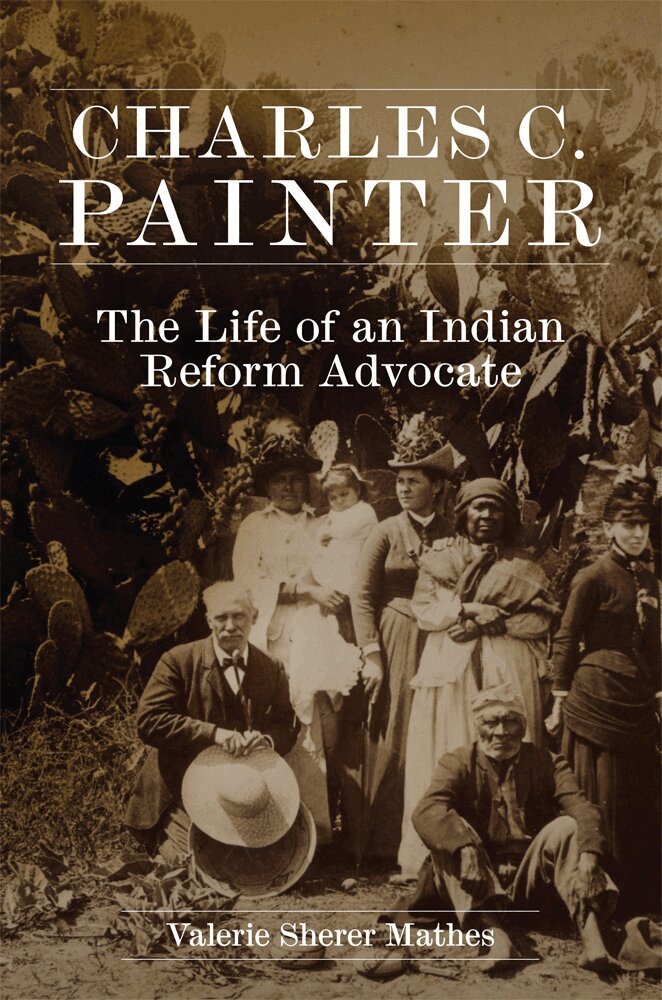
Charles Cornelius Coffin Painter (1833-89), clergyman turned reformer, was one of the foremost advocates and activists in the late-nineteenth-century movement to reform U.S. Indian policy. Very few individuals possessed the influence Painter wielded in the movement, and Painter himself published numerous pamphlets for the Indian Rights Association (IRA) on the Southern Utes, Eastern Cherokees, California Indians, and other Native peoples. Yet this is the first book to fully consider his unique role and substantial contribution.Born in Virginia, Painter spent most of his life in Great Barrington, Massachusetts, commuting to New York City and Washington, D.C., initially as an agent of the American Missionary Association (AMA), later as an appointed member of the Board of Indian Commissions (BIC), and most significant, as the Indian Rights Association's D.C. agent. In these capacities he lobbied presidents and Congress for reform, conducted extensive investigations on reservations, and shaped deliberations in such reform bodies as the BIC and the influential Lake Mohonk conferences.Mining an extraordinary wealth of archival material, Valerie Sherer Mathes crafts a compelling account of Painter as a skilled negotiator with Indians and policymakers and as a tireless investigator who traveled to far-flung reservations, corresponded with countless Indian agents, and drafted scrupulously researched reports on his findings. Recounted in detail, his many adventures and behind-the-scenes activities - promoting education, striving to prevent the removal of the Southern Utes from Colorado, investigating reservation fraud, working to save the Piegans of Montana from starvation - afford a clear picture of Painter's importance to the overall reform effort to incorporate Native Americans into the fabric of American life.No other book so effectively captures the day-to-day and exhausting work of a single individual on the front lines of reform. Like most of his fellow advocates, Painter was an unapologetic assimilationist, a man of his times whose story is a key chapter in the history of the Indian reform movement.
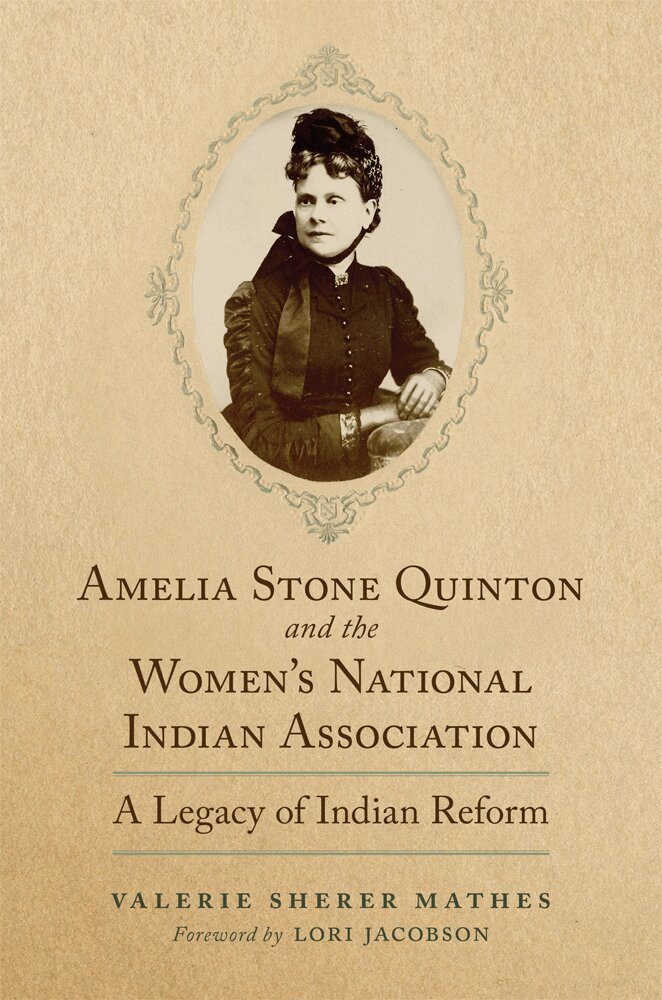
Amelia Stone Quinton and the Women's National Indian Association
A Legacy of Indian Reform
Inbunden, Engelska, 2022
608 kr
Skickas inom 10-15 vardagar
This first full account of Amelia Stone Quinton (1833–1926) and the organization she cofounded, the Women’s National Indian Association (WNIA), offers a nuanced insight into the intersection of gender, race, religion, and politics in our shared history. Author Valerie Sherer Mathes shows how Quinton, like Helen Hunt Jackson, was a true force for reform and progress who was nonetheless constrained by the assimilationist convictions of her time.The WNIA, which Quinton cofounded with Mary Lucinda Bonney in 1879, was organized expressly to press for a “more just, protective, and fostering Indian policy,” but also to promote the assimilation of the Indian through Christianization and “civilization.” Charismatic and indefatigable, Quinton garnered support for the WNIA’s work by creating strong working relationships with leaders of the main reform groups, successive commissioners of Indian affairs, secretaries of the interior, and prominent congressmen. The WNIA’s powerful network of friends formed a hybrid organization: religious in its missionary society origins but also political, using its powers to petition and actively address public opinion. Mathes follows the organization as it evolved from its initial focus on evangelizing Indian women—and promoting Victorian society’s ideals of “true womanhood”—through its return to its missionary roots, establishing over sixty missionary stations, supporting physicians and teachers, and building houses, chapels, schools, and hospitals.With reference to Quinton’s voluminous writings—including her letters, speeches, and newspaper articles—as well as to WNIA literature, Mathes draws a complex picture of an organization that at times ignored traditional Indian practices and denied individual agency, even as it provided dispossessed and impoverished people with health care and adequate housing. And at the center of this picture we find Quinton, a woman and reformer of her time.
267 kr
Skickas inom 10-15 vardagar
Charles Cornelius Coffin Painter (1833–89), clergyman turned reformer, was one of the foremost advocates and activists in the late-nineteenth-century movement to reform U.S. Indian policy. Very few individuals possessed the influence Painter wielded in the movement, and Painter himself published numerous pamphlets for the Indian Rights Association (IRA) on the Southern Utes, Eastern Cherokees, California Indians, and other Native peoples. Yet this is the first book to fully consider his unique role and substantial contribution.Born in Virginia, Painter spent most of his life in Great Barrington, Massachusetts, commuting to New York City and Washington, D.C., initially as an agent of the American Missionary Association (AMA), later as an appointed member of the Board of Indian Commissions (BIC), and, most significant, as the Indian Rights Association’s D.C. agent. In these capacities he lobbied presidents and Congress for reform, conducted extensive investigations on reservations, and shaped deliberations in such reform bodies as the BIC and the influential Lake Mohonk conferences.Mining an extraordinary wealth of archival material, Valerie Sherer Mathes crafts a compelling account of Painter as a skilled negotiator with Indians and policymakers and as a tireless investigator who traveled to far-flung reservations, corresponded with countless Indian agents, and drafted scrupulously researched reports on his findings. Recounted in detail, his many adventures and behind-the-scenes activities—promoting education, striving to prevent the removal of the Southern Utes from Colorado, investigating reservation fraud, working to save the Piegans of Montana from starvation—afford a clear picture of Painter’s importance to the overall reform effort to incorporate Native Americans into the fabric of American life.No other book so effectively captures the day-to-day and exhausting work of a single individual on the front lines of reform. Like most of his fellow advocates, Painter was an unapologetic assimilationist, a man of his times whose story is a key chapter in the history of the Indian reform movement.
Amelia Stone Quinton and the Women's National Indian Association Volume 2
A Legacy of Indian Reform
Häftad, Engelska, 2026
315 kr
Kommande
This first full account of Amelia Stone Quinton (1833–1926) and the organization she cofounded, the Women’s National Indian Association (WNIA), offers a nuanced insight into the intersection of gender, race, religion, and politics in our shared history. Author Valerie Sherer Mathes shows how Quinton, like Helen Hunt Jackson, was a true force for reform and progress who was nonetheless constrained by the assimilationist convictions of her time. The WNIA, which Quinton cofounded with Mary Lucinda Bonney in 1879, was organized expressly to press for a “more just, protective, and fostering Indian policy,” but also to promote the assimilation of the Indian through Christianization and “civilization.” Charismatic and indefatigable, Quinton garnered support for the WNIA’s work by creating strong working relationships with leaders of the main reform groups, successive commissioners of Indian affairs, secretaries of the interior, and prominent congressmen. The WNIA’s powerful network of friends formed a hybrid organization: religious in its missionary society origins but also political, using its powers to petition and actively address public opinion. Mathes follows the organization as it evolved from its initial focus on evangelizing Indian women—and promoting Victorian society’s ideals of “true womanhood”—through its return to its missionary roots, establishing over sixty missionary stations, supporting physicians and teachers, and building houses, chapels, schools, and hospitals. With reference to Quinton’s voluminous writings—including her letters, speeches, and newspaper articles—as well as to WNIA literature, Mathes draws a complex picture of an organization that at times ignored traditional Indian practices and denied individual agency, even as it provided dispossessed and impoverished people with health care and adequate housing. And at the center of this picture we find Quinton, a woman and reformer of her time.
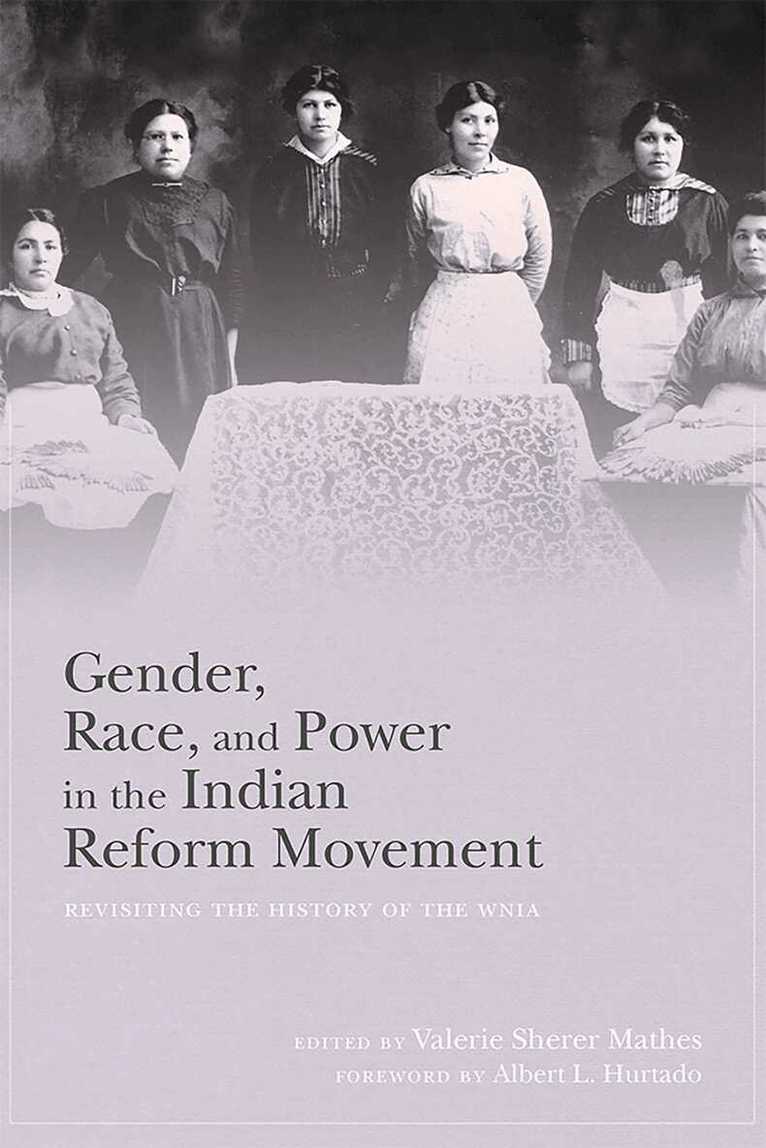
Gender, Race, and Power in the Indian Reform Movement
Revisiting the History of the WNIA
Inbunden, Engelska, 2020
1 062 kr
Skickas inom 3-6 vardagar
Founded in the late nineteenth century, the Women's National Indian Association was one of several reform associations that worked to implement the government's assimilation policy directed at Native peoples. The women of the WNIA combined political action with efforts to improve health and home life and spread Christianity on often remote reservations. During its more than seventy-year history, the WNIA established over sixty missionary sites in which they provided Native peoples with home-building loans, founded schools, built missionary cottages and chapels, and worked toward the realization of reservation hospitals.Gender, Race, and Power in the Indian Reform Movement reveals the complicated intersections of gender, race, and identity at the heart of Indian reform. This collection of essays offers a new interpretation of the WNIA's founding, argues that the WNIA provided opportunities for indigenous women, creates a new space in the public sphere for white women, and reveals the WNIA's role in broader national debates centered on Indian land rights and the political power of Christian reform.
1 031 kr
Skickas inom 3-6 vardagar
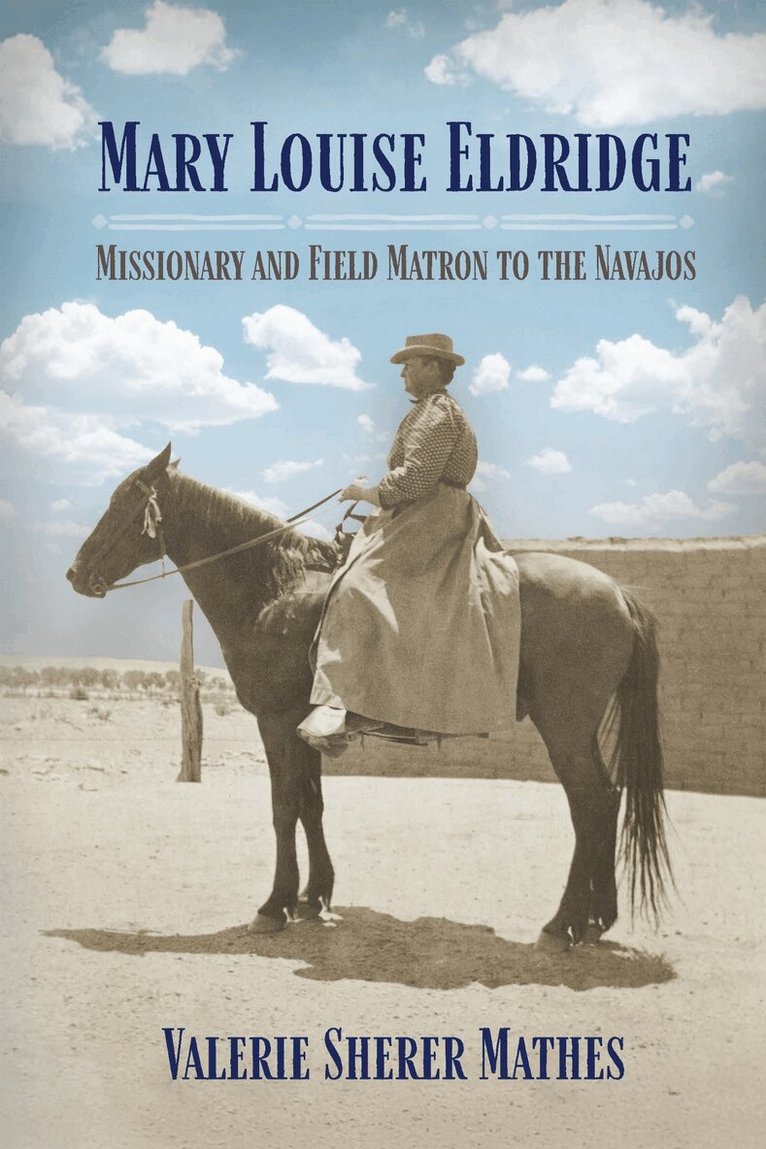
In the fall of 1891 Mary Louise Eldridge and Mary Raymond were sent by the Women's Home Missionary Society of the Methodist Episcopal Church to work among the Navajos living along the San Juan River in northern New Mexico. There they founded the Navajo Methodist Mission, which later moved near Farmington. After Raymond's unexpected death, Eldridge was appointed to replace her as a government field matron, and with the support of the Cambridge Indian Association, an auxiliary of the Women's National Indian Association, Eldridge supervised Navajo men in digging the Cambridge Ditch and their wives in weaving blankets in industrial rooms supported by the WNIA's Indian Industries League. Before Eldridge retired in 1915, she supervised the founding of six WNIA missionary stations on the reservation. One scholar described her as nurse, farmer, civil engineer for irrigation projects, trader, hospital administrator, fund raiser, policy advocate, cottage industry entrepreneur, and adoptive mother—duties far exceeding the government's vision of a field matron.This biography with selected letters is the first history of Eldridge's WNIA-funded missionary work. It opens a critical window into social reform efforts among Native peoples in the American Southwest, the predicament of the Navajo Nation after their return from incarceration at Bosque Redondo, and the coercive assimilationist policies enacted against resistant Native peoples in the Dawes Act era.
299 kr
Skickas inom 5-8 vardagar
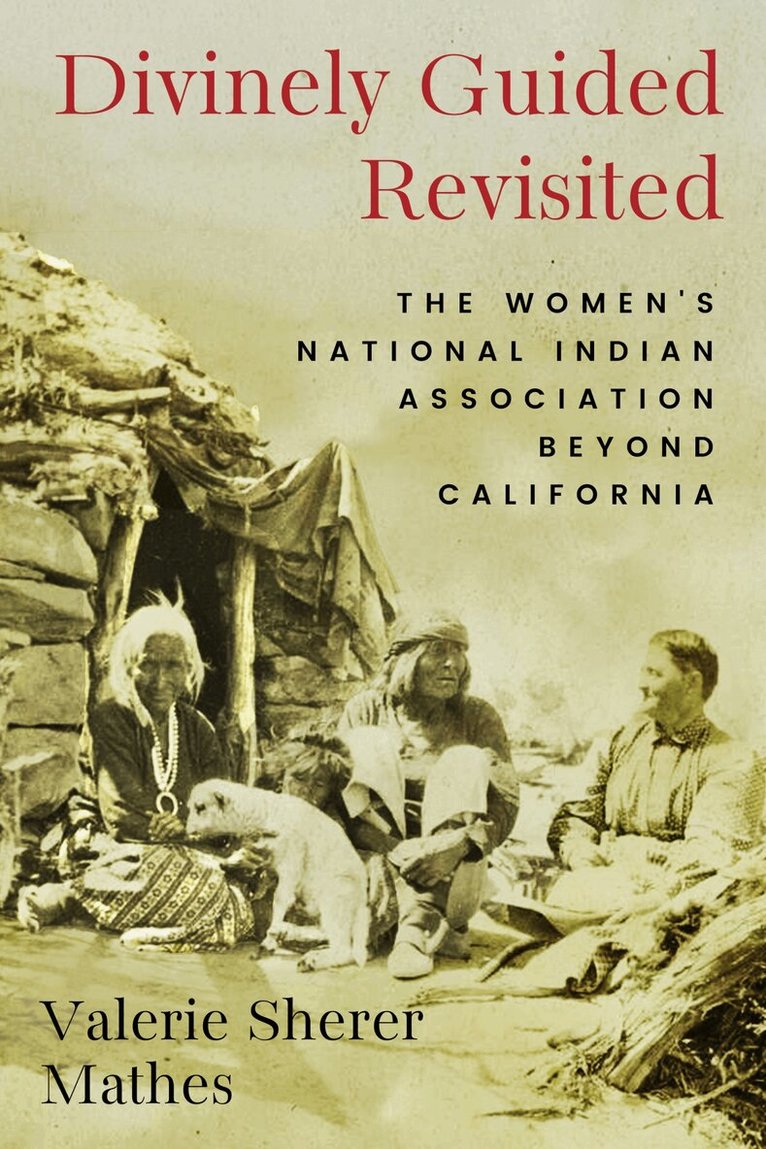
Divinely Guided Revisited
The Women's National Indian Association Beyond California
Häftad, Engelska, 2025
432 kr
Skickas inom 10-15 vardagar