Valerie Verdoodt – författare
Visar alla böcker från författaren Valerie Verdoodt. Handla med fri frakt och snabb leverans.
3 produkter
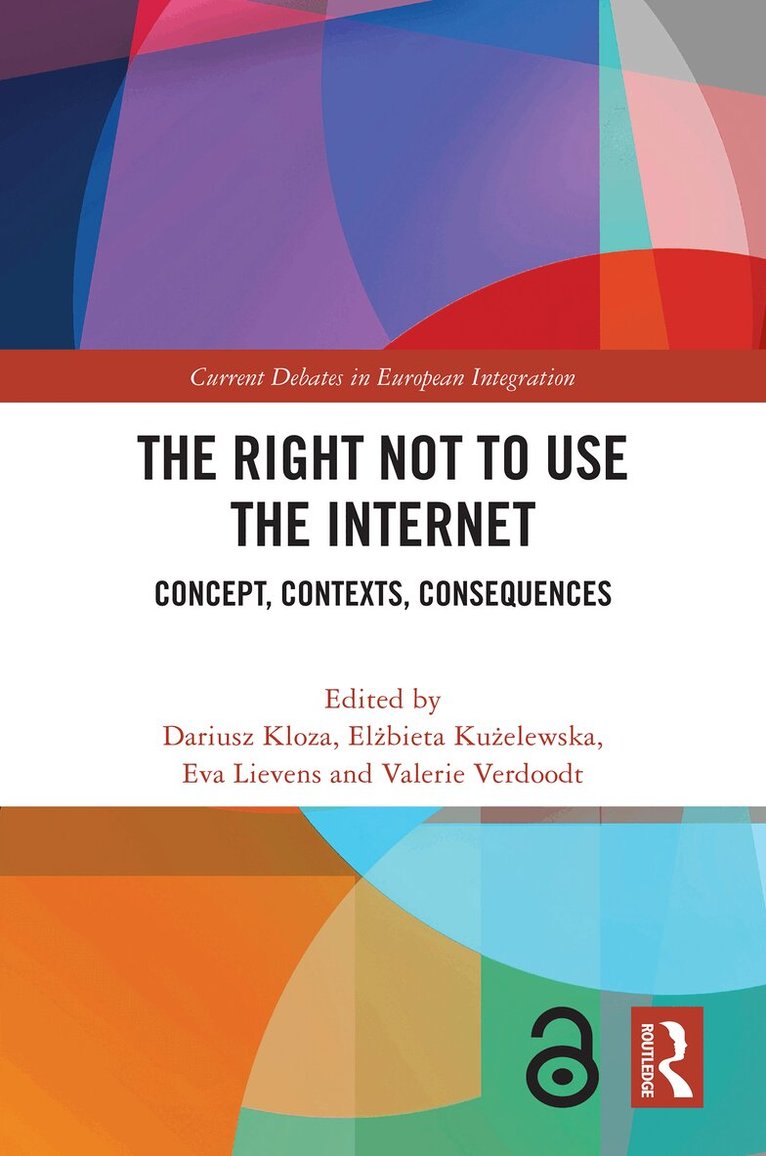
Right Not to Use the Internet
Concept, Contexts, Consequences
Av Dariusz Kloza, Elżbieta Kużelewska m. fl.
Inbunden, 2025
2510 kr
Lägg i varukorg
This pioneering collection addresses the prospective fundamental/human right not to use the Internet and the challenges that the non- use of the Internet poses for democracy.As the Internet has increasingly ceased to be a mere option and rather turned into a de facto obligation for anyone who …
Right Not to Use the Internet
Concept, Contexts, Consequences
Av Dariusz Kloza, Elżbieta Kużelewska m. fl.
Häftad, 2026
649 kr
Lägg i varukorg
This pioneering collection addresses the prospective fundamental/human right not to use the Internet and the challenges that the non- use of the Internet poses for democracy.As the Internet has increasingly ceased to be a mere option and rather turned into a de facto obligation for anyone who …
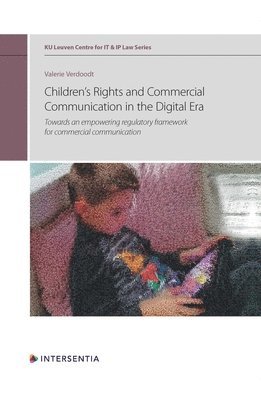
Children's Rights and Commercial Communication in the Digital Era, Volume 10
Towards an Empowering Regulatory Framework for Commercial Communication
Inbunden, 2020
1018 kr
Lägg i varukorg
On 20 November 2019 the United Nations Convention on the Rights of the Child celebrates its 30th anniversary. In 1989, when the Convention was adopted, children came across advertising on television, on billboards in the street, in shops and through leaflets in their mailbox. Over the past 30 …