Valesca Lima – författare
Visar alla böcker från författaren Valesca Lima. Handla med fri frakt och snabb leverans.
6 produkter
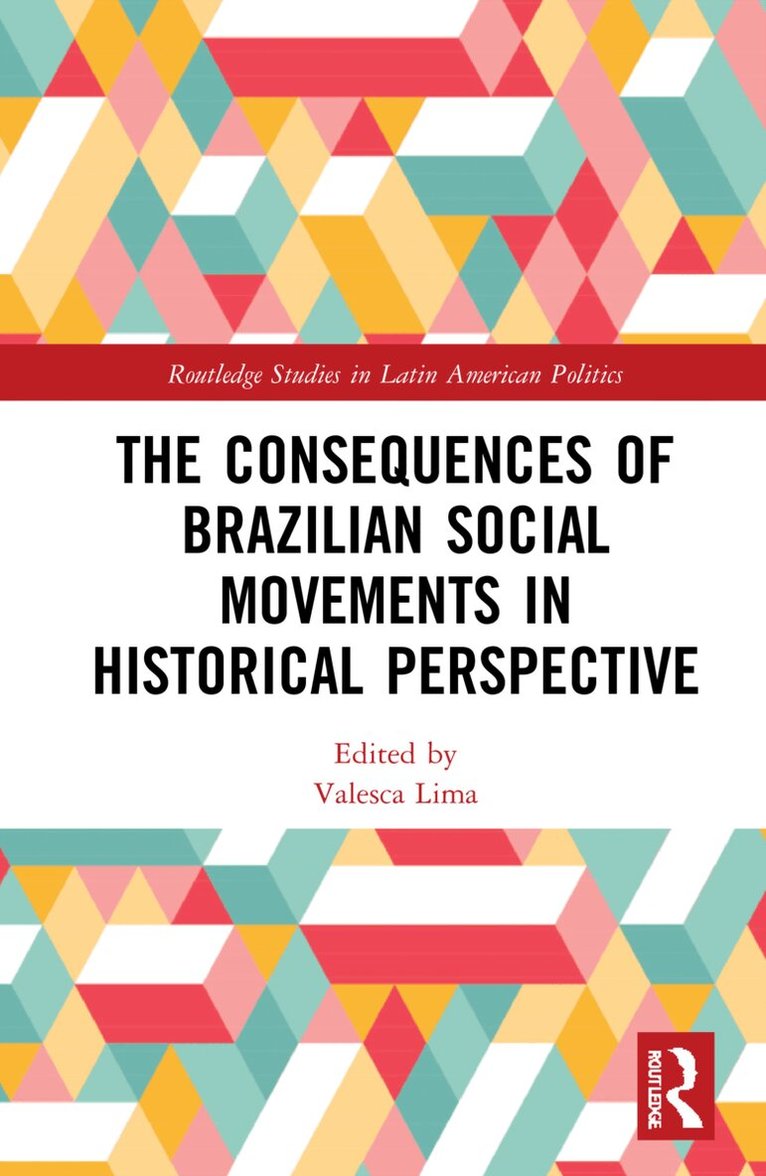
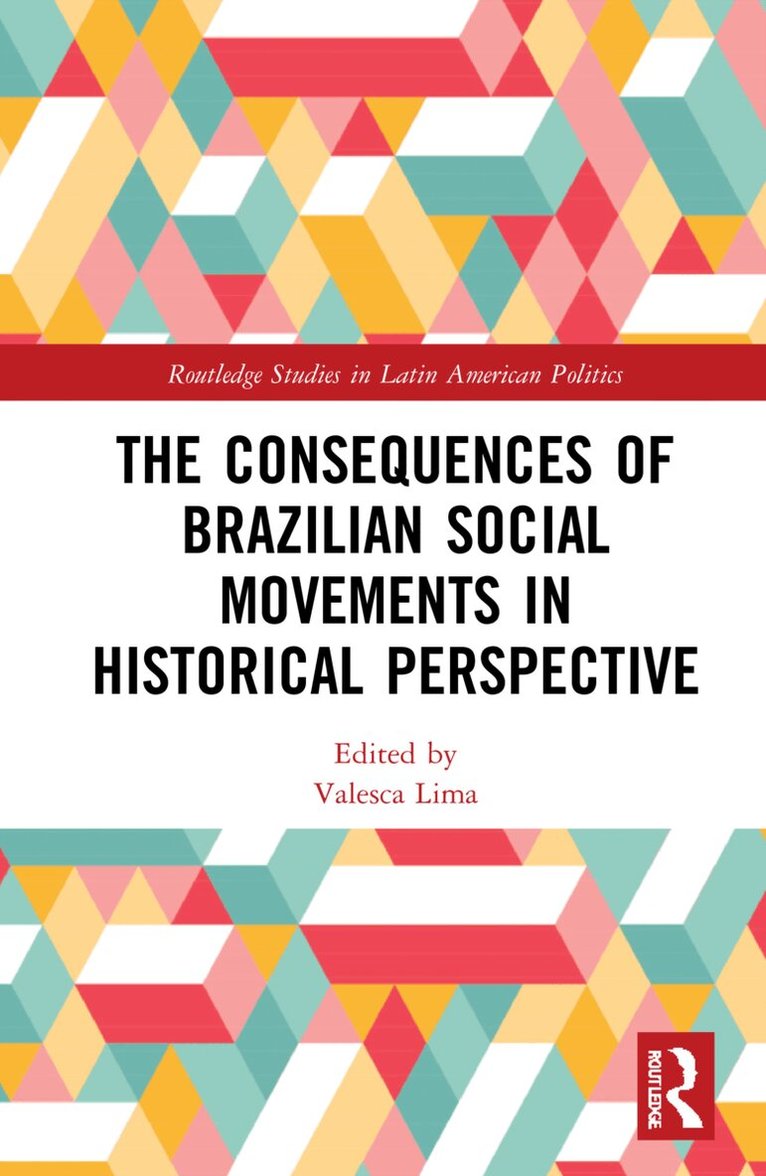
Consequences of Brazilian Social Movements in Historical Perspective
Av Valesca Lima, Rafaela N. Pannain m. fl.
Inbunden, 2022
2578 kr
Lägg i varukorg
This book sheds light on the outcomes of social movements in Brazil. It provides an extensive analysis of how and when collective mobilization and protest activities brought about social and political change.Charting the dynamics and characteristics of Brazil’s social movements from the abolition …
Consequences of Brazilian Social Movements in Historical Perspective
Av Valesca Lima, Rafaela N. Pannain m. fl.
Häftad, 2024
646 kr
Lägg i varukorg
This book sheds light on the outcomes of social movements in Brazil. It provides an extensive analysis of how and when collective mobilization and protest activities brought about social and political change.Charting the dynamics and characteristics of Brazil’s social movements from the abolition …
Consequences of Brazilian Social Movements in Historical Perspective
Av Gabriela Pereira Martins, Rafaela N. Pannain m. fl.
E-bok, 2022
785 kr
Lägg i varukorg
This book sheds light on the outcomes of social movements in Brazil. It provides an extensive analysis of how and when collective mobilization and protest activities brought about social and political change. Charting the dynamics and characteristics of Brazil’s social movements from the abolition …
Consequences of Brazilian Social Movements in Historical Perspective
Av Gabriela Pereira Martins, Rafaela N. Pannain m. fl.
E-bok, 2022
785 kr
Lägg i varukorg
This book sheds light on the outcomes of social movements in Brazil. It provides an extensive analysis of how and when collective mobilization and protest activities brought about social and political change. Charting the dynamics and characteristics of Brazil’s social movements from the abolition …
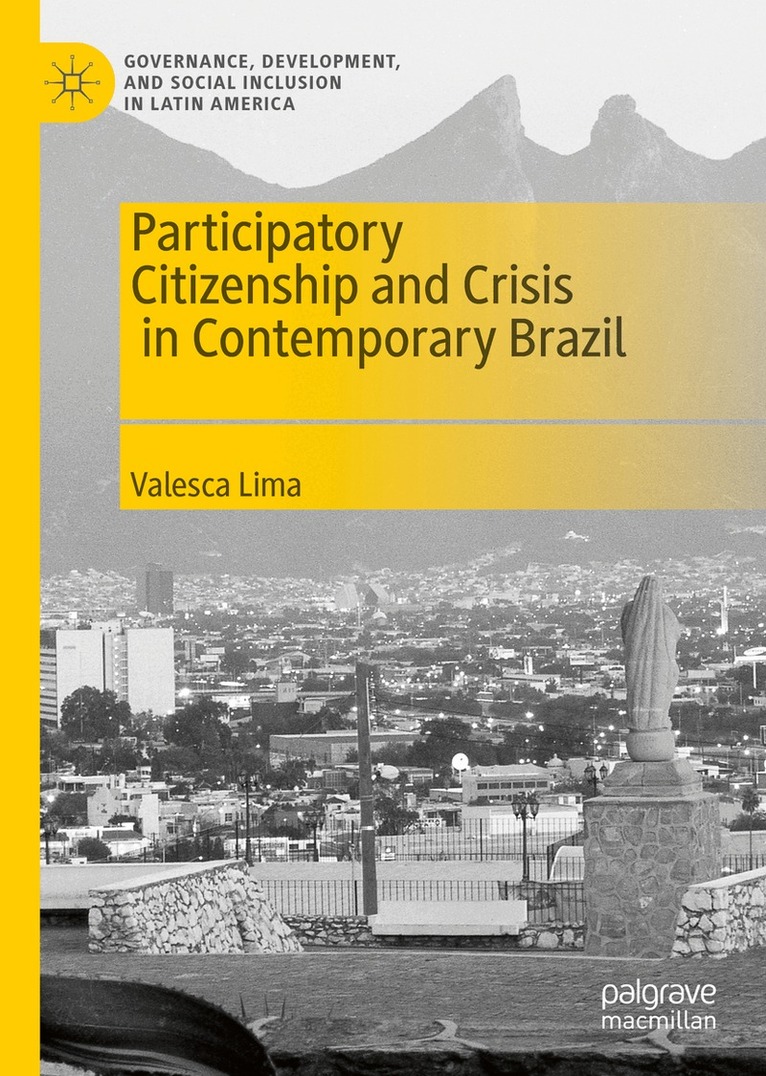
Participatory Citizenship and Crisis in Contemporary Brazil
Av Valesca Lima
Inbunden, 2019
605 kr
Lägg i varukorg
This book discusses the issues of citizen rights, governance and political crisis in Brazil. The project has a focus on “citizenship in times of crisis,” i.e., seeking to understand how citizenship rights have changed since the Brazilian political and economic crisis that started in 2014. Building …
Participatory Citizenship and Crisis in Contemporary Brazil
Av Valesca Lima
E-bok, 2019
797 kr
Lägg i varukorg
This book discusses the issues of citizen rights, governance and political crisis in Brazil. The project has a focus on “citizenship in times of crisis,” i.e., seeking to understand how citizenship rights have changed since the Brazilian political and economic crisis that started in 2014. Building …