Vamsi Vakulabharanam – författare
Visar alla böcker från författaren Vamsi Vakulabharanam. Handla med fri frakt och snabb leverans.
8 produkter
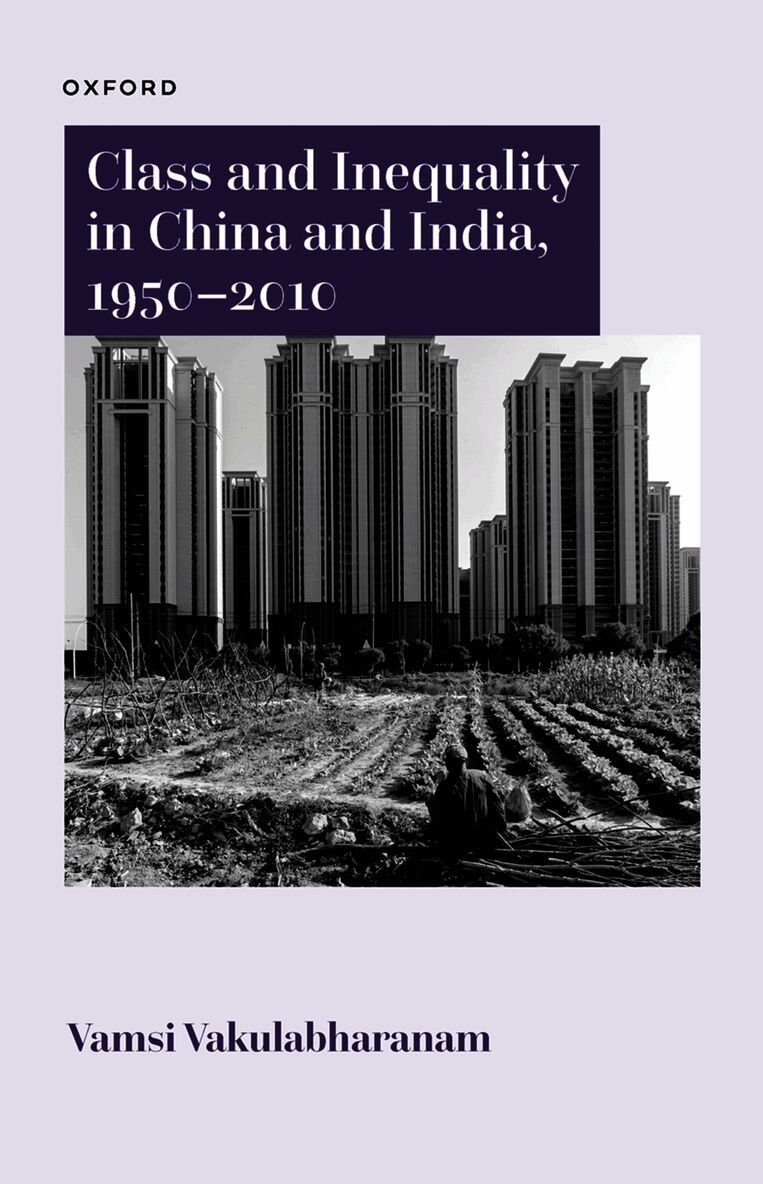
Class and Inequality in China and India, 1950–2010
Inbunden, 2024
1504 kr
Lägg i varukorg
China and India have long been central to the world economy. Two and a half centuries ago, they contributed 50 percent of the world output; after suffering a decline thereafter, their share fell to a paltry 9 percent in 1950 but has since resurged to over 25 percent today. Their growth and …
Class and Inequality in China and India, 1950-2010
E-bok, 2024
1357 kr
Lägg i varukorg
China and India have long been central to the world economy. Two and a half centuries ago, they contributed 50 percent of the world output; after suffering a decline thereafter, their share fell to a paltry 9 percent in 1950 but has since resurged to over 25 percent today. Their growth and …
Class and Inequality in China and India, 1950-2010
E-bok, 2024
1357 kr
Lägg i varukorg
China and India have long been central to the world economy. Two and a half centuries ago, they contributed 50 percent of the world output; after suffering a decline thereafter, their share fell to a paltry 9 percent in 1950 but has since resurged to over 25 percent today. Their growth and …
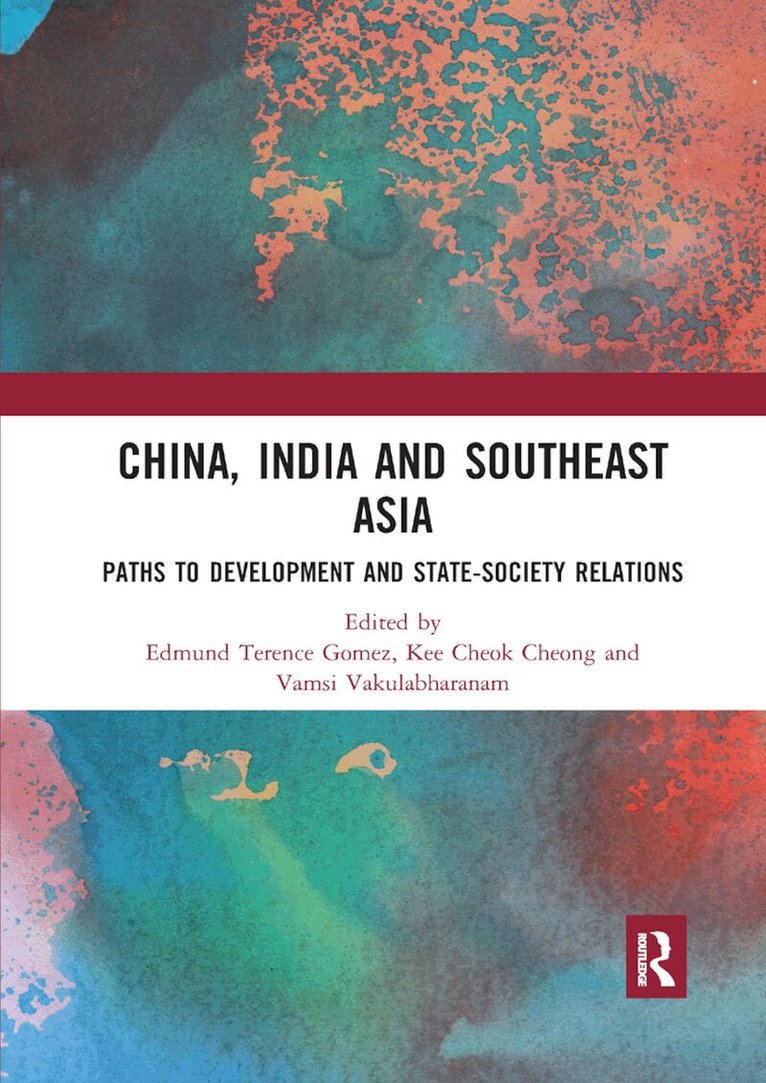
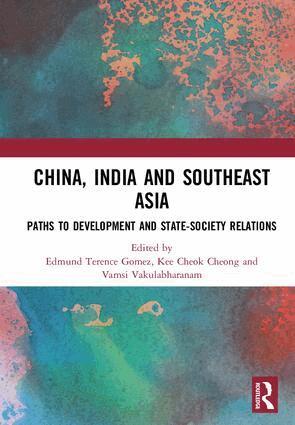
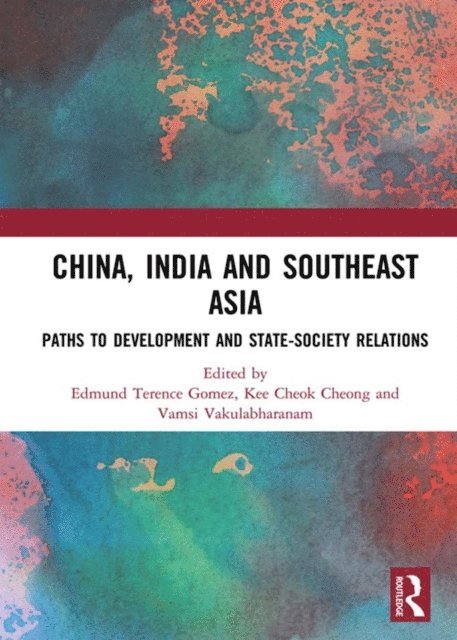
China, India and Southeast Asia
Paths to development and state-society relations
Av Edmund Terence Gomez, Kee Cheok Cheong m. fl.
Häftad, 2019
718 kr
Lägg i varukorg
This volume studies the outcomes of the two-way flow of investments and people between China and India, and Southeast Asia. These cross-border flows have led to new settlements in Southeast Asia from which new outlooks have emerged among locally born generations that have given rise to new forms of …
China, India and Southeast Asia
Paths to development and state-society relations
Av Edmund Terence Gomez, Kee Cheok Cheong m. fl.
Inbunden, 2017
2504 kr
Lägg i varukorg
This volume studies the outcomes of the two-way flow of investments and people between China and India, and Southeast Asia. These cross-border flows have led to new settlements in Southeast Asia from which new outlooks have emerged among locally born generations that have given rise to new forms of …
Wealth Inequality and Elites in the Global South
Perspectives from Brazil, India, and South Africa
Av Aroop Chatterjee, Surinder S. Jodhka m. fl.
Inbunden, 2026
2468 kr
Kommande
Wealth inequality is both extreme and persistent across much of the world, yet it remains poorly understood relative to income inequality and poverty alleviation. Bringing together original research on Brazil, India, and South Africa, this volume examines the processes through which elite groups …
China, India and Southeast Asia
Paths to development and state-society relations
Av Vamsi Vakulabharanam, Kee Cheok Cheong m. fl.
E-bok, 2018
812 kr
Lägg i varukorg
This volume studies the outcomes of the two-way flow of investments and people between China and India, and Southeast Asia. These cross-border flows have led to new settlements in Southeast Asia from which new outlooks have emerged among locally born generations that have given rise to new forms of …
China, India and Southeast Asia
Paths to development and state-society relations
Av Vamsi Vakulabharanam, Kee Cheok Cheong m. fl.
E-bok, 2018
837 kr
Lägg i varukorg
This volume studies the outcomes of the two-way flow of investments and people between China and India, and Southeast Asia. These cross-border flows have led to new settlements in Southeast Asia from which new outlooks have emerged among locally born generations that have given rise to new forms of …