Vee P. Prasher – författare
Visar alla böcker från författaren Vee P. Prasher. Handla med fri frakt och snabb leverans.
13 produkter
Neuropsychological Assessments of Dementia in Down Syndrome and Intellectual Disabilities
E-bok, 2009
1284 kr
Lägg i varukorg
Epilepsy and Intellectual Disabilities
E-bok, 2008
1771 kr
Lägg i varukorg
Like many people with epilepsy and ID, John has comorbid behavior problems. This association is dealt with in detail later in the book. A clear and consistent approach to this is likely to offer much to John in terms of his quality of life. Other psychosocial concerns will need addressing. …
Alzheimer's Disease and Dementia in Down Syndrome and Intellectual Disabilities
Häftad, 1997
849 kr
Lägg i varukorg
Comprehensive health services cannot be planned on the basis of 7.000 people - the average list size of a fundholding practice. Services such as casualty and kidney transplantation must be planned on populations of hundreds of thousands. GP commissioning has developed from the spontaneous reaction …
Physical Health of Adults with Intellectual and Developmental Disabilities
Av Vee P. Prasher, Matthew P. Janicki
Häftad, 2019
1243 kr
Lägg i varukorg
This fully revised and expanded second edition brings together findings from research and clinical practice, with comprehensive coverage of the important aspects of physical health in persons with intellectual disability. Professionals involved in the medical and social care and support of persons …
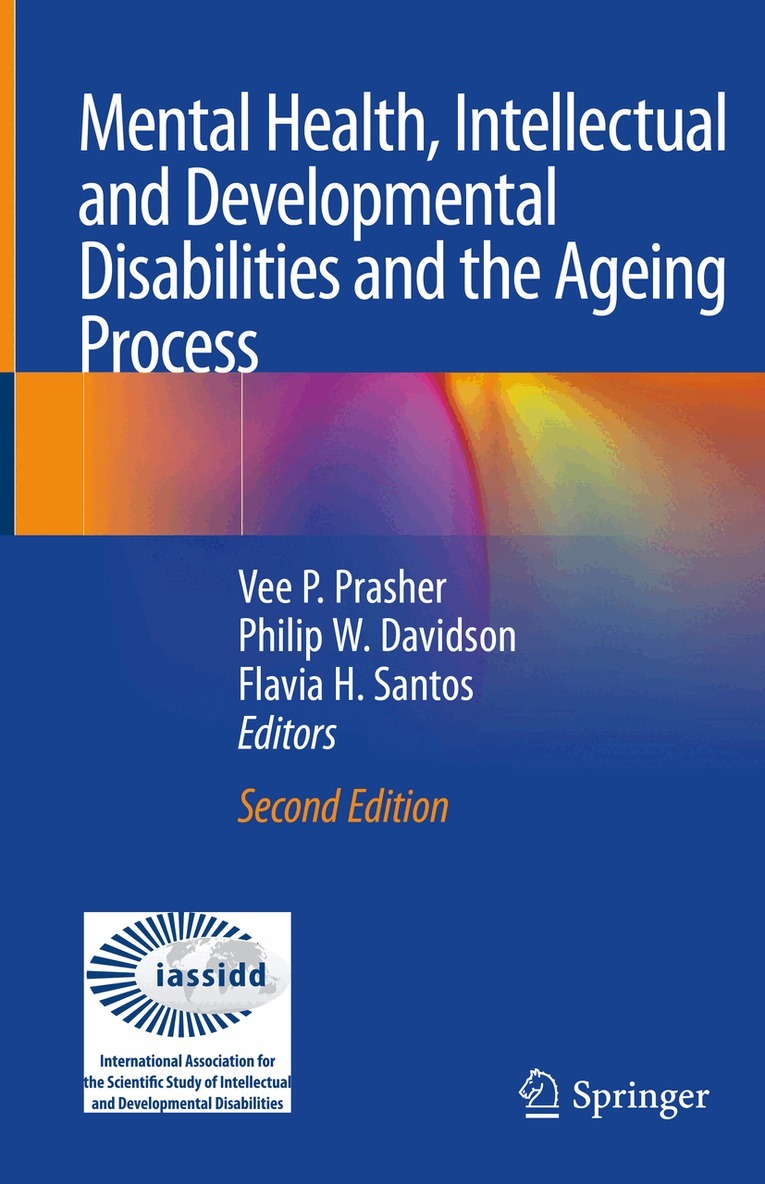
Mental Health, Intellectual and Developmental Disabilities and the Ageing Process
Av Vee P. Prasher, Philip W. Davidson m. fl.
Inbunden, 2020
1805 kr
Lägg i varukorg
This book brings together findings from research and clinical practice, with comprehensive coverage of the important aspects of mental health in ageing persons with intellectual and developmental disabilities. It is crucial for professionals involved in the care of persons with all intellectual and …
Mental Health, Intellectual and Developmental Disabilities and the Ageing Process
Av Flavia H. Santos, Philip W. Davidson m. fl.
E-bok, 2020
1670 kr
Lägg i varukorg
This book brings together findings from research and clinical practice, with comprehensive coverage of the important aspects of mental health in ageing persons with intellectual and developmental disabilities. It is crucial for professionals involved in the care of persons with all intellectual and …
Mental Health, Intellectual and Developmental Disabilities and the Ageing Process
Av Vee P. Prasher, Philip W. Davidson m. fl.
Häftad, 2021
1299 kr
Lägg i varukorg
This book brings together findings from research and clinical practice, with comprehensive coverage of the important aspects of mental health in ageing persons with intellectual and developmental disabilities. It is crucial for professionals involved in the care of persons with all intellectual and …
Epilepsy and Intellectual Disabilities
Häftad, 2016
1355 kr
Lägg i varukorg
This second edition of a successful book provides updated clinical and research knowledge, including information on the licensing of new antiepileptic drugs. All chapters are updated to reflect present accepted practice. New chapters highlighting the importance of the genetic aspects of epilepsy, …
Epilepsy and Intellectual Disabilities
E-bok, 2016
1838 kr
Lägg i varukorg
This second edition of a successful book provides updated clinical and research knowledge, including information on the licensing of new antiepileptic drugs. All chapters are updated to reflect present accepted practice. New chapters highlighting the importance of the genetic aspects of epilepsy, …
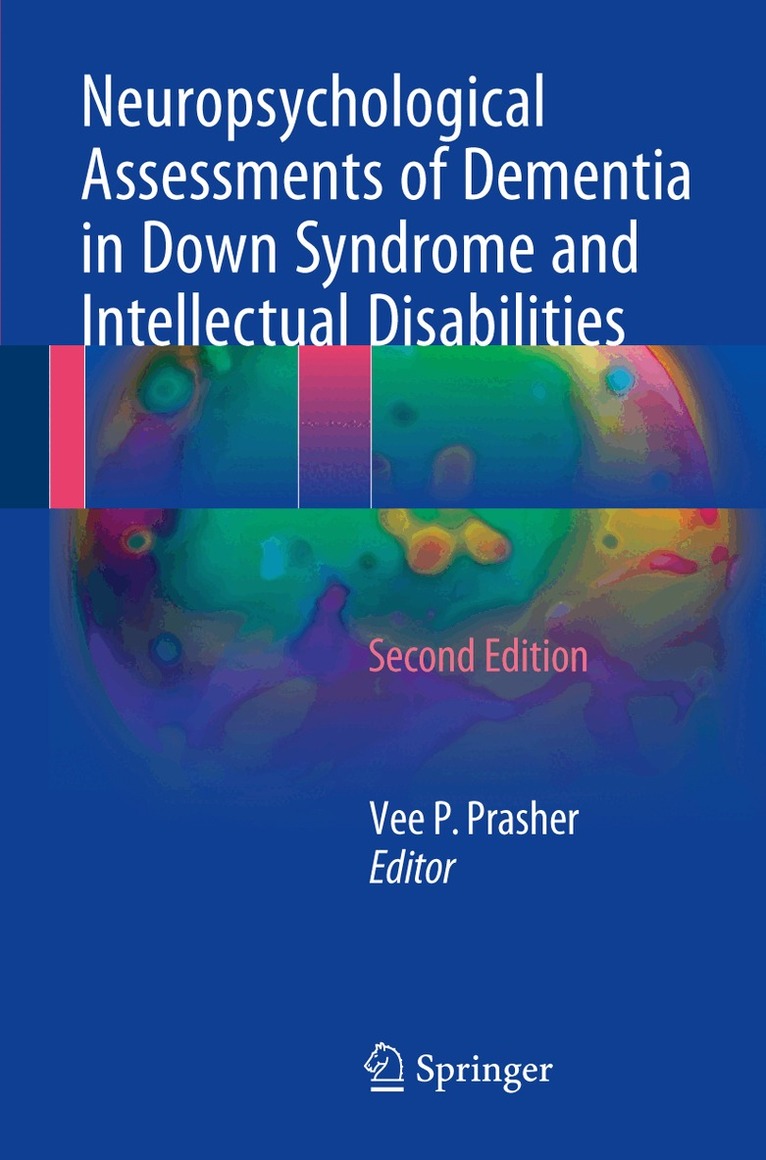
Neuropsychological Assessments of Dementia in Down Syndrome and Intellectual Disabilities
Häftad, 2017
1468 kr
Lägg i varukorg
This fully updated and expanded second edition of a successful book reviews the most important neuropsychological measures currently used in the assessment of dementia by the principal clinicians and researchers associated with the tests. Several clinicians and research workers, who have been at …
Neuropsychological Assessments of Dementia in Down Syndrome and Intellectual Disabilities
E-bok, 2017
1798 kr
Lägg i varukorg
This fully updated and expanded second edition of a successful book reviews the most important neuropsychological measures currently used in the assessment of dementia by the principal clinicians and researchers associated with the tests. Several clinicians and research workers, who have been at …
Physical Health of Adults with Intellectual and Developmental Disabilities
Av Vee P. Prasher, Matthew P. Janicki
Inbunden, 2018
1693 kr
Lägg i varukorg
This fully revised and expanded second edition brings together findings from research and clinical practice, with comprehensive coverage of the important aspects of physical health in persons with intellectual disability. Professionals involved in the medical and social care and support of persons …
Physical Health of Adults with Intellectual and Developmental Disabilities
Av Matthew P. Janicki, Vee P. Prasher
E-bok, 2018
1670 kr
Lägg i varukorg
This fully revised and expanded second edition brings together findings from research and clinical practice, with comprehensive coverage of the important aspects of physical health in persons with intellectual disability. Professionals involved in the medical and social care and support of persons …