Veena R. Howard - Böcker
Visar alla böcker från författaren Veena R. Howard. Handla med fri frakt och snabb leverans.
7 produkter
7 produkter
328 kr
Skickas inom 10-15 vardagar
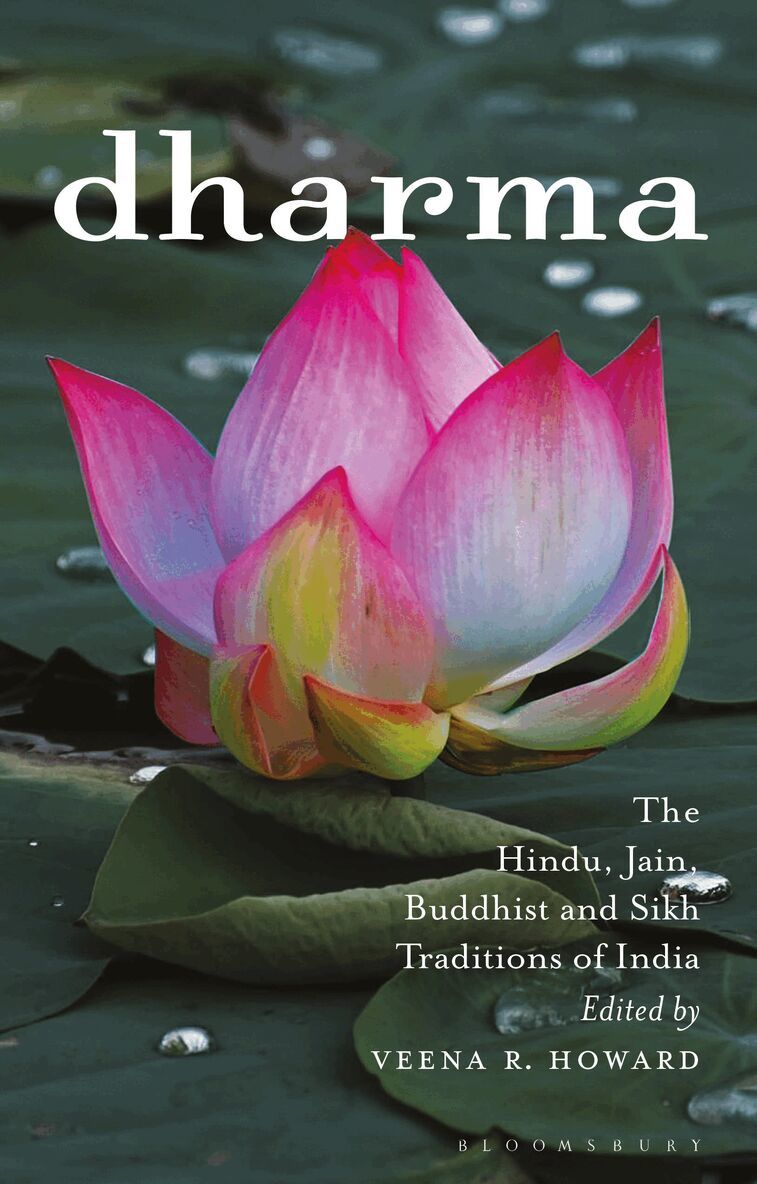
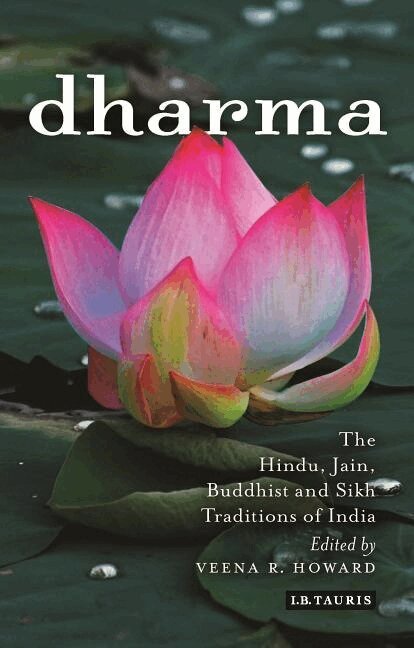
Dharma is central to all the major religious traditions which originated on the Indian subcontinent. Such is its importance that these traditions cannot adequately be understood apart from it. Often translated as "ethics," "religion," "law," or "social order," dharma possesses elements of each of these but is not confined to any single category familiar to Western thought. Neither is it the straightforward equivalent of what many in the West might usually consider to be "a philosophy". This much-needed analysis of the history and heritage of dharma shows that it is instead a multi-faceted religious force, or paradigm, that has defined and that continues to shape the different cultures and civilizations of South Asia in a whole multitude of forms, organizing many aspects of life. Experts in the fields of Hindu, Jain, Buddhist and Sikh studies here bring fresh insights to dharma in terms both of its distinctiveness and its commonality as these are expressed across, and between, the several religions of the subcontinent. Exploring ethics, practice, history and social and gender issues, the contributors engage critically with some prevalent and often problematic interpretations of dharma, and point to new ways of appreciating these traditions in a manner that is appropriate to and thoroughly consistent with their varied internal debates, practices and self-representations.
581 kr
Skickas inom 10-15 vardagar
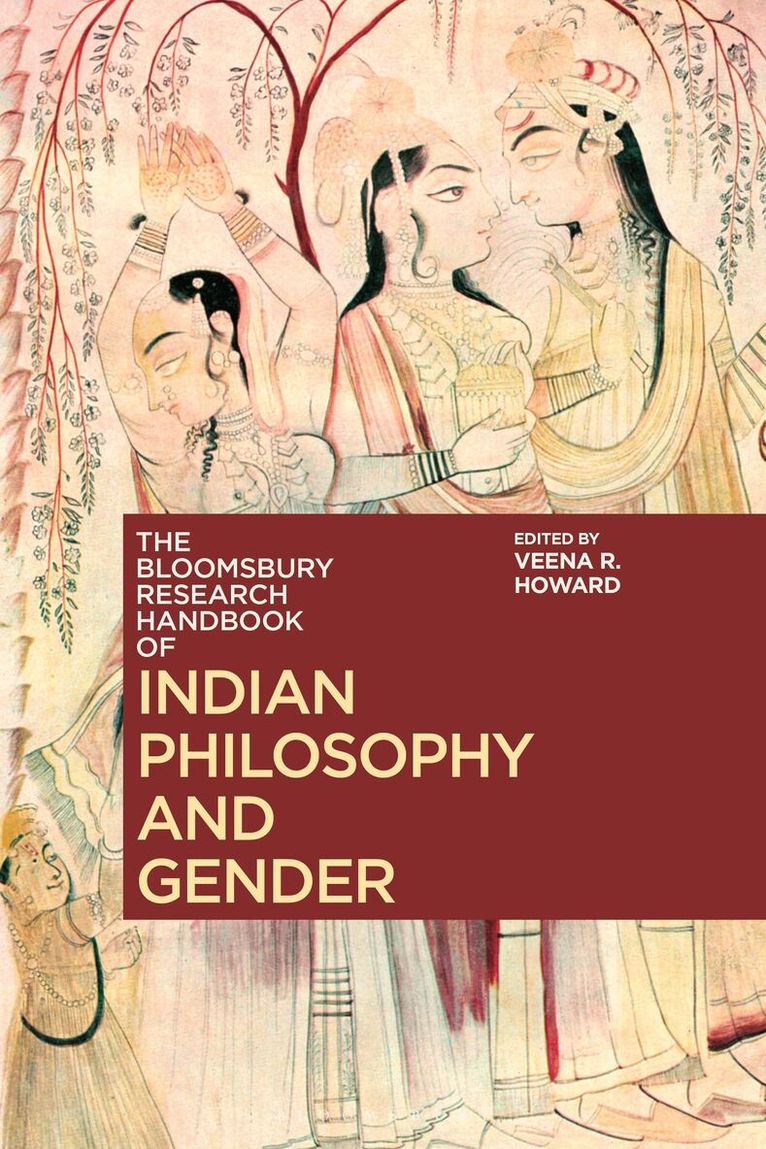
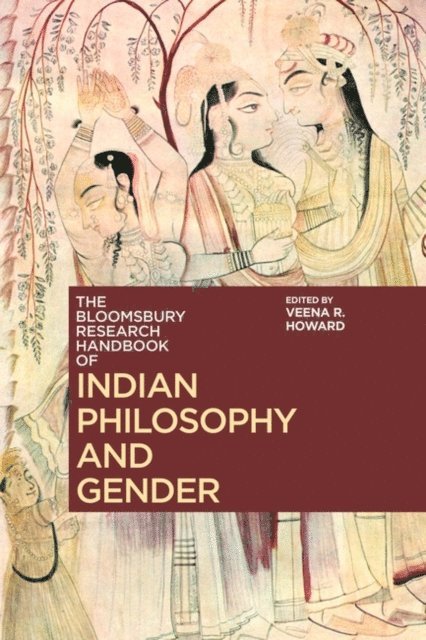
‘How do gender constructions transform religious experiences?’ ‘What is the role of bodily materiality in ethics and epistemology?’ ‘How does rethinking gender and sexuality force us to reconceptualise settled ontological frameworks?’ This collection provides the first research resource to Indian philosophical gender issues, exploring a variety of texts and traditions from Indian philosophy where the treatment of gender is dynamic and diverse.Organised around three central themes - the gender dynamics of enlightenment in the Hindu and Buddhist traditions; the simple binary opposition of genders in Indian traditions; the ways in which symbolic representations of gender differ from social realities in Hindu and Buddhist practice – a team of respected scholars discuss feminist readings, examinations of femininity and masculinity, as well as queer and trans identities, representations, and theories. Beginning with the Vedic tradition and ending with sections on Sri Ramakrishna and Gandhi, this wide-ranging handbook encourages fresh inquiry into classic philosophical questions. Offering critical analyses relevant to literary, cultural and religious studies, The Bloomsbury Research Handbook of Indian Philosophy and Gender opens up new ways of understanding gender and South Asian philosophy.
402 kr
Tillfälligt slut
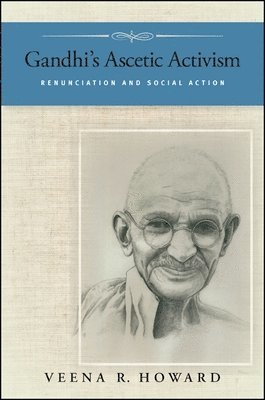
Discusses Gandhi's creative use of ascetic practice, particularly his practice of celibacy, for nonviolent activism.More than six decades after his death, Mohandas Gandhi continues to inspire those who seek political and social liberation through nonviolent means. Uniquely, Gandhi placed celibacy and other renunciatory disciplines at the center of his nonviolent political strategy, conducting original experiments with their possibilities to gain practical, moral, and even miraculous powers for social change. Gandhi's abstinence in marriage, eccentric views on sexuality, and odd ways of including his female associates in his practices continue to cause ambivalence among scholars and students. Through a comprehensive study of Gandhi's own words, select Indian religious texts and myths that he used, and the historical and cultural context of his activism, Veena R. Howard shows how Gandhi's ascetic disciplines helped him mobilize millions. She explores Gandhi's creative use of renunciation in challenging established paradigms of confrontational politics, passive asceticism, and oppressive social customs. Howard's book sheds new light on the creative possibilities Gandhi discovered in combining personal renunciation, sacrifice, ritual, and myth for modern day social action.
1 057 kr
Tillfälligt slut
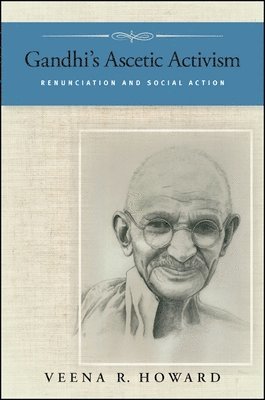
Discusses Gandhi's creative use of ascetic practice, particularly his practice of celibacy, for nonviolent activism.More than six decades after his death, Mohandas Gandhi continues to inspire those who seek political and social liberation through nonviolent means. Uniquely, Gandhi placed celibacy and other renunciatory disciplines at the center of his nonviolent political strategy, conducting original experiments with their possibilities to gain practical, moral, and even miraculous powers for social change. Gandhi's abstinence in marriage, eccentric views on sexuality, and odd ways of including his female associates in his practices continue to cause ambivalence among scholars and students. Through a comprehensive study of Gandhi's own words, select Indian religious texts and myths that he used, and the historical and cultural context of his activism, Veena R. Howard shows how Gandhi's ascetic disciplines helped him mobilize millions. She explores Gandhi's creative use of renunciation in challenging established paradigms of confrontational politics, passive asceticism, and oppressive social customs. Howard's book sheds new light on the creative possibilities Gandhi discovered in combining personal renunciation, sacrifice, ritual, and myth for modern day social action.
2 225 kr
Skickas inom 10-15 vardagar
‘How do gender constructions transform religious experiences?’ ‘What is the role of bodily materiality in ethics and epistemology?’ ‘How does rethinking gender and sexuality force us to reconceptualise settled ontological frameworks?’ This collection provides the first research resource to Indian philosophical gender issues, exploring a variety of texts and traditions from Indian philosophy where the treatment of gender is dynamic and diverse.Organised around three central themes - the gender dynamics of enlightenment in the Hindu and Buddhist traditions; the simple binary opposition of genders in Indian traditions; the ways in which symbolic representations of gender differ from social realities in Hindu and Buddhist practice – a team of respected scholars discuss feminist readings, examinations of femininity and masculinity, as well as queer and trans identities, representations, and theories. Beginning with the Vedic tradition and ending with sections on Sri Ramakrishna and Gandhi, this wide-ranging handbook encourages fresh inquiry into classic philosophical questions. Offering critical analyses relevant to literary, cultural and religious studies, The Bloomsbury Research Handbook of Indian Philosophy and Gender opens up new ways of understanding gender and South Asian philosophy.
1 343 kr
Skickas inom 10-15 vardagar
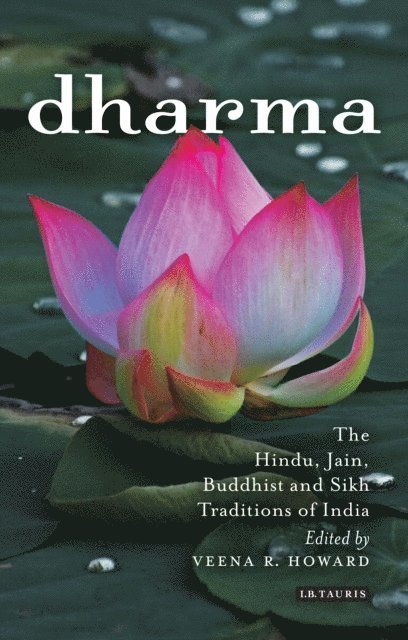
Dharma is central to all the major religious traditions which originated on the Indian subcontinent. Such is its importance that these traditions cannot adequately be understood apart from it. Often translated as "ethics," "religion," "law," or "social order," dharma possesses elements of each of these but is not confined to any single category familiar to Western thought. Neither is it the straightforward equivalent of what many in the West might usually consider to be "a philosophy". This much-needed analysis of the history and heritage of dharma shows that it is instead a multi-faceted religious force, or paradigm, that has defined and that continues to shape the different cultures and civilizations of South Asia in a whole multitude of forms, organizing many aspects of life. Experts in the fields of Hindu, Jain, Buddhist and Sikh studies here bring fresh insights to dharma in terms both of its distinctiveness and its commonality as these are expressed across, and between, the several religions of the subcontinent. Exploring ethics, practice, history and social and gender issues, the contributors engage critically with some prevalent and often problematic interpretations of dharma, and point to new ways of appreciating these traditions in a manner that is appropriate to and thoroughly consistent with their varied internal debates, practices and self-representations.
1 343 kr
Skickas inom 10-15 vardagar
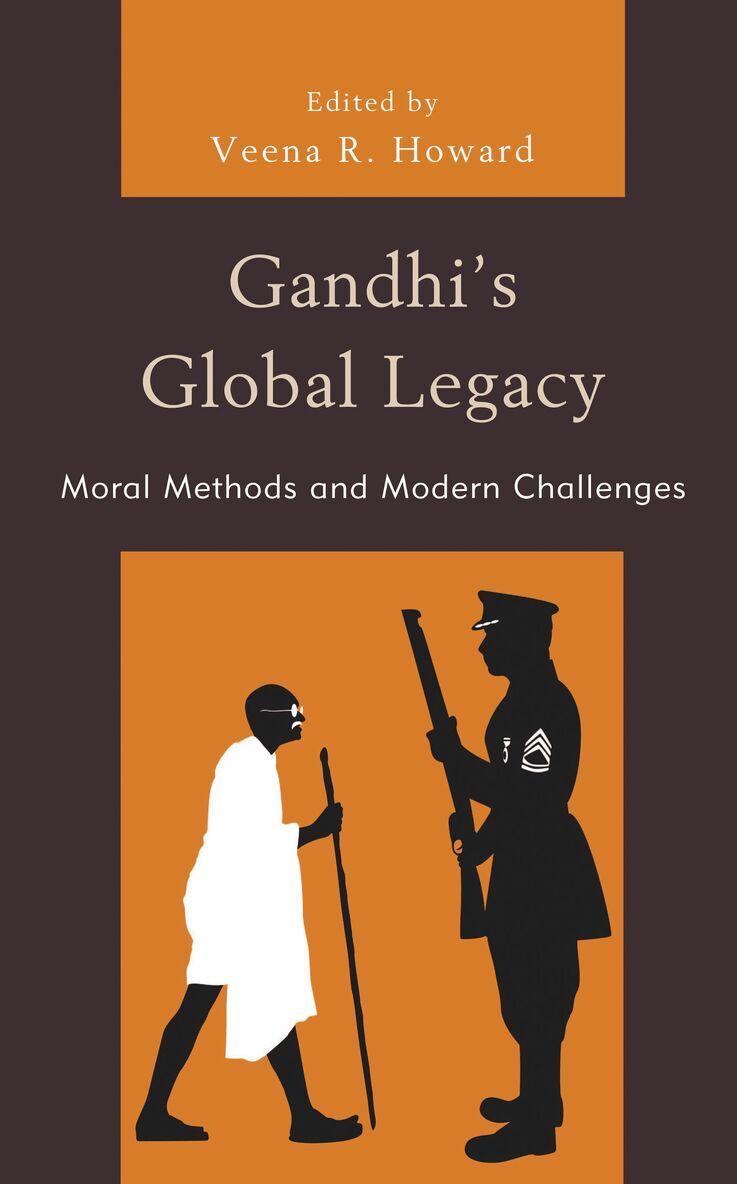
While there has been sustained interest in Gandhi’s methods and continued academic inquiry, Gandhi's Global Legacy: Moral Methods and Modern Challenges is unique in bringing together an interdisciplinary group of scholars who analyze Gandhi’s tactics, moral methods, and philosophical principles, not just in the fields of social and political activism, but in the areas of philosophy, religion, literature, economics, health, international relations, and interpersonal communication. Bringing this wide range of disciplinary backgrounds, the contributors provide fresh perspectives on Gandhi’s thought and practice as well as critical analyses of his work and its contemporary relevance. Edited by Veena R. Howard, this book reveals the need for reconstructing Gandhi’s ideas and moral methods in today’s context through a broad spectrum of crucial issues, including pacifism, health, communal living, gender dynamics, the role of anger, and peacebuilding. Gandhi’s methods have been refined and reimagined to fit different situations, but there remains a need to consider his concept of Sarvodaya (uplift of all), the importance of economic, gender, and racial equity, as well as the value of dialogue and dissenting voices in building a just society. The book points to new directions for the study of Gandhi in the globalized world.