Veikko Launis – författare
Visar alla böcker från författaren Veikko Launis. Handla med fri frakt och snabb leverans.
6 produkter
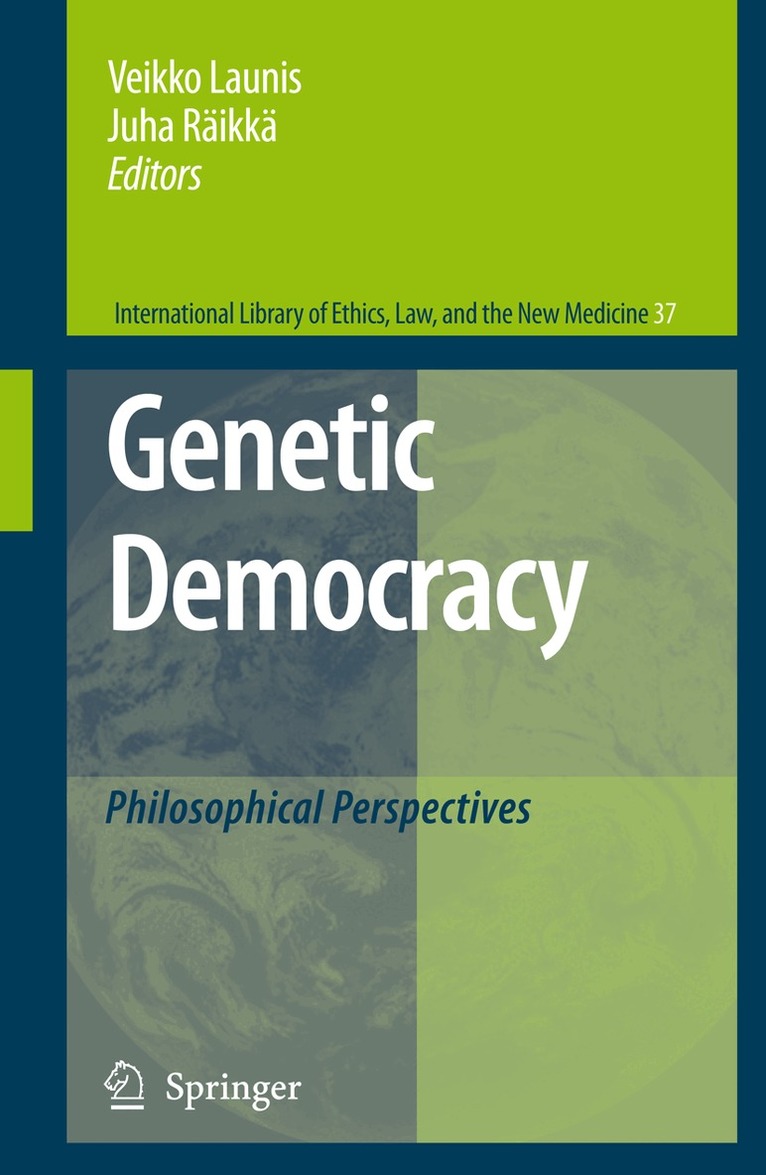
Genetic Democracy
Philosophical Perspectives
Inbunden, 2007
1697 kr
Lägg i varukorg
“Genetic Democracy” involves an in-depth analysis of the ethical, social and philosophical issues related to modern genetic research and gene technology. The aim of the book is to introduce systematic research on the social and ethical impacts of the use and development of genetically modified …
Genetic Democracy
Philosophical Perspectives
E-bok, 2007
2111 kr
Lägg i varukorg
“Genetic Democracy” involves an in-depth analysis of the ethical, social and philosophical issues related to modern genetic research and gene technology. The aim of the book is to introduce systematic research on the social and ethical impacts of the use and development of genetically modified …
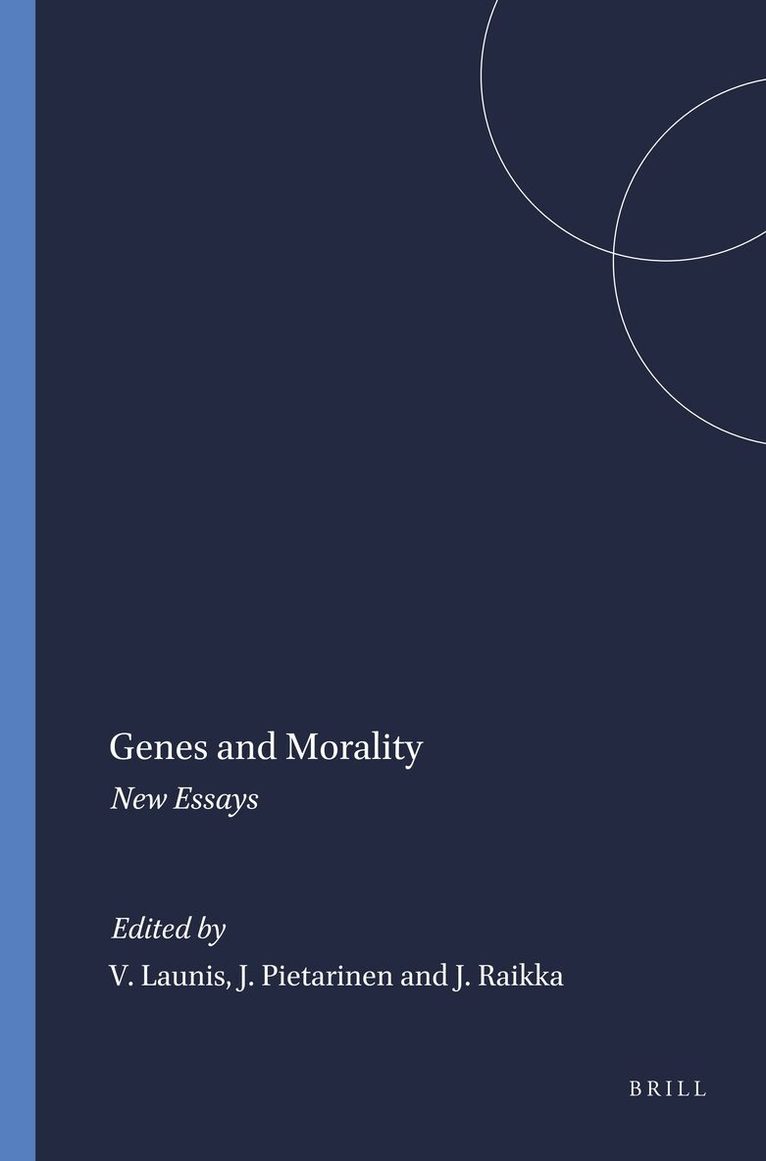
Genes and Morality
New Essays
Häftad, 1999
922 kr
Lägg i varukorg
Most public discussion has focused on those effects of genetic research that are considered in some way unwanted or unpleasant. For example, there has been much debate concerning the risks and the ethical appropriateness of genetic screening, gene therapy, and agricultural applications based on …
Genetic Democracy
Philosophical Perspectives
Häftad, 2010
1643 kr
Lägg i varukorg
“Genetic Democracy” involves an in-depth analysis of the ethical, social and philosophical issues related to modern genetic research and gene technology. The aim of the book is to introduce systematic research on the social and ethical impacts of the use and development of genetically modified …
Tutkijan eettiset valinnat
Av Risto Pelkonen, Juhani Pietarinen m. fl.
E-bok, 2019
308 kr
Lägg i varukorg
Tutkijan eettiset valinnat on odotettu, ajankohtainen teos tieteen etiikasta. Kirjassa valotetaan nykytutkimuksen arvoja ja valintoja monesta näkökulmasta: siinä tarkastellaan tieteen filosofisia ja eettisiä perusteita, tutkimuskohteen erityislaatuisuutta, tutkimuksen tekemisen etiikkaa, tutkijan …
Geeniteknologia, arvot ja vastuu
E-bok, 2019
251 kr
Lägg i varukorg
Geeniteknologian räjähdysmäinen kehitys on tehnyt ajankohtaisiksi aivan uudet eettiset kysymykset. Monet geenietiikan kysymyksistä ovat hyvin perusteltuja, kuten kysymys geenitestien tulosten soveltamisesta vakuutustoiminnassa ja työelämässä tai kysymys geenimuuntelun tarkoitusperistä. Teos on …