
Velupillai Viveka Velupillai – författare
Visar alla böcker från författaren Velupillai Viveka Velupillai. Handla med fri frakt och snabb leverans.
2 produkter
2 produkter
E-bok
PDF, Engelska, 20121 353 kr
Läs direkt efter köp
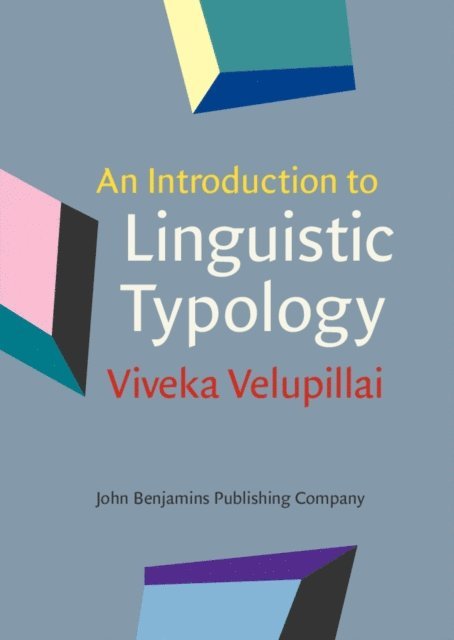
This clear and accessible introduction to linguistic typology covers all linguistic domains from phonology and morphology over parts-of-speech, the NP and the VP, to simple and complex clauses, pragmatics and language change. There is also a discussion on methodological issues in typology. This textbook is the first introduction that consistently applies the findings of the World Atlas of Language Structures, systematically includes pidgin and creole languages and devotes a section to sign languages in each chapter. All chapters contain numerous illustrative examples and specific feature maps. Keywords and exercises help review the main topics of each chapter. Appendices provide macro data for all the languages cited in the book as well as a list of web sites of typological interest. An extensive glossary gives at-a-glance definitions of the terms used in the book. This introduction is designed for students of courses with a focus on language diversity and typology, as well as typologically-oriented courses in morphology and syntax. The book will also serve as a guide for field linguists.
E-bok
PDF, Engelska, 20071 581 kr
Läs direkt efter köp
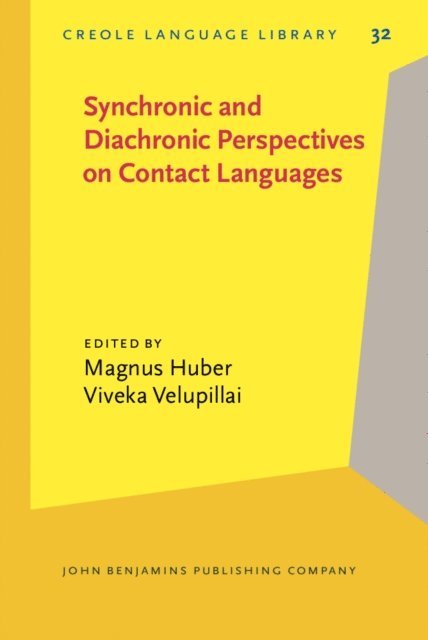
This collection of selected conference papers from three SPCL meetings brings together a cross-fertilization of approaches to the study of contact languages. The articles are grouped into three coherent sections dealing with, respectively, phonetics and phonology, including Optimality Theory; synchronic analyses of both morphology and syntax; and diachronic tracings of language change, with special focus on sound patterns as well as semantics. An added value of the volume is that most of the articles are in various ways significant for more than one linguistic subgrouping, and there is a significant overlap of interests; the sections also cover sociolinguistic subjects, give both theoretical and functional linguistic analyses of language data, and discuss issues of grammaticalization. Thus, in discussing a number of issues relevant far beyond the study of pidgin and creole languages, as well as providing a wealth of linguistic data, this volume also contributes to the broader field of linguistics in general.