Venkat Ramaswamy – författare
Visar alla böcker från författaren Venkat Ramaswamy. Handla med fri frakt och snabb leverans.
10 produkter
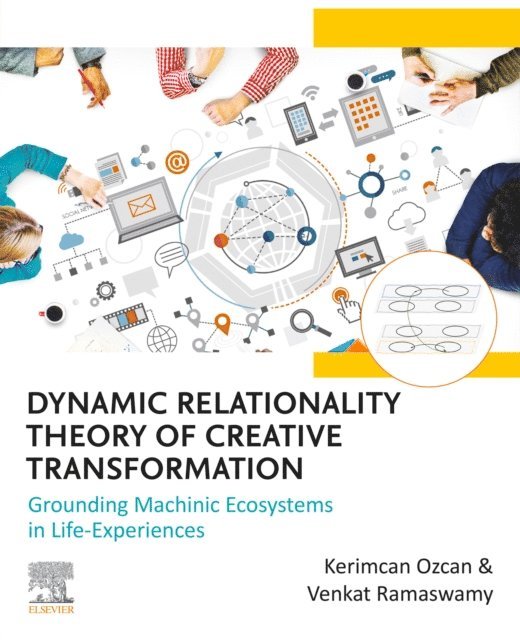
Dynamic Relationality Theory of Creative Transformation
Grounding Machinic Ecosystems in Life Experiences
Av Kerimcan Ozcan, Venkat Ramaswamy
Häftad, 2024
1316 kr
Lägg i varukorg
Dynamic Relationality Theory of Creative Transformation: Grounding Machinic Ecosystems in Life Experiences introduces a visionary approach to understanding the evolving relationship between technology and human experiences. It delves into the transformative potential of Machinic Generalized …
Dynamic Relationality Theory of Creative Transformation
Grounding Machinic Ecosystems in Life Experiences
Av Venkat Ramaswamy, Kerimcan Ozcan
E-bok, 2024
1662 kr
Lägg i varukorg
Dynamic Relationality Theory of Creative Transformation: Grounding Machinic Ecosystems in Life Experiences introduces a visionary approach to understanding the evolving relationship between technology and human experiences. It delves into the transformative potential of Machinic Generalized …
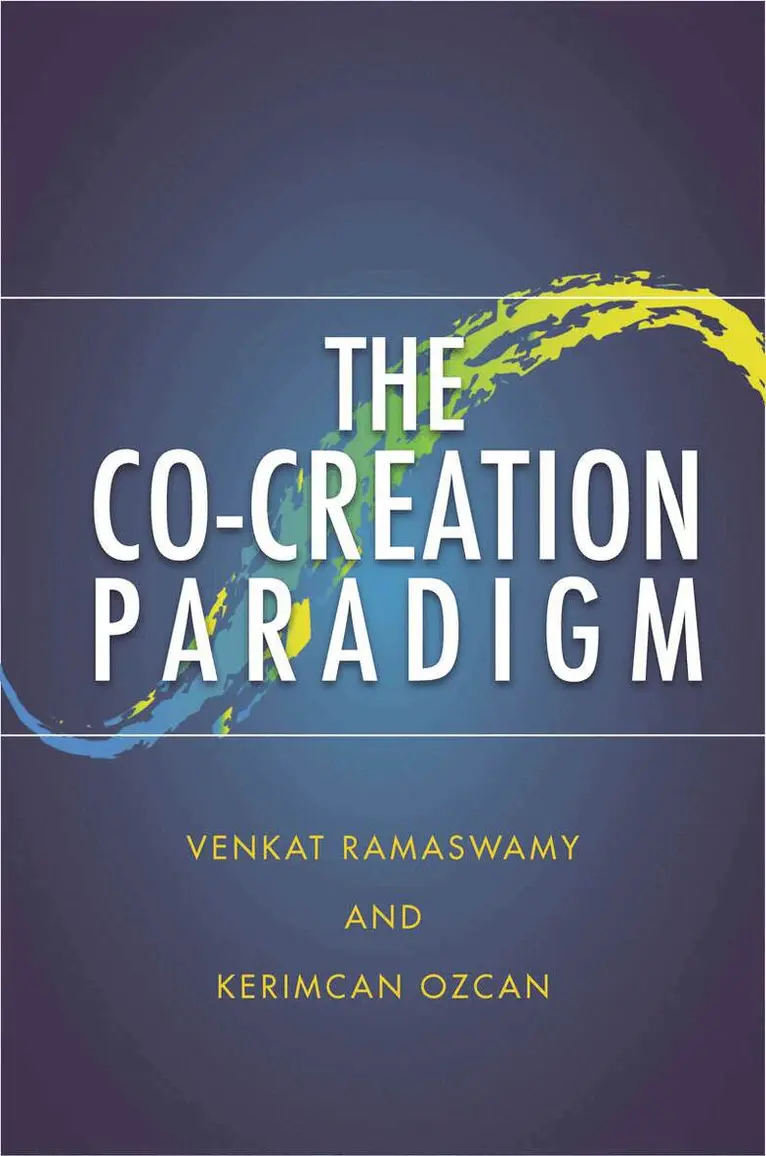
Co-Creation Paradigm
Av Venkat Ramaswamy, Kerimcan Ozcan
Inbunden, 2014
648 kr
Lägg i varukorg
A fundamental shift is underway that will change how we conceive of value. In an era of increasing interconnectedness, individuals, as opposed to institutions, stand at the center of value creation. To adapt to this tectonic shift, organizations can no longer unilaterally devise products and …
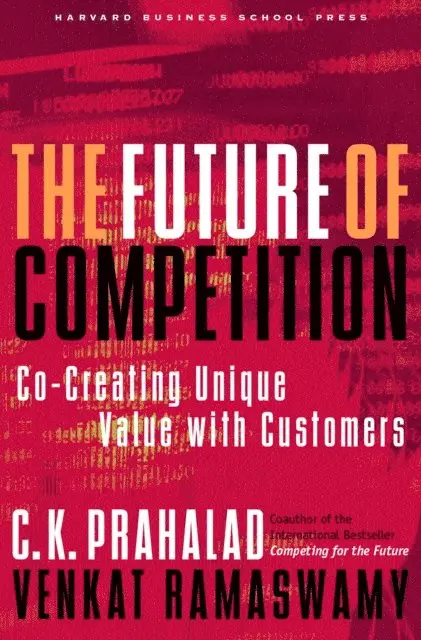
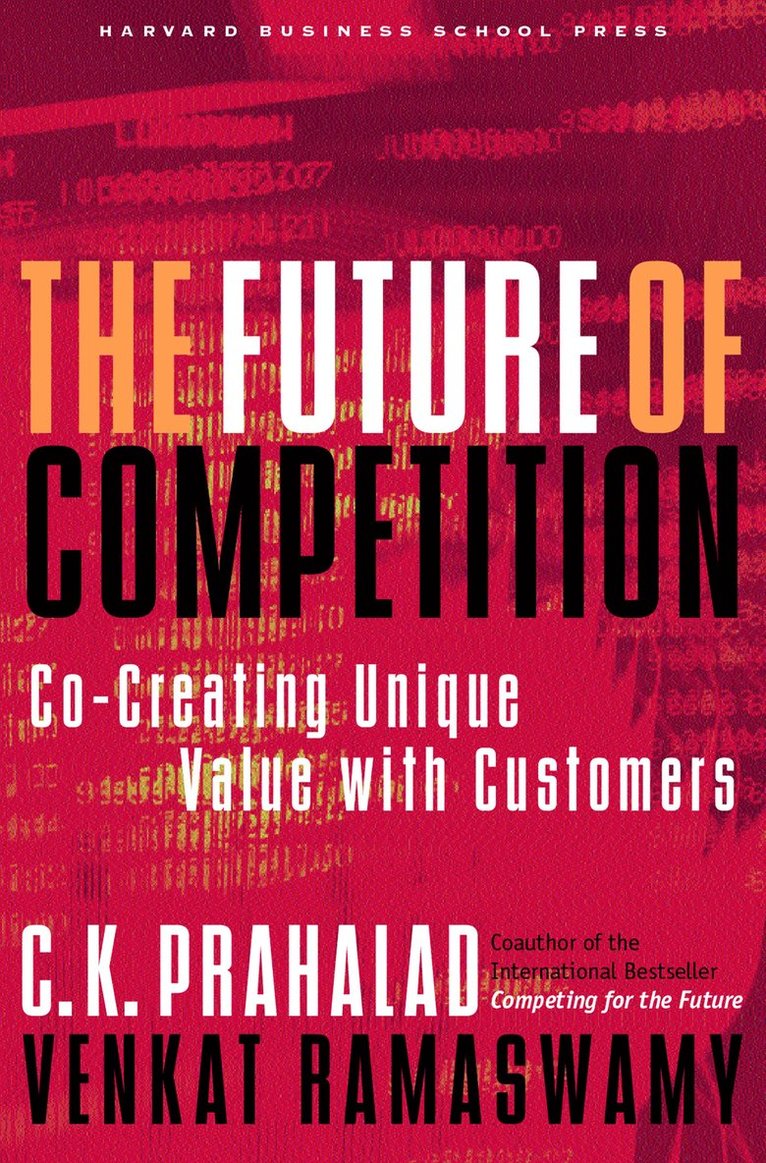
Future of Competition
Co-Creating Unique Value With Customers
Av Venkat Ramaswamy, C. K. Prahalad
E-bok, 2004
545 kr
Lägg i varukorg
In this visionary book, C. K. Prahalad and Venkat Ramaswamy explore why, despite unbounded opportunities for innovation, companies still can''t satisfy customers and sustain profitable growth. The explanation for this apparent paradox lies in recognizing the structural changes brought about by the …
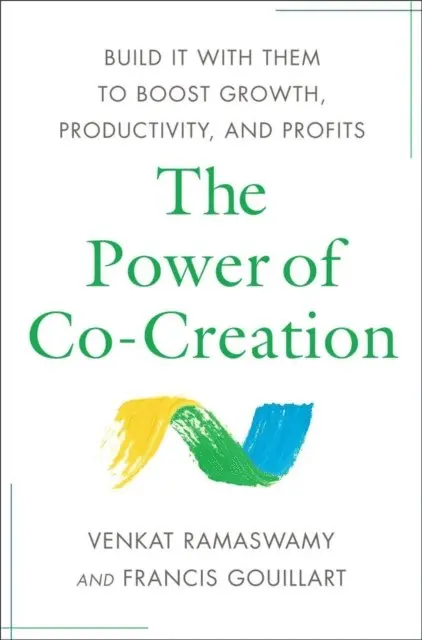
Power of Co-Creation
Build It with Them to Boost Growth, Productivity, and Profits
Av Francis J. Gouillart, Venkat Ramaswamy
E-bok, 2010
199 kr
Lägg i varukorg
Apple embraced co-creation to enhance the speed and scope of its innovation, generating over $1 billion for its App-Store partner-developers in two years, even as it overtook Microsoft in market value. Starbucks launched its online platform MyStarbucksIdea.com to tap into ideas from customers and …
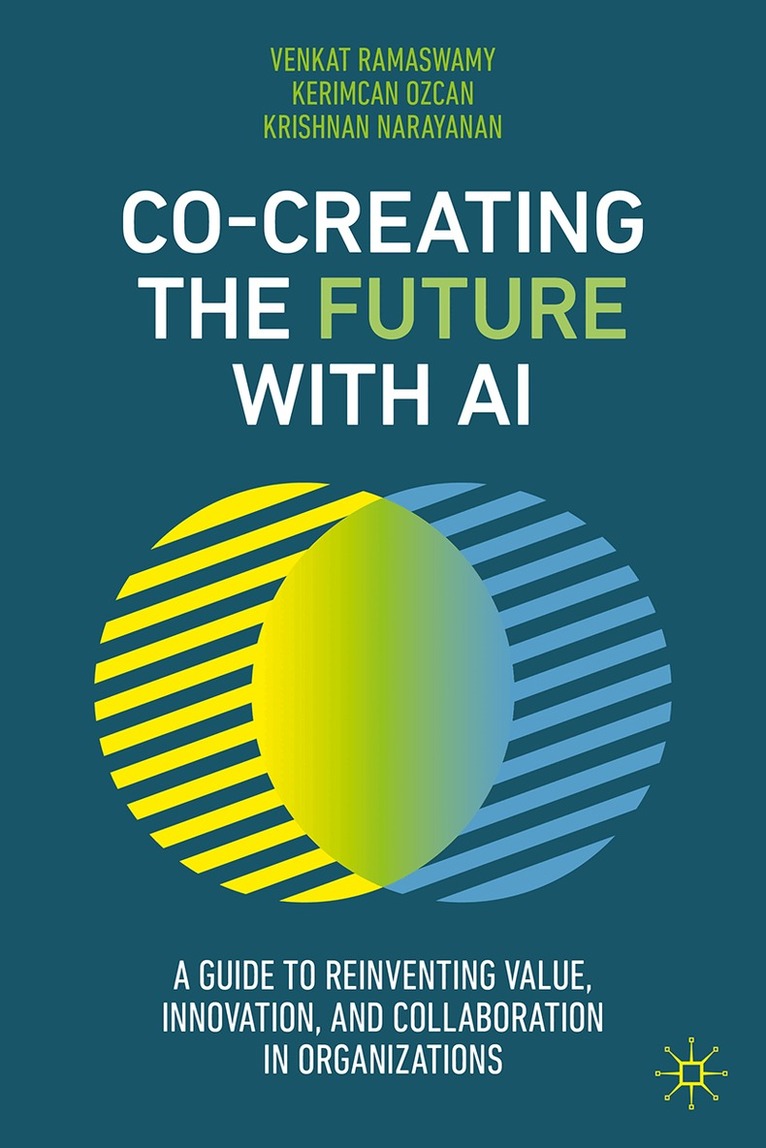
Co-Creating the Future with AI
A Guide to Reinventing Value, Innovation, and Collaboration in Organizations
Av Venkat Ramaswamy, Kerimcan Ozcan m. fl.
Inbunden, 2026
470 kr
Lägg i varukorg
This book reveals how Nextgen AI systems are revolutionizing the way businesses create value in what the authors call the Co-Intelligence revolution. Gone are the days of simply making and selling products or services. Now, humans and these AI systems combine to produce and use tokens of …
Co-Creating the Future with AI
A Guide to Reinventing Value, Innovation, and Collaboration in Organizations
Av Krishnan Narayanan, Kerimcan Ozcan m. fl.
E-bok, 2026
672 kr
Lägg i varukorg
This book reveals how Nextgen AI systems are revolutionizing the way businesses create value in what the authors call the Co-Intelligence revolution. Gone are the days of simply making and selling products or services. Now, humans and these AI systems combine to produce and use tokens of …
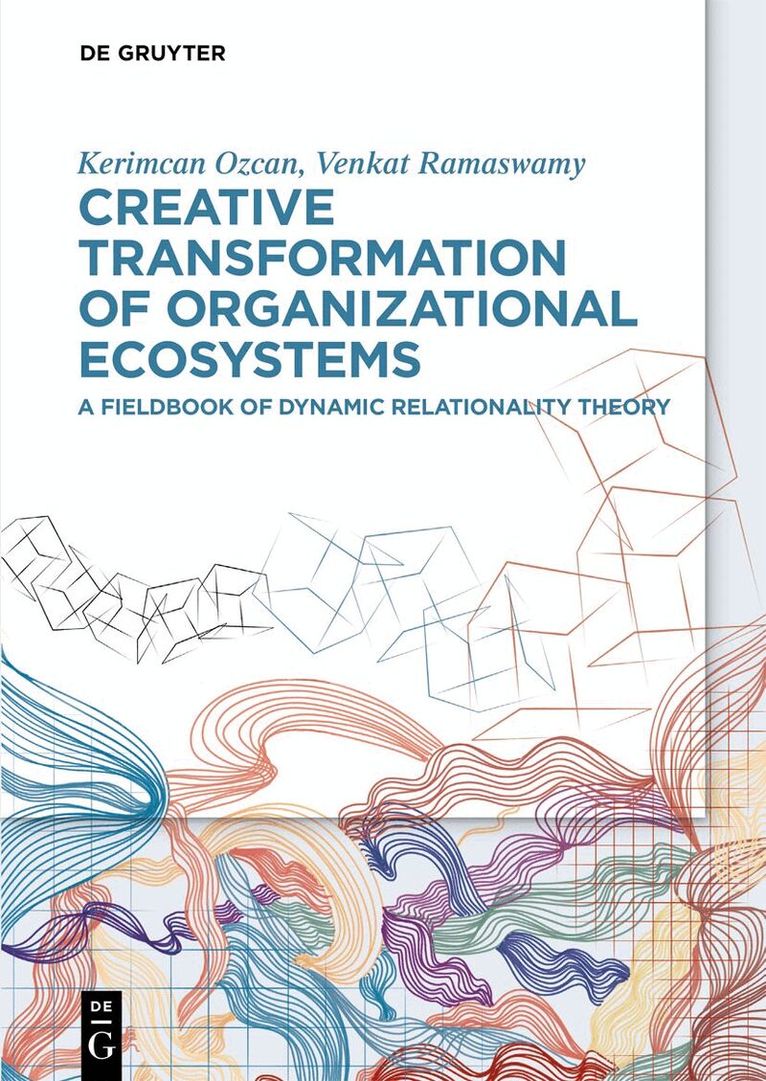
Creative Transformation of Organizational Ecosystems
A Fieldbook of Dynamic Relationality Theory
Av Kerimcan Ozcan, Venkat Ramaswamy
Inbunden, 2025
1660 kr
Lägg i varukorg
This book delves into the fusion of human experiences with artificial intelligence (AI), offering a profound understanding of Machinic Life Experience Ecosystems (MLXEs) as lived, value-producing relational worlds that drive organizational meaning and transformation. It serves as an accessible, …
Creative Transformation of Organizational Ecosystems
A Fieldbook of Dynamic Relationality Theory
Av Venkat Ramaswamy, Kerimcan Ozcan
E-bok, 2025
1703 kr
Lägg i varukorg
This book delves into the fusion of human experiences with artificial intelligence (AI), offering a profound understanding of Machinic Life Experience Ecosystems (MLXEs) as lived, value-producing relational worlds that drive organizational meaning and transformation. It serves as an accessible, …
Future of Competition
Co-Creating Unique Value With Customers
Av C. K. Prahalad, Venkat Ramaswamy
Inbunden, 2004
357 kr
Tillfälligt slut
In this visionary book, C. K. Prahalad and Venkat Ramaswamy explore why, despite unbounded opportunities for innovation, companies still can't satisfy customers and sustain profitable growth. The explanation for this apparent paradox lies in recognizing the structural changes brought about by the …