Véronique Wavre – författare
Visar alla böcker från författaren Véronique Wavre. Handla med fri frakt och snabb leverans.
6 produkter
6 produkter
Inbunden, Engelska, 2023
1 620 kr
Skickas inom 10-15 vardagar
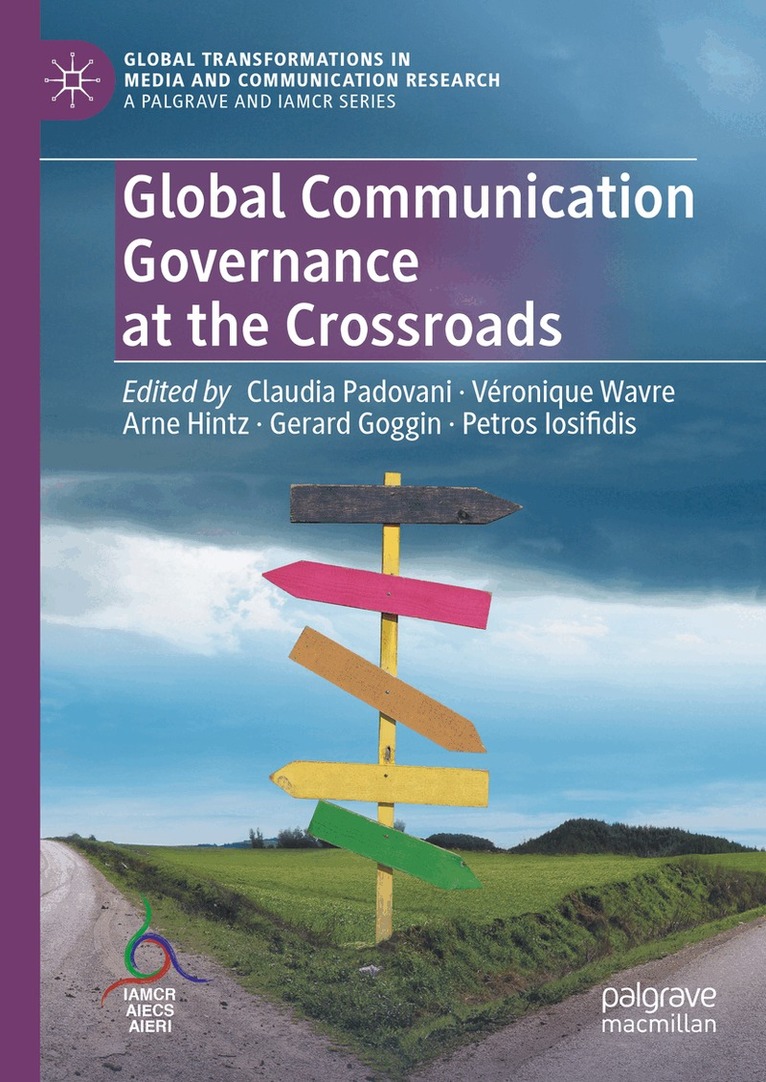
This edited volume addresses current challenges, trends and transformations in global communication governance. Exploring changes in the actors, issues, values and contexts of media and communications, it investigates the crossroads that media policy is facing and offers visions for the future. A diverse range of scholars and expert practitioners discuss what regulatory reforms and governing mechanisms are required to advance democratic participation and fundamental rights in platform societies.Organized around five sections, the volume considers the geopolitics of emerging communication orders; the changing roles of actors and stakeholders; the challenge of embedding rights and values in regulatory arrangements; the intersection of technology and policy; and the need to rethink epistemologies and methodologies for researching this field.Contributions from different disciplines and cultural backgrounds include provocative think pieces and longer analyses. All chapters are grounded in historically-aware understandings of contemporary transformations, while anticipating dynamics of our communication futures.
E-bok
Engelska, 20232 049 kr
Läs direkt efter köp
This edited volume addresses current challenges, trends and transformations in global communication governance. Exploring changes in the actors, issues, values and contexts of media and communications, it investigates the crossroads that media policy is facing and offers visions for the future. A diverse range of scholars and expert practitioners discuss what regulatory reforms and governing mechanisms are required to advance democratic participation and fundamental rights in platform societies.Organized around five sections, the volume considers the geopolitics of emerging communication orders; the changing roles of actors and stakeholders; the challenge of embedding rights and values in regulatory arrangements; the intersection of technology and policy; and the need to rethink epistemologies and methodologies for researching this field.Contributions from different disciplines and cultural backgrounds include provocative think pieces and longer analyses. All chapters are grounded in historically-aware understandings of contemporary transformations, while anticipating dynamics of our communication futures.
Häftad, Engelska, 2024
1 620 kr
Skickas inom 10-15 vardagar
This edited volume addresses current challenges, trends and transformations in global communication governance. Exploring changes in the actors, issues, values and contexts of media and communications, it investigates the crossroads that media policy is facing and offers visions for the future. A diverse range of scholars and expert practitioners discuss what regulatory reforms and governing mechanisms are required to advance democratic participation and fundamental rights in platform societies.Organized around five sections, the volume considers the geopolitics of emerging communication orders; the changing roles of actors and stakeholders; the challenge of embedding rights and values in regulatory arrangements; the intersection of technology and policy; and the need to rethink epistemologies and methodologies for researching this field.Contributions from different disciplines and cultural backgrounds include provocative think pieces and longer analyses. All chapters are grounded in historically-aware understandings of contemporary transformations, while anticipating dynamics of our communication futures.
Inbunden, Engelska, 2018
1 245 kr
Skickas inom 10-15 vardagar
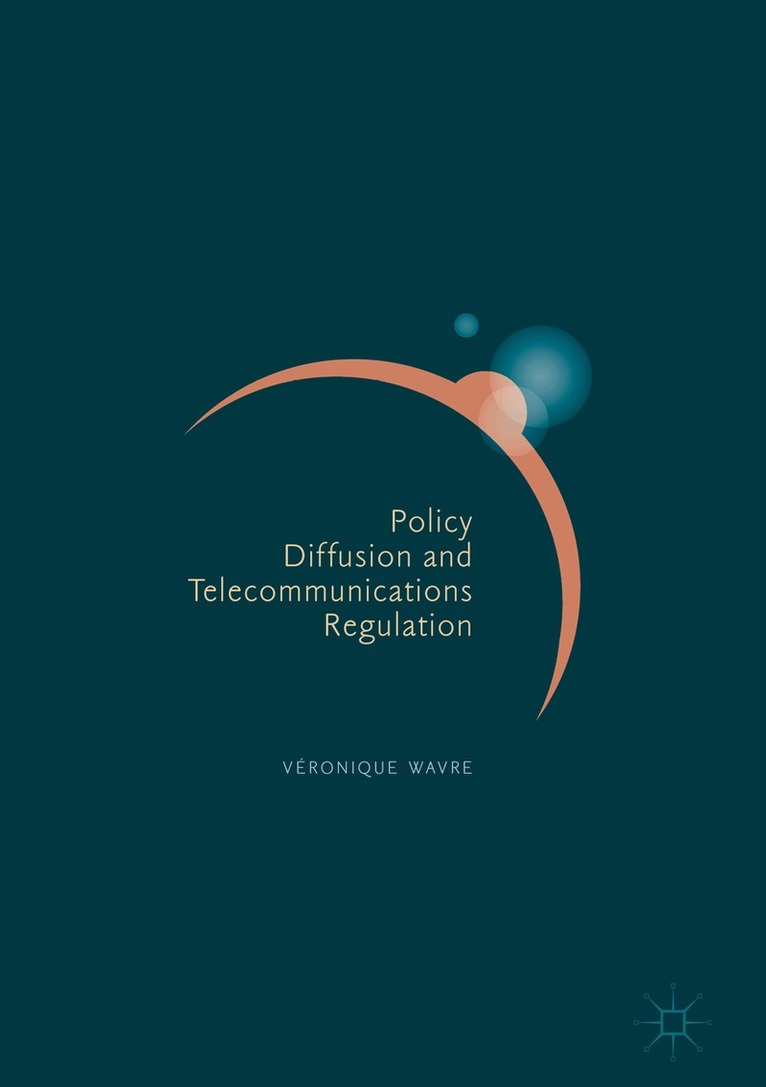
This study investigates regulatory reforms in the telecommunications sector of Middle Eastern and North African (MENA) countries. It explores telecommunications innovations in three developing economies (Morocco, Jordan and Egypt), with a focus on regional and European trends in telecommunications policies. Common knowledge suggests that the European Union and its member states are the main influential regulatory power in the MENA region. However, the empirical analysis of selected telecommunications regulations: universal service obligation (USO) and spectrum management, reveals that reforms are not always determined by European countries but may also originate from other developing countries, such as Peru and Chile. This finding attests to the rise of regulatory influence from the Global South, which challenges traditional transfers of regulations originating from more industrially advanced countries.
E-bok
Engelska, 20181 575 kr
Läs direkt efter köp
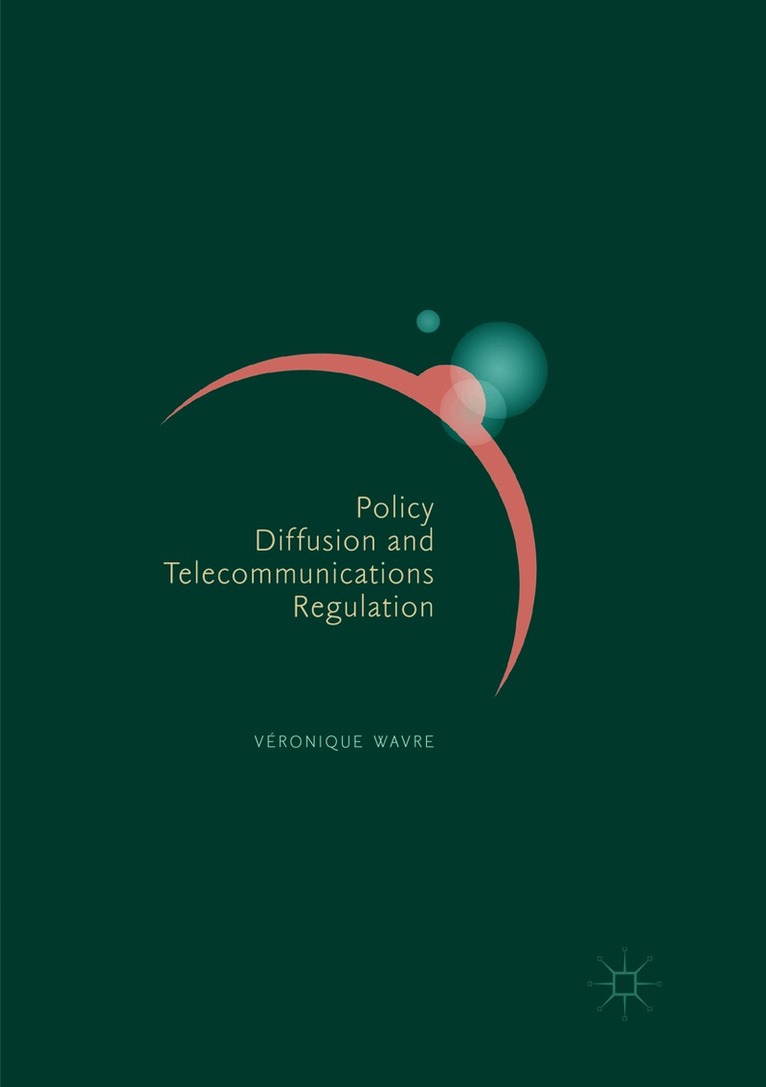
This study investigates regulatory reforms in the telecommunications sector of Middle Eastern and North African (MENA) countries. It explores telecommunications innovations in three developing economies (Morocco, Jordan and Egypt), with a focus on regional and European trends in telecommunications policies. Common knowledge suggests that the European Union and its member states are the main influential regulatory power in the MENA region. However, the empirical analysis of selected telecommunications regulations: universal service obligation (USO) and spectrum management, reveals that reforms are not always determined by European countries but may also originate from other developing countries, such as Peru and Chile. This finding attests to the rise of regulatory influence from the Global South, which challenges traditional transfers of regulations originating from more industrially advanced countries.
Häftad, Engelska, 2019
1 245 kr
Skickas inom 10-15 vardagar
This study investigates regulatory reforms in the telecommunications sector of Middle Eastern and North African (MENA) countries. It explores telecommunications innovations in three developing economies (Morocco, Jordan and Egypt), with a focus on regional and European trends in telecommunications policies. Common knowledge suggests that the European Union and its member states are the main influential regulatory power in the MENA region. However, the empirical analysis of selected telecommunications regulations: universal service obligation (USO) and spectrum management, reveals that reforms are not always determined by European countries but may also originate from other developing countries, such as Peru and Chile. This finding attests to the rise of regulatory influence from the Global South, which challenges traditional transfers of regulations originating from more industrially advanced countries.