Vicente Rafael – författare
Visar alla böcker från författaren Vicente Rafael. Handla med fri frakt och snabb leverans.
6 produkter
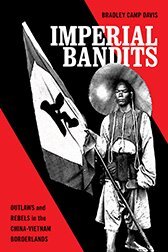
Imperial Bandits
Outlaws and Rebels in the China-Vietnam Borderlands
Av Bradley Camp Davis, Charles F. Keyes m. fl.
Häftad, 2017
550 kr
Lägg i varukorg
The Black Flags raided their way from southern China into northern Vietnam, competing during the second half of the nineteenth century against other armed migrants and uplands communities for the control of commerce, specifically opium, and natural resources, such as copper. At the edges of three …
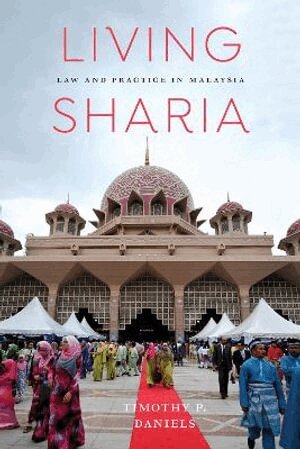
Living Sharia
Law and Practice in Malaysia
Av Timothy P. Daniels, Laurie J. Sears m. fl.
Häftad, 2017
534 kr
Lägg i varukorg
Drawing on ethnographic research, Living Sharia examines the role of sharia in the sociopolitical processes of contemporary Malaysia. The book traces the contested implementation of Islamic family and criminal laws and sharia economics to provide cultural frameworks for understanding sharia among …
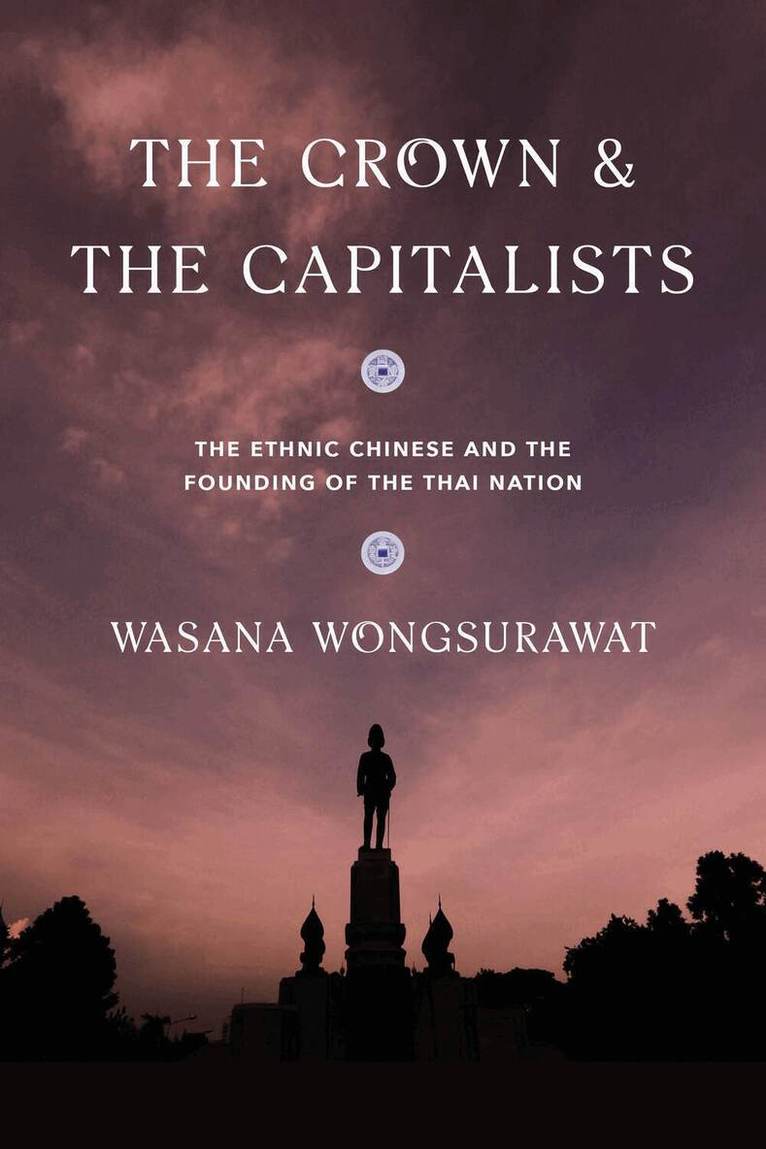
Crown and the Capitalists
The Ethnic Chinese and the Founding of the Thai Nation
Av Wasana Wongsurawat, Vicente Rafael m. fl.
Häftad, 2019
550 kr
Lägg i varukorg
Despite competing with much larger imperialist neighbors in Southeast Asia, the Kingdom of Thailand—or Siam, as it was formerly known—has succeeded in transforming itself into a rival modern nation-state over the last two centuries. Recent historiography has placed progress—or lack thereof—toward …
Crown and the Capitalists
The Ethnic Chinese and the Founding of the Thai Nation
Av Wasana Wongsurawat, Vicente Rafael
Inbunden, 2019
1923 kr
Tillfälligt slut
Despite competing with much larger imperialist neighbors in Southeast Asia, the Kingdom of Thailand—or Siam, as it was formerly known—has succeeded in transforming itself into a rival modern nation-state over the last two centuries. Recent historiography has placed progress—or lack thereof—toward …
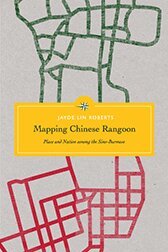
Mapping Chinese Rangoon
Place and Nation among the Sino-Burmese
Av Jayde Lin Roberts, Charles F. Keyes m. fl.
Inbunden, 2016
1923 kr
Tillfälligt slut
Mapping Chinese Rangoon is both an intimate exploration of the Sino-Burmese, people of Chinese descent who identify with and choose to remain in Burma/Myanmar, and an illumination of twenty-first-century Burma during its emergence from decades of military-imposed isolation. This spatial ethnography …
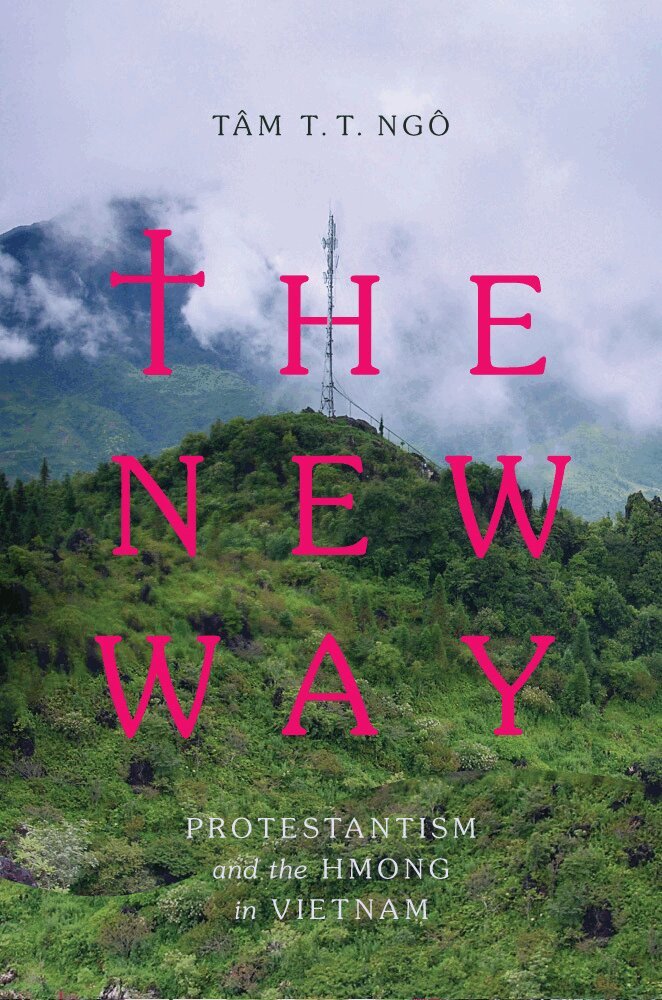
New Way
Protestantism and the Hmong in Vietnam
Av Tâm T. T. Ngô, Charles F. Keyes m. fl.
Inbunden, 2016
1867 kr
Tillfälligt slut
In the mid-1980s, a radio program with a compelling spiritual message was accidentally received by listeners in Vietnam’s remote northern highlands. The Protestant evangelical communication had been created in the Hmong language by the Far East Broadcasting Company specifically for war refugees in …