Victoria Olaide Omotoso – författare
Visar alla böcker från författaren Victoria Olaide Omotoso. Handla med fri frakt och snabb leverans.
4 produkter
4 produkter
Häftad, Engelska, 2027
477 kr
Kommande
Inbunden, Engelska, 2025
1 254 kr
Skickas inom 10-15 vardagar
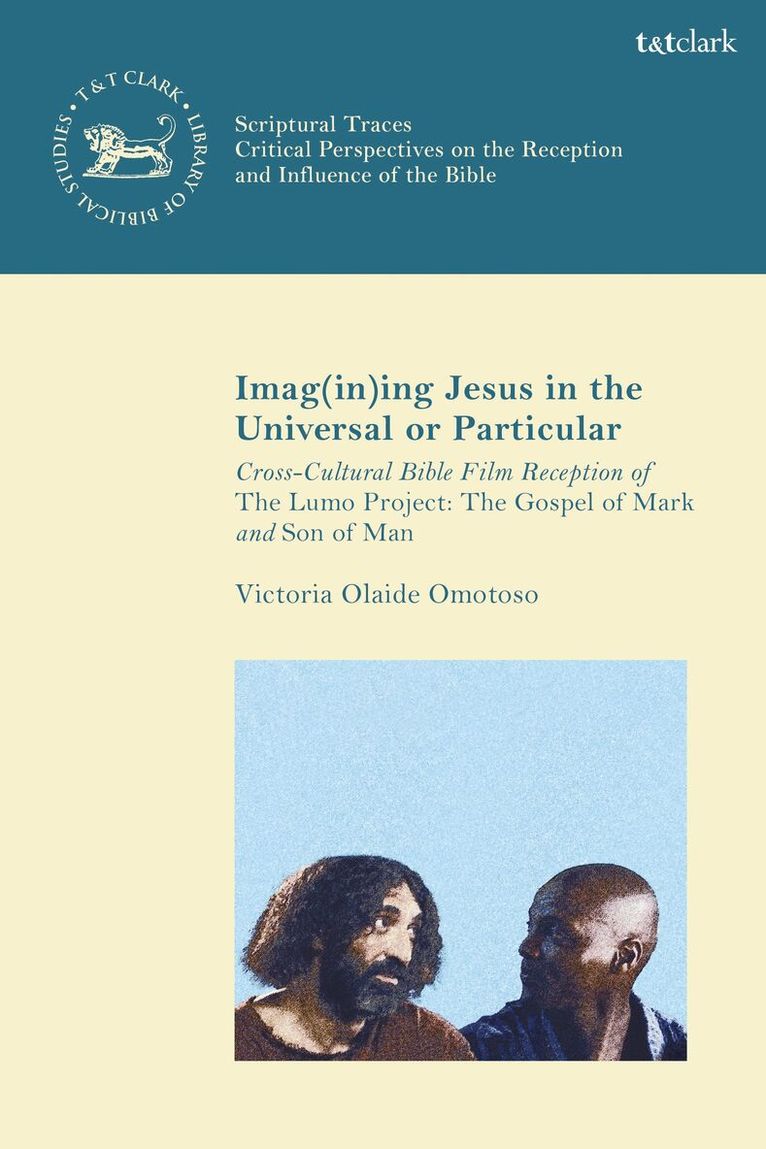
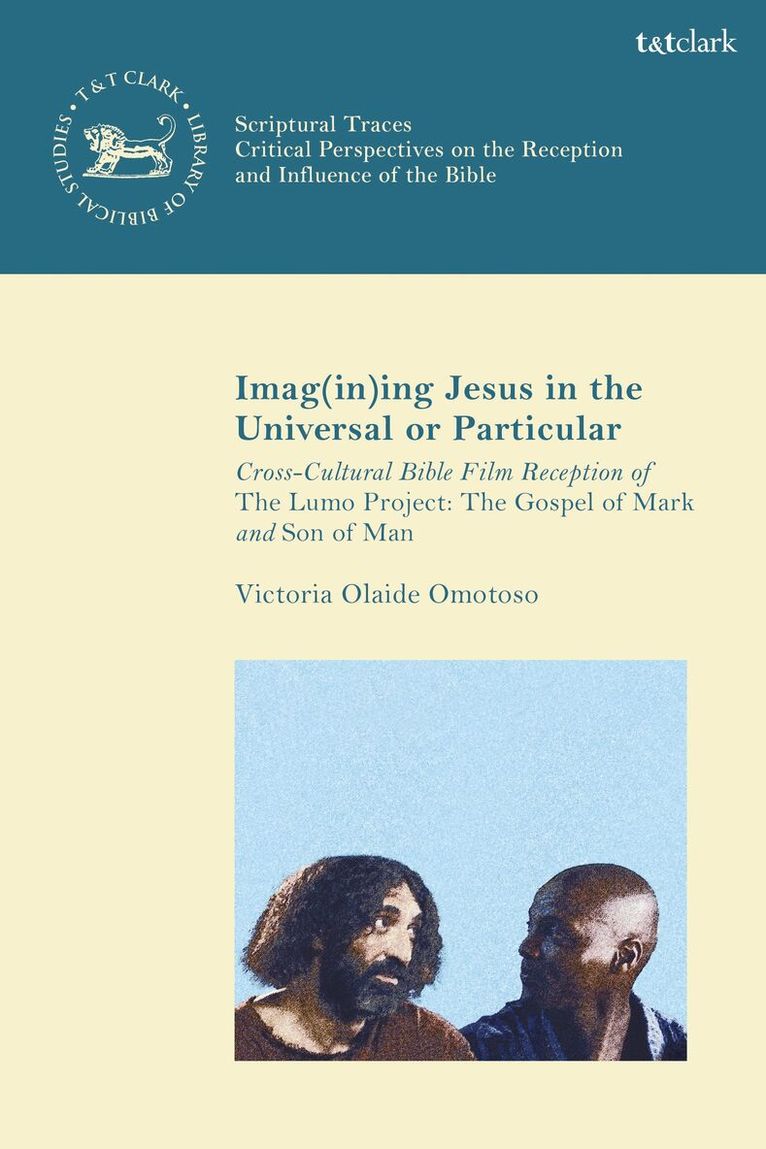
This volume is a critical exploration of cross-cultural Bible film reception presented through an analysis of the responses of UK and South African audiences to The Lumo Project: The Gospel of Mark (2014) and Son of Man (2006). Victoria Olaide Omotoso places emphasis on audience reception and highlighting the non-Western experience of biblical films by examining the responses of audiences from different cultural contexts to identical media, with a cross-cultural audience discourse facilitated by cultural dynamics: fidelity to the (biblical) text, ethnicity, music, and gender. By examining historic and cinematic debates, audience responses and filmmaker responses, Omotoso explores the ethnicity of Jesus, theological contexts and implications, and the presentation of Jesus in an androcentric world.Omotoso adopts the concepts of universality and particularity as frameworks to determine the ways through which the filmmakers attempt to identify their cinematic visions and locations. She defines universality as a phenomenon through which the filmmaker seeks to place the narrative within a trans-cultural frame for a global audience; in contrast, her definition of particularity is envisioning a unitary and specific cultural context for the narrative. By exploring fidelity to the text, the ethnic identity of Jesus, musical contexts, masculinity and female agency, the universal and particular are shown as complex, contested, and shifting concepts within the process of cross-cultural audience reception, which frequently destabilizes the intentions of the filmmakers.
E-bok
PDF, Engelska, 20251 160 kr
Läs direkt efter köp
This volume is a critical exploration of cross-cultural Bible film reception presented through an analysis of the responses of UK and South African audiences to The Lumo Project: The Gospel of Mark (2014) and Son of Man (2006). Victoria Olaide Omotoso places emphasis on audience reception and highlighting the non-Western experience of biblical films by examining the responses of audiences from different cultural contexts to identical media, with a cross-cultural audience discourse facilitated by cultural dynamics: fidelity to the (biblical) text, ethnicity, music, and gender. By examining historic and cinematic debates, audience responses and filmmaker responses, Omotoso explores the ethnicity of Jesus, theological contexts and implications, and the presentation of Jesus in an androcentric world.Omotoso adopts the concepts of universality and particularity as frameworks to determine the ways through which the filmmakers attempt to identify their cinematic visions and locations. She defines universality as a phenomenon through which the filmmaker seeks to place the narrative within a trans-cultural frame for a global audience; in contrast, her definition of particularity is envisioning a unitary and specific cultural context for the narrative. By exploring fidelity to the text, the ethnic identity of Jesus, musical contexts, masculinity and female agency, the universal and particular are shown as complex, contested, and shifting concepts within the process of cross-cultural audience reception, which frequently destabilizes the intentions of the filmmakers.
E-bok
Engelska, 20251 160 kr
Läs direkt efter köp
This volume is a critical exploration of cross-cultural Bible film reception presented through an analysis of the responses of UK and South African audiences to The Lumo Project: The Gospel of Mark (2014) and Son of Man (2006). Victoria Olaide Omotoso places emphasis on audience reception and highlighting the non-Western experience of biblical films by examining the responses of audiences from different cultural contexts to identical media, with a cross-cultural audience discourse facilitated by cultural dynamics: fidelity to the (biblical) text, ethnicity, music, and gender. By examining historic and cinematic debates, audience responses and filmmaker responses, Omotoso explores the ethnicity of Jesus, theological contexts and implications, and the presentation of Jesus in an androcentric world.Omotoso adopts the concepts of universality and particularity as frameworks to determine the ways through which the filmmakers attempt to identify their cinematic visions and locations. She defines universality as a phenomenon through which the filmmaker seeks to place the narrative within a trans-cultural frame for a global audience; in contrast, her definition of particularity is envisioning a unitary and specific cultural context for the narrative. By exploring fidelity to the text, the ethnic identity of Jesus, musical contexts, masculinity and female agency, the universal and particular are shown as complex, contested, and shifting concepts within the process of cross-cultural audience reception, which frequently destabilizes the intentions of the filmmakers.