Victoria W. Miroshnik – författare
Visar alla böcker från författaren Victoria W. Miroshnik. Handla med fri frakt och snabb leverans.
7 produkter
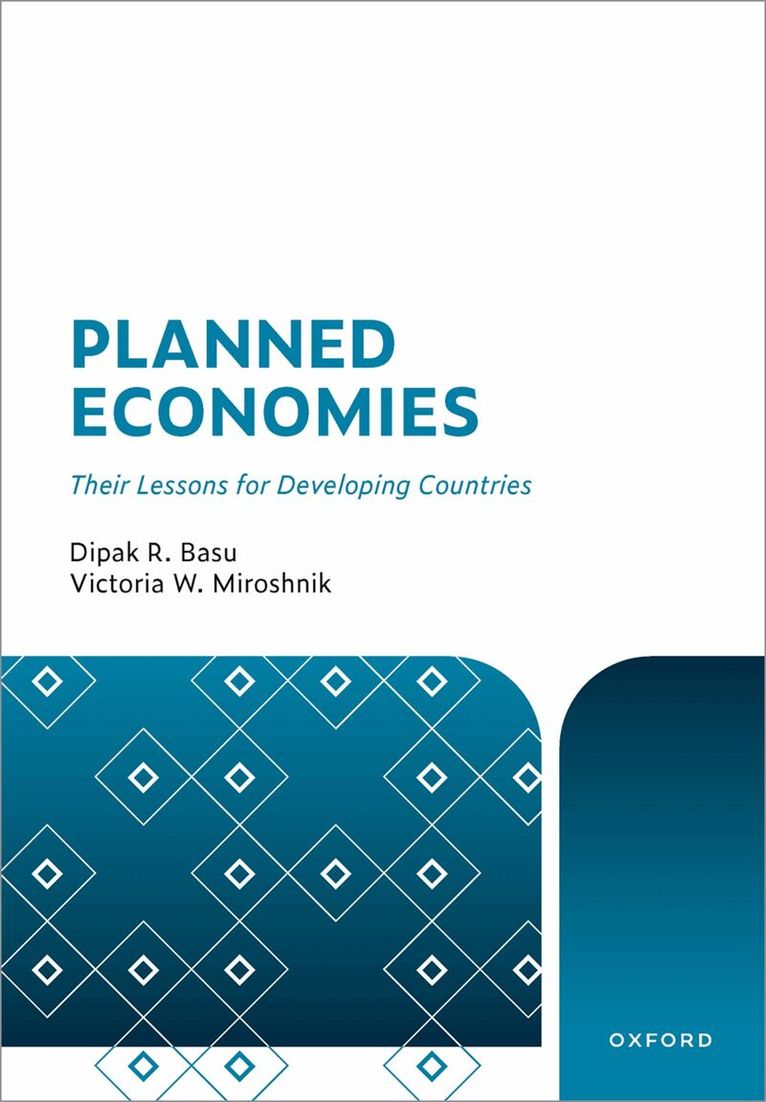
Planned Economies
Their Lessons for Developing Countries
Av Dipak R. Basu, Victoria W. Miroshnik
Inbunden, 2026
1534 kr
Kommande
A response to the ongoing global discourse against planning and the Soviet system, Planned Economies: Their Lessons for Developing Countries focuses on the experiences that the Soviet Union and several other economies had with planning and the lessons therein. In the first part of the book, Basu …
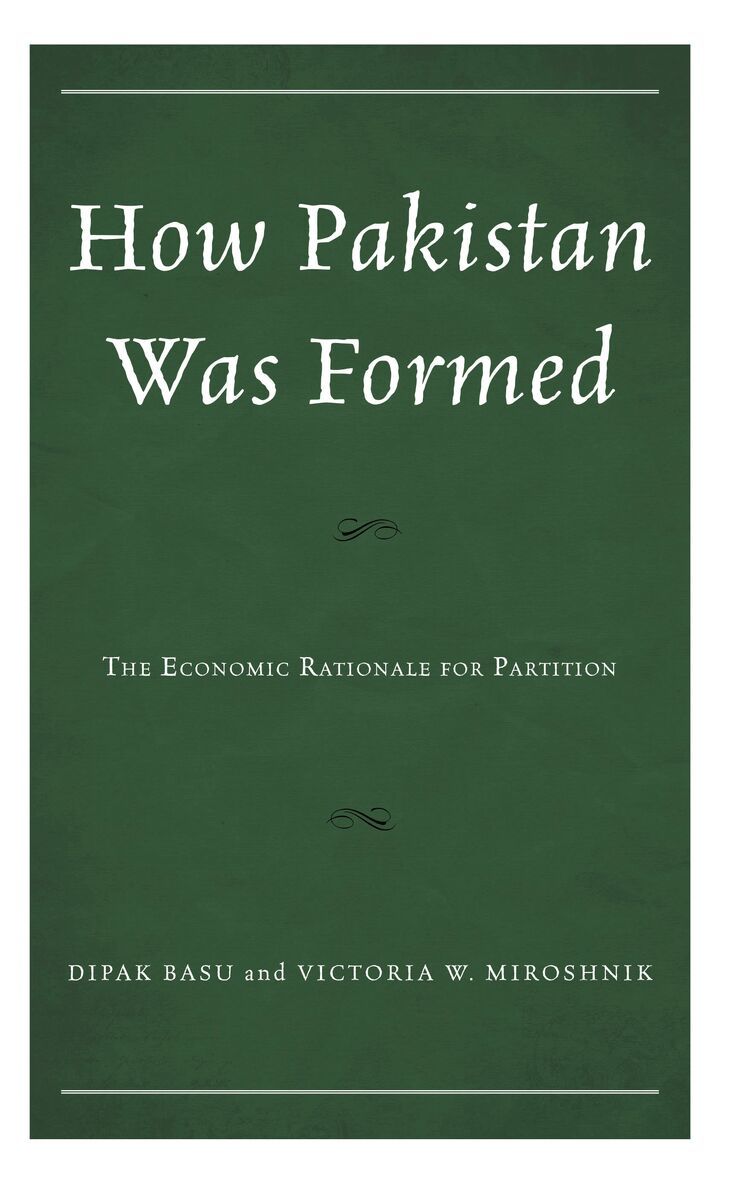
How Pakistan Was Formed
The Economic Rationale for Partition
Av Dipak Basu, Victoria W. Miroshnik
Inbunden, 2023
1247 kr
Lägg i varukorg
This book examines the creation of Pakistan and the economic rationale for partition. The authors analyze other factors as well and look at the politics and influence of Muhammad Ali Jinnah, Mahatma Gandhi, and Jawaharlal Nehru.
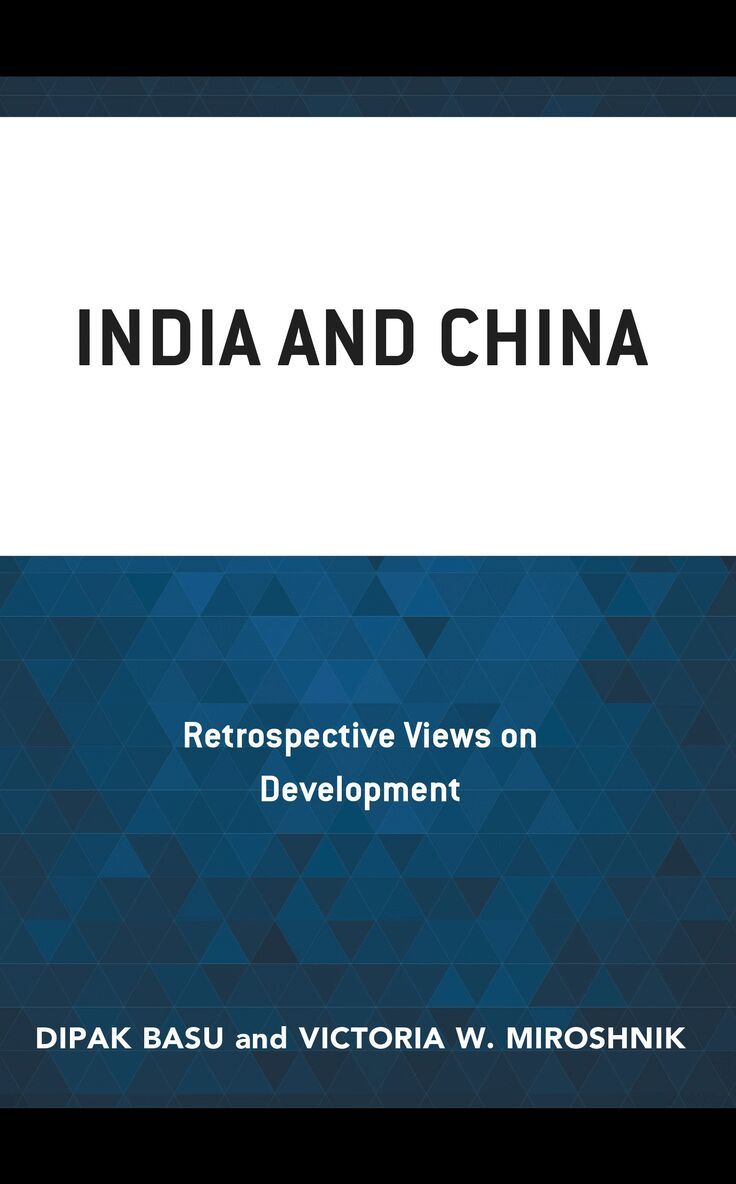
India and China
Retrospective Views on Development
Av Dipak Basu, Victoria W. Miroshnik
Inbunden, 2023
1174 kr
Lägg i varukorg
A regular feature in almost publication has been a comparison of India’s slow economic growth and, until recently, China’s rapid progress. Yet, in 1988, both countries had similar living standards. As things stand, it is undoubtedly a tale of two countries and two systems. Supporters of India can …
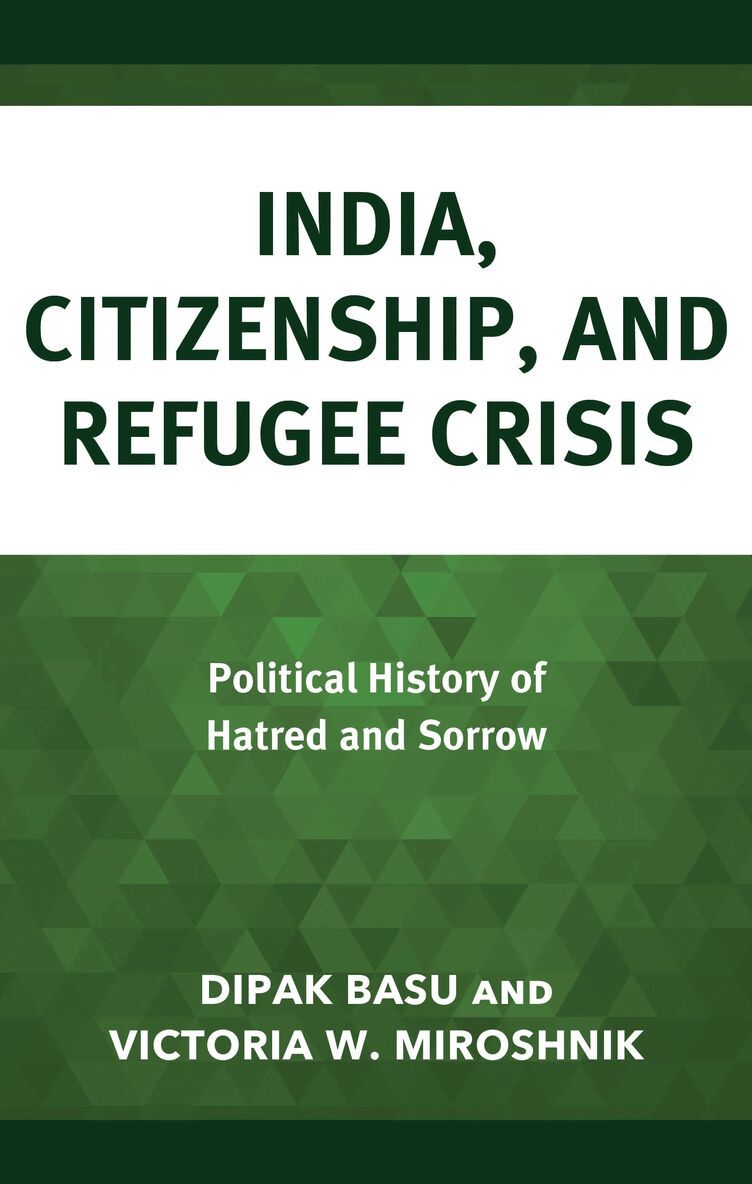
India, Citizenship, and Refugee Crisis
Political History of Hatred and Sorrow
Av Dipak Basu, Victoria W. Miroshnik
Inbunden, 2024
1174 kr
Lägg i varukorg
India, Citizenship, and Refugee Crisis: Political History of Hatred and Sorrow examines the effects of the Partition of India in 1947. The partition as suggested by the British to satisfy the Muslims, who formed the bulk of the British Army during the 2nd world war, could not stop the communal …
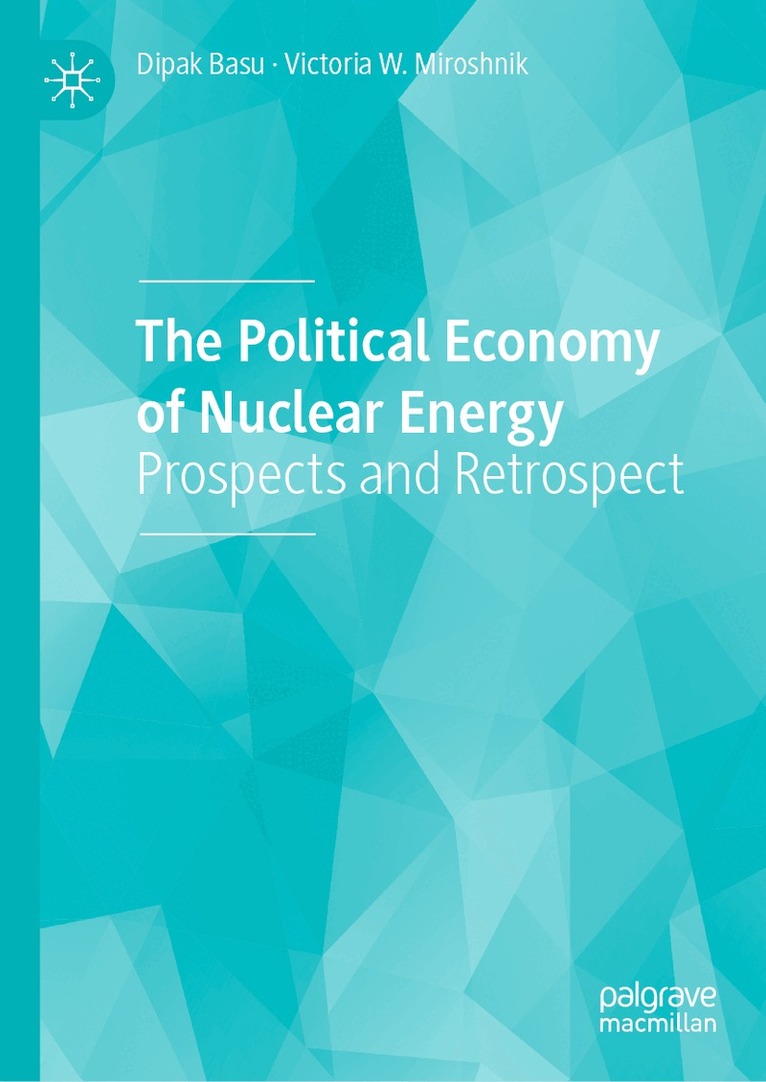
Political Economy of Nuclear Energy
Prospects and Retrospect
Av Dipak Basu, Victoria W. Miroshnik
Inbunden, 2019
989 kr
Lägg i varukorg
Using primarily Russian sources, this book explains the political and economic aspects of nuclear power. The nuclear fuel cycle is described, from the mining of natural uranium to the ultimate power generation, and to reprocessing to produce plutonium which is essential for both electricity …
Political Economy of Nuclear Energy
Prospects and Retrospect
Av Victoria W. Miroshnik, Dipak Basu
E-bok, 2019
1268 kr
Lägg i varukorg
Using primarily Russian sources, this book explains the political and economic aspects of nuclear power. The nuclear fuel cycle is described, from the mining of natural uranium to the ultimate power generation, and to reprocessing to produce plutonium which is essential for both electricity …
Political Economy of Nuclear Energy
Prospects and Retrospect
Av Dipak Basu, Victoria W. Miroshnik
Häftad, 2020
989 kr
Lägg i varukorg
Using primarily Russian sources, this book explains the political and economic aspects of nuclear power. The nuclear fuel cycle is described, from the mining of natural uranium to the ultimate power generation, and to reprocessing to produce plutonium which is essential for both electricity …