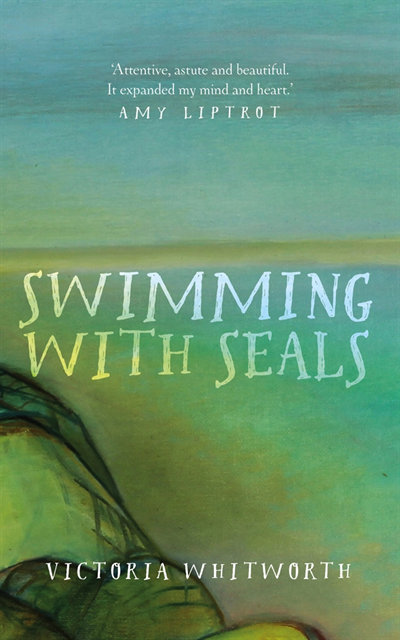
A book about intense physical and personal experience, narrating how Victoria Whitworth began swimming in the cold waters of Orkney as a means of escaping a failing marriage. This is a memoir of intense physical and personal experience, exploring how swimming with seals, gulls and orcas in the cold waters off Orkney provided Victoria Whitworth with an escape from a series of life crises and helped her to deal with intolerable loss.It is also a treasure chest of history and myth, local folklore and archaeological clues, giving us tantalising glimpses of Pictish and Viking men and women, those people lost to history, whose long-hidden secrets are sometimes yielded up by the land and sea.
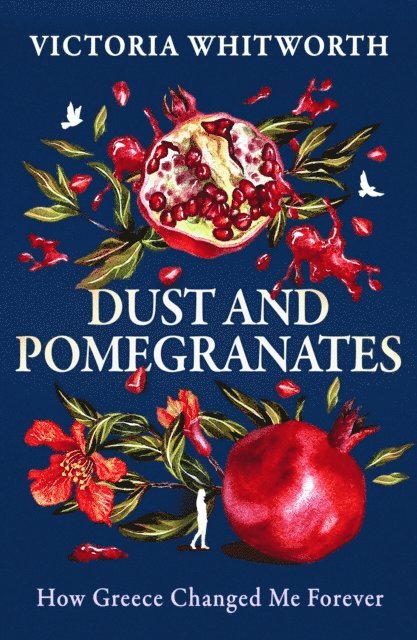
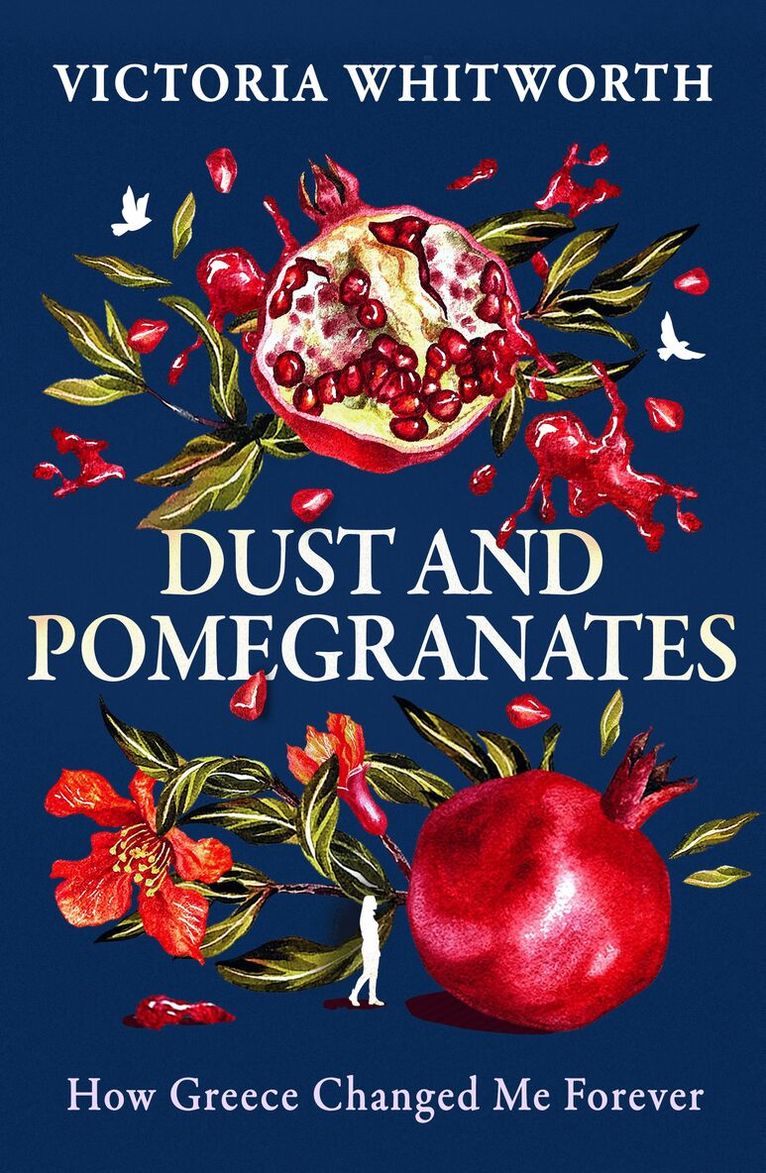
From a magical childhood in Kenya, through misery at an American high school, to rescue by an inspirational teacher in England, Victoria Whitworth weaves a sublimely rich narrative, which is both an ode to her beloved Greece and Corfu, and a highly original exploration of myth and legend. Her adventures in the often weird and unsettling world of a Corinth English language school, and the shattering experience of her rape by a Greek taxi driver, lead Victoria to question some deeply familiar stories. Did Agamemnon really kill his daughter Iphigenia, so the wind would fill their sails for Troy? Was beautiful Helen of Troy a powerful enchantress? Or a tragic victim? Was Theseus, the Minotaur slayer, a superhero, or a predatory rapist? Or were they all of these things? This beautiful memoir asks repeatedly where truth lies, and how, as women, we can survive violence and conquer fear.
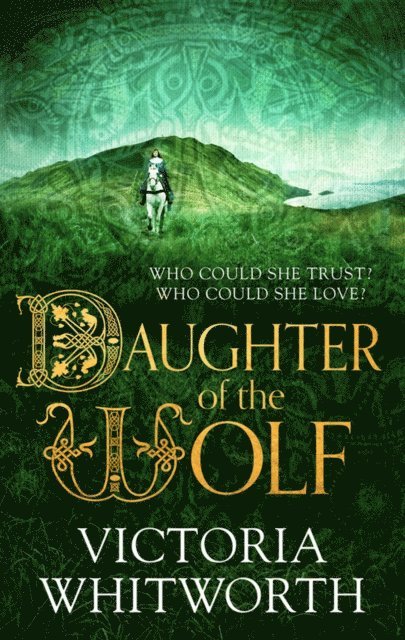
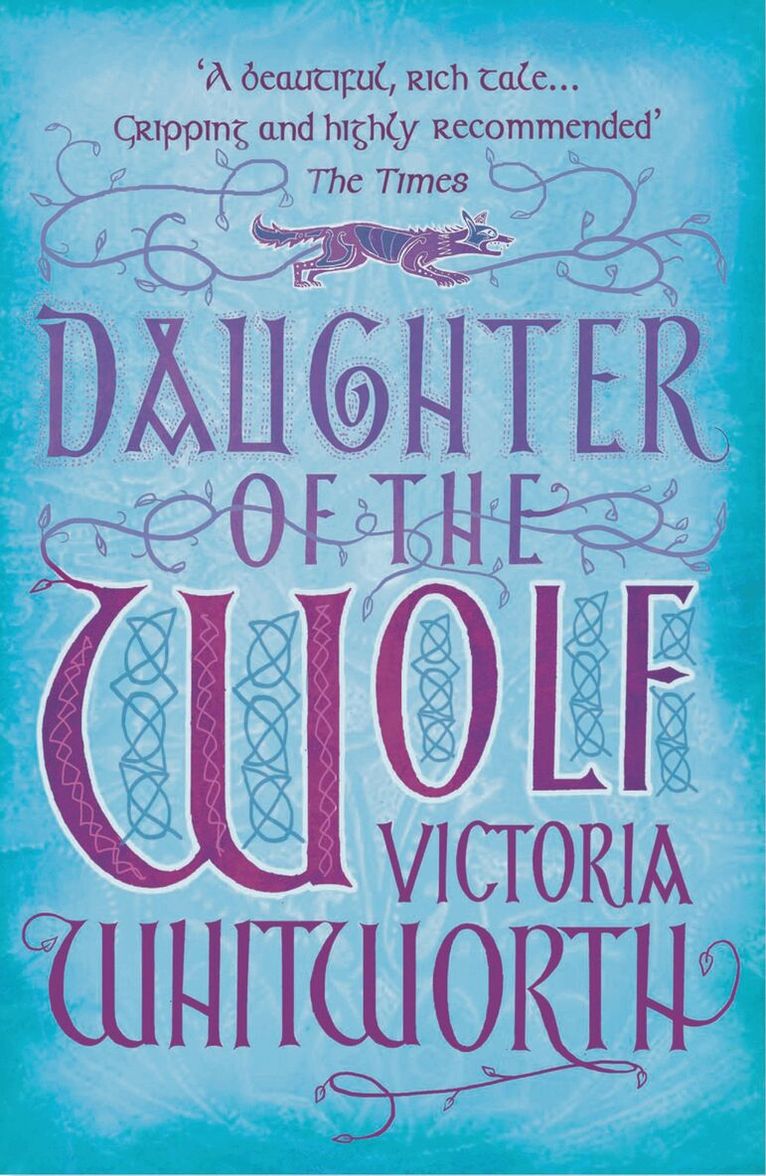
Northumbria, 859. In England before the Norman Conquest, a land ruled by rival kings, Radmer of Donmouth is guardian of the estuary, the gateway to Northumbria. When his king sends him on a mission to Rome, Donmouth is left in the safekeeping of Radmer''s only daughter, Elfrun. But powerful conspiracies are being woven, and deadly rivals are circling, ready to take advantage of Donmouth''s young and inexperienced new ruler. What people are saying about DAUGHTER OF THE WOLF: ''I devoured this book, and I''m looking forward to a sequel'' ''An engaging, enthralling and beautifully written book'' ''There are some books that you just don''t want to end, and this is one of those'' ''This is a spectacular book - I was entirely caught up in the world Whitworth effortlessly creates''
Northumbria, 859. In England before the Norman Conquest, a land ruled by rival kings, Radmer of Donmouth is guardian of the estuary, the gateway to Northumbria. When his king sends him on a mission to Rome, Donmouth is left in the safekeeping of Radmer's only daughter, Elfrun. But powerful conspiracies are being woven, and deadly rivals are circling, ready to take advantage of Donmouth's young and inexperienced new ruler. What people are saying about DAUGHTER OF THE WOLF: 'I devoured this book, and I'm looking forward to a sequel' 'An engaging, enthralling and beautifully written book' 'There are some books that you just don't want to end, and this is one of those' 'This is a spectacular book - I was entirely caught up in the world Whitworth effortlessly creates'
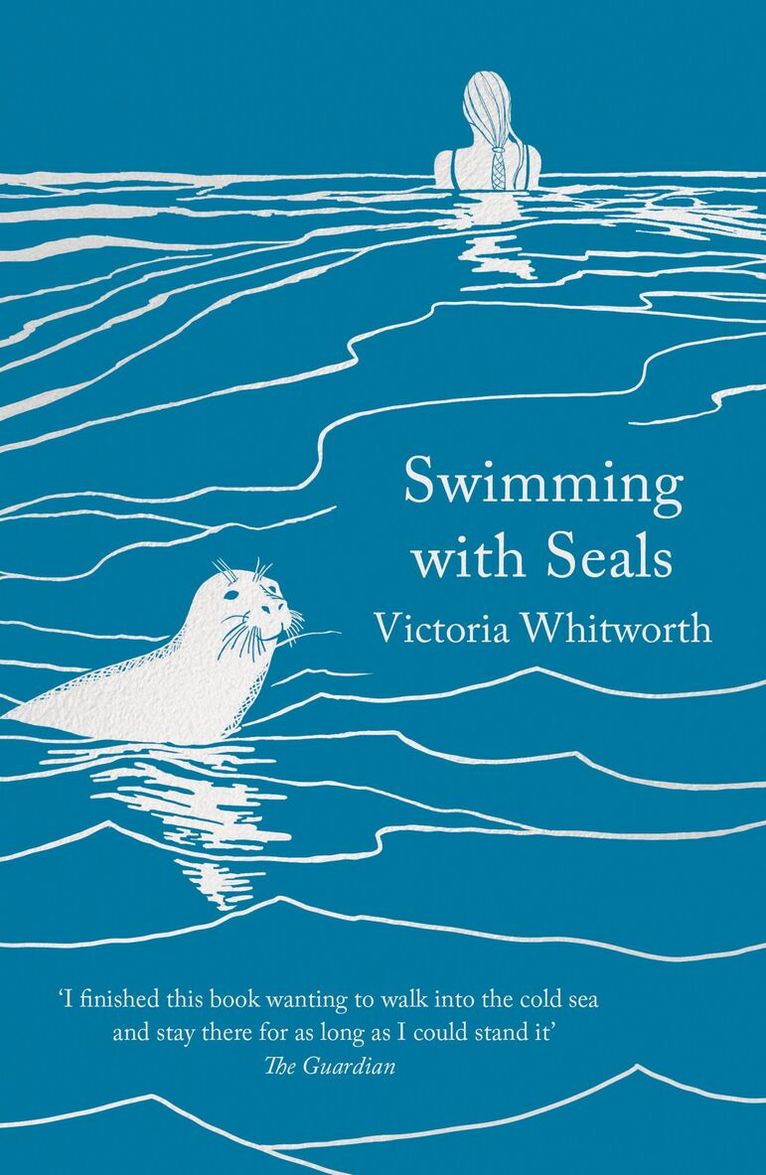
Shortlisted for the PEN Ackerley Prize 2018. This is a memoir of intense physical and personal experience, exploring how swimming with seals, gulls and orcas in the cold waters off Orkney provided Victoria Whitworth with an escape from a series of life crises and helped her to deal with intolerable loss. It is also a treasure chest of history and myth, local folklore and archaeological clues, giving us tantalising glimpses of Pictish and Viking men and women, those people lost to history, whose long-hidden secrets are sometimes yielded up by the land and sea.
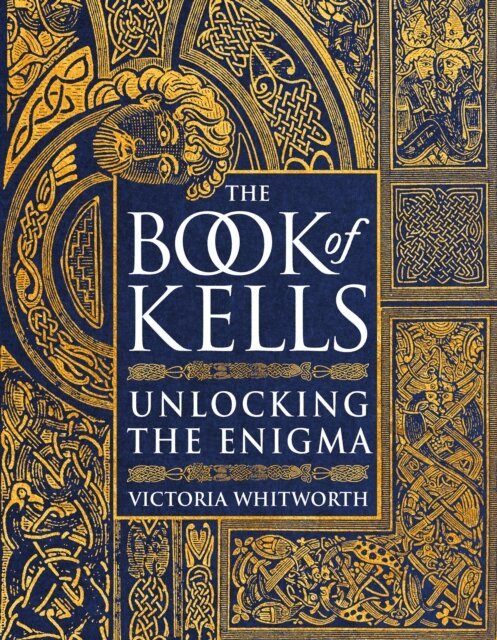
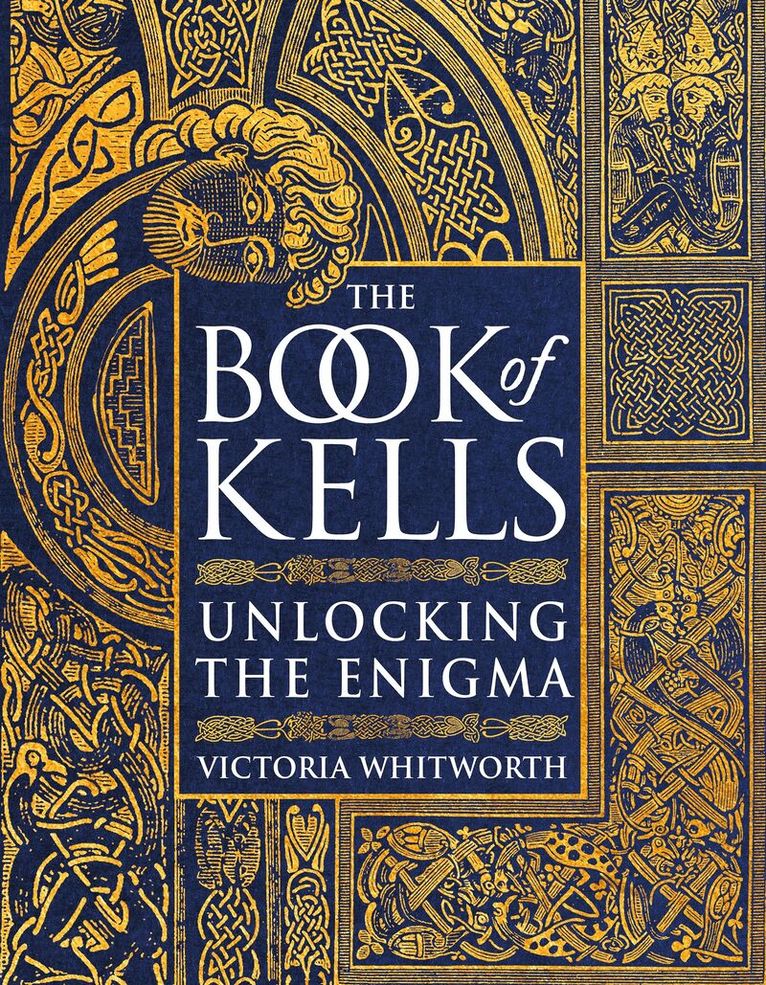
A new and definitive account of one of the most famous and mysterious manuscripts in the world. The Book of Kells is a mystery. It is distinct from all other copies of the gospels from the early Middle Ages, not only in the quality and amount of its decoration but also in the peculiarities of the ordering of its contents, the oddness of its apparatus, the appearance of the script, the interplay of text and ornament and the erratic forms of its Latin. Scholars cannot agree on the number of scribes and artists involved; or establish the purpose of the Book; or decide whether its oddities are the result of incompetence, even carelessness, and how those oddities relate to the minutely careful and deeply meaningful art. In this beautifully illustrated, ground-breaking book, Victoria Whitworth examines the famous text and sheds new light on its conception and purpose.
A new and definitive account of one of the most famous and mysterious manuscripts in the world.The Book of Kells is a mystery. It is distinct from all copies of the gospels from the early Middle Ages, not only in the quality and amount of its decoration but also in the peculiarities of the ordering of its contents, the oddness of its apparatus, the appearance of the script, the interplay of text and ornament, and the erratic forms of its Latin. Scholars cannot agree on the number of scribes and artists involved; or establish the purpose of the Book; or decide whether its oddities are the result of incompetence or carelessness, and how those oddities relate to the minutely careful and deeply meaningful art.The Book of Kells is probably the most famous manuscript in the world – and Victoria Whitworth's masterly treatment offers something new.