Vidya Nadkarni - Böcker
Visar alla böcker från författaren Vidya Nadkarni. Handla med fri frakt och snabb leverans.
9 produkter
9 produkter
2 088 kr
Skickas inom 10-15 vardagar
This book examines the nature and implications of the increasing interaction among three secondary powers in the world: China, Russia and India. It provides an in-depth analysis of the complex and often contradictory goals underlying their emerging strategic partnerships along with an assessment of the role these partnerships play in the larger regional and global contexts. In particular, it focuses on the important region of Asia/Eurasia, where these countries seek to increase their influence and compete against the prominence of the United States. Breaking new ground in looking at the ways in which the triad of bilateral strategic partnerships affect the countries’ individual aspirations for power, status and wealth, this book argues that their attempt to develop codified, formal bilateral partnerships and trilateral ties that seek to neither antagonise nor fully embrace each other is both a challenge to peace and security and an opportunity for cooperation. It concludes by suggesting scenarios under which competitive or cooperative economic and security orders may emerge.Clearly written and thoroughly accessible, this book will be an informative text for courses on international relations, international security, foreign policy and Asian and Russian politics.
725 kr
Skickas inom 10-15 vardagar
This book examines the nature and implications of the increasing interaction among three secondary powers in the world: China, Russia and India. It provides an in-depth analysis of the complex and often contradictory goals underlying their emerging strategic partnerships along with an assessment of the role these partnerships play in the larger regional and global contexts. In particular, it focuses on the important region of Asia/Eurasia, where these countries seek to increase their influence and compete against the prominence of the United States. Breaking new ground in looking at the ways in which the triad of bilateral strategic partnerships affect the countries’ individual aspirations for power, status and wealth, this book argues that their attempt to develop codified, formal bilateral partnerships and trilateral ties that seek to neither antagonise nor fully embrace each other is both a challenge to peace and security and an opportunity for cooperation. It concludes by suggesting scenarios under which competitive or cooperative economic and security orders may emerge.Clearly written and thoroughly accessible, this book will be an informative text for courses on international relations, international security, foreign policy and Asian and Russian politics.
725 kr
Skickas inom 10-15 vardagar
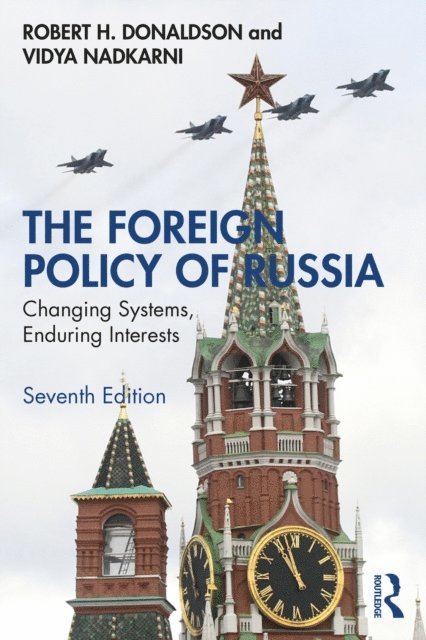
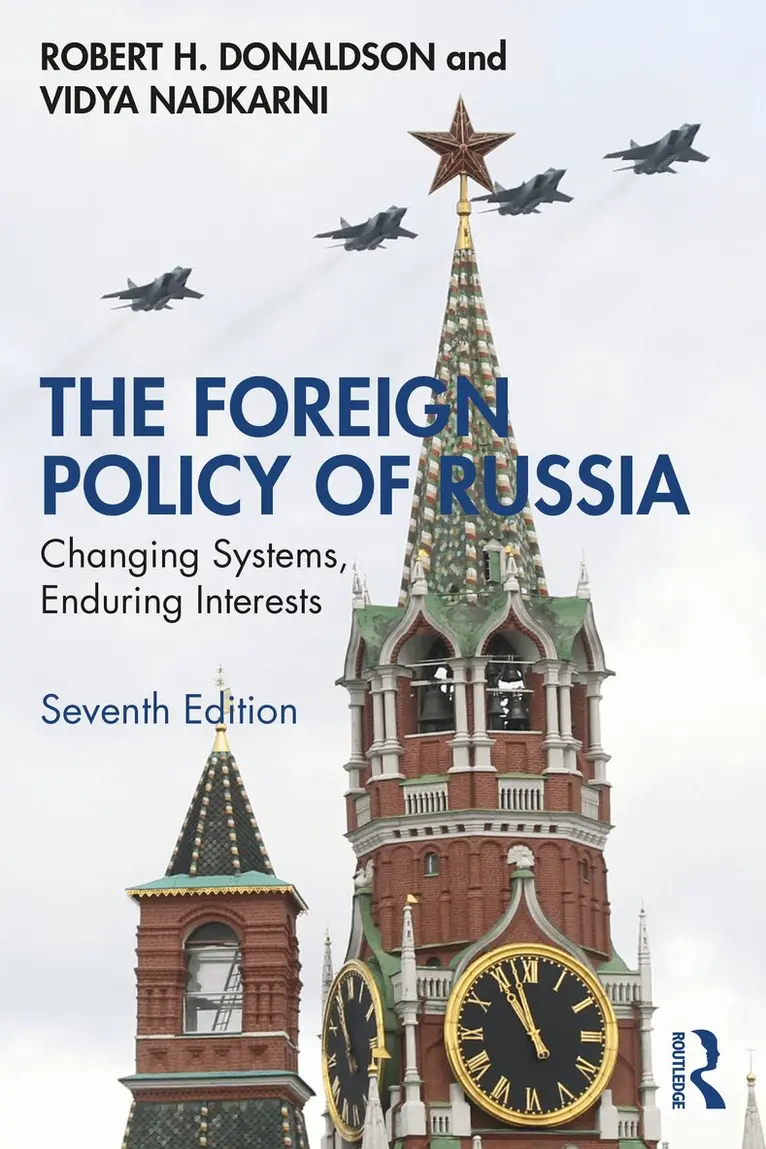
This text traces the lineage and development of Russian foreign policy with the insight that comes from a historical perspective. Now fully updated, the seventh edition incorporates new coverage of issues including relations with the major powers and with other post-communist states, with an emphasis on tensions with the United States and engagement with Ukraine, Crimea, and Syria. International security issues including arms control, sanctions, and intervention continue to grow in importance. Domestic and regional issues related to natural resource politics, human rights, Islamism, and terrorism also persist. Chronologically organized chapters highlight the continuities of Russia’s behavior in the world since tsarist times as well as the major sources of change and variability over the revolutionary period, wartime alliances and Cold War, détente, the Soviet collapse, and the first post-communist decades. The basic framework used in the book is a modified realism that stresses the balance of power and the importance of national interest, and it identifies several factors (both internal and external) that condition Russian policy. The interpretations are original and based on a mix of primary and secondary sources.New to the Seventh EditionA new concluding chapter: Russia Openly Confronts the "Collective West".Thoroughly updated coverage of Russia’s bilateral relations with the United States and countries in Europe, Asia, Africa, and Latin America.Expanded discussion of Moscow’s efforts to control the flow of information at home and abroad as it employs Russia’s "soft power" assets.Russian-American relations, especially with respect to continuing interference in the U.S. elections and to U.S. foreign policy concerns in the Far East, Iran, and Syria. The full unfolding of the Ukraine crisis, culminating in Russia’s invasion of Ukraine.Vladimir Putin’s escalated claims of the superiority of Russian cultural values and more openly imperialistic ambitions.Expanded coverage of Russia’s relations with China and India, now in a separate chapter on this "strategic triangle."Greater attention to the impact of climate change on Russian foreign policy, including its heightened activity in the Arctic.Significant new developments in the Middle East including the collapse of the nuclear deal with Iran, the expanded Russian role in the Syrian civil war, and the growing complexity in Russian-Turkish relations.
2 557 kr
Skickas inom 10-15 vardagar
This text traces the lineage and development of Russian foreign policy with the insight that comes from a historical perspective. Now fully updated, the seventh edition incorporates new coverage of issues including relations with the major powers and with other post-communist states, with an emphasis on tensions with the United States and engagement with Ukraine, Crimea, and Syria. International security issues including arms control, sanctions, and intervention continue to grow in importance. Domestic and regional issues related to natural resource politics, human rights, Islamism, and terrorism also persist. Chronologically organized chapters highlight the continuities of Russia’s behavior in the world since tsarist times as well as the major sources of change and variability over the revolutionary period, wartime alliances and Cold War, détente, the Soviet collapse, and the first post-communist decades. The basic framework used in the book is a modified realism that stresses the balance of power and the importance of national interest, and it identifies several factors (both internal and external) that condition Russian policy. The interpretations are original and based on a mix of primary and secondary sources.New to the Seventh EditionA new concluding chapter: Russia Openly Confronts the "Collective West".Thoroughly updated coverage of Russia’s bilateral relations with the United States and countries in Europe, Asia, Africa, and Latin America.Expanded discussion of Moscow’s efforts to control the flow of information at home and abroad as it employs Russia’s "soft power" assets.Russian-American relations, especially with respect to continuing interference in the U.S. elections and to U.S. foreign policy concerns in the Far East, Iran, and Syria. The full unfolding of the Ukraine crisis, culminating in Russia’s invasion of Ukraine.Vladimir Putin’s escalated claims of the superiority of Russian cultural values and more openly imperialistic ambitions.Expanded coverage of Russia’s relations with China and India, now in a separate chapter on this "strategic triangle."Greater attention to the impact of climate change on Russian foreign policy, including its heightened activity in the Arctic.Significant new developments in the Middle East including the collapse of the nuclear deal with Iran, the expanded Russian role in the Syrian civil war, and the growing complexity in Russian-Turkish relations.
Challenge and Change
Global Threats and the State in Twenty-first Century International Politics
Inbunden, Engelska, 2016
552 kr
Skickas inom 10-15 vardagar
This edited volume addresses how the state system, the organizing political institution in world politics, copes with challenges of rapid change, unanticipated crises, and general turmoil in the twenty-first century.
2 040 kr
Tillfälligt slut
This text traces the lineage and development of Russian foreign policy with the insight that comes from a historical perspective. Now fully updated, the sixth edition incorporates new coverage of issues including relations with the major powers and with other post-communist states, with an emphasis on tensions with the U.S. and engagement with Ukraine, Crimea, and Syria. International security issues including arms control, sanctions, and intervention continue to grow in importance. Domestic and regional issues related to natural resource politics, human rights, Islamism and terrorism also persist. Chronologically organized chapters highlight the continuities of Russia’s behavior in the world since tsarist times as well as the major sources of change and variability over the revolutionary period, wartime alliances and Cold War, détente, the Soviet collapse, and the first post-communist decades. The basic framework used in the book is a modified realism that stresses the balance of power and the importance of national interest, and identifies several factors (both internal and external) that condition Russian policy. The interpretations are original and based on a mix of primary and secondary sources.New to the Sixth Edition Thoroughly updated coverage of Russia’s bilateral relations with the United States and countries in Europe, Asia, Africa, and Latin America. Discussion of how Moscow employs Russia’s "soft power" assets. Russian-American relations, especially with respect to interference in the 2016 U.S. presidential elections and to U.S. foreign policy concerns in North Korea, Iran, and Syria. Russia’s interference in recent and upcoming elections in European states, which (along with the Brexit vote) threaten to jeopardize the future of the European Union. The full unfolding of the Ukraine crisis. Vladimir Putin’s continuing campaign to command greater Western respect for Russia’s interests and capabilities. Significant new developments in the Middle East including the nuclear deal with Iran, the involvement in the Syrian civil war, and the first-ever production-control deal with OPEC. A new concluding chapter: "Russia and the United States: A New Cold War?" An Epilogue on the July 2018 Trump-Putin Summit and surrounding events.
574 kr
Tillfälligt slut
This text traces the lineage and development of Russian foreign policy with the insight that comes from a historical perspective. Now fully updated, the sixth edition incorporates new coverage of issues including relations with the major powers and with other post-communist states, with an emphasis on tensions with the U.S. and engagement with Ukraine, Crimea, and Syria. International security issues including arms control, sanctions, and intervention continue to grow in importance. Domestic and regional issues related to natural resource politics, human rights, Islamism and terrorism also persist. Chronologically organized chapters highlight the continuities of Russia’s behavior in the world since tsarist times as well as the major sources of change and variability over the revolutionary period, wartime alliances and Cold War, détente, the Soviet collapse, and the first post-communist decades. The basic framework used in the book is a modified realism that stresses the balance of power and the importance of national interest, and identifies several factors (both internal and external) that condition Russian policy. The interpretations are original and based on a mix of primary and secondary sources.New to the Sixth Edition Thoroughly updated coverage of Russia’s bilateral relations with the United States and countries in Europe, Asia, Africa, and Latin America. Discussion of how Moscow employs Russia’s "soft power" assets. Russian-American relations, especially with respect to interference in the 2016 U.S. presidential elections and to U.S. foreign policy concerns in North Korea, Iran, and Syria. Russia’s interference in recent and upcoming elections in European states, which (along with the Brexit vote) threaten to jeopardize the future of the European Union. The full unfolding of the Ukraine crisis. Vladimir Putin’s continuing campaign to command greater Western respect for Russia’s interests and capabilities. Significant new developments in the Middle East including the nuclear deal with Iran, the involvement in the Syrian civil war, and the first-ever production-control deal with OPEC. A new concluding chapter: "Russia and the United States: A New Cold War?" An Epilogue on the July 2018 Trump-Putin Summit and surrounding events.
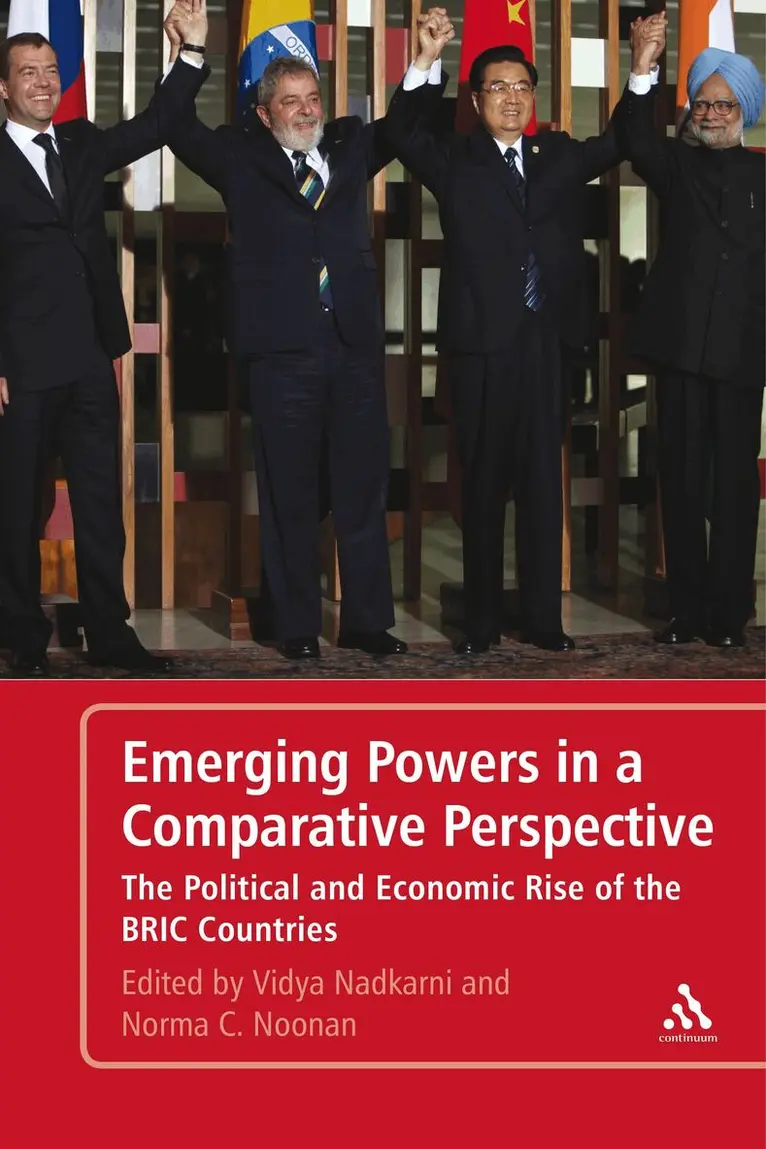
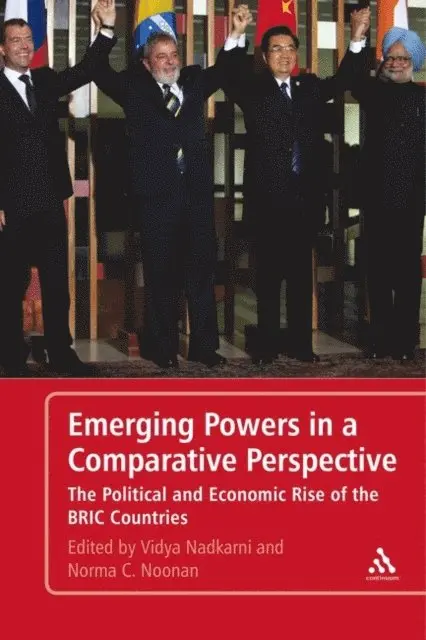
Emerging Powers in a Comparative Perspective
The Political and Economic Rise of the BRIC Countries
Häftad, Engelska, 2013
488 kr
Skickas inom 10-15 vardagar
The book examines the rising influence of emerging powers in global politics, with a special focus on the BRIC countries (Brazil, Russia, India, China).Chapters contributed by international scholars first look at the changing status of the US in the 21st century and at the EU as both an emerging and innovative power. China's rising power status, India's regional and global influence, Russia's re-emergence, and Brazil's growing regional and international role are then analyzed comparatively to explain how the BRIC states are poised to become vital players not only in politics and economy, but also in key international concerns such as terrorism, globalization, and climate change.The book provides a detailed analysis of political, economic, security, and foreign policy trends in the BRIC countries to address such questions as to whether they will seek to revise the international order or work within it and how they will deal with transnational global problems. Using a unique comparative approach, the text will appeal to undergraduate students in world politics, international relations, and foreign policy.
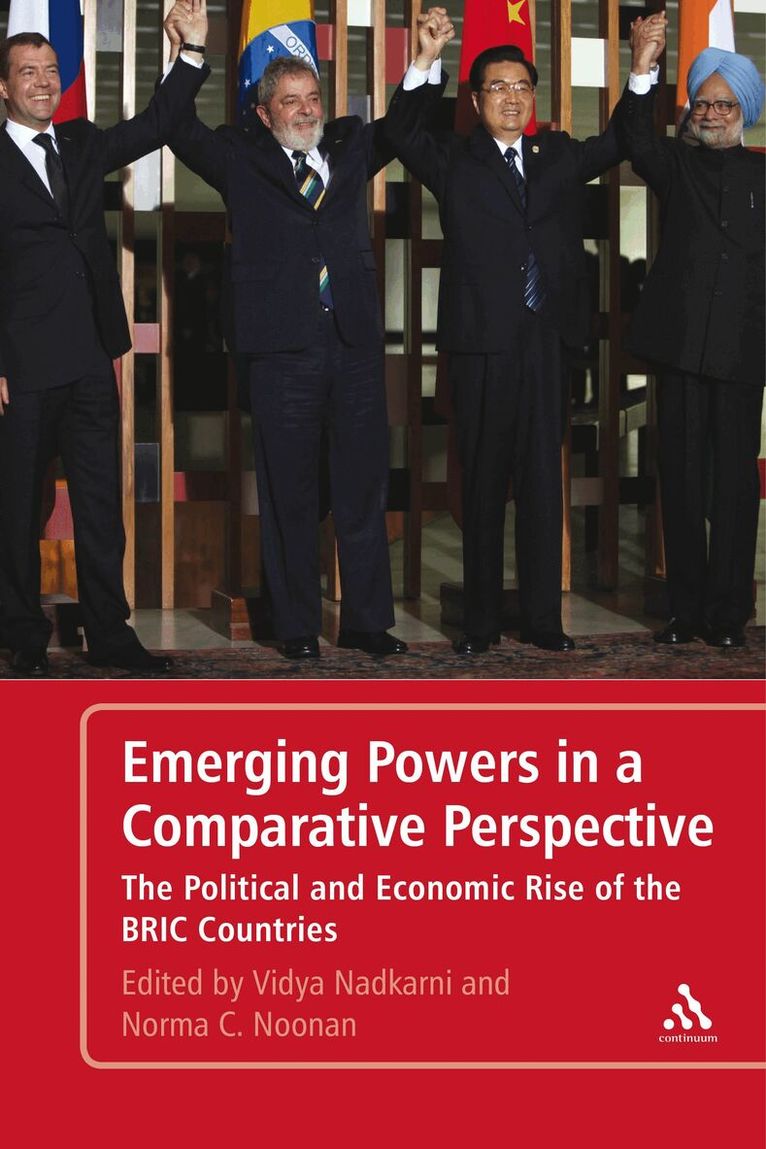
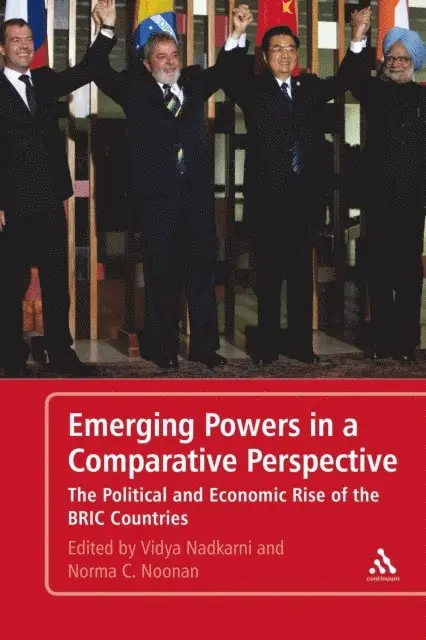
Emerging Powers in a Comparative Perspective
The Political and Economic Rise of the BRIC Countries
Inbunden, Engelska, 2013
1 833 kr
Skickas inom 10-15 vardagar
The book examines the rising influence of emerging powers in global politics, with a special focus on the BRIC countries (Brazil, Russia, India, China).Chapters contributed by international scholars first look at the changing status of the US in the 21st century and at the EU as both an emerging and innovative power. China's rising power status, India's regional and global influence, Russia's re-emergence, and Brazil's growing regional and international role are then analyzed comparatively to explain how the BRIC states are poised to become vital players not only in politics and economy, but also in key international concerns such as terrorism, globalization, and climate change.The book provides a detailed analysis of political, economic, security, and foreign policy trends in the BRIC countries to address such questions as to whether they will seek to revise the international order or work within it and how they will deal with transnational global problems. Using a unique comparative approach, the text will appeal to undergraduate students in world politics, international relations, and foreign policy.