Vincent Hunt – författare
Visar alla böcker från författaren Vincent Hunt. Handla med fri frakt och snabb leverans.
7 produkter
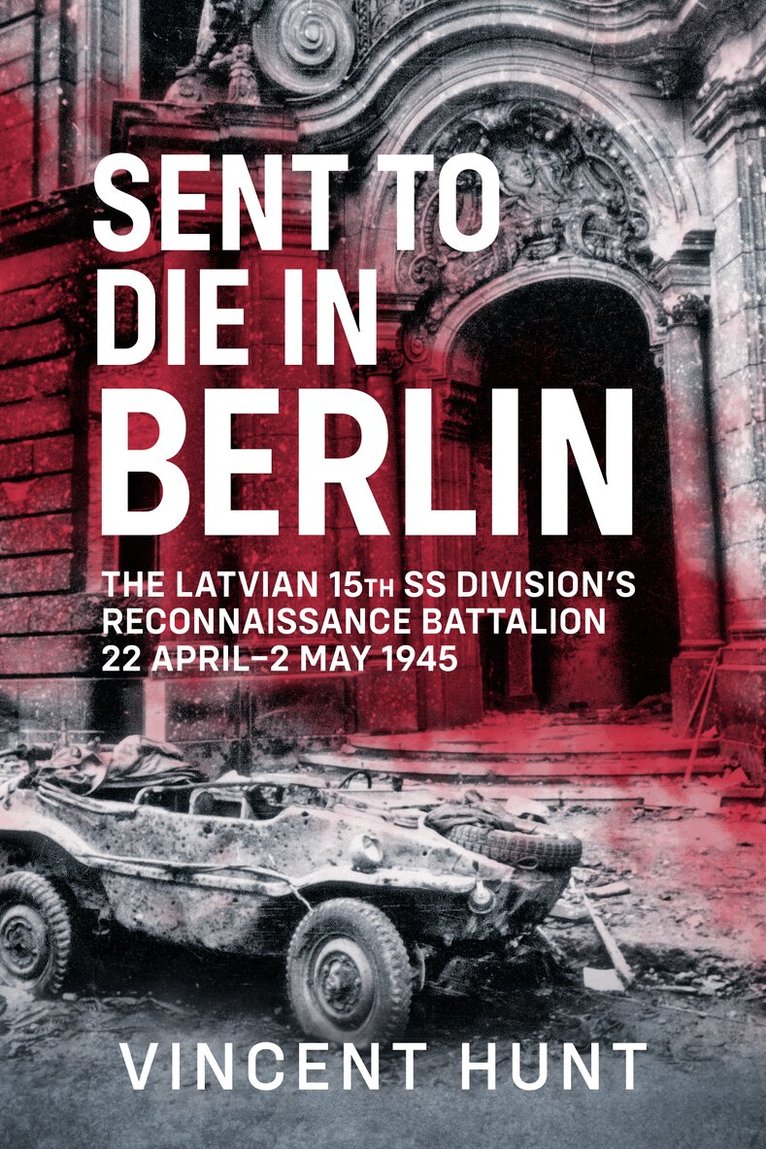
Sent to Die in Berlin
The Latvian 15th SS Division's Reconnaissance Battalion 22 April-2 May 1945
Av Vincent Hunt
Inbunden, 2026
587 kr
Kommande
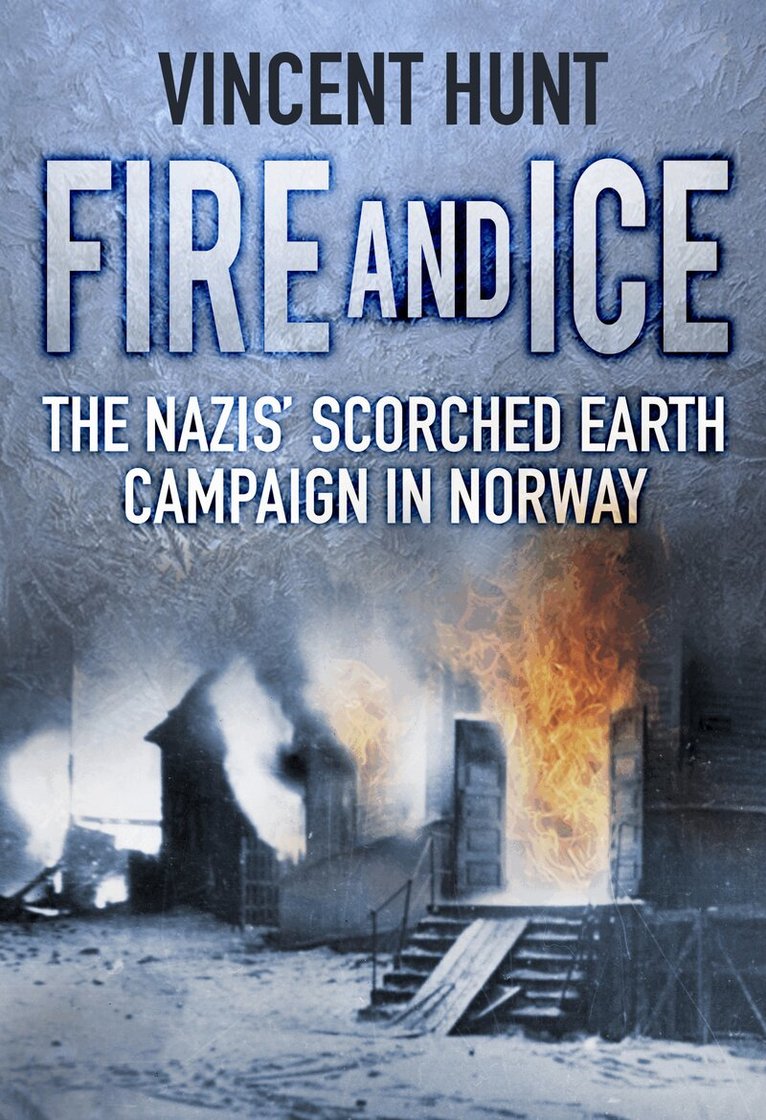
Fire and Ice
The Nazis' Scorched Earth Campaign in Norway
Av Vincent Hunt
Häftad, 2018
225 kr
Lägg i varukorg
When Hitler ordered the north of Nazi-occupied Norway to be destroyed in a scorched earth retreat in 1944, everything of potential use to the Soviet enemy was destroyed. Harbours, bridges and towns were dynamited and every building torched. Fifty thousand people were forcibly evacuated – thousands …
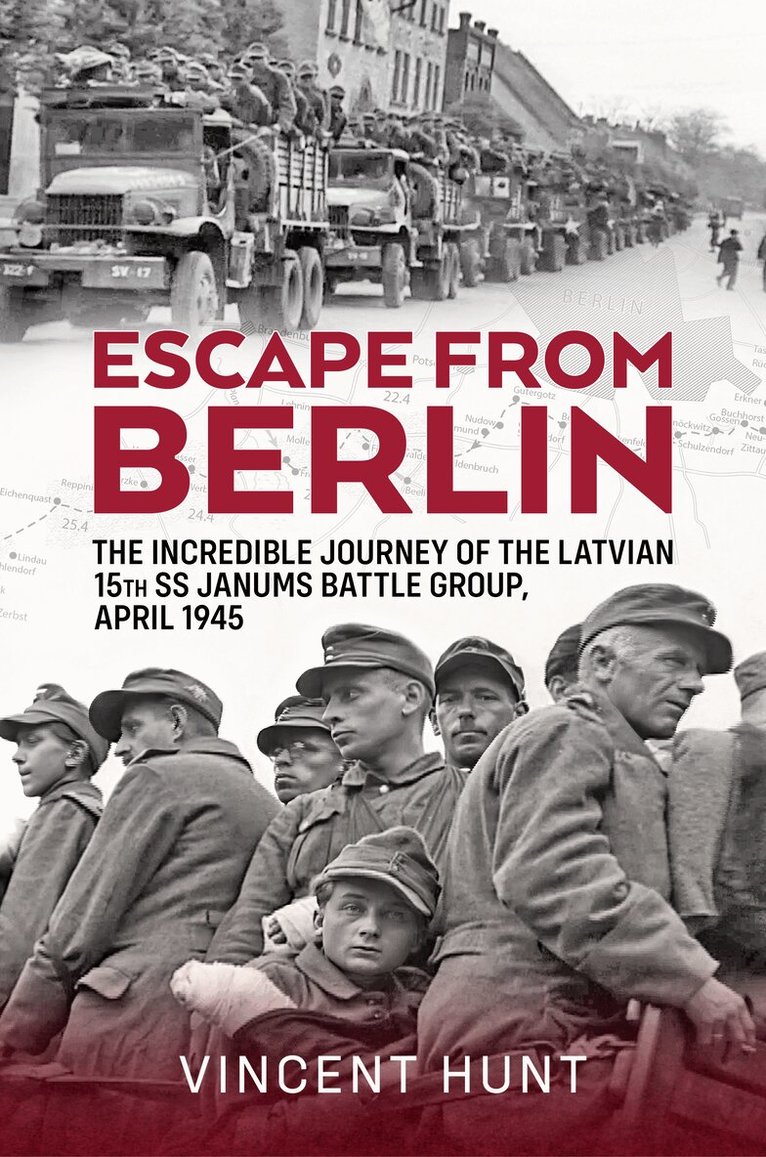
Escape from Berlin
The Incredible Journey of the Latvian 15th SS Janums Battle Group April 1945
Av Vincent Hunt
Inbunden, 2025
495 kr
Lägg i varukorg
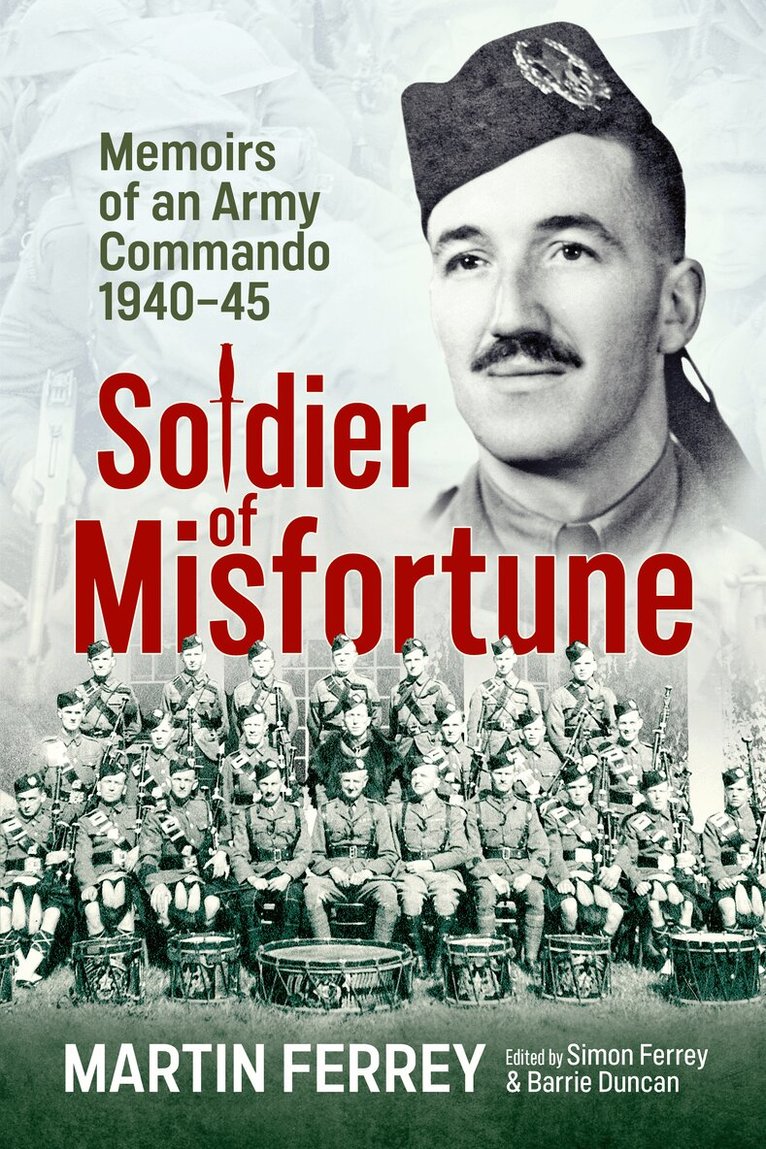
Soldier of Misfortune
Memoirs of an Army Commando, 1940-1945
Av Vincent Hunt, Simon Ferrey m. fl.
Inbunden, 2026
326 kr
Lägg i varukorg
Blood in the Forest
The End of the Second World War in the Courland Pocket
Av Vincent Hunt
E-bok, 2017
221 kr
Lägg i varukorg
With original research and interviews with survivors, a journalist reveals the brutal yet forgotten battles in Latvia during the final months of WWII. While the eyes of the world were on Hitler''s bunker, more than half a million men fought six cataclysmic battles in the fields and forests of …
Blood in the Forest
The End of the Second World War in the Courland Pocket
Av Vincent Hunt
Häftad, 2020
280 kr
Lägg i varukorg