Vincent Lagendijk – författare
Visar alla böcker från författaren Vincent Lagendijk. Handla med fri frakt och snabb leverans.
7 produkter
7 produkter
E-bok
PDF, Engelska, 2025802 kr
Läs direkt efter köp
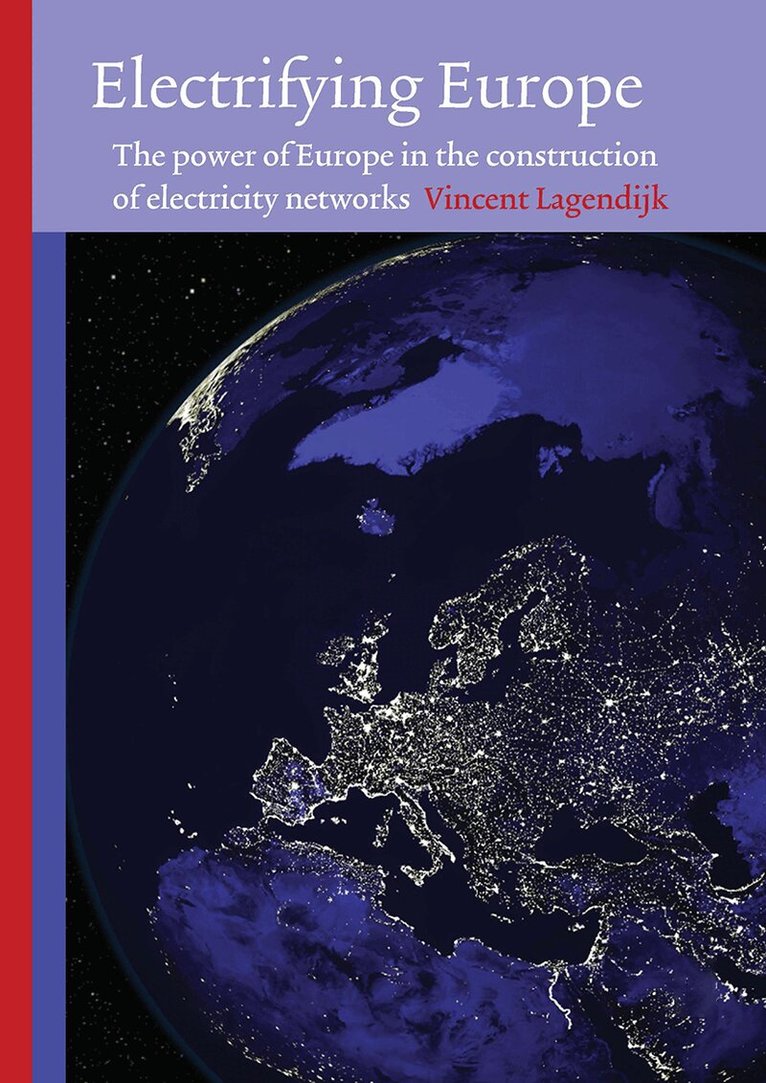
Nowadays most consumers are aware of the European dimensions of their electricity supply. But what ideas lie behind this European network? In constructing electricity networks, "e;Europe"e; performed a Janus-faced function. On the one hand, a European network would bolster economic growth and peace. On the other, economic growth through electrification would increase military potential.By combining a wide array of rarely used sources, this book unravels how engineers, industrialists, and policymakers used ideas of Europe to gain support for building a European system. By focusing on transnational and European actors, this book is a valuable addition to existing national histories of electrification. It is an original contribution to the history of technology, while also making the role of technology visible in more mainstream European history.,The empirical chapters show how ideas of European cooperation in general became intertwined with network planning during the Interwar period, although the Depression and WWII prevented a European electricity network from being constructed. The subsequent chapters describe the influence of the Marshall Plan on European network-building, focusing on both its economic and military aspects. The last chapter portrays how the Iron Curtain was contested. The troubled expansion of networks and capacity in Western Europe provided an underpinning for political rapprochement with the East in the 1970s and 1980s. Political and economic turmoil after 1989 accelerated this process, leading to an interconnected European system by 1995.

E-bok
Engelska, 2025802 kr
Läs direkt efter köp
Nowadays most consumers are aware of the European dimensions of their electricity supply. But what ideas lie behind this European network? In constructing electricity networks, "e;Europe"e; performed a Janus-faced function. On the one hand, a European network would bolster economic growth and peace. On the other, economic growth through electrification would increase military potential.By combining a wide array of rarely used sources, this book unravels how engineers, industrialists, and policymakers used ideas of Europe to gain support for building a European system. By focusing on transnational and European actors, this book is a valuable addition to existing national histories of electrification. It is an original contribution to the history of technology, while also making the role of technology visible in more mainstream European history.,The empirical chapters show how ideas of European cooperation in general became intertwined with network planning during the Interwar period, although the Depression and WWII prevented a European electricity network from being constructed. The subsequent chapters describe the influence of the Marshall Plan on European network-building, focusing on both its economic and military aspects. The last chapter portrays how the Iron Curtain was contested. The troubled expansion of networks and capacity in Western Europe provided an underpinning for political rapprochement with the East in the 1970s and 1980s. Political and economic turmoil after 1989 accelerated this process, leading to an interconnected European system by 1995.

Inbunden, Engelska, 2024
1 256 kr
Skickas inom 10-15 vardagar
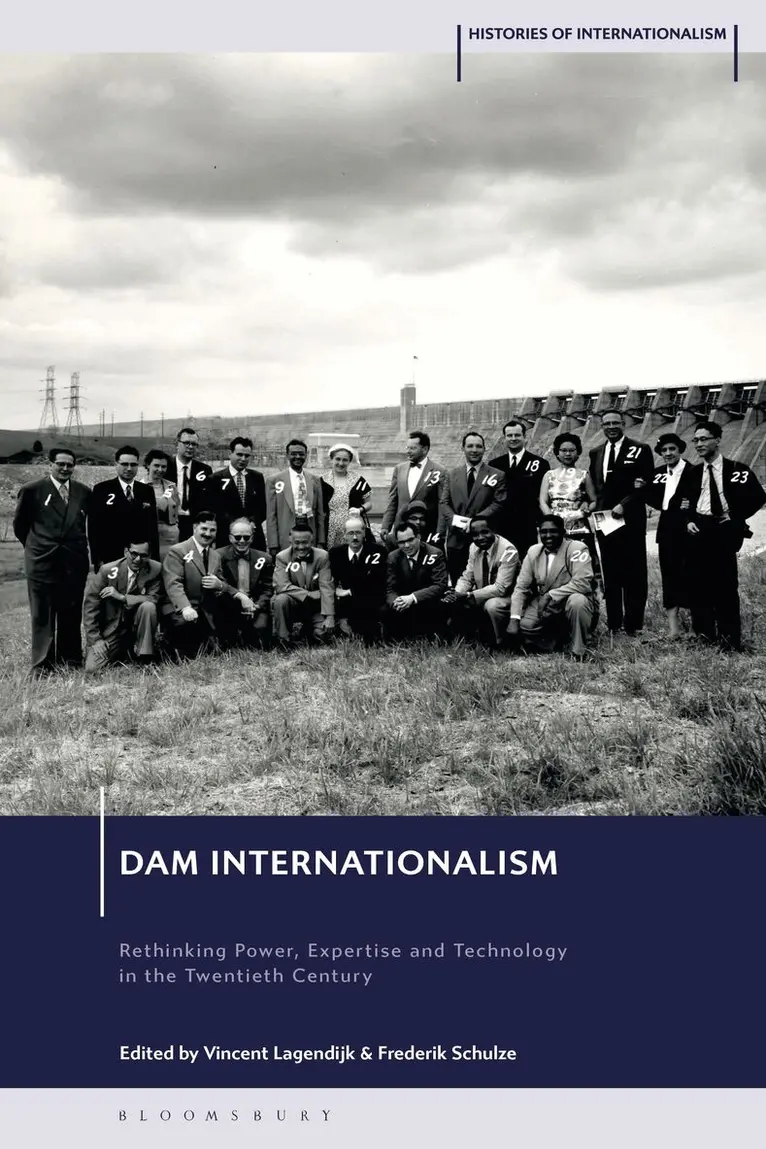
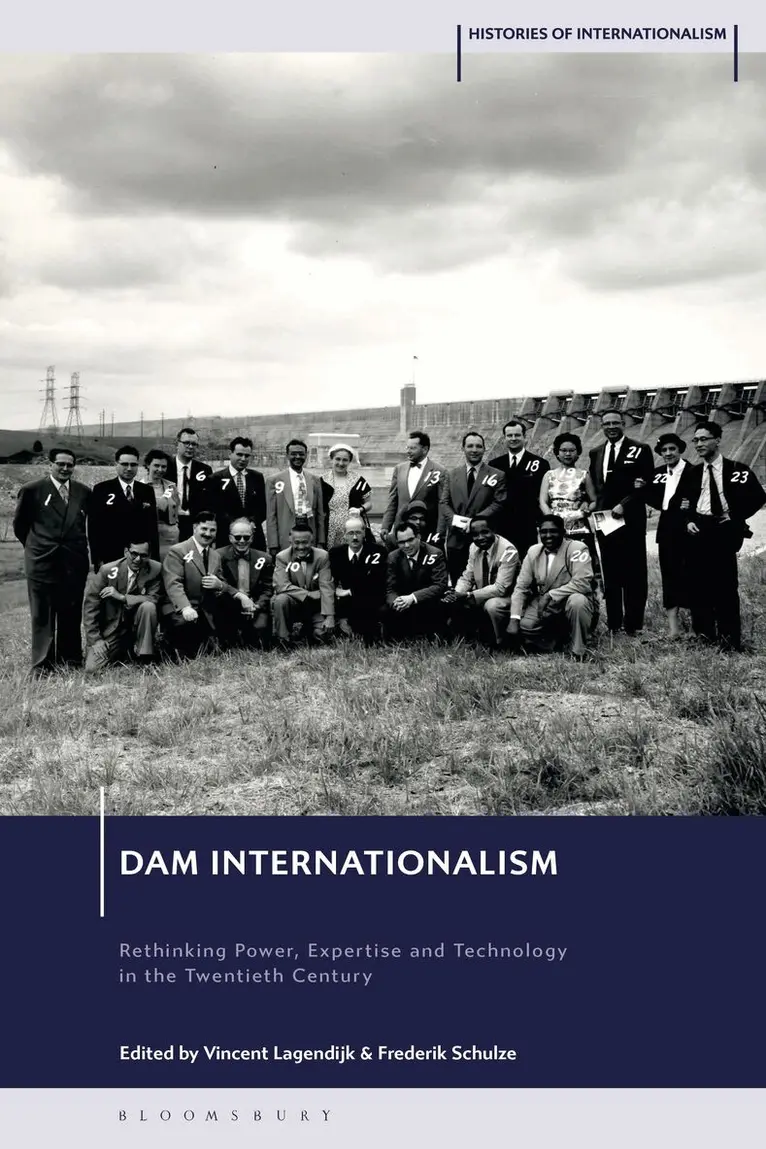
During the 20th century dam-building became a truly global endeavour. Built around the world, they generated networks of actors, institutions and companies embedded in globally circulating technological knowledge and discourses of modernization and development. This volume takes a global approach to the history of dams, exploring the complex power relations and internationalist entanglements that shaped them. Shedding new light on the globalization of technology and international power struggles that defined the 20th century, Dam Internationalism shows that dams are artefacts in their own right and have created new and revisionist histories that urge us to rethink classic narratives. From international cooperation, to the importance of the Cold War and the capitalist/socialist divide, the success of western technology, the prominence of the United States, the alleged impotence of people affected by dams, and the uniformity of infrastructure. Each chapter showcases a different case study from Europe, Asia, Africa, North and South America to show that dams enabled marginalized countries and actors to articulate themselves and pursue their own political and socio-economic goals in a century dominated by the Global North.
E-bok
PDF, Engelska, 2024424 kr
Läs direkt efter köp
During the 20th century dam-building became a truly global endeavour. Built around the world, they generated networks of actors, institutions and companies embedded in globally circulating technological knowledge and discourses of modernization and development. This volume takes a global approach to the history of dams, exploring the complex power relations and internationalist entanglements that shaped them. Shedding new light on the globalization of technology and international power struggles that defined the 20th century, Dam Internationalism shows that dams are artefacts in their own right and have created new and revisionist histories that urge us to rethink classic narratives. From international cooperation, to the importance of the Cold War and the capitalist/socialist divide, the success of western technology, the prominence of the United States, the alleged impotence of people affected by dams, and the uniformity of infrastructure. Each chapter showcases a different case study from Europe, Asia, Africa, North and South America to show that dams enabled marginalized countries and actors to articulate themselves and pursue their own political and socio-economic goals in a century dominated by the Global North.
E-bok
Engelska, 2024424 kr
Läs direkt efter köp
During the 20th century dam-building became a truly global endeavour. Built around the world, they generated networks of actors, institutions and companies embedded in globally circulating technological knowledge and discourses of modernization and development. This volume takes a global approach to the history of dams, exploring the complex power relations and internationalist entanglements that shaped them. Shedding new light on the globalization of technology and international power struggles that defined the 20th century, Dam Internationalism shows that dams are artefacts in their own right and have created new and revisionist histories that urge us to rethink classic narratives. From international cooperation, to the importance of the Cold War and the capitalist/socialist divide, the success of western technology, the prominence of the United States, the alleged impotence of people affected by dams, and the uniformity of infrastructure. Each chapter showcases a different case study from Europe, Asia, Africa, North and South America to show that dams enabled marginalized countries and actors to articulate themselves and pursue their own political and socio-economic goals in a century dominated by the Global North.
Häftad, Engelska, 2026
409 kr
Skickas inom 10-15 vardagar
During the 20th century dam-building became a truly global endeavour. Built around the world, they generated networks of actors, institutions and companies embedded in globally circulating technological knowledge and discourses of modernization and development. This volume takes a global approach to the history of dams, exploring the complex power relations and internationalist entanglements that shaped them. Shedding new light on the globalization of technology and international power struggles that defined the 20th century, Dam Internationalism shows that dams are artefacts in their own right and have created new and revisionist histories that urge us to rethink classic narratives. From international cooperation, to the importance of the Cold War and the capitalist/socialist divide, the success of western technology, the prominence of the United States, the alleged impotence of people affected by dams, and the uniformity of infrastructure. Each chapter showcases a different case study from Europe, Asia, Africa, North and South America to show that dams enabled marginalized countries and actors to articulate themselves and pursue their own political and socio-economic goals in a century dominated by the Global North.
Häftad, Engelska, 2009
704 kr
Skickas inom 10-15 vardagar
Nowadays most consumers are aware of the European dimensions of their electricity supply , by focusing on transnational and European actors, this book is a valuable addition to existing national histories of electrification.