Vincent Nadin - Böcker
Visar alla böcker från författaren Vincent Nadin. Handla med fri frakt och snabb leverans.
6 produkter
6 produkter
617 kr
Skickas inom 10-15 vardagar
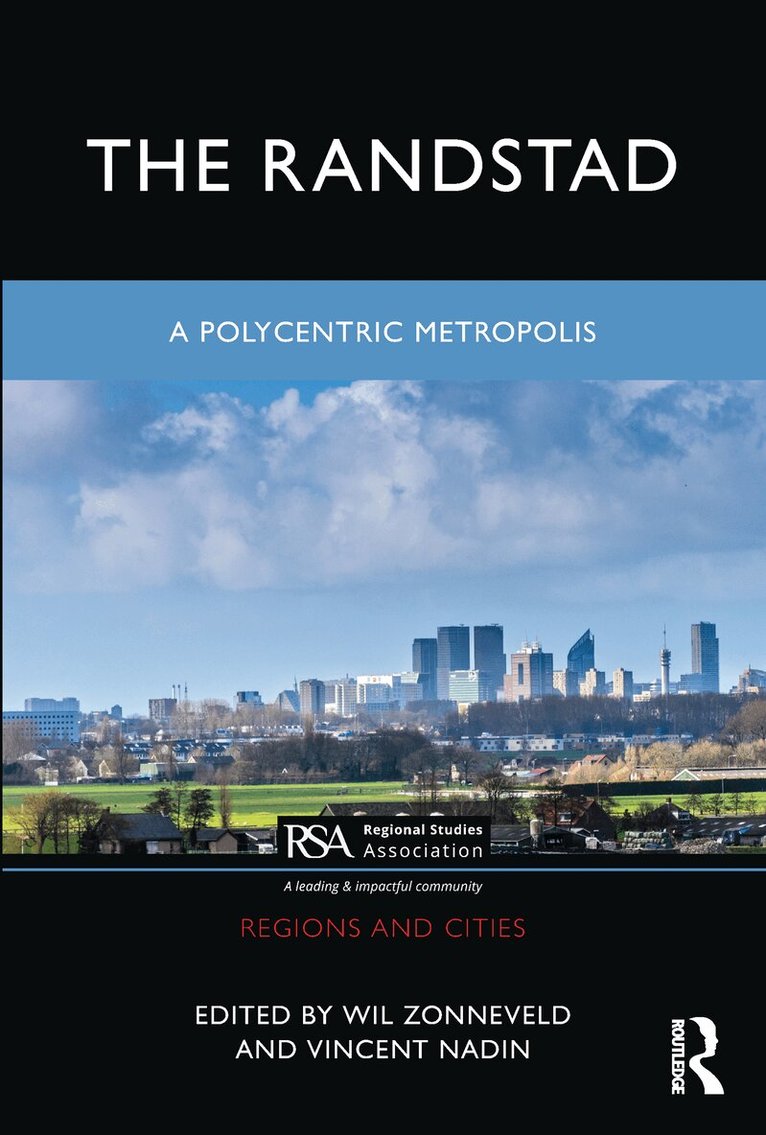
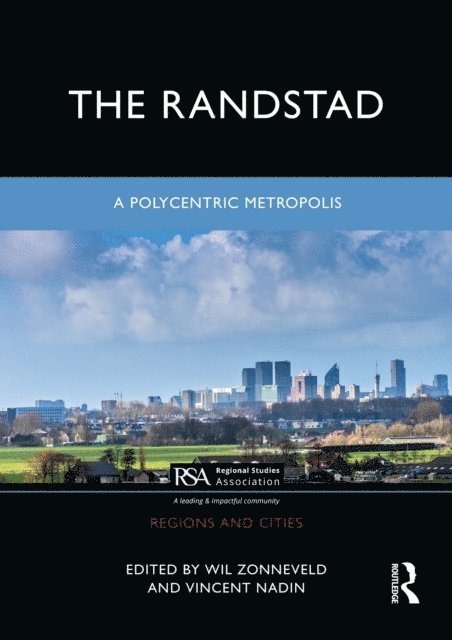
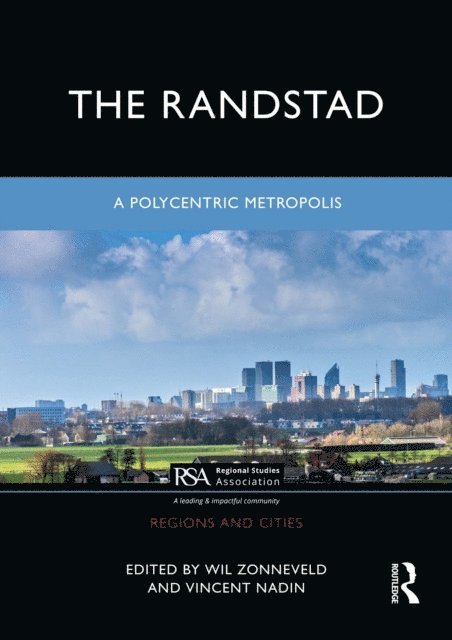
The Randstad metropolitan region encompassing Amsterdam, The Hague, Rotterdam and Utrecht in the western Netherlands is regarded worldwide as a model of a ‘successful’ polycentric metropolis. It is widely cited as an example of how a region of interconnected small cities can effectively compete globally by providing complementary functions which together match the power of large monocentric cities. The methods of strategic spatial planning, regional design and strategic projects that are said to underpin this polycentric metropolis are used as models for practitioners and students around the world.But is this high reputation deserved? Does the Randstad really function as a polycentric metropolis? The operation of the Randstad as a polycentric networked region is controversial both in terms of the actual strength of relations between its component parts, and the value of promoting polycentricity in policy. What are the costs and benefits of a Randstad metropolis? Does polycentricity improve the performance of the region in economic, social and environmental terms? How has the polycentric metropolis evolved and what part is played by its delta location? Has spatial planning made a difference in the form and operation of the region today? How will this spatial configuration fare in the face of the climate crisis and need to create healthy cities and regions? Is there benefit in pursuing the idea of a polycentric metropolis in government policy and action, and how?These questions are of critical interest within the Netherlands but experience in the Randstad offers valuable insights to many other complex urban regions around the world. This book will provide a critical analysis of the Randstad and lessons for strategic planning in other metropolitan regions.
1 618 kr
Skickas inom 10-15 vardagar
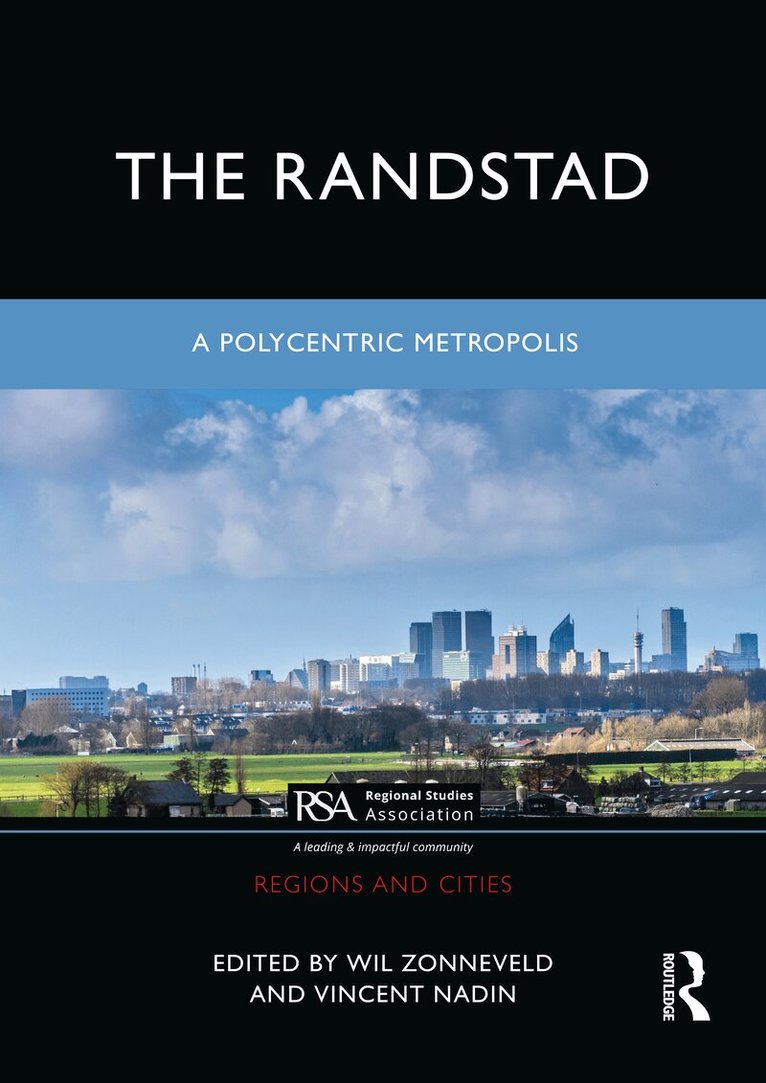
The Randstad metropolitan region encompassing Amsterdam, The Hague, Rotterdam and Utrecht in the western Netherlands is regarded worldwide as a model of a ‘successful’ polycentric metropolis. It is widely cited as an example of how a region of interconnected small cities can effectively compete globally by providing complementary functions which together match the power of large monocentric cities. The methods of strategic spatial planning, regional design and strategic projects that are said to underpin this polycentric metropolis are used as models for practitioners and students around the world.But is this high reputation deserved? Does the Randstad really function as a polycentric metropolis? The operation of the Randstad as a polycentric networked region is controversial both in terms of the actual strength of relations between its component parts, and the value of promoting polycentricity in policy. What are the costs and benefits of a Randstad metropolis? Does polycentricity improve the performance of the region in economic, social and environmental terms? How has the polycentric metropolis evolved and what part is played by its delta location? Has spatial planning made a difference in the form and operation of the region today? How will this spatial configuration fare in the face of the climate crisis and need to create healthy cities and regions? Is there benefit in pursuing the idea of a polycentric metropolis in government policy and action, and how?These questions are of critical interest within the Netherlands but experience in the Randstad offers valuable insights to many other complex urban regions around the world. This book will provide a critical analysis of the Randstad and lessons for strategic planning in other metropolitan regions.
2 088 kr
Skickas inom 10-15 vardagar
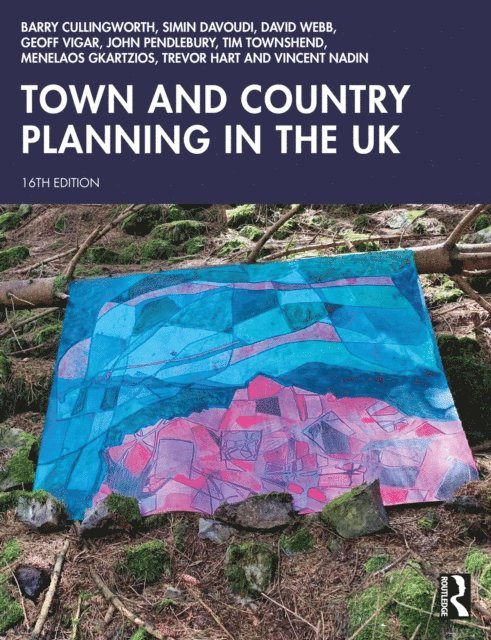
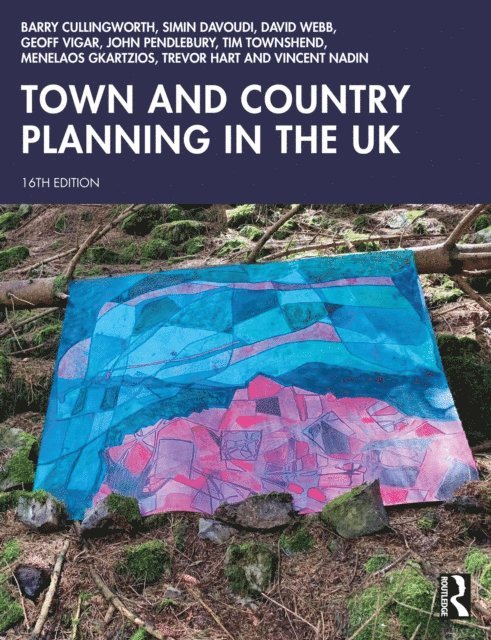
Town and Country Planning in the UK provides one of the most authoritative and comprehensive accounts of British planning history, institutions, legislation, policies, processes and practices. This 16th edition has been substantially revised and re-organised to provide an up-to-date overview of the planning systems in the four nations of the UK, supported by analyses, interpretations, illustrations and examples from planning practice.The new edition features:details of the legislative and policy changes since 2015 and discussion of their implications, including the early stages of the Levelling Up and Regeneration Act, 2023discussion of environmental policies and programmes and the impact of Brexit on environmental regulatory landscape in Britainchanges to climate change and resilience policies, notably the government’s ‘Net Zero’ agenda and their implications for planningupdates to the substantive issues in plan-making, especially the responses to the shortage of affordable housing and the development of major infrastructurechanges to the processes involved in plan-making and development managementan expanded and revised chapter on design to include the growing significance of public health in the built environmentmajor revisions to the chapter on rural planningrevisions of the text on planning theory especially in relation to management of conflicts over the use and development of landextended discussion of politics, professionalism and participation in planningThe 16th edition of Town and Country Planning in the UK is an ideal starting point for those who are studying or working in the planning field, and for other professionals who need to locate their work in the planning context.
793 kr
Skickas inom 10-15 vardagar
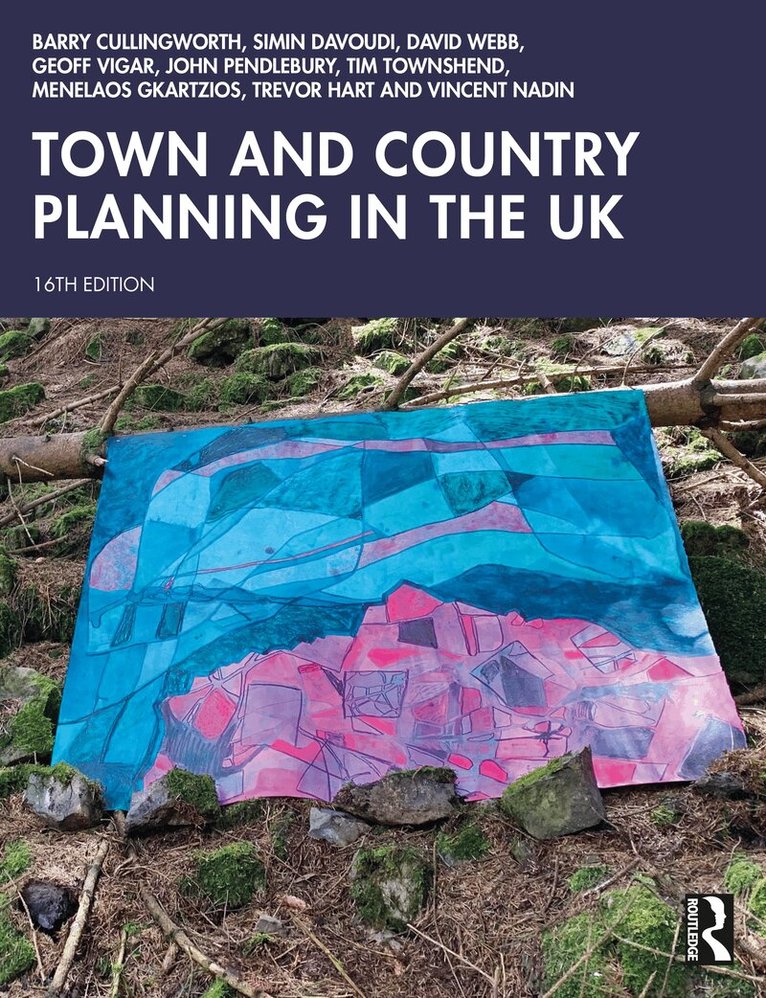
Town and Country Planning in the UK provides one of the most authoritative and comprehensive accounts of British planning history, institutions, legislation, policies, processes and practices. This 16th edition has been substantially revised and re-organised to provide an up-to-date overview of the planning systems in the four nations of the UK, supported by analyses, interpretations, illustrations and examples from planning practice.The new edition features:details of the legislative and policy changes since 2015 and discussion of their implications, including the early stages of the Levelling Up and Regeneration Act, 2023discussion of environmental policies and programmes and the impact of Brexit on environmental regulatory landscape in Britainchanges to climate change and resilience policies, notably the government’s ‘Net Zero’ agenda and their implications for planningupdates to the substantive issues in plan-making, especially the responses to the shortage of affordable housing and the development of major infrastructurechanges to the processes involved in plan-making and development managementan expanded and revised chapter on design to include the growing significance of public health in the built environmentmajor revisions to the chapter on rural planningrevisions of the text on planning theory especially in relation to management of conflicts over the use and development of landextended discussion of politics, professionalism and participation in planningThe 16th edition of Town and Country Planning in the UK is an ideal starting point for those who are studying or working in the planning field, and for other professionals who need to locate their work in the planning context.
502 kr
Skickas inom 7-10 vardagar
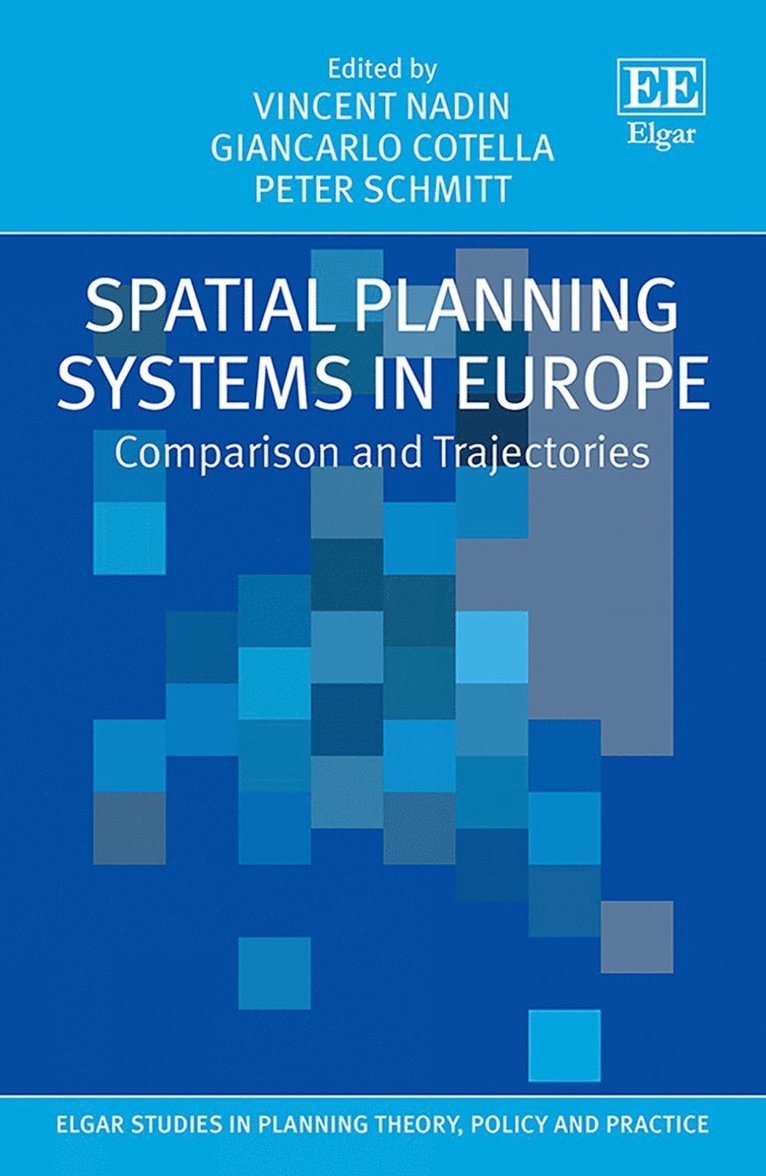
In the context of post-pandemic recovery and the urgent need for more resilient cities and regions to combat climate change, there has never been a more important time for spatial planning. This comprehensive account of the current state and trajectories of spatial planning in 32 European countries offers a systematic comparison of its characteristics, position in government and implementation. There is an emphasis on the role of spatial planning in coordinating the spatial impacts of sectoral policies.Chapters by experts in the field explain how governments are reforming spatial planning to meet new challenges, and how the European Union and its cohesion policy shape change through the Europeanisation of territorial governance. Although the capacity of nations, regions and cities to effectively govern the transformation of their territories remains as diverse as ever, this book identifies common trends towards a more responsive and inclusive spatial planning.Scholars and students of comparative spatial planning will value cross-country insights from the analysis. Planning professionals and policy makers will benefit from the knowledge of trends and policy reforms in other countries.
2 075 kr
Skickas inom 7-10 vardagar
In the context of post-pandemic recovery and the urgent need for more resilient cities and regions to combat climate change, there has never been a more important time for spatial planning. This comprehensive account of the current state and trajectories of spatial planning in 32 European countries offers a systematic comparison of its characteristics, position in government and implementation. There is an emphasis on the role of spatial planning in coordinating the spatial impacts of sectoral policies.Chapters by experts in the field explain how governments are reforming spatial planning to meet new challenges, and how the European Union and its cohesion policy shape change through the Europeanisation of territorial governance. Although the capacity of nations, regions and cities to effectively govern the transformation of their territories remains as diverse as ever, this book identifies common trends towards a more responsive and inclusive spatial planning.Scholars and students of comparative spatial planning will value cross-country insights from the analysis. Planning professionals and policy makers will benefit from the knowledge of trends and policy reforms in other countries.