Vincent Peloso - Böcker
Visar alla böcker från författaren Vincent Peloso. Handla med fri frakt och snabb leverans.
5 produkter
5 produkter
2 159 kr
Skickas inom 10-15 vardagar
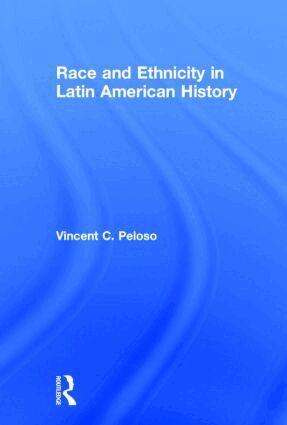
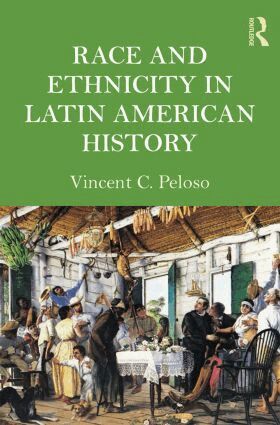
The Spanish and Portuguese empires that existed in the Americas for over three hundred years resulted in the creation of a New World population in which a complex array of racial and ethnic distinctions were embedded in the discourse of power. During the colonial era, racial and ethnic identities were publicly acknowledged by the state and the Church, and subject to stringent codes that shaped both individual lives and the structures of society. The legacy of these distinctions continued after independence, as race and ethnicity continued to form culturally defined categories of social life.In Race and Ethnicity in Latin American History, Vincent Peloso traces the story of ethnicity and race in Latin America from the sixteenth century to the contemporary period. In a short, synthetic narrative, he lays the groundwork for students to understand how the history of colonial racism is connected to the problems of racism in today’s Latin American societies. With features including timelines, plentiful maps and illustrations, and boxes highlighting important historical figures, the text provides a clear and accessible introduction to the complex subject of race and ethnicity in the history of Latin America.
646 kr
Skickas inom 10-15 vardagar
The Spanish and Portuguese empires that existed in the Americas for over three hundred years resulted in the creation of a New World population in which a complex array of racial and ethnic distinctions were embedded in the discourse of power. During the colonial era, racial and ethnic identities were publicly acknowledged by the state and the Church, and subject to stringent codes that shaped both individual lives and the structures of society. The legacy of these distinctions continued after independence, as race and ethnicity continued to form culturally defined categories of social life.In Race and Ethnicity in Latin American History, Vincent Peloso traces the story of ethnicity and race in Latin America from the sixteenth century to the contemporary period. In a short, synthetic narrative, he lays the groundwork for students to understand how the history of colonial racism is connected to the problems of racism in today’s Latin American societies. With features including timelines, plentiful maps and illustrations, and boxes highlighting important historical figures, the text provides a clear and accessible introduction to the complex subject of race and ethnicity in the history of Latin America.
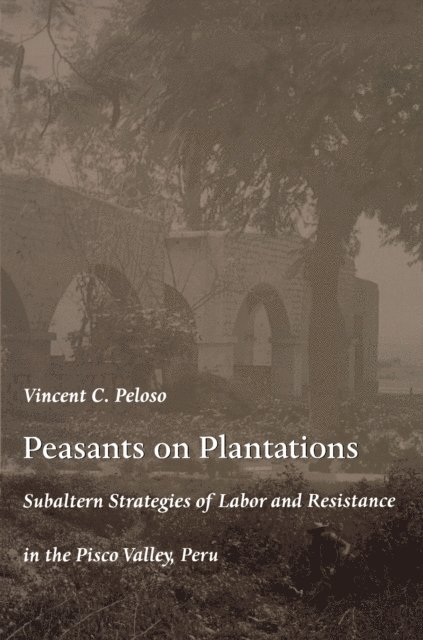
Peasants on Plantations
Subaltern Strategies of Labor and Resistance in the Pisco Valley, Peru
Inbunden, Engelska, 1999
1 219 kr
Skickas inom 7-10 vardagar
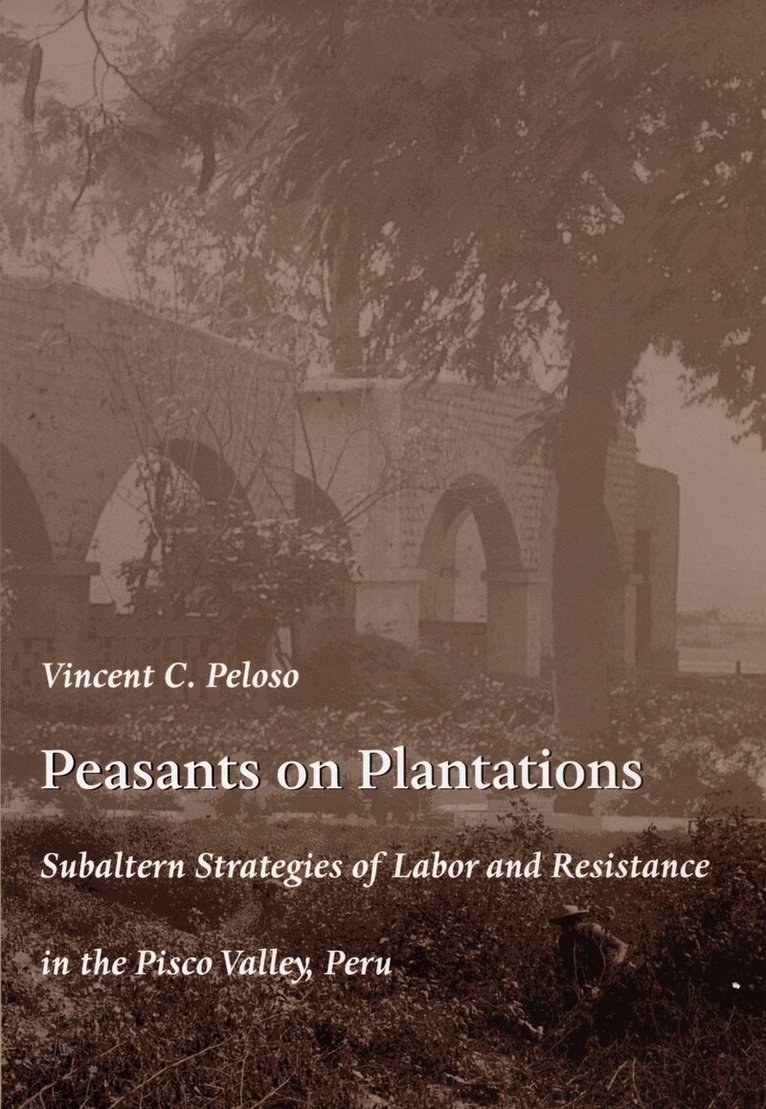
After the 1854 abolition of slavery in Peru, a new generation of plantation owners turned to a system of peasant tenantry to maintain cotton production through the use of cheap labor. In Peasants on Plantations Vincent C. Peloso analyzes the changing social and economic relationships governing the production of cotton in the Pisco Valley, a little-studied area of Peru’s south coast. Challenging widely held assumptions about the system of relations that tied peasants to the land, Peloso’s work examines the interdependence of the planters, managers, and peasants-and the various strategies used by peasants in their struggle to resist control by the owners. Grounded in the theoretical perspectives of subaltern studies and drawing on an extremely complete archive of landed estates that includes detailed regular reports by plantation managers on all aspects of farming life, Peasants on Plantations reveals the intricate ways peasants, managers, and owners manipulated each other to benefit their own interests. As Peloso demonstrates, rather than a simple case of domination of the peasants by the owners, both parties realized that negotiation was the key to successful growth, often with the result that peasants cooperated with plantation growth strategies in order to participate in a market economy. Long-term contracts gave tenants and sharecroppers many opportunities to make farming choices, to assert claims on the land, compete among themselves, and participate in plantation expansion. At the same time, owners strove to keep the peasants in debt and well aware of who maintained ultimate control. Peasants on Plantations offers a largely untold view of the monumental struggle between planters and peasants that was fundamental in shaping the agrarian history of Peru. It will interest those engaged in Latin American studies, anthropology, and peasant and agrarian studies.
Peasants on Plantations
Subaltern Strategies of Labor and Resistance in the Pisco Valley, Peru
Häftad, Engelska, 1999
557 kr
Skickas inom 3-6 vardagar
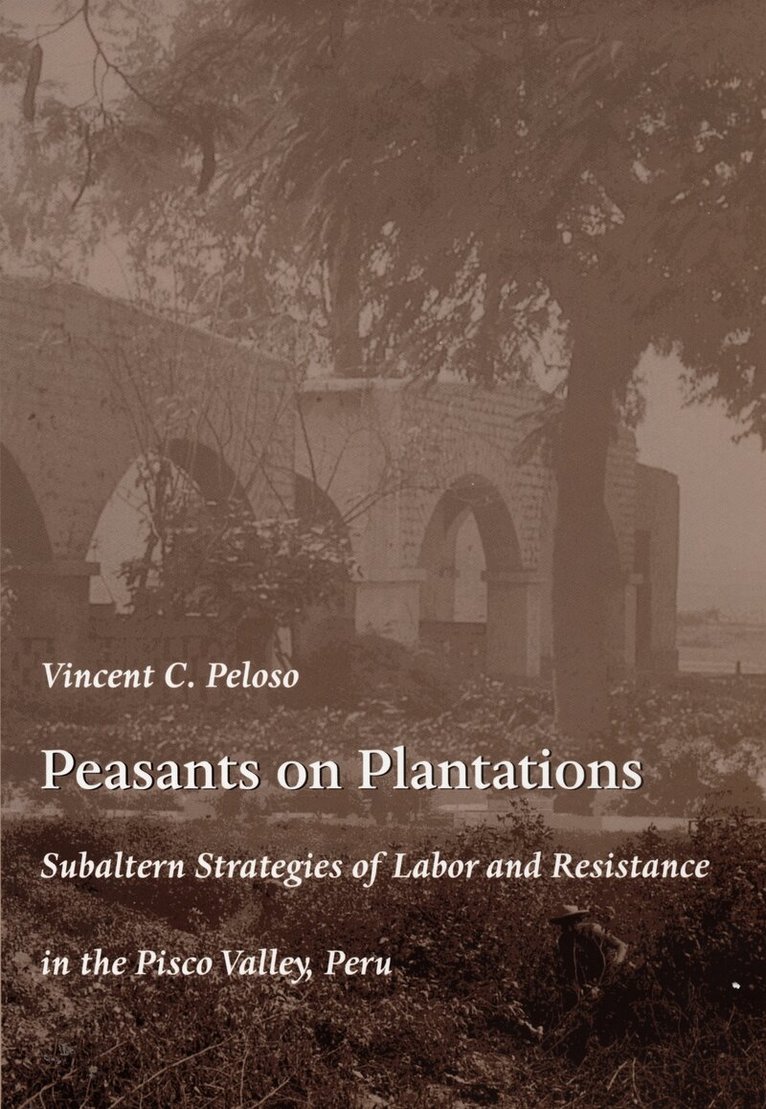
After the 1854 abolition of slavery in Peru, a new generation of plantation owners turned to a system of peasant tenantry to maintain cotton production through the use of cheap labor. In Peasants on Plantations Vincent C. Peloso analyzes the changing social and economic relationships governing the production of cotton in the Pisco Valley, a little-studied area of Peru’s south coast. Challenging widely held assumptions about the system of relations that tied peasants to the land, Peloso’s work examines the interdependence of the planters, managers, and peasants-and the various strategies used by peasants in their struggle to resist control by the owners. Grounded in the theoretical perspectives of subaltern studies and drawing on an extremely complete archive of landed estates that includes detailed regular reports by plantation managers on all aspects of farming life, Peasants on Plantations reveals the intricate ways peasants, managers, and owners manipulated each other to benefit their own interests. As Peloso demonstrates, rather than a simple case of domination of the peasants by the owners, both parties realized that negotiation was the key to successful growth, often with the result that peasants cooperated with plantation growth strategies in order to participate in a market economy. Long-term contracts gave tenants and sharecroppers many opportunities to make farming choices, to assert claims on the land, compete among themselves, and participate in plantation expansion. At the same time, owners strove to keep the peasants in debt and well aware of who maintained ultimate control. Peasants on Plantations offers a largely untold view of the monumental struggle between planters and peasants that was fundamental in shaping the agrarian history of Peru. It will interest those engaged in Latin American studies, anthropology, and peasant and agrarian studies.
220 kr
Skickas inom 5-8 vardagar