Vipul Mudgal – författare
Visar alla böcker från författaren Vipul Mudgal. Handla med fri frakt och snabb leverans.
8 produkter
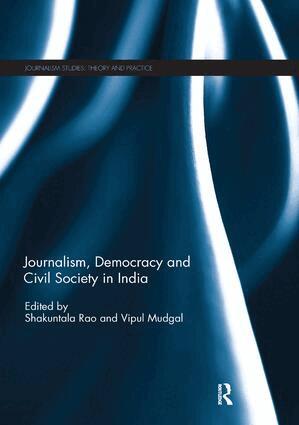
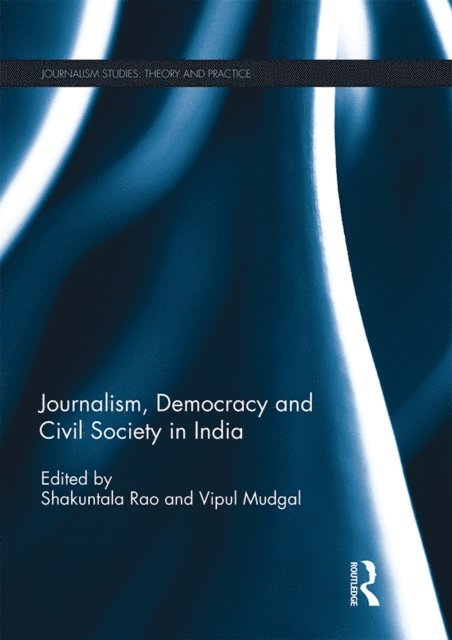
Journalism, Democracy and Civil Society in India
Av Shakuntala Rao, Vipul Mudgal
Häftad, 2018
735 kr
Lägg i varukorg
Since independence in 1947 India has remained a stable and functioning democracy in the face of enormous challenges. Amid a variety of interlinking contraries and a burgeoning media – one of the largest in the world – there has been a serious dearth of scholarship on the role of journalists and …
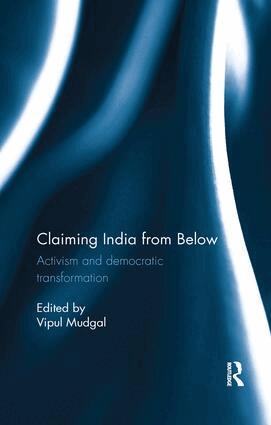
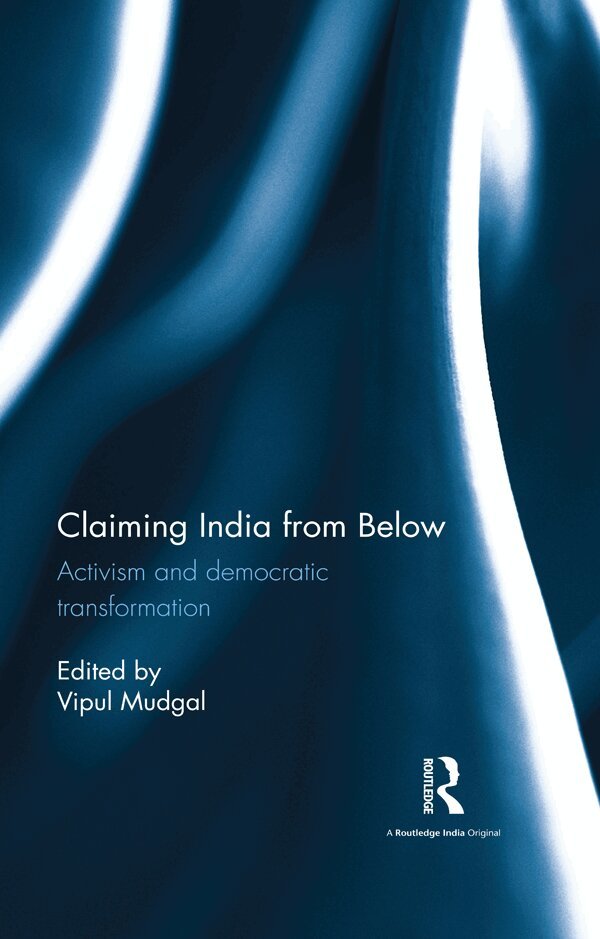
Claiming India from Below
Activism and democratic transformation
Av Vipul Mudgal
Häftad, 2017
823 kr
Lägg i varukorg
Going beyond electoral politics and government, this volume broadens the scope of the functioning of democracy in India, and explores citizens’ role in the implementation of public policy. It looks at the ways in which extra-parliamentary power monitoring devices such as public institutions, …
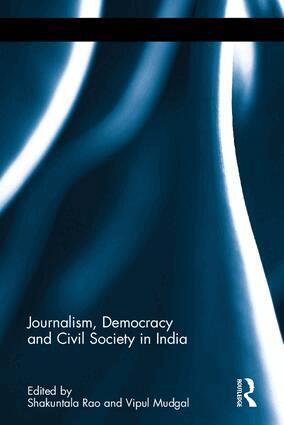
Journalism, Democracy and Civil Society in India
Av Shakuntala Rao, Vipul Mudgal
Inbunden, 2016
2519 kr
Lägg i varukorg
Since independence in 1947 India has remained a stable and functioning democracy in the face of enormous challenges. Amid a variety of interlinking contraries and a burgeoning media – one of the largest in the world – there has been a serious dearth of scholarship on the role of journalists and …
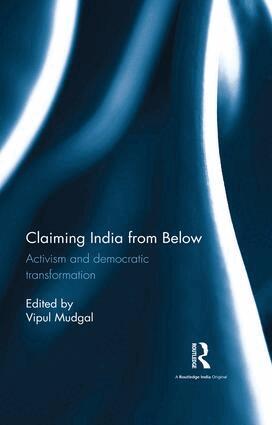
Claiming India from Below
Activism and democratic transformation
Av Vipul Mudgal
Inbunden, 2015
2519 kr
Lägg i varukorg
Going beyond electoral politics and government, this volume broadens the scope of the functioning of democracy in India, and explores citizens’ role in the implementation of public policy. It looks at the ways in which extra-parliamentary power monitoring devices such as public institutions, …
Journalism, Democracy and Civil Society in India
Av Vipul Mudgal, Shakuntala Rao
E-bok, 2018
919 kr
Lägg i varukorg
Since independence in 1947 India has remained a stable and functioning democracy in the face of enormous challenges. Amid a variety of interlinking contraries and a burgeoning media – one of the largest in the world – there has been a serious dearth of scholarship on the role of journalists and …
Journalism, Democracy and Civil Society in India
Av Vipul Mudgal, Shakuntala Rao
E-bok, 2018
847 kr
Lägg i varukorg
Since independence in 1947 India has remained a stable and functioning democracy in the face of enormous challenges. Amid a variety of interlinking contraries and a burgeoning media – one of the largest in the world – there has been a serious dearth of scholarship on the role of journalists and …
Claiming India from Below
Activism and democratic transformation
Av Vipul Mudgal
E-bok, 2015
970 kr
Lägg i varukorg
Going beyond electoral politics and government, this volume broadens the scope of the functioning of democracy in India, and explores citizens’ role in the implementation of public policy. It looks at the ways in which extra-parliamentary power monitoring devices such as public institutions, …
Claiming India from Below
Activism and democratic transformation
Av Vipul Mudgal
E-bok, 2015
970 kr
Lägg i varukorg
Going beyond electoral politics and government, this volume broadens the scope of the functioning of democracy in India, and explores citizens’ role in the implementation of public policy. It looks at the ways in which extra-parliamentary power monitoring devices such as public institutions, …