Virpi Lehtinen – författare
Visar alla böcker från författaren Virpi Lehtinen. Handla med fri frakt och snabb leverans.
2 produkter
2 produkter
Häftad, Engelska, 2015
435 kr
Skickas inom 5-8 vardagar
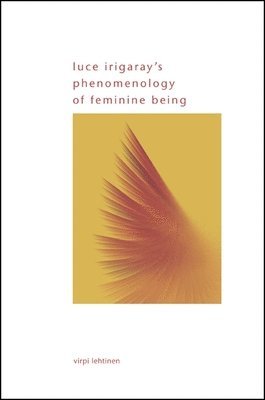
A dynamic interpretation of feminine identity capable of resistance, change, and transformation.The reception of Luce Irigaray's ideas about feminine identity has centered largely on questions of essentialism, whether criticizing this as a destructive flaw or interpreting it in strategic or pragmatic terms. Staking out an alternative approach, Virpi Lehtinen finds in the phenomenology of Husserl and Merleau-Ponty a framework for what she characterizes as dynamic essentialism, which seeks to account for the complex networks of lived experience: embodied, affective, and spiritual relations to oneself, to others, and to the world. Rather than prescribing one norm to which all women should conform, Lehtinen argues, Irigaray's work exemplifies how each individual woman in her own way contributes to a norm of femininity that is both unique and singular but also connected to the existential styles of past, present, and future others.
Inbunden, Engelska, 2014
1 101 kr
Tillfälligt slut
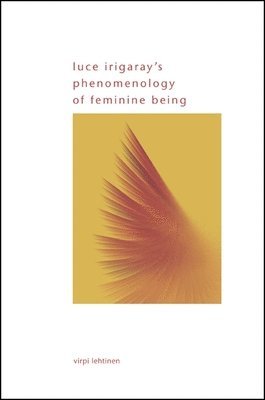
A dynamic interpretation of feminine identity capable of resistance, change, and transformation.The reception of Luce Irigaray's ideas about feminine identity has centered largely on questions of essentialism, whether criticizing this as a destructive flaw or interpreting it in strategic or pragmatic terms. Staking out an alternative approach, Virpi Lehtinen finds in the phenomenology of Husserl and Merleau-Ponty a framework for what she characterizes as dynamic essentialism, which seeks to account for the complex networks of lived experience: embodied, affective, and spiritual relations to oneself, to others, and to the world. Rather than prescribing one norm to which all women should conform, Lehtinen argues, Irigaray's work exemplifies how each individual woman in her own way contributes to a norm of femininity that is both unique and singular but also connected to the existential styles of past, present, and future others.