Vittorio Barale - Böcker
Visar alla böcker från författaren Vittorio Barale. Handla med fri frakt och snabb leverans.
9 produkter
9 produkter
1 593 kr
Skickas inom 10-15 vardagar
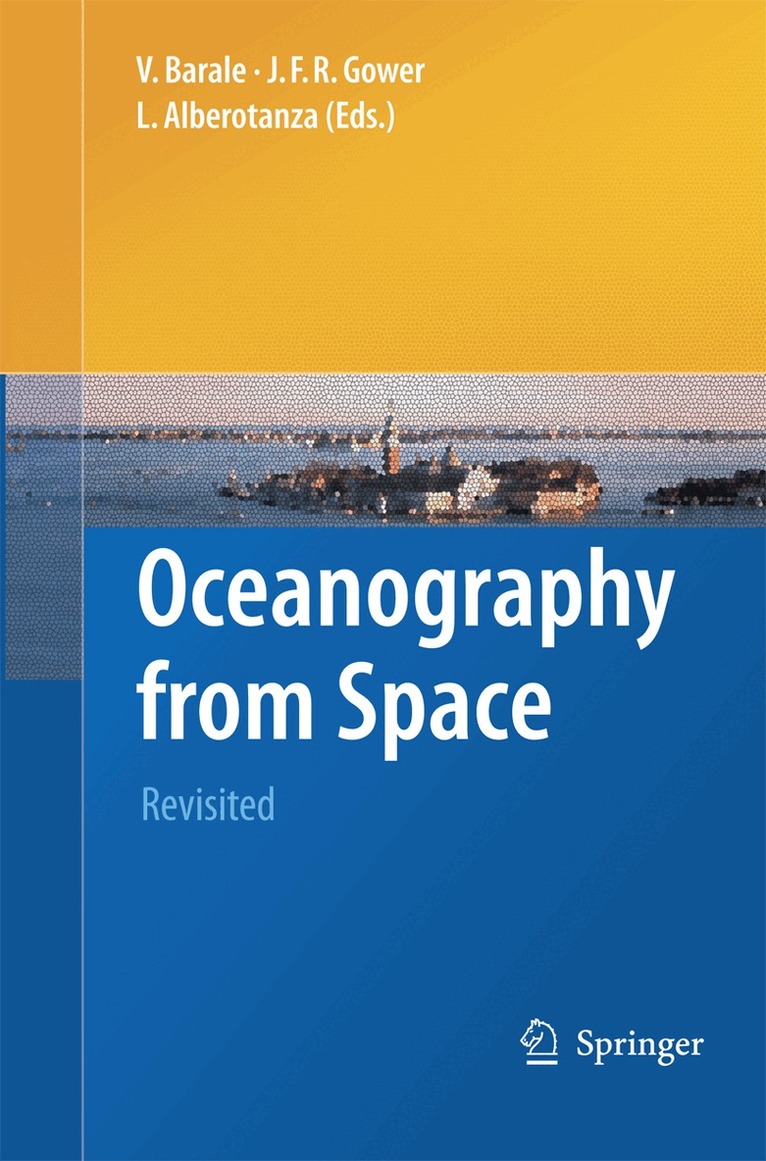
Princess Enheduanna, daughter of king Sargon of Akkad, lived around 2300 BC. She was a high priestess of the moon god Nanna in the ancient city of Ur. And an accomplished poet too. In fact, she is the author of a number of Sumerian hymns, and is generally considered to be the earliest author known by name. When she came to honor Inanna – the goddess of sexual love, fertility, and warfare, daughter of Nanna and often associated with the planet Venus (the one that the Akkadians called Ishtar) – above all the other gods of the Sumerian pantheon, she mentioned for the very first time, in her Hymn number 8, nothing less than the “Seven Seas”. . . Septem Maria, would call them the Romans centuries later, after inher- ing the concept from the Greeks (for whom seven probably just meant several), but perhaps applying it to the wrong place – i. e. the extensive system of coastal lagoons, which at the time dotted the northern Adriatic Sea – at least in the description of Pliny the Elder, Roman fleet commander and scholarly author of Historia Naturalis. Indeed, which seven seas are int- ded depends on the context. According to the historians, there are at least nine bodies of water in the medieval European and Arabic literature that can - pire to qualify as one of the famous seven.
1 804 kr
Skickas inom 10-15 vardagar
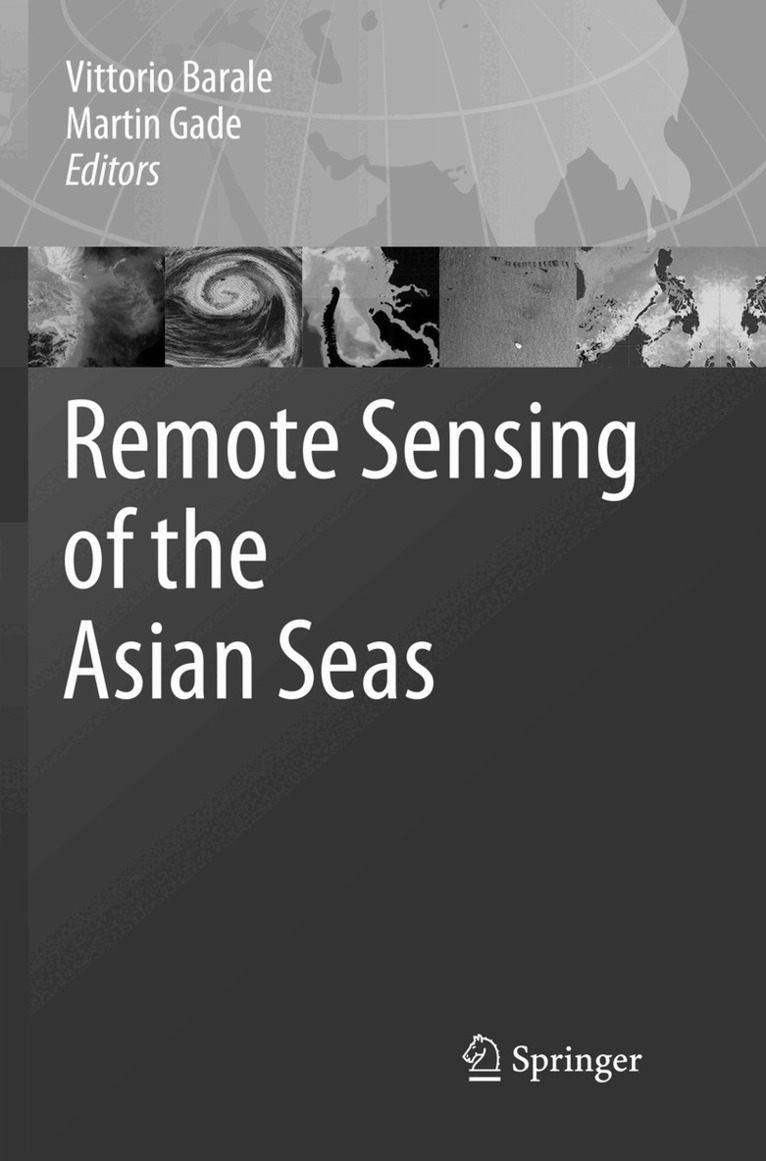
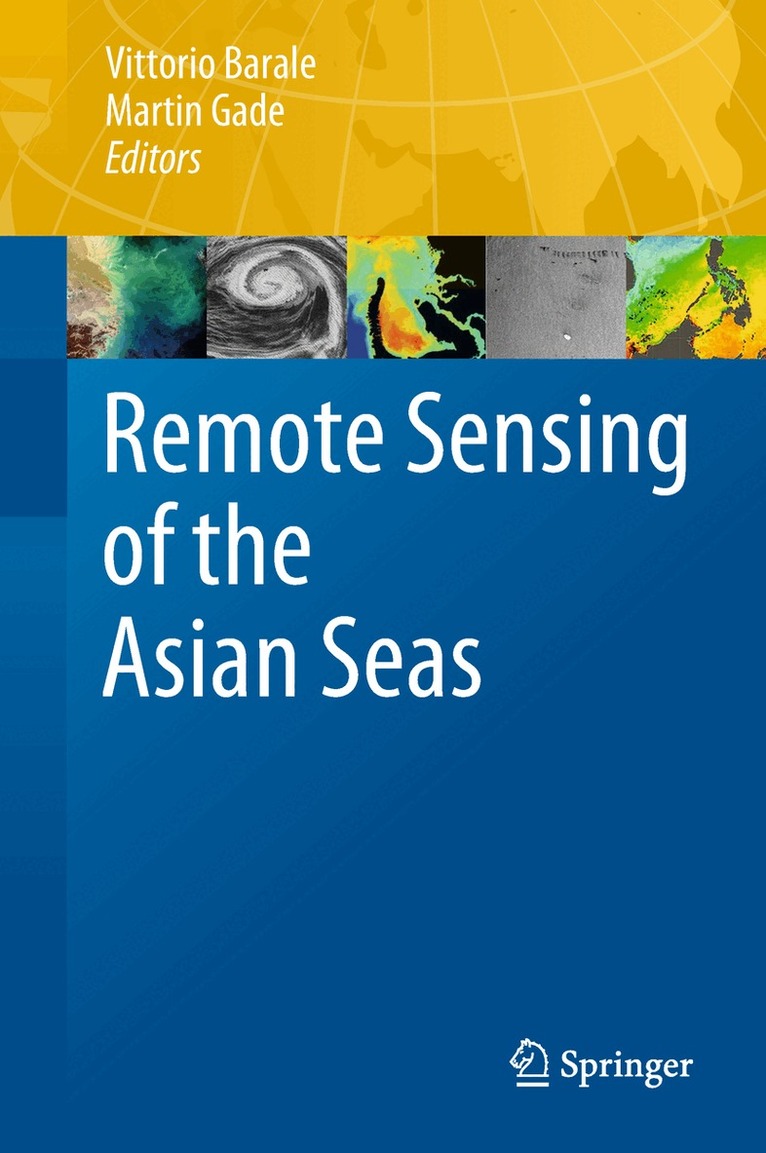
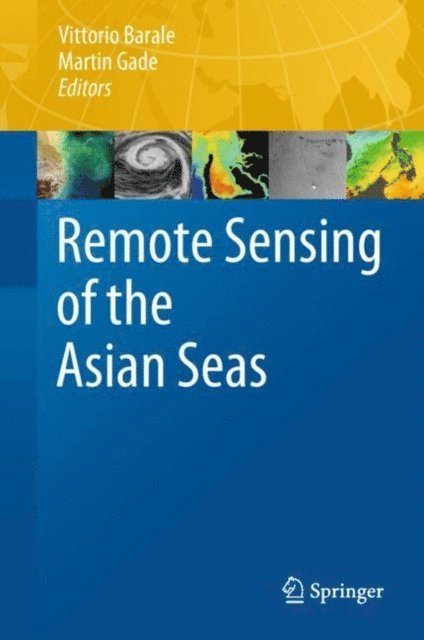
A wide variety of marginal basins, ranging from polar to equatorial regions, and a few sizeable enclosed basins, can all be included among the Asian Seas. The Arctic Ocean shelf seas off Siberia; the sheltered basins along the Pacific Ocean’s western rim; the coastal seas of the northernmost Indian Ocean, including the semi-enclosed Red Sea and Persian Gulf; the Caspian Sea, the remnants of the Aral Sea and a score of brackish or freshwater lakes, such as Lake Balkhash and Lake Baykal; all exhibit a multiplicity of environmental features and processes. Understanding the peculiarities of such a large and varied collection of marine and coastal types requires integrated observation systems, among which orbital remote sensing must play an essential role. This volume reviews the current potential of Earth Observations in assessing the many Asian seascapes, using both passive and active techniques in diverse spectral regions, such as measuring reflected visible and near-infrared sunlight and surface emissions in the thermal infrared and microwave range, or surface reflection of transmitted radar pulses in the microwave range. An in-depth evaluation of the available spectral regions and observation techniques, as well as of novel multi-technique methods, ensures that suitable tools are indeed accessible for exploring and managing the wealth of resources that the Asian Seas have to offer.
1 804 kr
Skickas inom 10-15 vardagar
A wide variety of marginal basins, ranging from polar to equatorial regions, and a few sizeable enclosed basins, can all be included among the Asian Seas. The Arctic Ocean shelf seas off Siberia; the sheltered basins along the Pacific Ocean’s western rim; the coastal seas of the northernmost Indian Ocean, including the semi-enclosed Red Sea and Persian Gulf; the Caspian Sea, the remnants of the Aral Sea and a score of brackish or freshwater lakes, such as Lake Balkhash and Lake Baykal; all exhibit a multiplicity of environmental features and processes. Understanding the peculiarities of such a large and varied collection of marine and coastal types requires integrated observation systems, among which orbital remote sensing must play an essential role. This volume reviews the current potential of Earth Observations in assessing the many Asian seascapes, using both passive and active techniques in diverse spectral regions, such as measuring reflected visible and near-infrared sunlight and surface emissions in the thermal infrared and microwave range, or surface reflection of transmitted radar pulses in the microwave range. An in-depth evaluation of the available spectral regions and observation techniques, as well as of novel multi-technique methods, ensures that suitable tools are indeed accessible for exploring and managing the wealth of resources that the Asian Seas have to offer.
1 593 kr
Skickas inom 10-15 vardagar
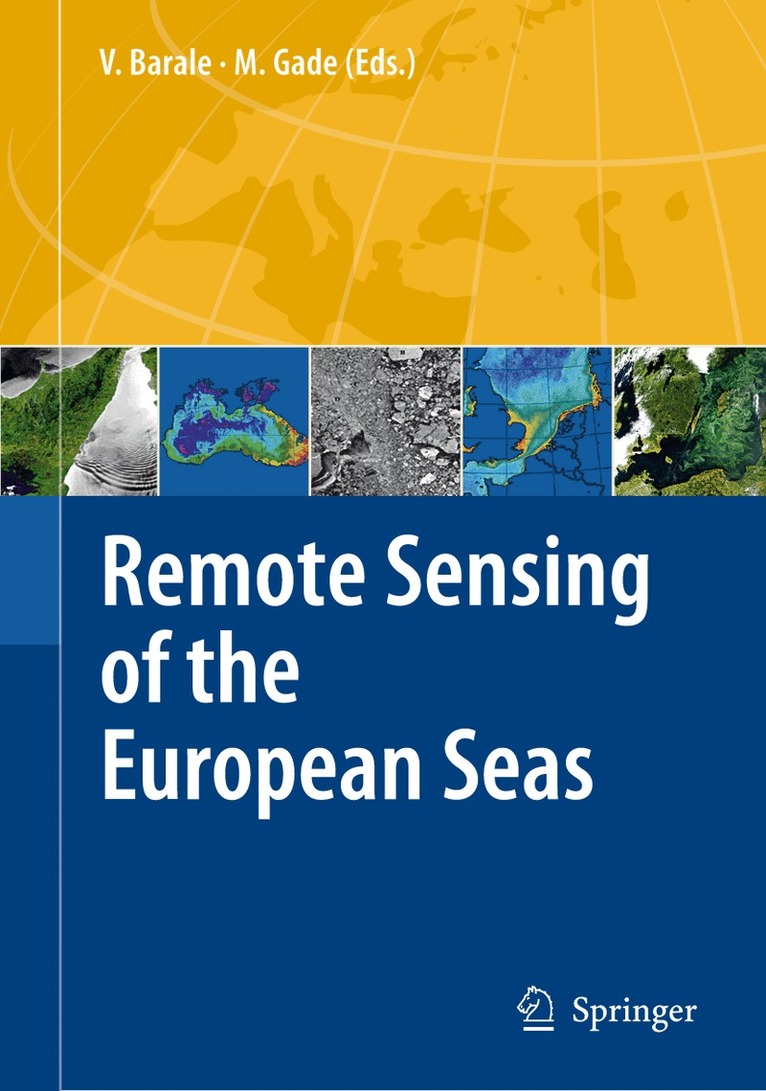
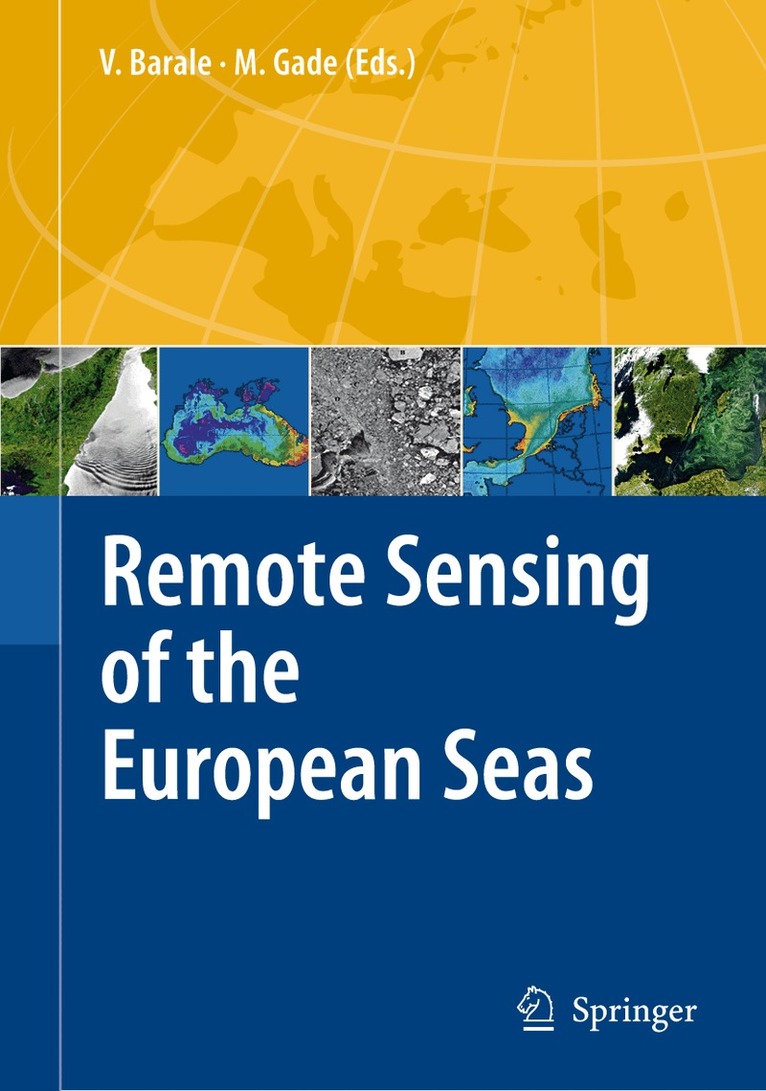
Here is a review of the current potential of Earth Observations that devotes particular attention to the challenges posed by the European Seas. The assessment of surface parameters by means of passive techniques -- which measure reflected visible and near-infrared sunlight, or surface emissions in the thermal infrared or microwave spectral regions -- is addressed. Active techniques -- which use transmitted impulses of visible or microwave radiation -- are covered as well.
1 593 kr
Skickas inom 10-15 vardagar
To all those sailors / Who dreamed before us / Of another way to sail the oceans. The dedication of this Volume is meant to recall, and honour, the bold pioneers of ocean exploration, ancient as well as modern. As a marine scientist, dealing with the oceans through the complex tools, ?lters and mechanisms of contemporary research, I have always wondered what it was like, in centuries past, to look at that vast ho- zon with the naked eye, not knowing what was ahead, and yet to sail on. I have tried to imagine what ancient sailors felt, when “the unknown swirls around and engulfs the mind”, as a forgotten author simply described the brave, perhaps reckless, act of facing such a hostile, menacing and yet fascinating adventure. Innovation has always been the key element, I think, for their success: another way, a better way, a more effective, safer and worthier way was the proper answer to the challenge. The map of our world has been changed time and again, from the geographical as well as the social, economic and scienti?c points of view, by the new discoveries of those sailors. One of the positive qualities of human beings is without doubt the inborn desire to expand their horizons, to see what lies beyond, to learn and understand.
1 593 kr
Skickas inom 10-15 vardagar
To all those sailors / Who dreamed before us / Of another way to sail the oceans. The dedication of this Volume is meant to recall, and honour, the bold pioneers of ocean exploration, ancient as well as modern. As a marine scientist, dealing with the oceans through the complex tools, ?lters and mechanisms of contemporary research, I have always wondered what it was like, in centuries past, to look at that vast ho- zon with the naked eye, not knowing what was ahead, and yet to sail on. I have tried to imagine what ancient sailors felt, when “the unknown swirls around and engulfs the mind”, as a forgotten author simply described the brave, perhaps reckless, act of facing such a hostile, menacing and yet fascinating adventure. Innovation has always been the key element, I think, for their success: another way, a better way, a more effective, safer and worthier way was the proper answer to the challenge. The map of our world has been changed time and again, from the geographical as well as the social, economic and scienti?c points of view, by the new discoveries of those sailors. One of the positive qualities of human beings is without doubt the inborn desire to expand their horizons, to see what lies beyond, to learn and understand.
1 064 kr
Skickas inom 10-15 vardagar
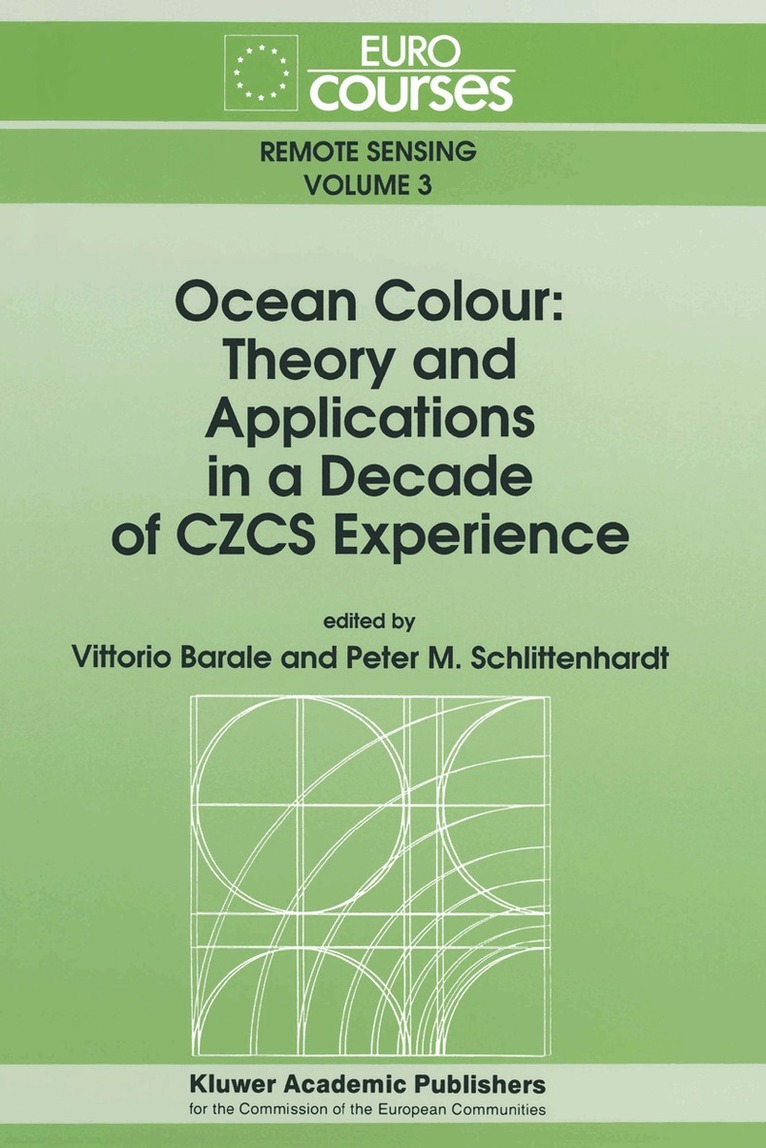
Optical remote sensing is of invaluable help in understanding the marine environment and its biogeochemical and physical processes. The Coastal Zone Color Scanner (CZCS), which operated on board the Nimbus-7 satellite from late 1978 to early 1986, has been the main source of ocean colour data. Much work has been devoted to CZCS data processing and analysis techniques throughout the 1980s. After a decade of experience, the Productivity of the Global Ocean (PGO) Activity - which was established in the framework of the International Space Year 1992 (ISY '92) by SAFISY, the Space Agency Forum of ISY - sponsored a workshop aimed at providing a reference in ocean colour science and at promoting the full exploitation of the CZCS historical data in the field of biological oceanography. The present volume comprises a series of state-of-the-art contributions on theory, applications and future perspectives of ocean colour. After an introduction on the historical perspective of ocean colour, a number of articles are devoted to the CZCS theoretical background, on radiative transfer and in-water topics, as well as on calibration, atmospheric correction and pigment concentration retrieval algorithms developed for the CZCS. Further, a review is given of major applications of CZCS data around the world, carried out in the past decade. The following part of the book is centered on the application of ocean colour to the assessment of marine biological information, with particular regard to plankton biomass, primary productivity and the coupling of physical/biological models. The links between global oceanic production and climate dynamics are also addressed. Finally, the last section is devoted to future approaches and goals of ocean colour science, and to planned sensors and systems. The book is required reading for those involved in ocean colour and related disciplines, providing an overview of the current status in this field as well as stimulating thedebate on new ideas and developments for upcoming ocean colour missions.
1 593 kr
Skickas inom 10-15 vardagar
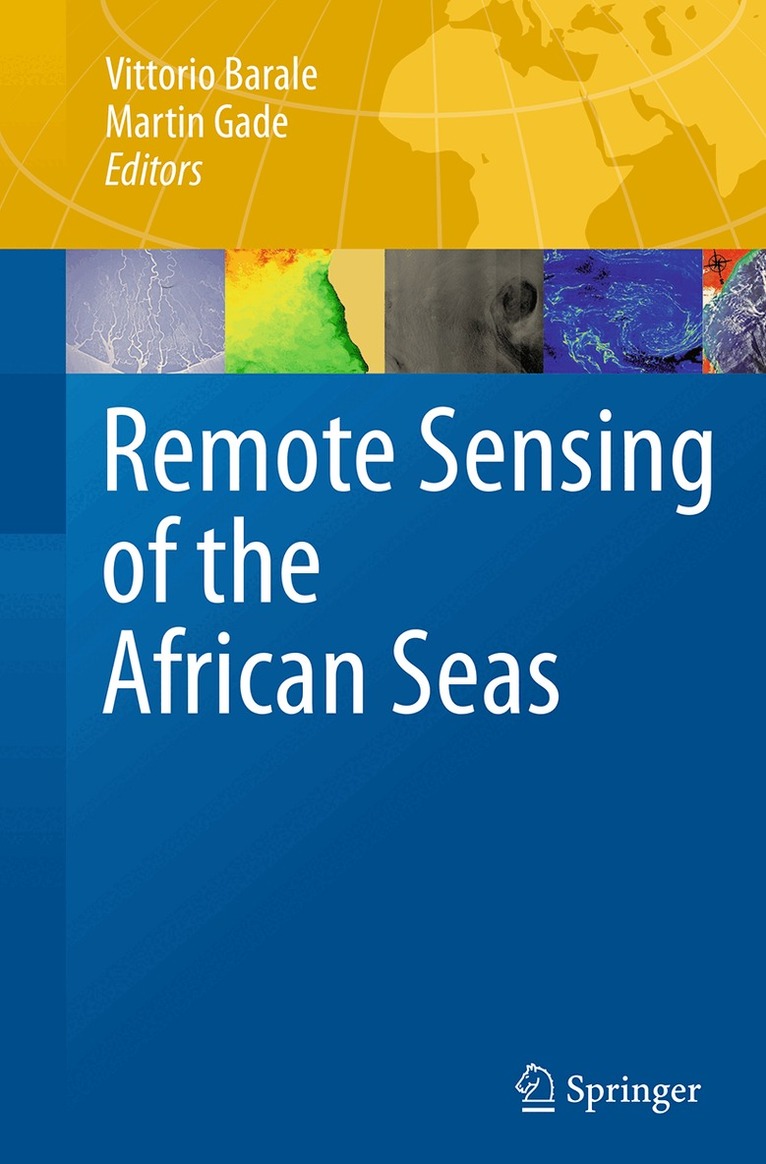
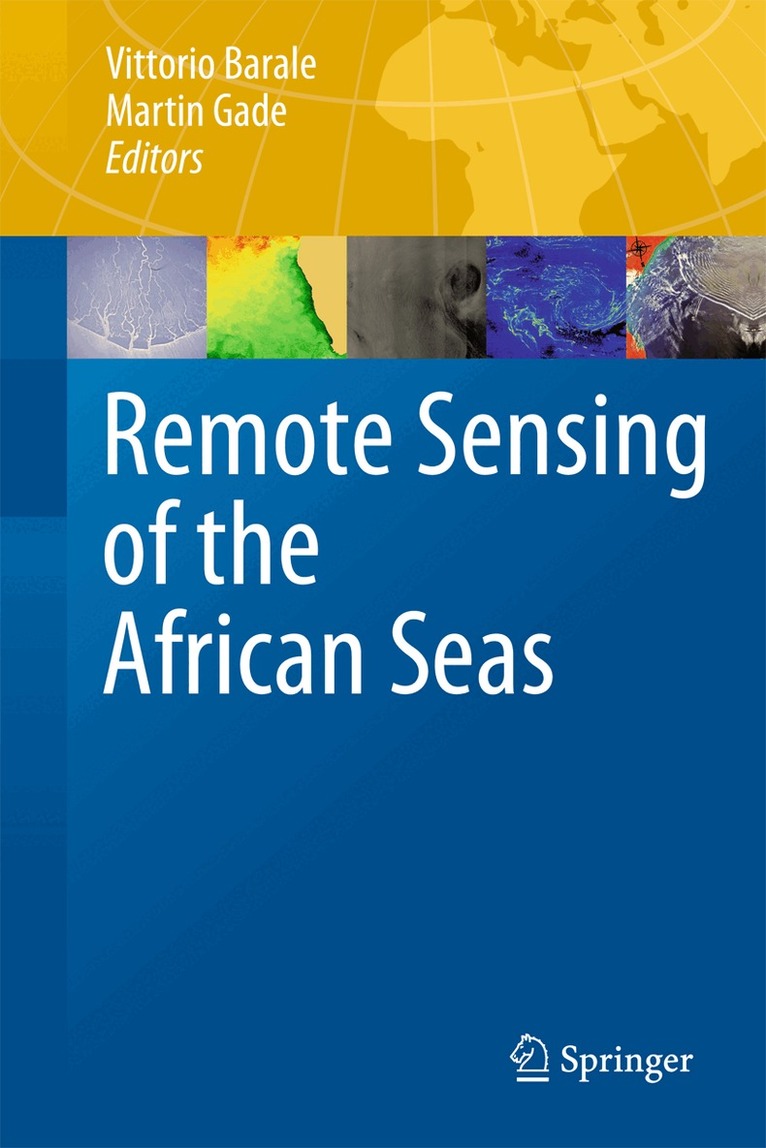
The African Seas include marginal basins of two major oceans, the Atlantic and the Indian, a miniature ocean, the Mediterranean Sea, and an infant ocean, the Red Sea. Understanding the wide spectrum of environmental features and processes of such a varied collection of marine and coastal regions requires that in situ observation systems be integrated and actually guided, by the application of orbital remote sensing techniques. This volume reviews the current potential of Earth Observations to help in the exploration of the marginal seas around Africa, by virtue of both passive and active techniques, working in several spectral ranges – i.e. measuring either reflected visible and near-infrared sunlight, as well as surface emissions in the thermal infrared and microwave spectral regions, or again the surface reflection of transmitted lidar or radar impulses of visible or microwave radiation. The in-depth evaluation of the advantages offered by each technique and spectral region and inparticular by the development of advanced multi-technique systems, contributes to the assessment of the abundant natural resources that the Seas of Africa have to offer, of those in dear need of being – sustainably – exploited and of others that should be protected and maintained in their still pristine conditions.
1 593 kr
Skickas inom 10-15 vardagar
The African Seas include marginal basins of two major oceans, the Atlantic and the Indian, a miniature ocean, the Mediterranean Sea, and an infant ocean, the Red Sea. Understanding the wide spectrum of environmental features and processes of such a varied collection of marine and coastal regions requires that in situ observation systems be integrated and actually guided, by the application of orbital remote sensing techniques. This volume reviews the current potential of Earth Observations to help in the exploration of the marginal seas around Africa, by virtue of both passive and active techniques, working in several spectral ranges – i.e. measuring either reflected visible and near-infrared sunlight, as well as surface emissions in the thermal infrared and microwave spectral regions, or again the surface reflection of transmitted lidar or radar impulses of visible or microwave radiation. The in-depth evaluation of the advantages offered by each technique and spectral region and inparticular by the development of advanced multi-technique systems, contributes to the assessment of the abundant natural resources that the Seas of Africa have to offer, of those in dear need of being – sustainably – exploited and of others that should be protected and maintained in their still pristine conditions.