Vivek Bhardwaj – författare
2 408 kr
Skickas inom 5-8 vardagar
2 742 kr
Skickas inom 5-8 vardagar
2 619 kr
Läs direkt efter köp
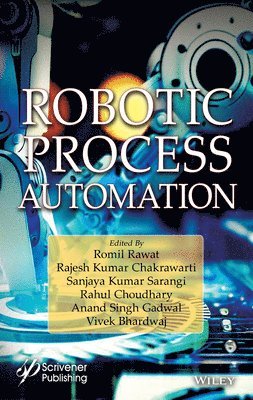
Presenting the latest technologies and practices in this ever-changing field, this groundbreaking new volume covers the theoretical challenges and practical solutions for using robotics across a variety of industries, encompassing many disciplines, including mathematics, computer science, electrical engineering, information technology, mechatronics, electronics, bioengineering, and command and software engineering.
Robotics is the study of creating devices that can take the place of people and mimic their behaviors. Mechanical engineering, electrical engineering, information engineering, mechatronics, electronics, bioengineering, computer engineering, control engineering, software engineering, mathematics, and other subjects are all included in robotics. Robots can be employed in a variety of scenarios and for a variety of objectives, but many are now being used in hazardous areas (such as radioactive material inspection, bomb detection, and deactivation), manufacturing operations, or in conditions where humans are unable to live (e.g. in space, underwater, in high heat, and clean up and containment of hazardous materials and radiation). Walking, lifting, speaking, cognition, and any other human activity are all attempted by robots. Many of today’s robots are influenced by nature, making bio-inspired robotics a growing area. Defusing explosives, seeking survivors in unstable ruins, and investigating mines and shipwrecks are just a few of the activities that robots are designed to undertake.
This groundbreaking new volume presents a Robotic Process Automation (RPA) software technique that makes it simple to create, deploy, and manage software robots that mimic human movements while dealing with digital systems and software. Software robots can interpret what’s on a screen, type the correct keystrokes, traverse systems, locate and extract data, and do a wide variety of predetermined operations, much like people. Software robots can do it quicker and more reliably than humans, without having to stand up and stretch or take a coffee break.
2 596 kr
Läs direkt efter köp
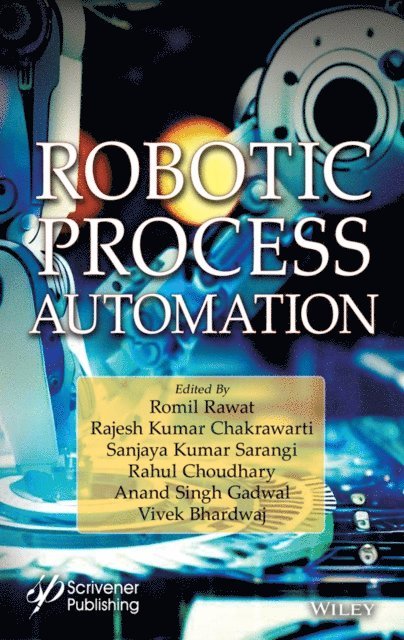
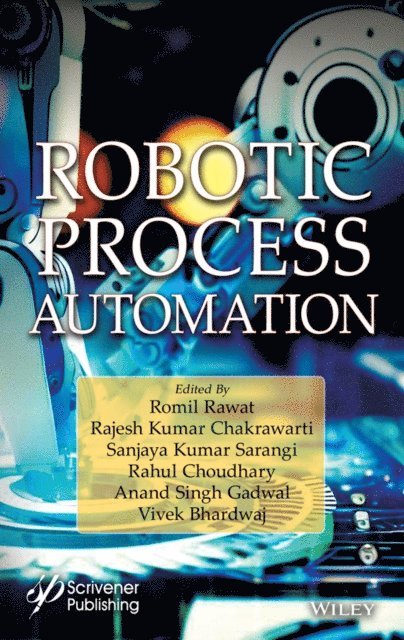
Presenting the latest technologies and practices in this ever-changing field, this groundbreaking new volume covers the theoretical challenges and practical solutions for using robotics across a variety of industries, encompassing many disciplines, including mathematics, computer science, electrical engineering, information technology, mechatronics, electronics, bioengineering, and command and software engineering.
Robotics is the study of creating devices that can take the place of people and mimic their behaviors. Mechanical engineering, electrical engineering, information engineering, mechatronics, electronics, bioengineering, computer engineering, control engineering, software engineering, mathematics, and other subjects are all included in robotics. Robots can be employed in a variety of scenarios and for a variety of objectives, but many are now being used in hazardous areas (such as radioactive material inspection, bomb detection, and deactivation), manufacturing operations, or in conditions where humans are unable to live (e.g. in space, underwater, in high heat, and clean up and containment of hazardous materials and radiation). Walking, lifting, speaking, cognition, and any other human activity are all attempted by robots. Many of today’s robots are influenced by nature, making bio-inspired robotics a growing area. Defusing explosives, seeking survivors in unstable ruins, and investigating mines and shipwrecks are just a few of the activities that robots are designed to undertake.
This groundbreaking new volume presents a Robotic Process Automation (RPA) software technique that makes it simple to create, deploy, and manage software robots that mimic human movements while dealing with digital systems and software. Software robots can interpret what’s on a screen, type the correct keystrokes, traverse systems, locate and extract data, and do a wide variety of predetermined operations, much like people. Software robots can do it quicker and more reliably than humans, without having to stand up and stretch or take a coffee break.
3 054 kr
Läs direkt efter köp
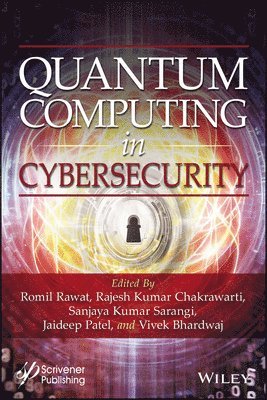
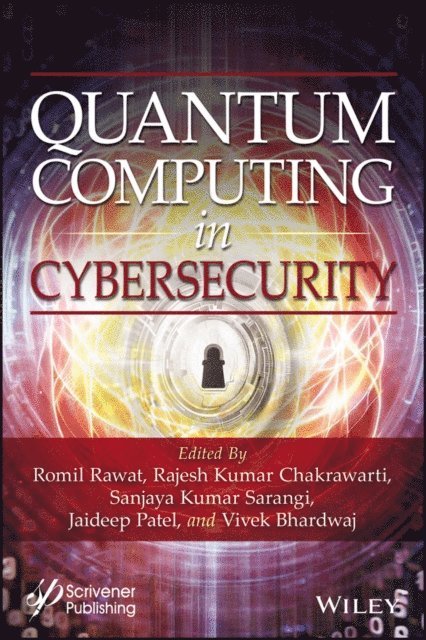
Machine learning, deep learning, probabilistic neural networks, blockchain, and other new technologies all demand extremely high processing speeds. A quantum computer is an example of such a system. Quantum computers may be accessed over the internet. This technology poses a significant risk, since quantum terrorists, or cyber criminals, coul be able to cause many problems, including bringing down the internet. The principles of quantum mechanics might be used by evil doers to destroy quantum information on a global scale, and an entire class of suspicious codes could destroy data or eavesdrop on communication.
Quantum physics, however, safeguards against data eavesdropping. A significant amount of money is being invested in developing and testing a quantum version of the internet that will eliminate eavesdropping and make communication nearly impenetrable to cyber-attacks. The simultaneous activation of quantum terrorists (organized crime) can lead to significant danger by attackers introducing quantum information into the network, breaking the global quantum state, and preventing the system from returning to its starting state. Without signs of identifying information and real-time communication data, such vulnerabilities are very hard to discover. Terrorists'' synchronized and coordinated acts have an impact on security by sparking a cyber assault in a fraction of a second.
The encryption is used by cyber-criminal groups with the genuine, nefarious, and terrible motives of killing innocent people or stealing money. In the hands of criminals and codes, cryptography is a dangerous and formidable weapon. Small amounts of digital information are hidden in a code string that translates into an image on the screen, making it impossible for the human eye to identify a coded picture from its uncoded equivalents. To steal the cryptographic key necessary to read people''s credit card data or banking information, cyber thieves employ installed encryption techniques, human mistakes, keyboard loggers, and computer malware.
This new volume delves into the latest cutting-edge trends and the most up-to-date processes and applications for quantum computing to bolster cybersecurity. Whether for the veteran computer engineer working in the field, other computer scientists and professionals, or for the student, this is a one-stop-shop for quantum computing in cyber security and a must have for any library.
3 054 kr
Läs direkt efter köp
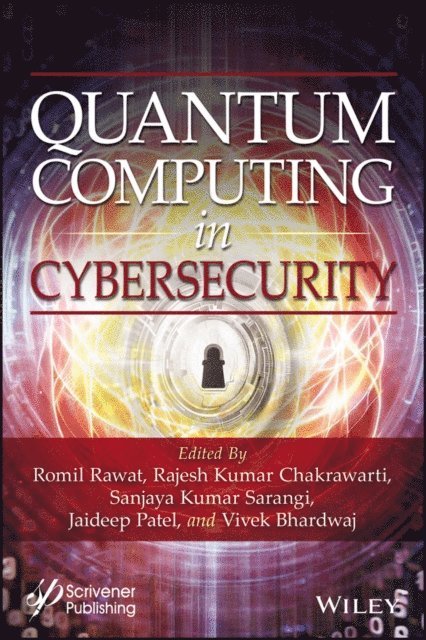
Machine learning, deep learning, probabilistic neural networks, blockchain, and other new technologies all demand extremely high processing speeds. A quantum computer is an example of such a system. Quantum computers may be accessed over the internet. This technology poses a significant risk, since quantum terrorists, or cyber criminals, coul be able to cause many problems, including bringing down the internet. The principles of quantum mechanics might be used by evil doers to destroy quantum information on a global scale, and an entire class of suspicious codes could destroy data or eavesdrop on communication.
Quantum physics, however, safeguards against data eavesdropping. A significant amount of money is being invested in developing and testing a quantum version of the internet that will eliminate eavesdropping and make communication nearly impenetrable to cyber-attacks. The simultaneous activation of quantum terrorists (organized crime) can lead to significant danger by attackers introducing quantum information into the network, breaking the global quantum state, and preventing the system from returning to its starting state. Without signs of identifying information and real-time communication data, such vulnerabilities are very hard to discover. Terrorists'' synchronized and coordinated acts have an impact on security by sparking a cyber assault in a fraction of a second.
The encryption is used by cyber-criminal groups with the genuine, nefarious, and terrible motives of killing innocent people or stealing money. In the hands of criminals and codes, cryptography is a dangerous and formidable weapon. Small amounts of digital information are hidden in a code string that translates into an image on the screen, making it impossible for the human eye to identify a coded picture from its uncoded equivalents. To steal the cryptographic key necessary to read people''s credit card data or banking information, cyber thieves employ installed encryption techniques, human mistakes, keyboard loggers, and computer malware.
This new volume delves into the latest cutting-edge trends and the most up-to-date processes and applications for quantum computing to bolster cybersecurity. Whether for the veteran computer engineer working in the field, other computer scientists and professionals, or for the student, this is a one-stop-shop for quantum computing in cyber security and a must have for any library.