Vivian Boland OP - Böcker
Visar alla böcker från författaren Vivian Boland OP. Handla med fri frakt och snabb leverans.
3 produkter
3 produkter
146 kr
Skickas
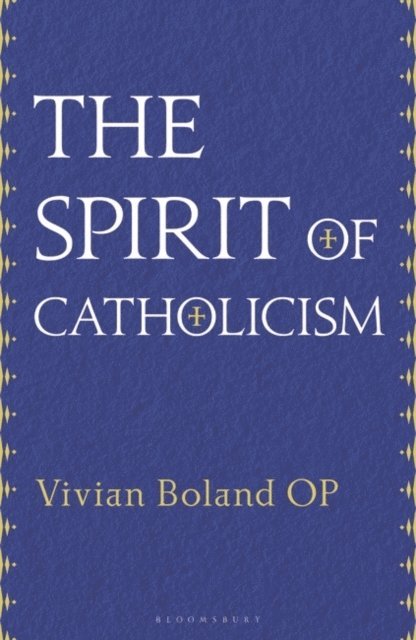
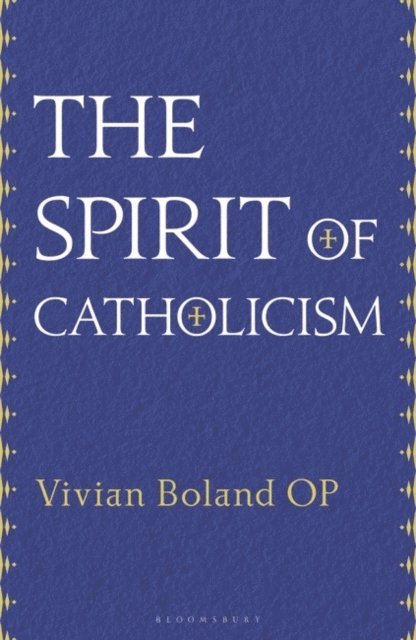
The Catholic Church seems to be in serious crisis – disfigured by scandals, divided by theological, cultural and political differences, retreating institutionally in many places, judged irrelevant by a culture that believes it has outgrown this kind of religious faith.Yet the number of practising Catholics increases each year, a growing membership that seeks to be well grounded spiritually, intellectually and pastorally. Many younger people are curious to know and experience traditional and historical realities. Thus, the need for an informed and reflective restatement of The Spirit of Catholicism has never been more urgent.In this clear and intelligible book, Vivian Boland presents the substance of Catholic belief and life, what the res catholica believes itself essentially to be. From its basis in the Bible, learning from key figures of Christian history, and in the full light of Pope Francis’s missionary ethos, this account of Catholicism casts new light on familiar teachings, the treasure carried by this ‘earthen vessel’.Neither apologetic nor controversial, it shows how embodiment is at the heart of Catholicism – Christ, Mary, sacraments, a historical institution. It shows how this body is structured and develops into a form of life marked by a special kind of fraternity and resulting in a particular presence in human history and society.Catholic teachings about Mary and the Eucharist, about hierarchy and authority, about spiritual life and pastoral care, about holiness and love, are presented in their deepest and fullest context: Christ as the Son of God and head of humanity, the Holy Spirit giving energy and new life, and the Father, the great love that awaits us.
188 kr
Skickas
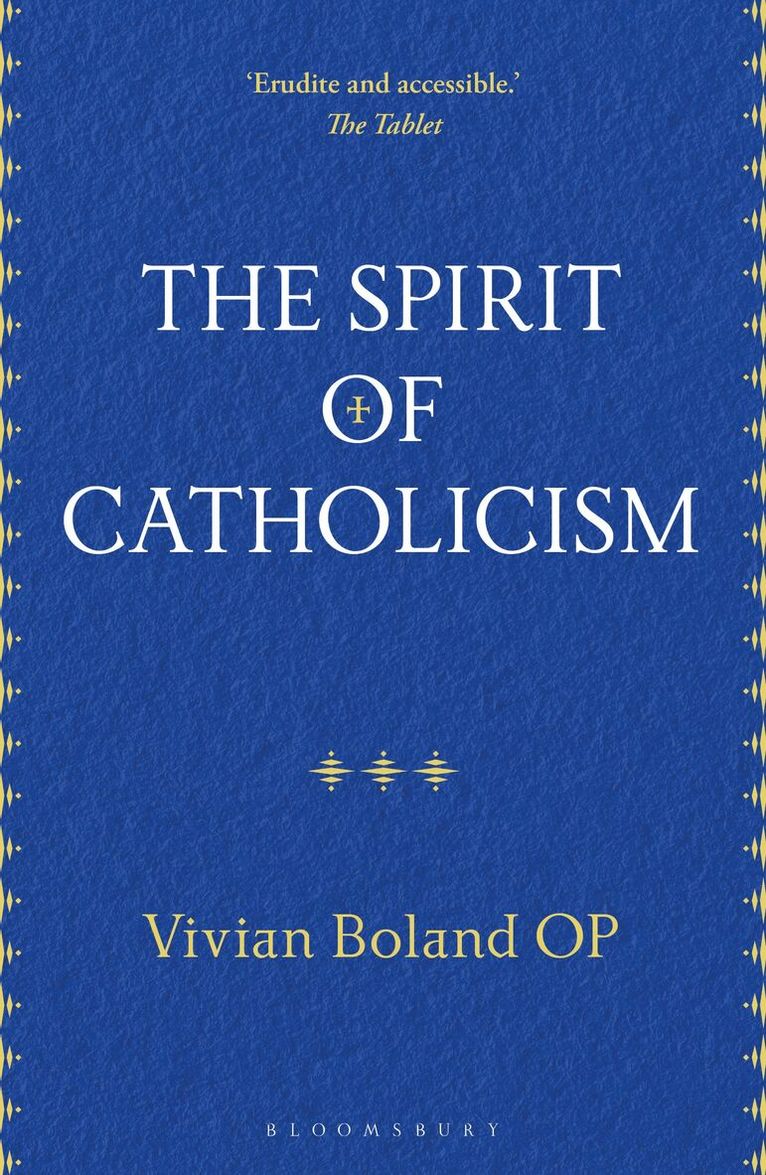
The Catholic Church seems to be in serious crisis – disfigured by scandals, divided by theological, cultural and political differences, retreating institutionally in many places, judged irrelevant by a culture that believes it has outgrown this kind of religious faith.Yet the number of practising Catholics increases each year, a growing membership that seeks to be well grounded spiritually, intellectually and pastorally. Many younger people are curious to know and experience traditional and historical realities. Thus, the need for an informed and reflective restatement of The Spirit of Catholicism has never been more urgent.In this clear and intelligible book, Vivian Boland presents the substance of Catholic belief and life, what the res catholica believes itself essentially to be. From its basis in the Bible, learning from key figures of Christian history, and in the full light of Pope Francis’s missionary ethos, this account of Catholicism casts new light on familiar teachings, the treasure carried by this ‘earthen vessel’.Neither apologetic nor controversial, it shows how embodiment is at the heart of Catholicism – Christ, Mary, sacraments, a historical institution. It shows how this body is structured and develops into a form of life marked by a special kind of fraternity and resulting in a particular presence in human history and society.Catholic teachings about Mary and the Eucharist, about hierarchy and authority, about spiritual life and pastoral care, about holiness and love, are presented in their deepest and fullest context: Christ as the Son of God and head of humanity, the Holy Spirit giving energy and new life, and the Father, the great love that awaits us.
513 kr
Skickas inom 10-15 vardagar
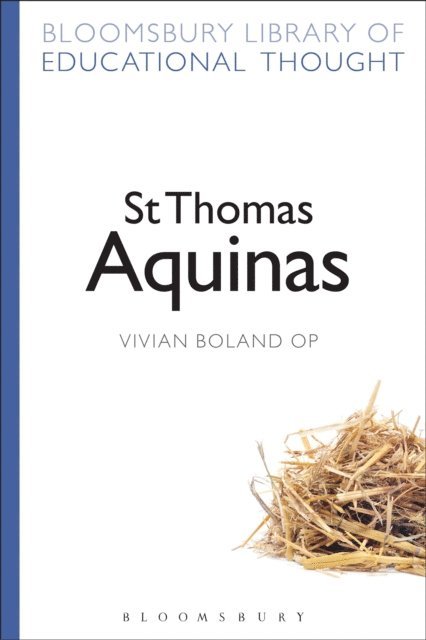
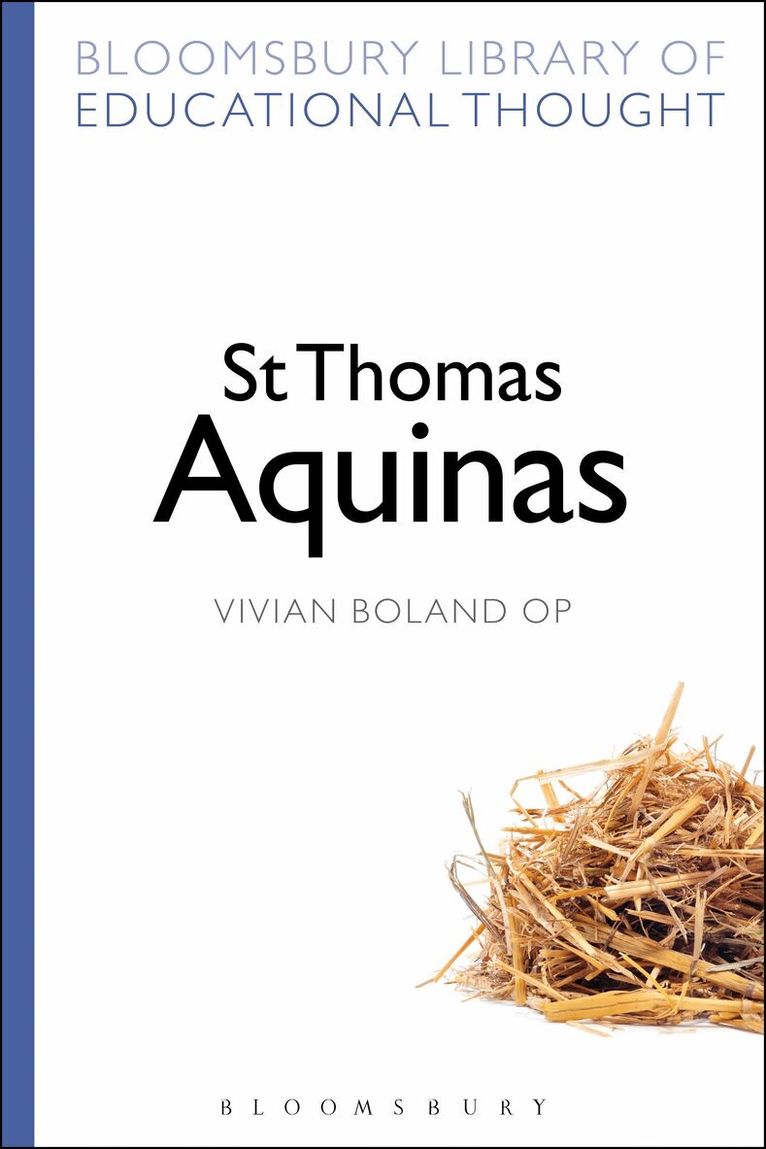
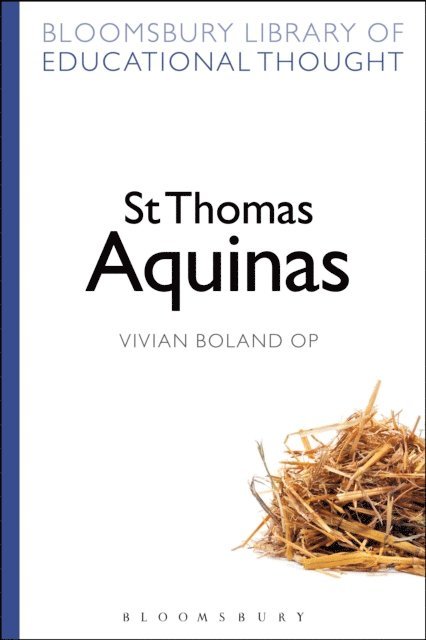
It may be surprising that the thought of a medieval theologian still informs many areas of intellectual debate, but there continues to be lively interest in the work of Thomas Aquinas. He considers the most radical questions for our thinking about education: what is a human being? what does it mean to learn? what does it mean to teach? what does it mean to know, to understand, and to search for the truth?In this text, Vivian Boland offers a short biography of Aquinas focused on his personal experiences as a student and teacher. The book then provides a critical exposition of the texts in which Aquinas develops his views about education and includes a short account of the reception and influence of his thinking. Finally, it considers in some detail the most significant points of contact between Aquinas’s educational thought and current concerns – his conviction about the goodness of the world, his holistic understanding of human experience and his contributions to virtue theory – and highlights the continuing relevance and influence of this work and thinking within educational philosophy today.