Vladimir M. Fomin - Böcker
Visar alla böcker från författaren Vladimir M. Fomin. Handla med fri frakt och snabb leverans.
5 produkter
5 produkter
1 798 kr
Skickas inom 10-15 vardagar
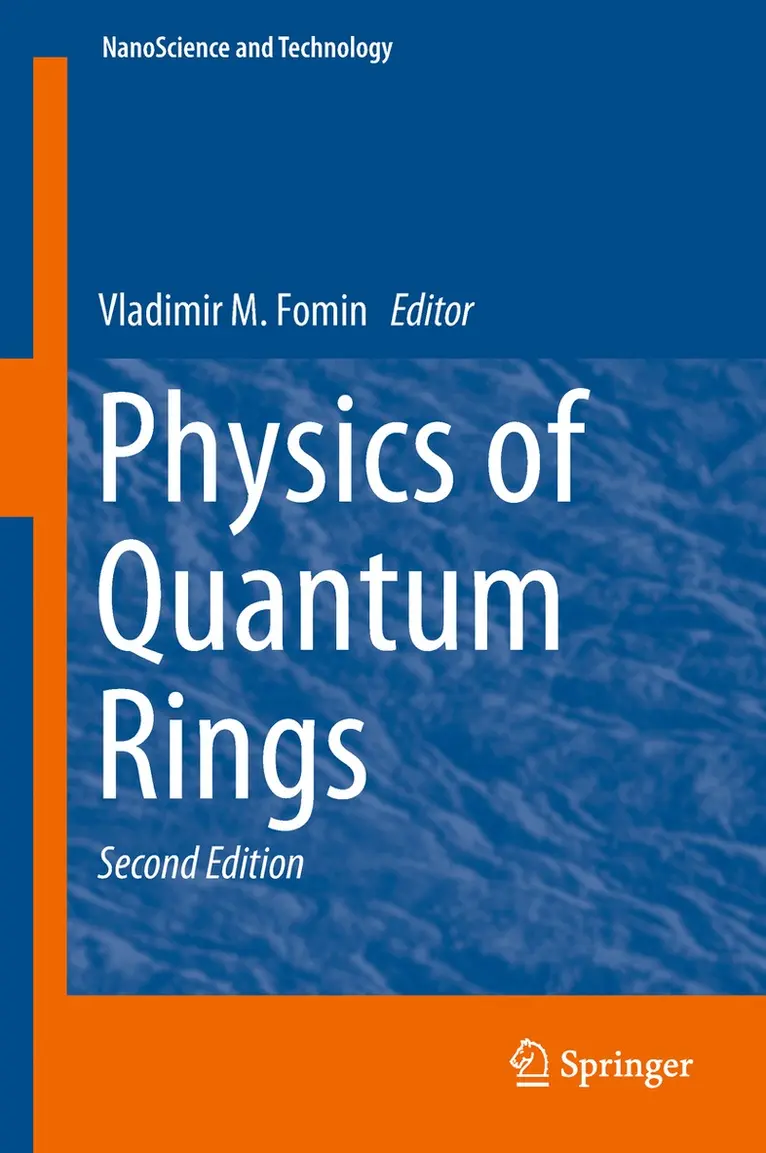
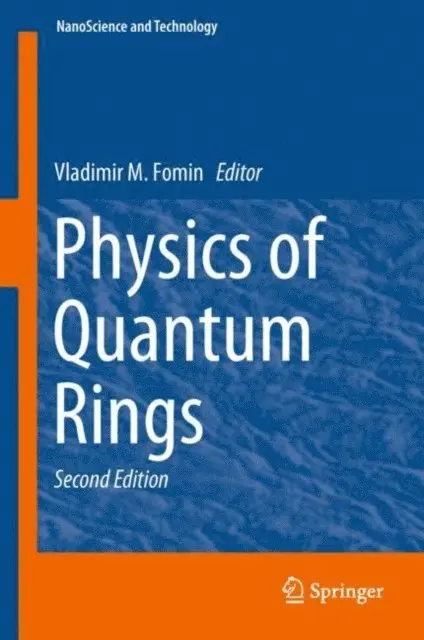
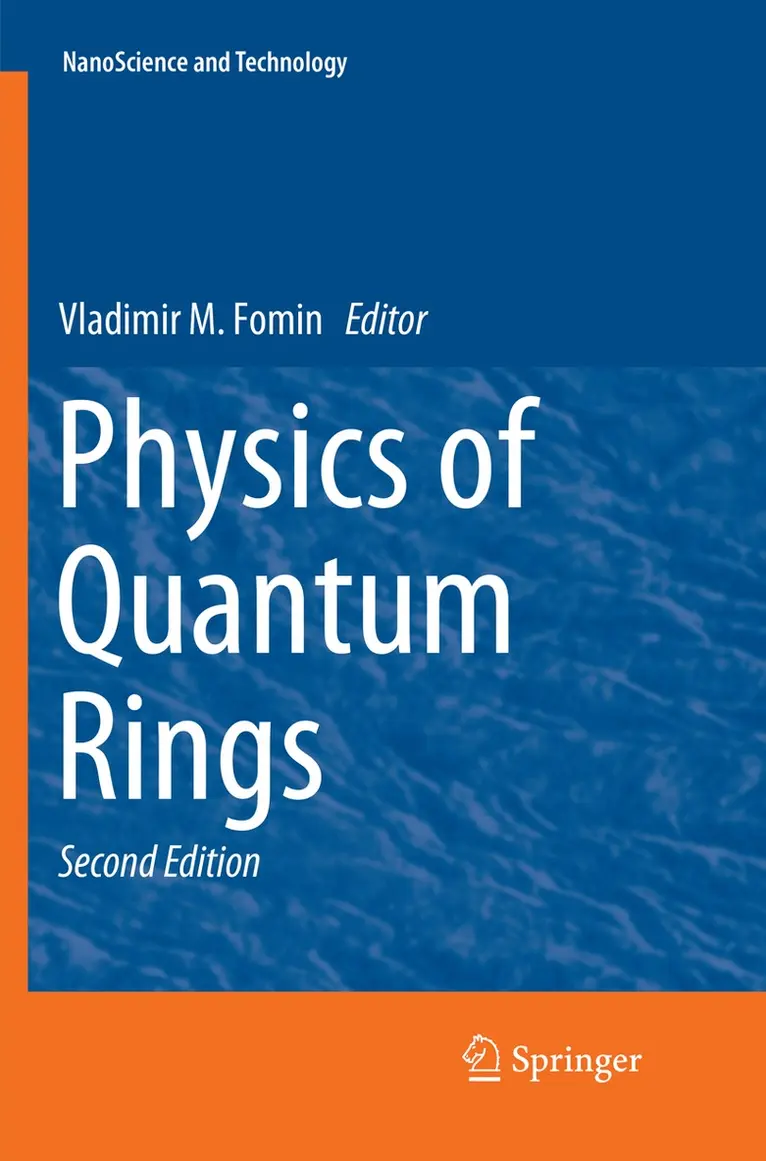
This book, now in its second edition, introduces readers to quantum rings as a special class of modern high-tech material structures at the nanoscale. It deals, in particular, with their formation by means of molecular beam epitaxy and droplet epitaxy of semiconductors, and their topology-driven electronic, optical and magnetic properties. A highly complex theoretical model is developed to adequately represent the specific features of quantum rings. The results presented here are intended to facilitate the development of low-cost high-performance electronic, spintronic, optoelectronic and information processing devices based on quantum rings.This second edition includes both new and significantly revised chapters. It provides extensive information on recent advances in the physics of quantum rings related to the spin-orbit interaction and spin dynamics (spin interference in Rashba rings, tunable exciton topology on type II InAs/GaAsSb quantum nanostructures), the electron-phonon interaction in ring-like structures, quantum interference manifestations in novel materials (graphene nanoribbons, MoS2), and the effects of electrical field and THz radiation on the optical properties of quantum rings. The new edition also shares insights into the properties of various novel architectures, including coupled quantum ring-quantum dot chains and concentric quantum rings, topologic states of light in self-assembled ring-like cavities, and optical and plasmon m.odes in Möbius-shaped resonators.
1 482 kr
Skickas inom 10-15 vardagar
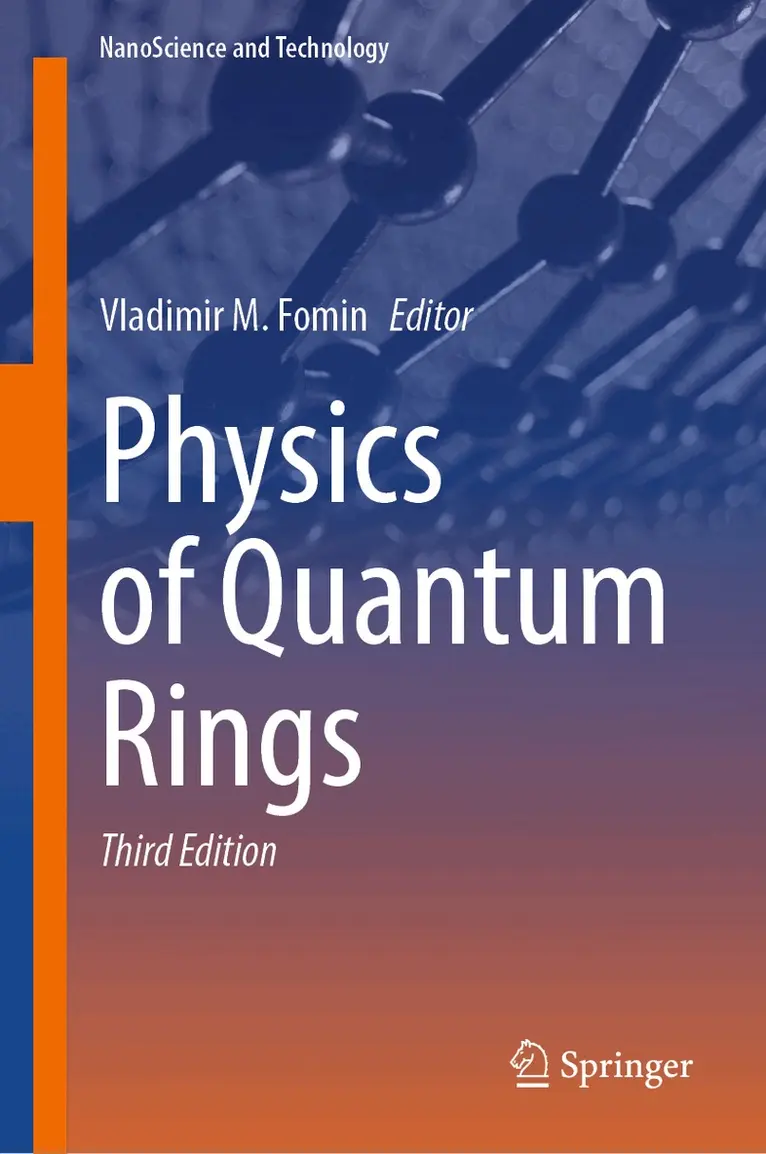
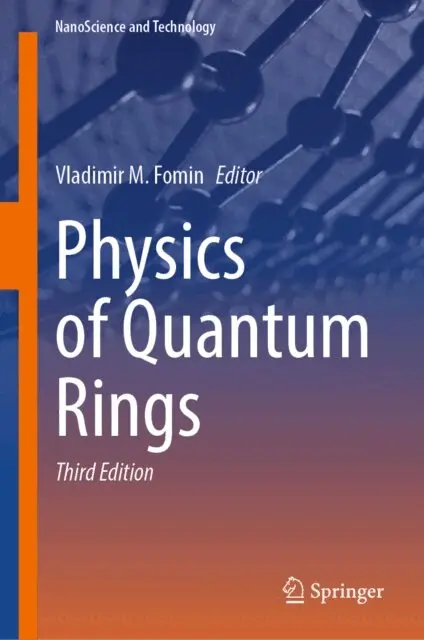
The book represents quantum rings as special class of modern high-tech materials structures at the nanoscale. It deals, in particular, with their formation by molecular beam epitaxy and droplet epitaxy of semiconductors, their topology-driven electronic, optical and magnetic properties. Highly complex theoretical models are developed to adequately explain the specific features of quantum rings. The results presented in the book serve to develop low-cost high-performance electronic, spintronic, magnetic, optoelectronic and information processing devices based on various doubly-connected structures.The third edition contains new chapters and significantly updated and extended chapters from the second edition. It provides an ample presentation of the recent advancements in the physics of quantum rings related to spin dynamics and the spin-orbit interaction (spin interference in Rashba rings, tunable exciton topology on type II InAs/GaAsSb quantum nanostructures), the electron-phonon interaction in ring-like structures, quantum-interference manifestations in novel materials (e.g., graphene cylinders, cyclocarbons, MoS2), effects of electric field and THz radiation on optical properties of quantum rings and quantum-ring molecules. Special emphasis is made on fascinating novel effects emerging due to double-connectedness in various physical systems, ranging from the occurrence of the continuous geometric phase provoking formation of non-integer mode numbers in Möbius microring light cavities—through the inverse Faraday effect on the generation of current states in an array of superconductor nanorings—to the emergence of lightning-like magnetic flux bursts into a macroscopic superconductor ring.The new edition gives insight into the properties of various novel architectures, including coupled semiconductor quantum ring-quantum dot chains and concentric quantum rings, In(AsSbP) graded-composition quantum rings, topologic states of light in self-assembled and direct-printed ring-like cavities, optical and plasmon modes in Möbius-band-shaped resonators, the ferromagnetic resonance in various magnetic elements ranging from arrays of magnetic nanorings to individual 3D nanovolcanoes. It includes novel theoretical solutions to long-standing problems in the physics of quantum rings: interpretation of the observed magnetoresistance oscillations by a transmission model for superconductor quantum rings and adaptation of the Bardeen-Cooper-Schrieffer theory of superconductivity for metallic quantum rings with due account for the effects of double-connectedness on the electron properties.
1 653 kr
Skickas inom 5-8 vardagar
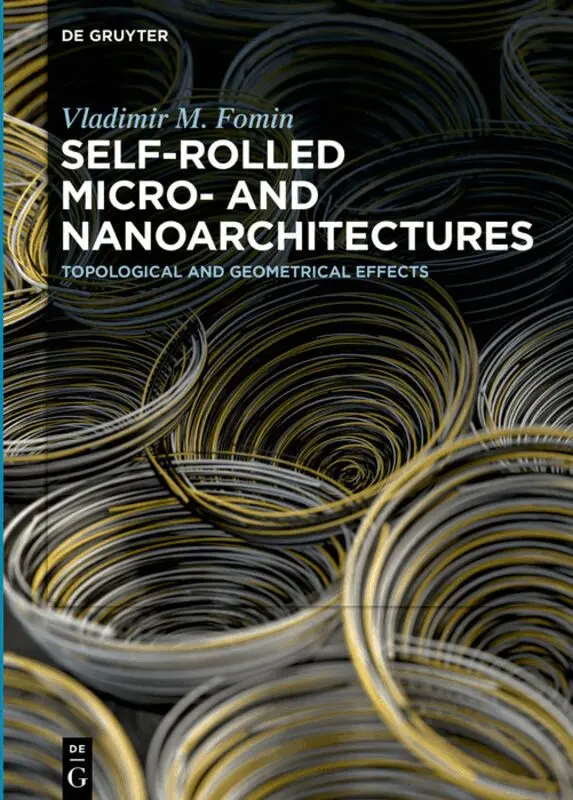
The work shows the fascination of topology- and geometry-governed properties of self-rolled micro- and nanoarchitectures. The author provides an in-depth representation of the advanced theoretical and numerical models for analyzing key effects, which underlie engineering of transport, superconducting and optical properties of micro- and nanoarchitectures.
1 859 kr
Skickas inom 10-15 vardagar
This book, now in its second edition, introduces readers to quantum rings as a special class of modern high-tech material structures at the nanoscale. It deals, in particular, with their formation by means of molecular beam epitaxy and droplet epitaxy of semiconductors, and their topology-driven electronic, optical and magnetic properties. A highly complex theoretical model is developed to adequately represent the specific features of quantum rings. The results presented here are intended to facilitate the development of low-cost high-performance electronic, spintronic, optoelectronic and information processing devices based on quantum rings.This second edition includes both new and significantly revised chapters. It provides extensive information on recent advances in the physics of quantum rings related to the spin-orbit interaction and spin dynamics (spin interference in Rashba rings, tunable exciton topology on type II InAs/GaAsSb quantum nanostructures), the electron-phonon interaction in ring-like structures, quantum interference manifestations in novel materials (graphene nanoribbons, MoS2), and the effects of electrical field and THz radiation on the optical properties of quantum rings. The new edition also shares insights into the properties of various novel architectures, including coupled quantum ring-quantum dot chains and concentric quantum rings, topologic states of light in self-assembled ring-like cavities, and optical and plasmon m.odes in Möbius-shaped resonators.
1 061 kr
Skickas inom 10-15 vardagar
This book deals with a new class of materials, quantum rings. Innovative recent advances in experimental and theoretical physics of quantum rings are based on the most advanced state-of-the-art fabrication and characterization techniques as well as theoretical methods. The experimental efforts allow to obtain a new class of semiconductor quantum rings formed by capping self-organized quantum dots grown by molecular beam epitaxy. Novel optical and magnetic properties of quantum rings are associated with non-trivial topologies at the nanoscale. An adequate characterization of quantum rings is possible on the basis of modern characterization methods of nanostructures, such as Scanning Tunneling Microscopy. A high level of complexity is demonstrated to be needed for a dedicated theoretical model to adequately represent the specific features of quantum rings. The findings presented in this book contribute to develop low-cost high-performance electronic, spintronic, optoelectronic and information processing devices based on quantum rings.