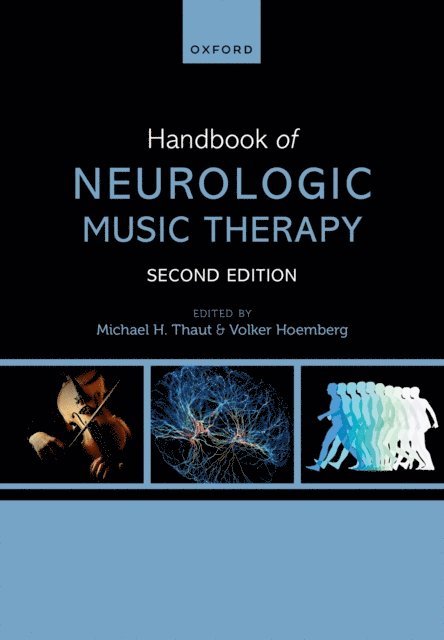
Neurologic Music Therapy (NMT) is a form of music therapy developed for people suffering from cognitive, sensory, or motor dysfunctions - arising from neurological diseases of the nervous system. People who can benefit from this therapy include sufferers from: stroke, traumatic brain injury, Parkinson''s and Huntington''s disease, cerebral palsy, Alzheimer''s disease, autism, and other neurological diseases affecting cognition, movement, and communication (e.g., MS, Muscular Dystrophy, etc).The Handbook of Neurologic Music Therapy is a comprehensive landmark text presenting a new and revolutionary model of music in rehabilitation, therapy and medicine that is scientifically validated and clinically tested. It presents a field that is practiced by over 4000 NMT certified clinicians in over 70 countries.In this second edition, the book is fully updated and revised with new research updates in the field and extends the original clinical chapter content.
The book provides readers with a comprehensive overview of the state of the art in the field of gait and balance rehabilitation. It describes technologies and devices together with the requirements and factors to be considered during their application in clinical settings. The book covers physiological and pathophysiological basis of locomotion and posture control, describes integrated approaches for the treatment of neurological diseases and spinal cord injury, as well as important principles for designing appropriate clinical studies. It presents computer and robotic technologies currently used in rehabilitation, such as exoskeleton devices, functional electrical stimulation, virtual reality and many more, highlighting the main advantages and challenges both from the clinical and engineering perspective. Written in an easy-to-understand style, the book is intended for people with different background and expertise, including medical and engineering students, clinicians and physiotherapists, as well as technical developers of rehabilitation systems and their corresponding human-compute interfaces. It aims at fostering an increased awareness of available technologies for balance and gait rehabilitation, as well as a better communication and collaboration between their users and developers.