W. Brian Arthur – författare
Visar alla böcker från författaren W. Brian Arthur. Handla med fri frakt och snabb leverans.
12 produkter
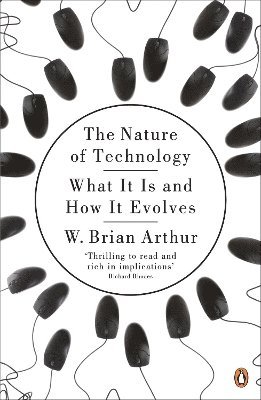
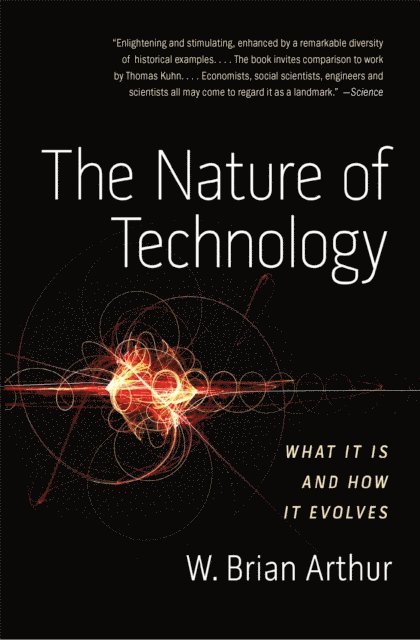
Nature of Technology
What It Is and How It Evolves
Häftad, 2010
147 kr
Lägg i varukorg
In The Nature of Technology, ground-breaking economist W. Brian Arthur explores the extraordinary way in which the technology that surrounds us and allows us to live our modern lives has actually been developed. Rather than coming from a series of one-off inventions, almost all the technology we …
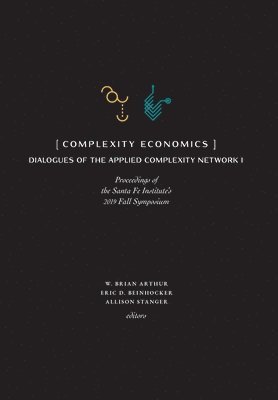
Complexity Economics
Proceedings of the Santa Fe Institute's 2019 Fall Symposium
Av W Brian Arthur, Eric Beinhocker m. fl.
Inbunden, 2020
293 kr
Lägg i varukorg
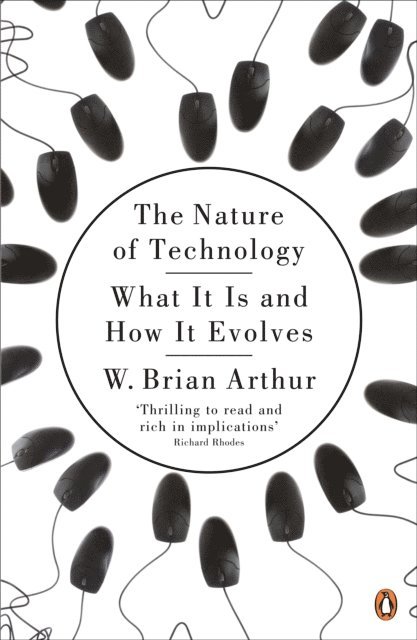
Nature of Technology
What It Is and How It Evolves
E-bok, 2009
108 kr
Lägg i varukorg
The Nature of Technology will change the way you think about this fundamental subject forever. W. Brian Arthur's many years of thinking and writing about technology have culminated in a unique understanding of his subject. Here he examines the nature of technology itself: what is it and how does it …
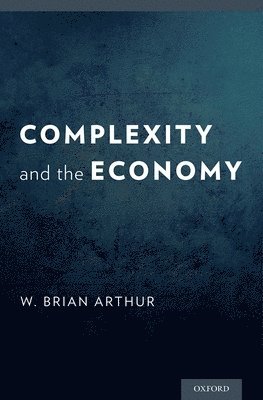
Complexity and the Economy
Inbunden, 2014
5,0 utav 5 stjärnor. Totalt antal röster: (1)
785 kr
Lägg i varukorg
Economy As An Evolving Complex System II
Av Steven N Durlauf, David Lane m. fl.
Häftad, 1997
1251 kr
Lägg i varukorg
A new view of the economy as an evolving, complex system has been pioneered at the Santa Fe Institute over the last ten years, This volume is a collection of articles that shape and define this view,a view of the economy as emerging from the interactions of individual agents whose behaviour …
Economy As An Evolving Complex System II
Inbunden, 2019
2510 kr
Lägg i varukorg
A new view of the economy as an evolving, complex system has been pioneered at the Santa Fe Institute over the last ten years, This volume is a collection of articles that shape and define this view?a view of the economy as emerging from the interactions of individual agents whose behavior …
Economy As An Evolving Complex System II
E-bok, 2018
1320 kr
Lägg i varukorg
A new view of the economy as an evolving, complex system has been pioneered at the Santa Fe Institute over the last ten years, This volume is a collection of articles that shape and define this view?a view of the economy as emerging from the interactions of individual agents whose behavior …
Economy As An Evolving Complex System II
E-bok, 2018
1320 kr
Lägg i varukorg
A new view of the economy as an evolving, complex system has been pioneered at the Santa Fe Institute over the last ten years, This volume is a collection of articles that shape and define this view?a view of the economy as emerging from the interactions of individual agents whose behavior …
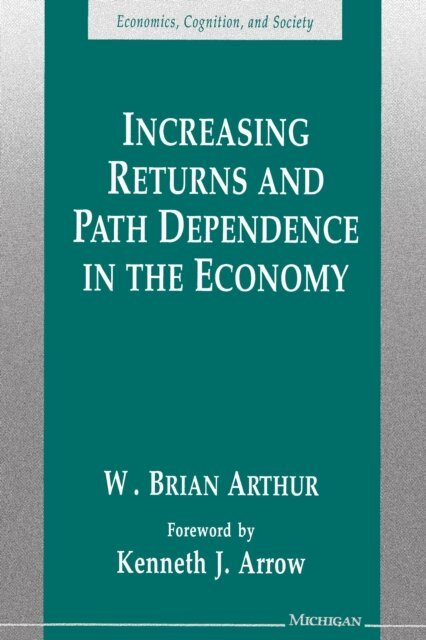
Increasing Returns and Path Dependence in the Economy
E-bok, 2026
526 kr
Kommande
This book brings together Professor Arthur’s pioneering article and provide a comprehensive presentation of his exciting vision of an economics that incorporates increasing returns. After a decade of resistance from economists, these ideas are now being widely discussed and adopted, as Kenneth …
Increasing Returns and Path Dependence in the Economy
Häftad, 1994
395 kr
Lägg i varukorg
In Complexity, the widely applauded work by Mitchell Waldrop that introduced the exciting and important work of the Santa Fe Institute to a wide audience, Brian Arthur and his ideas played a pivotal role and were shown connecting creatively with the many aspects of the Institute's work. This book …
Nature of Technology
What It Is and How It Evolves
E-bok, 2009
186 kr
Lägg i varukorg
“More than anything else technology creates our world. It creates our wealth, our economy, our very way of being,” says W. Brian Arthur. Yet despite technology’s irrefutable importance in our daily lives, until now its major questions have gone unanswered. Where do new technologies come from? What …
Economy As A Complex Evolving System Ii
Av W. Brian Arthur, Steven N. Durlauf
Inbunden, 1997
591 kr
Tillfälligt slut
This volume is a collection of articles that shape and define a new view of the economy as an evolving complex system. This view is one of the economy as emerging from the interactions of individual agents whose behavior constantly evolves, whose strategies and actions are always adapting. }A new …