W. Carson Byrd - Böcker
Visar alla böcker från författaren W. Carson Byrd. Handla med fri frakt och snabb leverans.
5 produkter
5 produkter
Poison in the Ivy
Race Relations and the Reproduction of Inequality on Elite College Campuses
Häftad, Engelska, 2017
435 kr
Skickas inom 5-8 vardagar
The world of elite campuses is one of rarified social circles, as well as prestigious educational opportunities. W. Carson Byrd studied twenty-eight of the most selective colleges and universities in the United States to see whether elite students’ social interactions with each other might influence their racial beliefs in a positive way, since many of these graduates will eventually hold leadership positions in society. He found that students at these universities believed in the success of the ‘best and the brightest,’ leading them to situate differences in race and status around issues of merit and individual effort.Poison in the Ivy challenges popular beliefs about the importance of cross-racial interactions as an antidote to racism in the increasingly diverse United States. He shows that it is the context and framing of such interactions on college campuses that plays an important role in shaping students’ beliefs about race and inequality in everyday life for the future political and professional leaders of the nation. Poison in the Ivy is an eye-opening look at race on elite college campuses, and offers lessons for anyone involved in modern American higher education.
Poison in the Ivy
Race Relations and the Reproduction of Inequality on Elite College Campuses
Inbunden, Engelska, 2017
1 351 kr
Skickas inom 5-8 vardagar
The world of elite campuses is one of rarified social circles, as well as prestigious educational opportunities. W. Carson Byrd studied twenty-eight of the most selective colleges and universities in the United States to see whether elite students’ social interactions with each other might influence their racial beliefs in a positive way, since many of these graduates will eventually hold leadership positions in society. He found that students at these universities believed in the success of the ‘best and the brightest,’ leading them to situate differences in race and status around issues of merit and individual effort.Poison in the Ivy challenges popular beliefs about the importance of cross-racial interactions as an antidote to racism in the increasingly diverse United States. He shows that it is the context and framing of such interactions on college campuses that plays an important role in shaping students’ beliefs about race and inequality in everyday life for the future political and professional leaders of the nation. Poison in the Ivy is an eye-opening look at race on elite college campuses, and offers lessons for anyone involved in modern American higher education.
Intersectionality and Higher Education
Identity and Inequality on College Campuses
Häftad, Engelska, 2019
415 kr
Skickas inom 7-10 vardagar
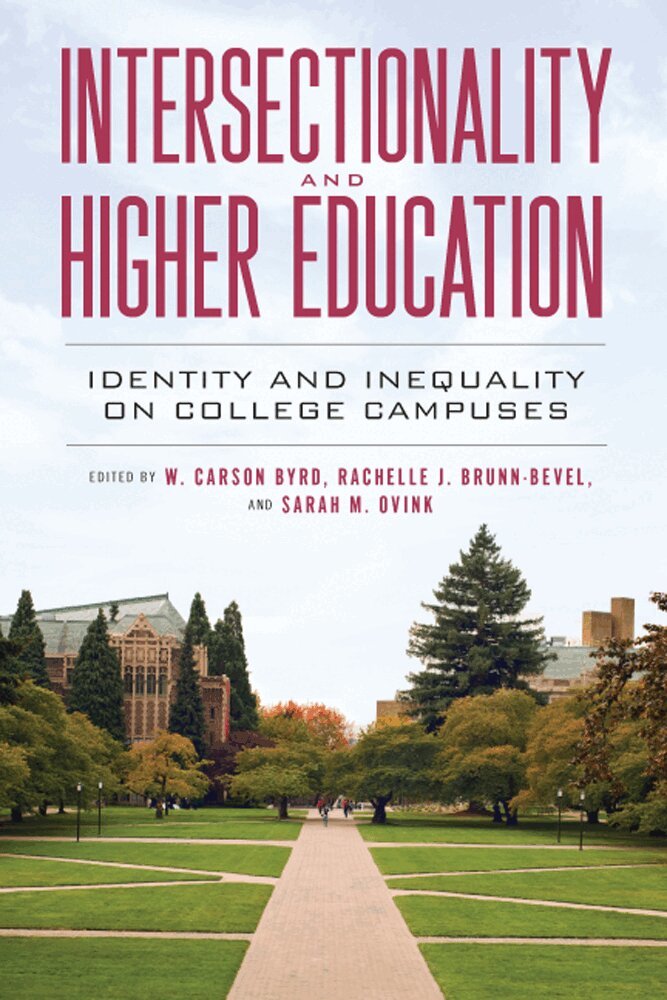
Though colleges and universities are arguably paying more attention to diversity and inclusion than ever before, to what extent do their efforts result in more socially just campuses? Intersectionality and Higher Education examines how race, ethnicity, class, gender, sexuality, sexual orientation, age, disability, nationality, and other identities connect to produce intersected campus experiences. Contributors look at both the individual and institutional perspectives on issues like campus climate, race, class, and gender disparities, LGBTQ student experiences, undergraduate versus graduate students, faculty and staff from varying socioeconomic backgrounds, students with disabilities, undocumented students, and the intersections of two or more of these topics. Taken together, this volume presents an evidence-backed vision of how the twenty-first century higher education landscape should evolve in order to meaningfully support all participants, reduce marginalization, and reach for equity and equality.
Intersectionality and Higher Education
Identity and Inequality on College Campuses
Inbunden, Engelska, 2019
1 537 kr
Skickas inom 7-10 vardagar
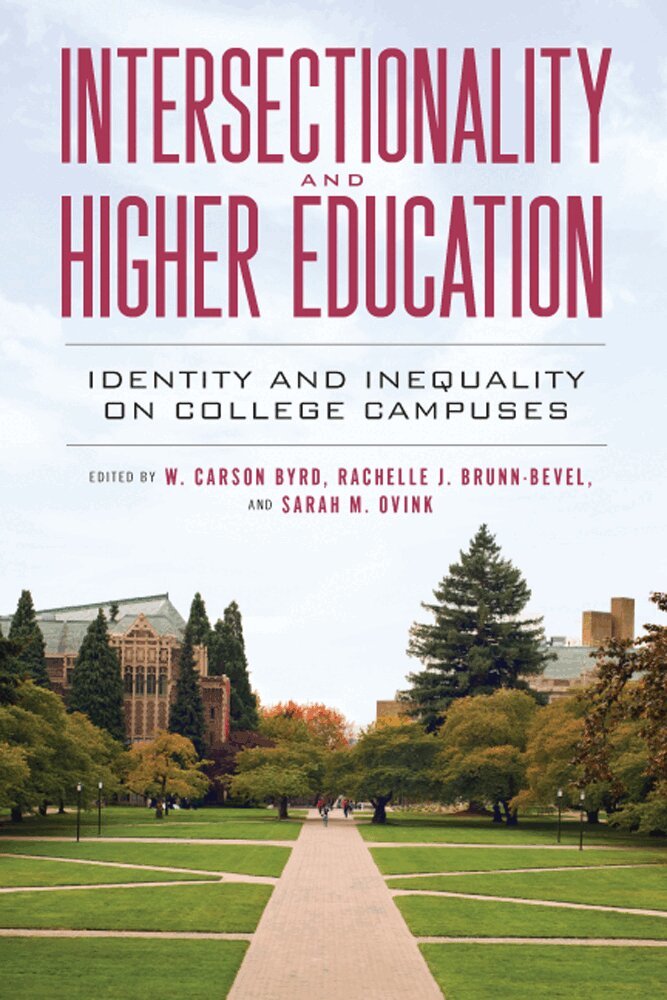
Though colleges and universities are arguably paying more attention to diversity and inclusion than ever before, to what extent do their efforts result in more socially just campuses? Intersectionality and Higher Education examines how race, ethnicity, class, gender, sexuality, sexual orientation, age, disability, nationality, and other identities connect to produce intersected campus experiences. Contributors look at both the individual and institutional perspectives on issues like campus climate, race, class, and gender disparities, LGBTQ student experiences, undergraduate versus graduate students, faculty and staff from varying socioeconomic backgrounds, students with disabilities, undocumented students, and the intersections of two or more of these topics. Taken together, this volume presents an evidence-backed vision of how the twenty-first century higher education landscape should evolve in order to meaningfully support all participants, reduce marginalization, and reach for equity and equality.
326 kr
Skickas inom 7-10 vardagar
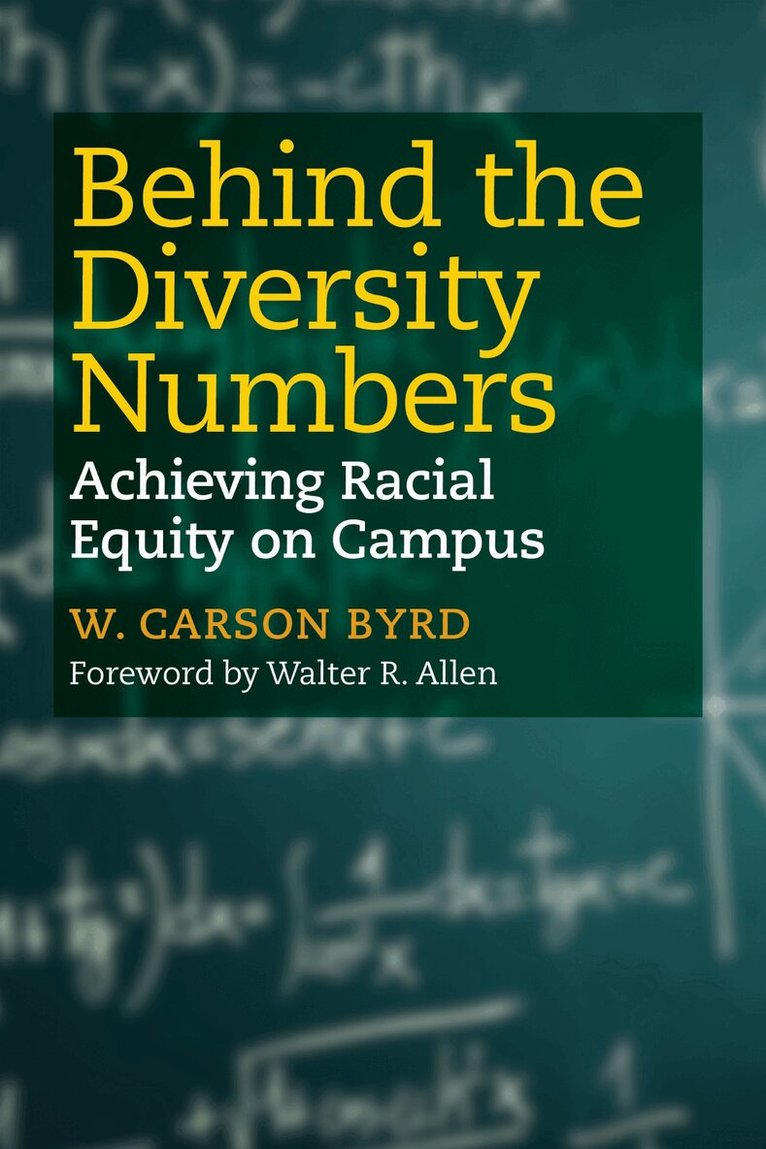
Behind the Diversity Numbers uncovers how frequently used approaches to examine and understand race-related issues on college campuses can reinforce racism and inequality, rather than combat them. The book argues that educational leaders must look beyond quantitative metrics in order to develop institutional policies and practices that promote racial equality.Utilizing nearly thirty years of data and research, W. Carson Byrd shows that limiting conversations about racial inequality to numeric representation and outcomes fails to take into account that inequality is also an experience. Quantitative-heavy approaches can turn students into numbers, devaluing their lived experiences of marginalization on campus. Byrd repositions these experiences to better understand how to design effective analytic and policy strategies to promote racial equity and justice in higher education.Behind the Diversity Numbers focuses on how racial stratification and inequality can hide in plain sight behind analyses of diversity, equity, and inclusion. It provides readers with a range of suggestions for institutional change, including how to incorporate racial equity as a central component of higher education, especially when it comes to analyzing and monitoring data that can inform decision-making and policy making. The conclusion offers recommendations for systemic institutional change and for incorporating racial justice and equity as central components of higher education.Behind the Diversity Numbers will enhance how institutions, higher education agencies, and policy makers think about what should be done to reduce racial inequality and to create diverse and equitable campuses.