Walter E. A. van Beek - Böcker
Visar alla böcker från författaren Walter E. A. van Beek. Handla med fri frakt och snabb leverans.
8 produkter
8 produkter
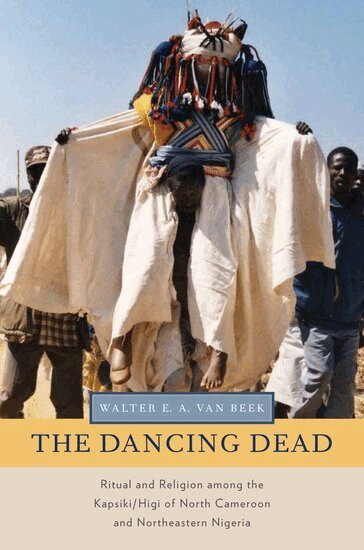
The Dancing Dead
Ritual and Religion among the Kapsiki/Higi of North Cameroon and Northeastern Nigeria
Inbunden, Engelska, 2012
1 932 kr
Skickas inom 5-8 vardagar
Walter E. A. van Beek draws on over four decades of extensive fieldwork to offer an in-depth study of the religion of the Kapsiki/Higi, who live in the Mandara Mountains on the border between North Cameroon and Northeast Nigeria. Concentrating on ritual as the core of traditional religion, van Beek shows how Kapsiki/Higi practices have endured through the long and turbulent history of the region. Kapsiki rituals reveal a focus on two fundamental concepts: dwelling and belonging. Van Beek examines their sacrificial practices, through which the Kapsiki show a complex and pervasive connection with the Mandara Mountains, as well as the character of their relationships among themselves and with outsiders. Van Beek also explores their rituals of belonging, rites of passage which take place from birth through initiation and marriage - and even death, with the tradition of the ''dancing dead,'' when a fully decorated corpse on the shoulders of a smith ''dances'' with his mourning kinsmen.The Dancing Dead is the result of the author's lifelong study of the Kapsiki/Higi. It gives a unique description of the rituals in an African traditional religion based not upon ancestors, but on a completely relational thought system, where in the end all rituals are integrated into one major cycle.
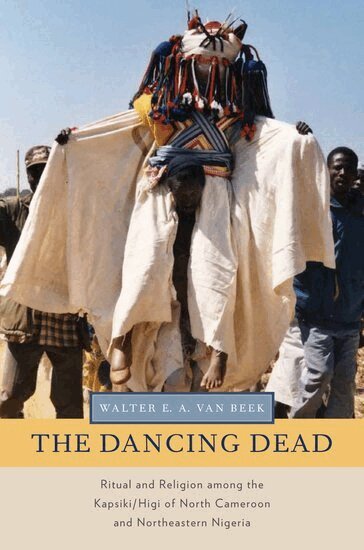
The Dancing Dead
Ritual and Religion among the Kapsiki/Higi of North Cameroon and Northeastern Nigeria
Häftad, Engelska, 2012
681 kr
Skickas inom 5-8 vardagar
Walter E. A. van Beek draws on over four decades of extensive fieldwork to offer an in-depth study of the religion of the Kapsiki/Higi, who live in the Mandara Mountains on the border between North Cameroon and Northeast Nigeria. Concentrating on ritual as the core of traditional religion, van Beek shows how Kapsiki/Higi practices have endured through the long and turbulent history of the region. Kapsiki rituals reveal a focus on two fundamental concepts: dwelling and belonging. Van Beek examines their sacrificial practices, through which the Kapsiki show a complex and pervasive connection with the Mandara Mountains, as well as the character of their relationships among themselves and with outsiders. Van Beek also explores their rituals of belonging, rites of passage which take place from birth through initiation and marriage - and even death, with the tradition of the ''dancing dead,'' when a fully decorated corpse on the shoulders of a smith ''dances'' with his mourning kinsmen.The Dancing Dead is the result of the author's lifelong study of the Kapsiki/Higi. It gives a unique description of the rituals in an African traditional religion based not upon ancestors, but on a completely relational thought system, where in the end all rituals are integrated into one major cycle.
1 214 kr
Skickas inom 7-10 vardagar
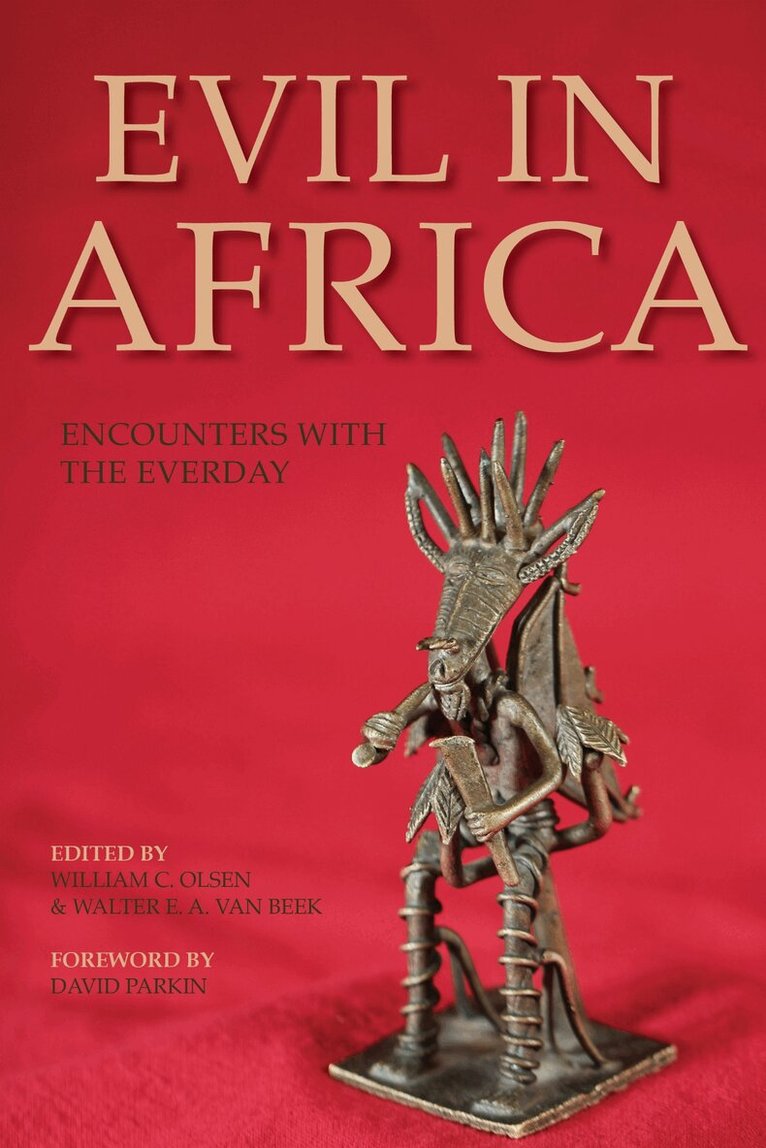
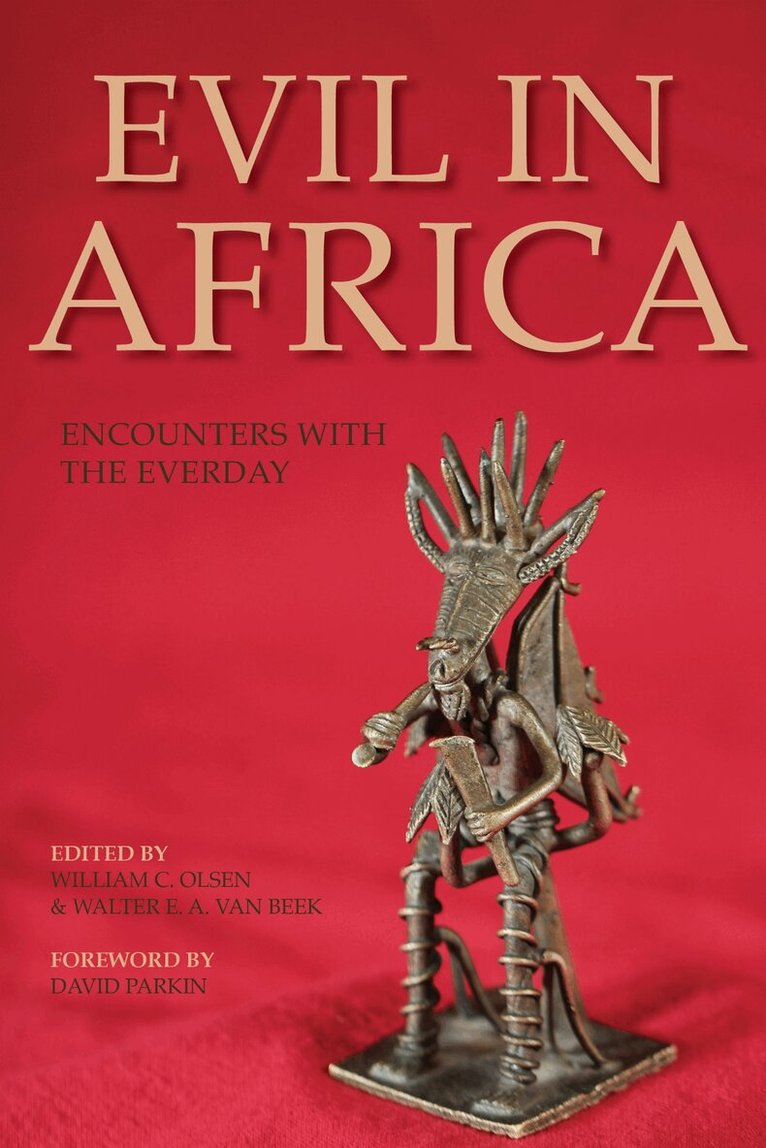
William C. Olsen, Walter E. A. van Beek, and the contributors to this volume seek to understand how Africans have confronted evil around them. Grouped around notions of evil as a cognitive or experiential problem, evil as malevolent process, and evil as an inversion of justice, these essays investigate what can be accepted and what must be condemned in order to evaluate being and morality in African cultural and social contexts. These studies of evil entanglements take local and national histories and identities into account, including state politics and civil war, religious practices, Islam, gender, and modernity.
466 kr
Skickas inom 7-10 vardagar
William C. Olsen, Walter E. A. van Beek, and the contributors to this volume seek to understand how Africans have confronted evil around them. Grouped around notions of evil as a cognitive or experiential problem, evil as malevolent process, and evil as an inversion of justice, these essays investigate what can be accepted and what must be condemned in order to evaluate being and morality in African cultural and social contexts. These studies of evil entanglements take local and national histories and identities into account, including state politics and civil war, religious practices, Islam, gender, and modernity.
535 kr
Skickas inom 10-15 vardagar
A major collection on the subject of African religion.Brings together the views of some of the most distinguished academics in the context of African history, anthropology, politics, comparative religion, health and healing, languages and literatures, and the visual and performing arts. It is based on solid archival and field research in Africa and the African diaspora.Published in association with The David M. Kennedy Center, Brigham Young University.North America: Heinemann
1 158 kr
Skickas inom 7-10 vardagar
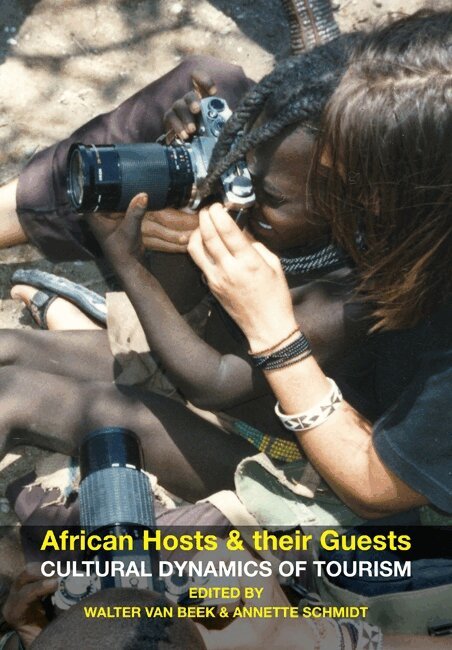
Africa is a 'theme park' for Western tourists to experience untouched wilderness, untamed nature, and truly 'authentic' cultures, where the hosts, too, are part of a discourse about the 'other' and ourselves, about wildness, danger and roots.Tourism is important for Africa: international tourist arrivals to Africa continue to grow, income from tourism is crucial to national economies, and tourism investments are considered among the most profitable. This edited volumedeals with the interaction of local communities with tourists coming into their areas and villages. Based upon a common theoretical approach, fourteen cases of African tourism are discussed which involve direct contact between 'hosts' and 'guests'.The viewpoint throughout is from the side of the locals, establishing how the processes of interaction shape each small scale destination. Crucial in Africa is the fact that the large majority of tourism is game oriented and the interaction between locals and visitors is very much 'tainted' by this fact. Central is the notion of the tourist bubble - the infrastructure that is generated locally (and internationally) for hosting tourists, as it is this institutional interface that tends to impact on the local society and culture, not the tourists themselves directly. The examples come from all over Africa, from the Sahara to the Eastern Cape, and from Kenyato Ghana. All contributions are based upon original fieldwork.Walter van Beek is professor of anthropology at Tilburg University and Senior Researcher at the African Studies Centre, Leiden; Annette Schmidt is curatorof the African department at the National Museum of Ethnology in Leiden, and is an archaeologist with a long experience in cultural management projects.
Del 20 - Western Africa Series
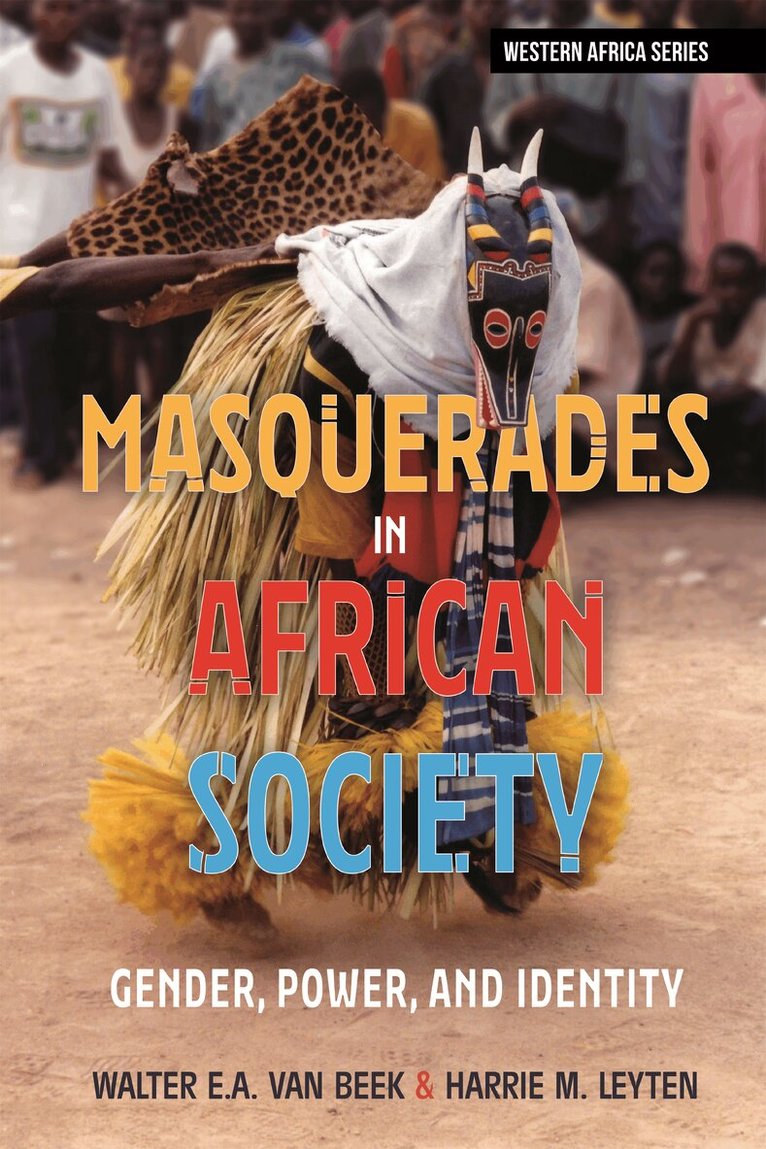
Masquerades in African Society
Gender, Power and Identity
Inbunden, Engelska, 2023
1 442 kr
Skickas inom 7-10 vardagar
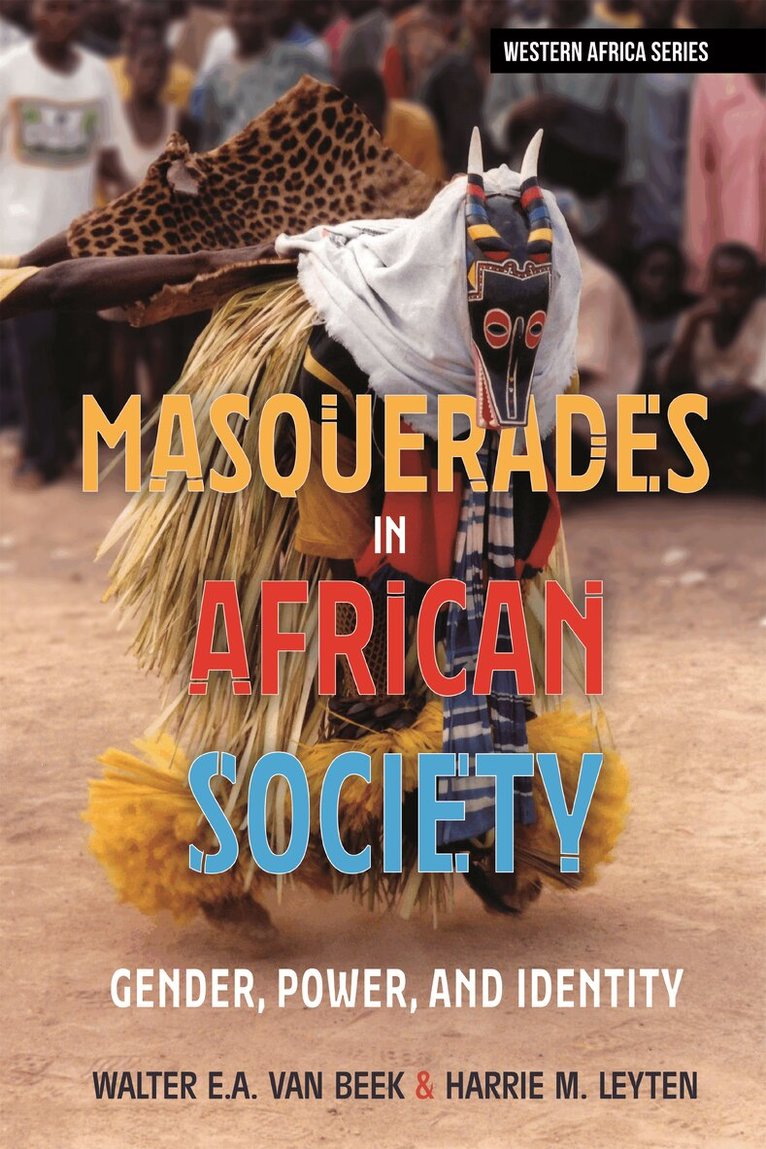
Explores the dynamics of African masquerades and mask performances on the continent, linking performative expressions to societal characteristics.What is the meaning of masks and masquerades in African traditions and how can we understand their role in rituals and performances? Why do we find masks in some African regions and not in others, and what does this 'mask habitat' say about the general dynamics of masquerades in Africa? Though masks are among the most famous art icons of Africa, exploration of their uses and the way in which they articulate social characteristics of African societies has been underexamined. This book takes an anthropological perspective on the phenomenon of masquerades on the African continent to show how mask rituals are an integral part of African indigenous religions and societies, and are informed by and linked to specific types of social and ecological conditions. Having established the commonalities of mask rituals and a mask typology, the authors look at the varieties of mask performances and the types of rituals in which masks function in rites of passage and in rituals of gender, power, and identity. The following chapters focus on different types of rituals featuring masks, from initiation and death ceremonies to secrecy, kingship, law and war. With its broad examination of the use of masks on the continent, from Angola to Burkina Faso, Cameroon, DRC, Guinea, Ivory Coast, Liberia, Mali, Nigeria, Senegal, this well illustrated book will stand as an authoritative study of the use of masks, of interest not only to those in African Studies but to anthropologists and ethnographers worldwide.
Del 20 - Western Africa Series
Masquerades in African Society
Gender, Power and Identity
Häftad, Engelska, 2025
381 kr
Skickas inom 7-10 vardagar
Explores the dynamics of African masquerades and mask performances on the continent, linking performative expressions to societal characteristics.What is the meaning of masks and masquerades in African traditions and how can we understand their role in rituals and performances? Why do we find masks in some African regions and not in others, and what does this 'mask habitat' say about the general dynamics of masquerades in Africa? Though masks are among the most famous art icons of Africa, exploration of their uses and the way in which they articulate social characteristics of African societies has been underexamined. This book takes an anthropological perspective on the phenomenon of masquerades on the African continent to show how mask rituals are an integral part of African indigenous religions and societies, and are informed by and linked to specific types of social and ecological conditions. Having established the commonalities of mask rituals and a mask typology, the authors look at the varieties of mask performances and the types of rituals in which masks function in rites of passage and in rituals of gender, power, and identity. The following chapters focus on different types of rituals featuring masks, from initiation and death ceremonies to secrecy, kingship, law and war. With its broad examination of the use of masks on the continent, from Angola to Burkina Faso, Cameroon, DRC, Guinea, Ivory Coast, Liberia, Mali, Nigeria, Senegal, this well illustrated book will stand as an authoritative study of the use of masks, of interest not only to those in African Studies but to anthropologists and ethnographers worldwide.