Walter H. Conser Jr. – författare
323 kr
Läs direkt efter köp
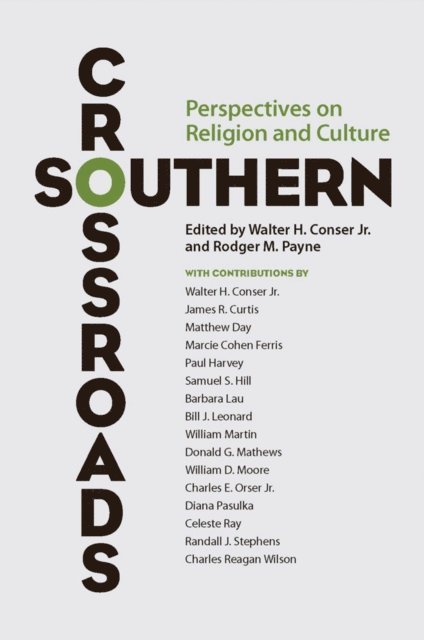
The South has always been one of the most distinctive regions of the United States, with its own set of traditions and a turbulent history. Although often associated with cotton, hearty food, and rich dialects, the South is also noted for its strong sense of religion, which has significantly shaped its history. Dramatic political, social, and economic events have often shaped the development of southern religion, making the nuanced dissection of the religious history of the region a difficult undertaking. For instance, segregation and the subsequent civil rights movement profoundly affected churches in the South as they sought to mesh the tenets of their faith with the prevailing culture. Editors Walter H. Conser and Rodger M. Payne and the book''s contributors place their work firmly in the trend of modern studies of southern religion that analyze cultural changes to gain a better understanding of religion''s place in southern culture now and in the future. Southern Crossroads: Perspectives on Religion and Culture takes a broad, interdisciplinary approach that explores the intersection of religion and various aspects of southern life. The volume is organized into three sections, such as "Religious Aspects of Southern Culture," that deal with a variety of topics, including food, art, literature, violence, ritual, shrines, music, and interactions among religious groups. The authors survey many combinations of religion and culture, with discussions ranging from the effect of Elvis Presley''s music on southern spirituality to yard shrines in Miami to the archaeological record of African American slave religion. The book explores the experiences of immigrant religious groups in the South, also dealing with the reactions of native southerners to the groups arriving in the region. The authors discuss the emergence of religious and cultural acceptance, as well as some of the apparent resistance to this development, as they explore the experiences of Buddhist Americans in the South and Jewish foodways. Southern Crossroads also looks at distinct markers of religious identity and the role they play in gender, politics, ritual, and violence. The authors address issues such as the role of women in Southern Baptist churches and the religious overtones of lynching, with its themes of blood sacrifice and atonement. Southern Crossroads offers valuable insights into how southern religion is studied and how people and congregations evolve and adapt in an age of constant cultural change.
430 kr
Läs direkt efter köp
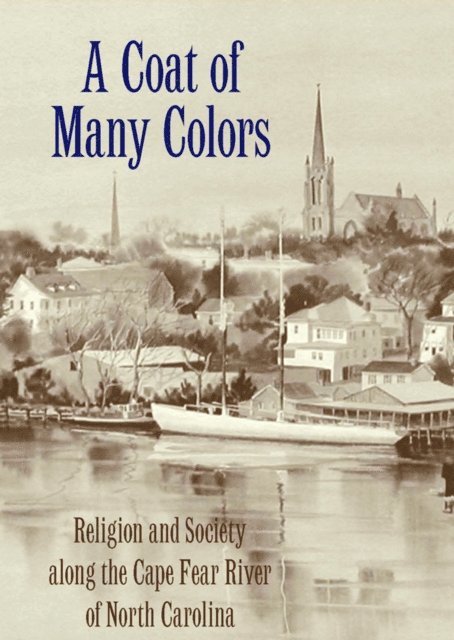
While religious diversity is often considered a recent phenomenon in America, the Cape Fear region of southeastern North Carolina has been a diverse community since the area was first settled. Early on, the region and the port city of Wilmington were more urban than the rest of the state and thus provided people with opportunities seldom found in other parts of North Carolina. This area drew residents from many ethnic backgrounds, and the men and women who settled there became an integral part of the region''s culture. Set against the backdrop of national and southern religious experience, A Coat of Many Colors examines issues of religious diversity and regional identity in the Cape Fear area. Author Walter H. Conser Jr. draws on a broad range of sources, including congregational records, sermon texts, liturgy, newspaper accounts, family memoirs, and technological developments to explore the evolution of religious life in this area. Beginning with the story of prehistoric Native Americans and continuing through an examination of life at the end of twentieth century, Conser tracks the development of the various religions, denominations, and ethnic groups that call the Cape Fear region home. From early Native American traditions to the establishment of the first churches, cathedrals, synagogues, mosques, and temples, A Coat of Many Colors offers a comprehensive view of the religious and ethnic diversity that have characterized Cape Fear throughout its history. Through the lens of regional history, Conser explores how this area''s rich religious and racial diversity can be seen as a microcosm for the South, and he examines the ways in which religion can affect such diverse aspects of life as architecture and race relations.
358 kr
Läs direkt efter köp
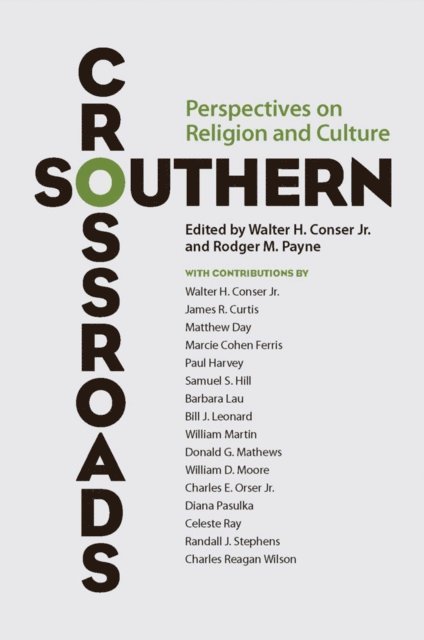
The South has always been one of the most distinctive regions of the United States, with its own set of traditions and a turbulent history. Although often associated with cotton, hearty food, and rich dialects, the South is also noted for its strong sense of religion, which has significantly shaped its history. Dramatic political, social, and economic events have often shaped the development of southern religion, making the nuanced dissection of the religious history of the region a difficult undertaking. For instance, segregation and the subsequent civil rights movement profoundly affected churches in the South as they sought to mesh the tenets of their faith with the prevailing culture. Editors Walter H. Conser and Rodger M. Payne and the book''s contributors place their work firmly in the trend of modern studies of southern religion that analyze cultural changes to gain a better understanding of religion''s place in southern culture now and in the future. Southern Crossroads: Perspectives on Religion and Culture takes a broad, interdisciplinary approach that explores the intersection of religion and various aspects of southern life. The volume is organized into three sections, such as "Religious Aspects of Southern Culture," that deal with a variety of topics, including food, art, literature, violence, ritual, shrines, music, and interactions among religious groups. The authors survey many combinations of religion and culture, with discussions ranging from the effect of Elvis Presley''s music on southern spirituality to yard shrines in Miami to the archaeological record of African American slave religion. The book explores the experiences of immigrant religious groups in the South, also dealing with the reactions of native southerners to the groups arriving in the region. The authors discuss the emergence of religious and cultural acceptance, as well as some of the apparent resistance to this development, as they explore the experiences of Buddhist Americans in the South and Jewish foodways. Southern Crossroads also looks at distinct markers of religious identity and the role they play in gender, politics, ritual, and violence. The authors address issues such as the role of women in Southern Baptist churches and the religious overtones of lynching, with its themes of blood sacrifice and atonement. Southern Crossroads offers valuable insights into how southern religion is studied and how people and congregations evolve and adapt in an age of constant cultural change.
387 kr
Läs direkt efter köp
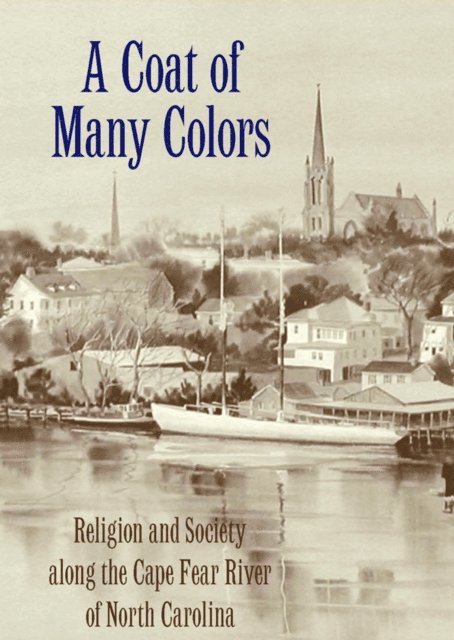
While religious diversity is often considered a recent phenomenon in America, the Cape Fear region of southeastern North Carolina has been a diverse community since the area was first settled. Early on, the region and the port city of Wilmington were more urban than the rest of the state and thus provided people with opportunities seldom found in other parts of North Carolina. This area drew residents from many ethnic backgrounds, and the men and women who settled there became an integral part of the region''s culture. Set against the backdrop of national and southern religious experience, A Coat of Many Colors examines issues of religious diversity and regional identity in the Cape Fear area. Author Walter H. Conser Jr. draws on a broad range of sources, including congregational records, sermon texts, liturgy, newspaper accounts, family memoirs, and technological developments to explore the evolution of religious life in this area. Beginning with the story of prehistoric Native Americans and continuing through an examination of life at the end of twentieth century, Conser tracks the development of the various religions, denominations, and ethnic groups that call the Cape Fear region home. From early Native American traditions to the establishment of the first churches, cathedrals, synagogues, mosques, and temples, A Coat of Many Colors offers a comprehensive view of the religious and ethnic diversity that have characterized Cape Fear throughout its history. Through the lens of regional history, Conser explores how this area''s rich religious and racial diversity can be seen as a microcosm for the South, and he examines the ways in which religion can affect such diverse aspects of life as architecture and race relations.
496 kr
Skickas inom 5-8 vardagar
374 kr
Skickas inom 5-8 vardagar
1 412 kr
Skickas inom 5-8 vardagar