Walter Jamieson – författare
Visar alla böcker från författaren Walter Jamieson. Handla med fri frakt och snabb leverans.
4 produkter
4 produkter
2 089 kr
Tillfälligt slut
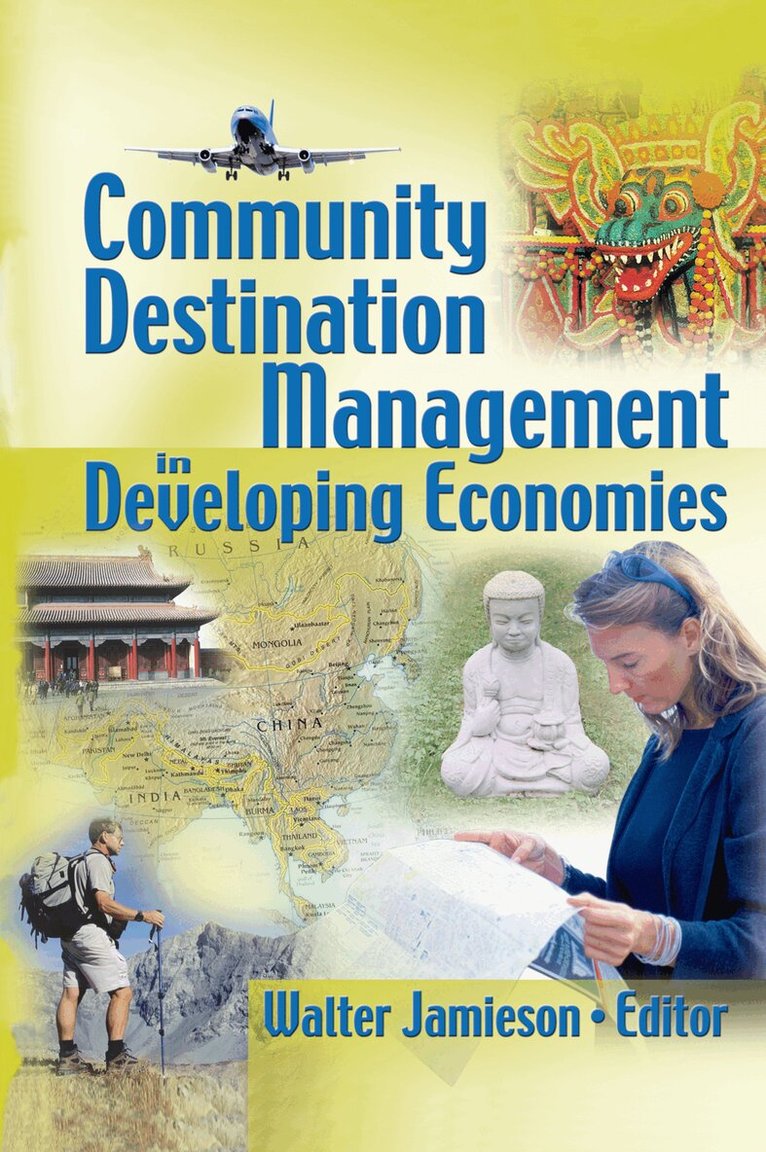
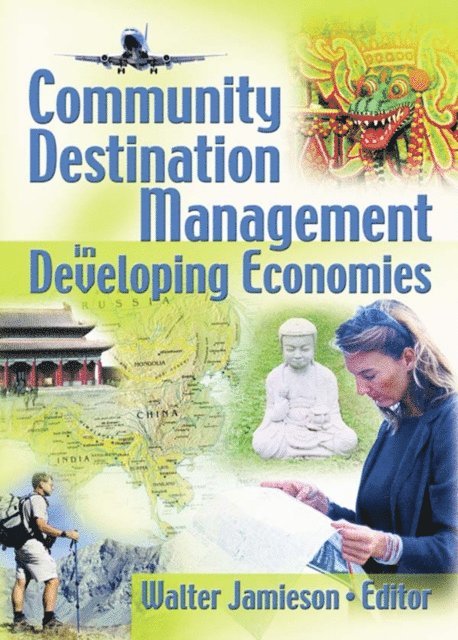
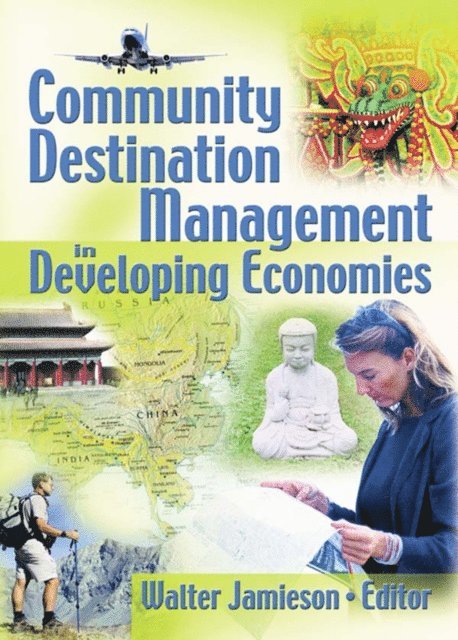
The practical, user-friendly guide to creating a sustainable future for destinations in developing economiesCommunity Destination Management in Developing Economies is a user-friendly guide that provides a comprehensive view of the issues facing planners, policymakers, and destination managers who attempt to ensure a sustainable future for community destinations in developing economies. Travel and tourism experts from a wide range of disciplines discuss illustrative case studies and effective practical approaches for various facets of destination management. This book explains in detail the complex task of destination management, making the needed basic knowledge and skills understandable to all readers. Community Destination Management in Developing Economies is divided into three sections. The first section provides a basic introduction to community tourism destination management with a special emphasis on community participation and practical case studies. The second section reviews the basic tools essential for managing destinations, such as Environmental Impact Assessments (EIA), Geographic Information Systems (GIS), remote sensing technologies, good governance, and carrying capacity. The final section provides a wide range of illuminating case studies designed to illustrate both the conceptual issues discussed in the first part along with the tools developed in the second part. The book is extensively referenced and has several helpful figures, tables, and photographs to clarify concepts and topics.Community Destination Management in Developing Economies topics include:the principles of sustainable tourism product marketing and development financing destination planning organizational structure and management destination site management and operations the nature of tourism participation of the community in development projects Environmental Impact Assessments (EIA) Geographic Information Systems (GIS) remote sensing technology historic resource management the concept and application of good governance carrying capacity as a destination management tool preservation of heritage in tourism computer visualization technology festival and event tourism and more! Community Destination Management in Developing Economies is essential reading for urban planners and managers, tourism planners, economic development officials, politicians and policymakers working at the local level, consultants working in developing economies, officials from aid agencies and development banks responsible for developing and approving development projects for tourism purposes, educators and students, and those without tourism planning and development training who need this specialized information.
939 kr
Skickas inom 10-15 vardagar
The practical, user-friendly guide to creating a sustainable future for destinations in developing economiesCommunity Destination Management in Developing Economies is a user-friendly guide that provides a comprehensive view of the issues facing planners, policymakers, and destination managers who attempt to ensure a sustainable future for community destinations in developing economies. Travel and tourism experts from a wide range of disciplines discuss illustrative case studies and effective practical approaches for various facets of destination management. This book explains in detail the complex task of destination management, making the needed basic knowledge and skills understandable to all readers. Community Destination Management in Developing Economies is divided into three sections. The first section provides a basic introduction to community tourism destination management with a special emphasis on community participation and practical case studies. The second section reviews the basic tools essential for managing destinations, such as Environmental Impact Assessments (EIA), Geographic Information Systems (GIS), remote sensing technologies, good governance, and carrying capacity. The final section provides a wide range of illuminating case studies designed to illustrate both the conceptual issues discussed in the first part along with the tools developed in the second part. The book is extensively referenced and has several helpful figures, tables, and photographs to clarify concepts and topics.Community Destination Management in Developing Economies topics include:the principles of sustainable tourism product marketing and development financing destination planning organizational structure and management destination site management and operations the nature of tourism participation of the community in development projects Environmental Impact Assessments (EIA) Geographic Information Systems (GIS) remote sensing technology historic resource management the concept and application of good governance carrying capacity as a destination management tool preservation of heritage in tourism computer visualization technology festival and event tourism and more! Community Destination Management in Developing Economies is essential reading for urban planners and managers, tourism planners, economic development officials, politicians and policymakers working at the local level, consultants working in developing economies, officials from aid agencies and development banks responsible for developing and approving development projects for tourism purposes, educators and students, and those without tourism planning and development training who need this specialized information.
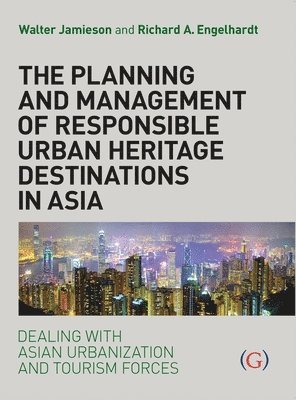
Planning and Management of Responsible Urban Heritage Destinations in Asia
Dealing with Asian Urbanisation and Tourism Forces
Inbunden, Engelska, 2018
1 786 kr
Skickas inom 5-8 vardagar
This new and timely book looks at the issue that Heritage in general, and in particular urban heritage in Asia, is at the centre of a perfect storm. Populations are increasing rapidly in cities as urbanization grows and there are ever larger numbers of tourists placing significant pressure on urban heritage resources. It does not ignore the fact however that many heritage sites were urban sites historically, with architecture and infrastructure all squeezed into a small space. This means the issues of managing large numbers of tourists in small spaces not designed for this use at Angkor/Bagan are really no different than Bangkok or Yangon. The core issues that need to be confronted for the future of these cities are clearly analyzed and the authors address-* Cities that are above their ‘carrying capacity’ and the physical, social, psychological, ritual issues that follow alongside the poor handling of visitor management issues damaging both tangible and intangible heritage assets* The need for a management process very different from simply “hardening” of heritage to accommodate greater numbers* The need to move to stewardship rather than visitor management as the approach for the future* The ethical, social and regulatory issues surrounding the expropriation of heritageIt will be essential reading for faculty, students, planners, urban policymakers and a range of tourism professionals concerned with the future of the heritage tourism industry.
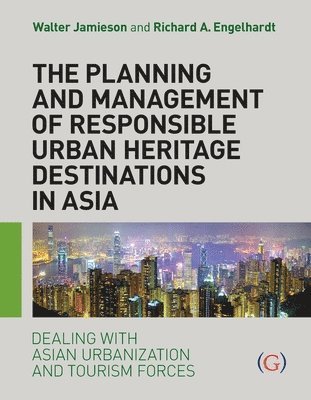
Planning and Management of Responsible Urban Heritage Destinations in Asia
Dealing with Asian Urbanisation and Tourism Forces
Häftad, Engelska, 2018
615 kr
Skickas inom 5-8 vardagar
This new and timely book looks at the issue that Heritage in general, and in particular urban heritage in Asia, is at the centre of a perfect storm. Populations are increasing rapidly in cities as urbanization grows and there are ever larger numbers of tourists placing significant pressure on urban heritage resources. It does not ignore the fact however that many heritage sites were urban sites historically, with architecture and infrastructure all squeezed into a small space. This means the issues of managing large numbers of tourists in small spaces not designed for this use at Angkor/Bagan are really no different than Bangkok or Yangon. The core issues that need to be confronted for the future of these cities are clearly analyzed and the authors address-* Cities that are above their ‘carrying capacity’ and the physical, social, psychological, ritual issues that follow alongside the poor handling of visitor management issues damaging both tangible and intangible heritage assets* The need for a management process very different from simply “hardening” of heritage to accommodate greater numbers* The need to move to stewardship rather than visitor management as the approach for the future* The ethical, social and regulatory issues surrounding the expropriation of heritageIt will be essential reading for faculty, students, planners, urban policymakers and a range of tourism professionals concerned with the future of the heritage tourism industry.