Walter Rodney – författare
Visar alla böcker från författaren Walter Rodney. Handla med fri frakt och snabb leverans.
16 produkter
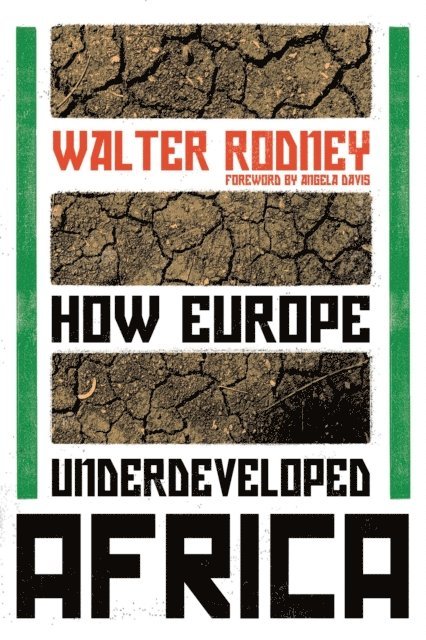
How Europe Underdeveloped Africa
Häftad, 2026
188 kr
Lägg i varukorg
How Europe Underdeveloped Africa is an ambitious masterwork of political economy, detailing the impact of slavery and colonialism on the history of international capitalism. In this classic book, Rodney makes the unflinching case that African maldevelopment is not a natural feature of geography, …
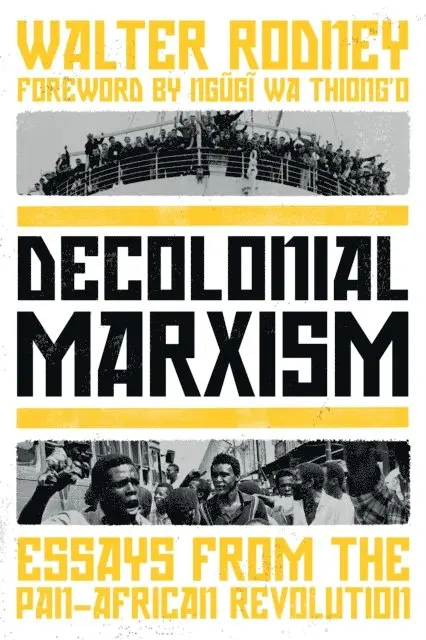
Decolonial Marxism
Essays from the Pan-African Revolution
Häftad, 2022
243 kr
Lägg i varukorg
Early in life, Walter Rodney became a major revolutionary figure in a dizzying range of locales that traversed the breadth of the Black diaspora: in North America and Europe, in the Caribbean and on the African continent. He was not only a witness of a Pan-African and socialist internationalism; in …
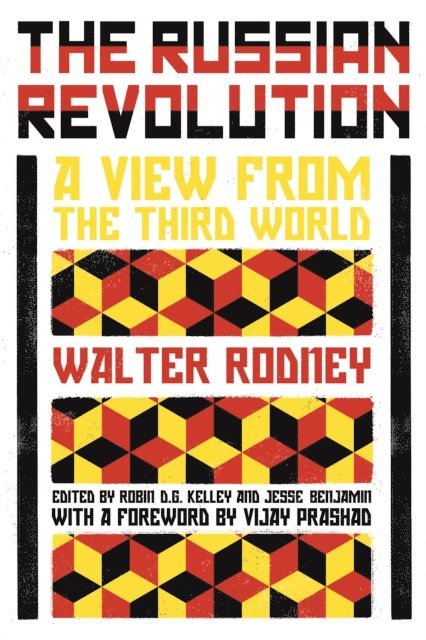
The Russian Revolution
A View from the Third World
Av Walter Rodney, Robin D. G. Kelley m. fl.
Häftad, 2018
214 kr
Lägg i varukorg
Preface by Jesse Benjamin and the Walter Rodney FoundationIntroduction by Robin D.G. KelleyAfterword by Vijay PrashadIn his short life, the Guyanese intellectual Walter Rodney emerged as one of the leading revolutionary thinkers of the Black Sixties. He became a leading force of dissent throughout …
How Europe Underdeveloped Africa
Häftad, 2018
5,0 utav 5 stjärnor. Totalt antal röster: (1)
223 kr
Tillfälligt slut
How Europe Underdeveloped Africa is an ambitious masterwork of political economy, detailing the impact of slavery and colonialism on the history of international capitalism. In this classic book, Rodney makes the unflinching case that African maldevelopment is not a natural feature of geography, …
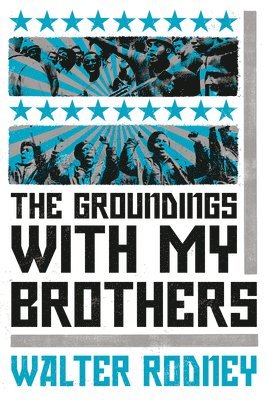
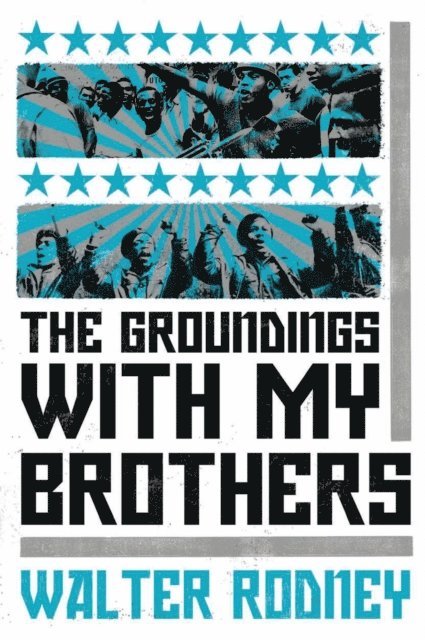
Groundings With My Brothers
Häftad, 2019
153 kr
Lägg i varukorg
In his short life, the Guyanese intellectual Walter Rodney emerged as one of the leading thinkers and activists of the anticolonial revolution, leading movements in North America, South America, the African continent, and the Caribbean. In each locale, Rodney found himself a lightning rod for …
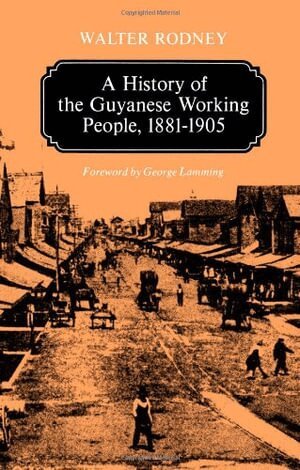
History of the Guyanese Working People, 1881-1905
Häftad, 1981
414 kr
Lägg i varukorg
Completed shortly before Walter Rodney's assassination in June 1980, A History of the Guyanese Working People, 1881-1905 provides an original, well-informed, and perceptive contribution to the historiography of nineteenth-century Guyanese society. This comprehensive examination encompasses the …
The Russian Revolution
A View from the Third World
E-bok, 2018
179 kr
Lägg i varukorg
Preface by Jesse Benjamin and the Walter Rodney Foundation Introduction by Robin D.G. Kelley Afterword by Vijay Prashad In his short life, the Guyanese intellectual Walter Rodney emerged as one of the leading revolutionary thinkers of the Black Sixties. He became a leading force of dissent …
Groundings With My Brothers
E-bok, 2019
134 kr
Lägg i varukorg
In his short life, the Guyanese intellectual Walter Rodney emerged as one of the leading thinkers and activists of the anticolonial revolution, leading movements in North America, South America, the African continent, and the Caribbean. In each locale, Rodney found himself a lightning rod for …
How Europe Underdeveloped Africa
E-bok, 2018
134 kr
Lägg i varukorg
How Europe Underdeveloped Africa is an ambitious masterwork of political economy, detailing the impact of slavery and colonialism on the history of international capitalism. In this classic book, Rodney makes the unflinching case that African maldevelopment is not a natural feature of geography, …
Decolonial Marxism
Essays from the Pan-African Revolution
E-bok, 2022
174 kr
Lägg i varukorg
Early in life, Walter Rodney became a major revolutionary figure in a dizzying range of locales that traversed the breadth of the Black diaspora: in North America and Europe, in the Caribbean and on the African continent. He was not only a witness of a Pan-African and socialist internationalism; in …