WD Heiss – författare
Visar alla böcker från författaren WD Heiss. Handla med fri frakt och snabb leverans.
7 produkter
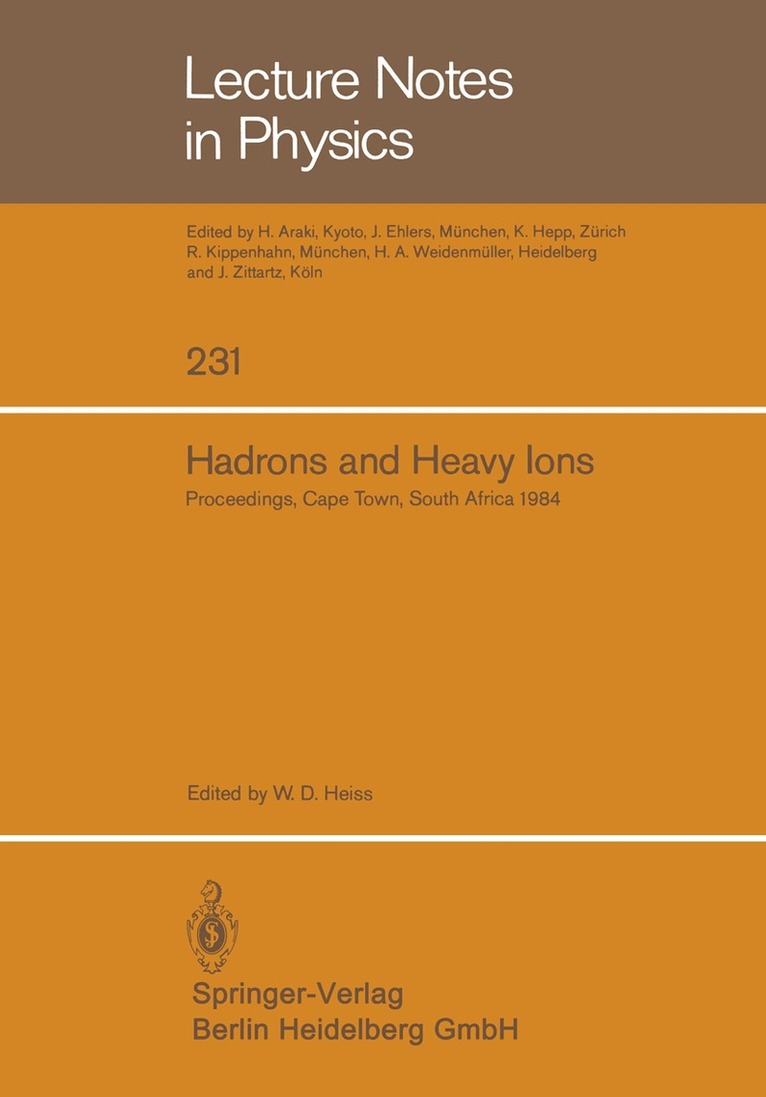
Hadrons and Heavy Ions
Proceedings of the Summer School held at the University of Cape Town, January 16 – 27, 1984
Av WD Heiss
Häftad, 1985
551 kr
Lägg i varukorg
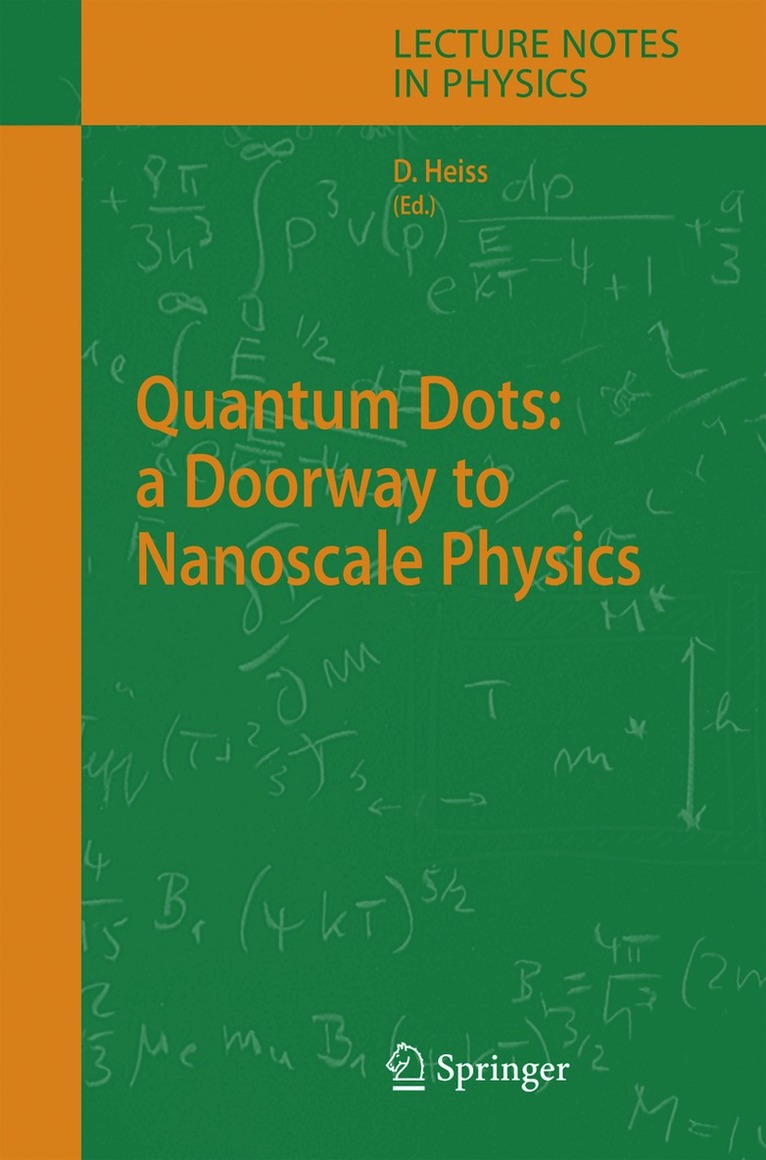
Quantum Dots: a Doorway to Nanoscale Physics
Av WD. Heiss
Inbunden, 2005
551 kr
Lägg i varukorg
Quantum dots, often denoted artificial atoms, are the exquisite tools by which quantum behavior can be probed on a scale appreciably larger than the atomic scale, that is on the nanometer scale. In this way, the physics of the devices is closer to classical physics than that of atomic physics but …
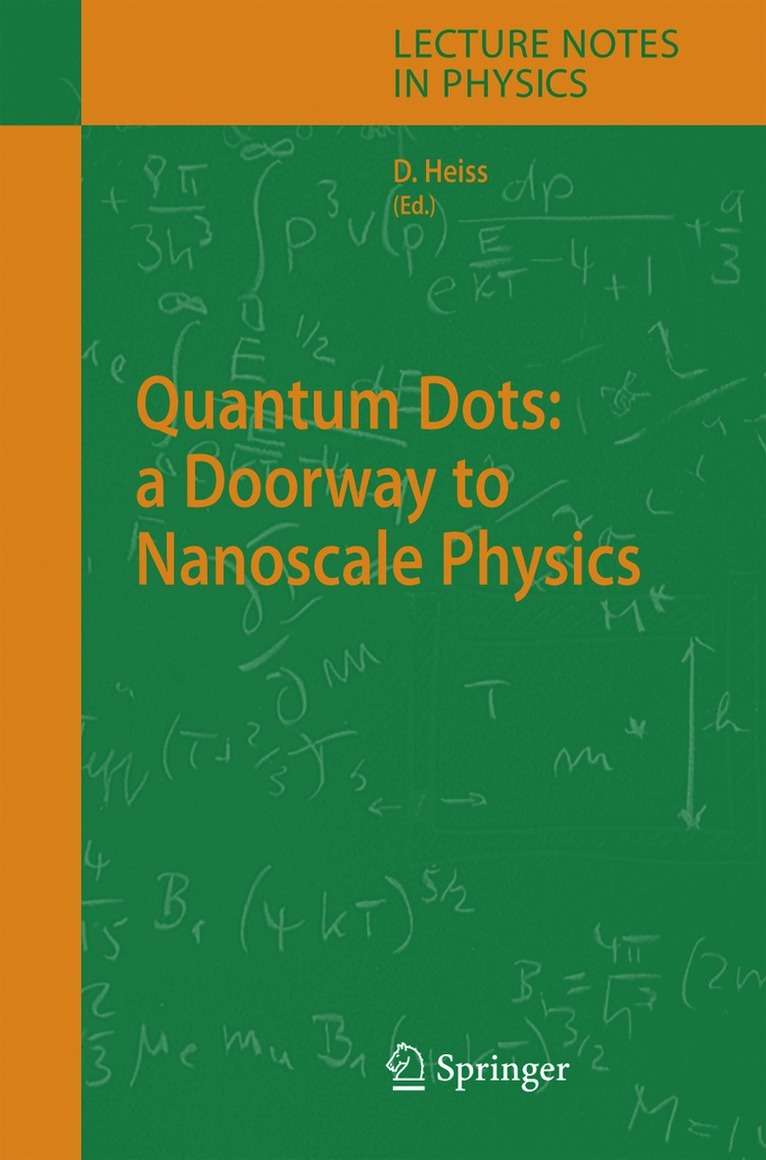
Quantum Dots: a Doorway to Nanoscale Physics
Av WD. Heiss
Häftad, 2010
551 kr
Lägg i varukorg
Quantum dots, often denoted artificial atoms, are the exquisite tools by which quantum behavior can be probed on a scale appreciably larger than the atomic scale, that is on the nanometer scale. In this way, the physics of the devices is closer to classical physics than that of atomic physics but …
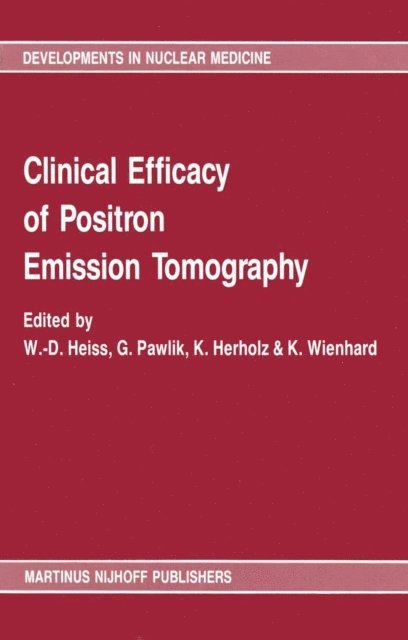
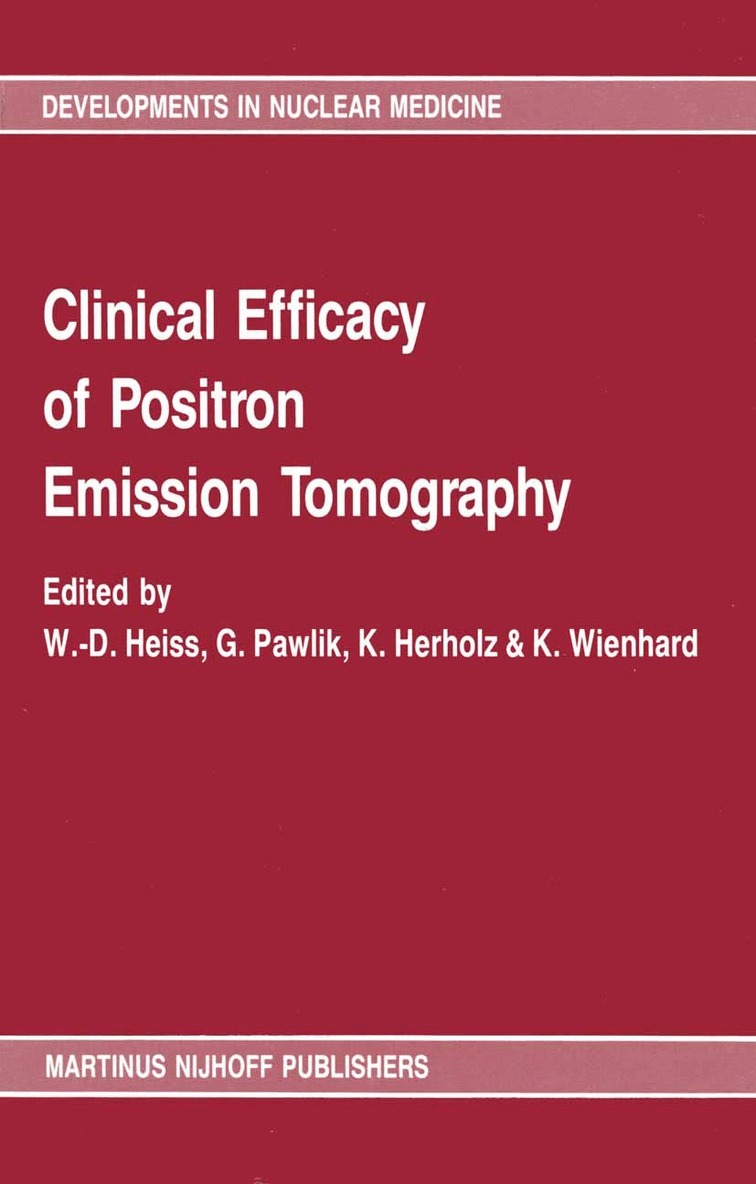
Clinical efficacy of positron emission tomography
Proceedings of a workshop held in Cologne, FRG, sponsored by the Commission of the European Communities as advised by the Committee on Medical and Public Health Research
Av K. Wienhard, K. Herholz m. fl.
E-bok, 2012
755 kr
Lägg i varukorg
The series of workshops sponsored by the European Communities started with "Methodology of PET" at Hammersmith Hospital, London, in March 1984. This was followed by "Radiochemistry, Methodology and Standardization in PET" at the Service Hospitalier Frederic Joliot in Orsay, France, in March 1985. …
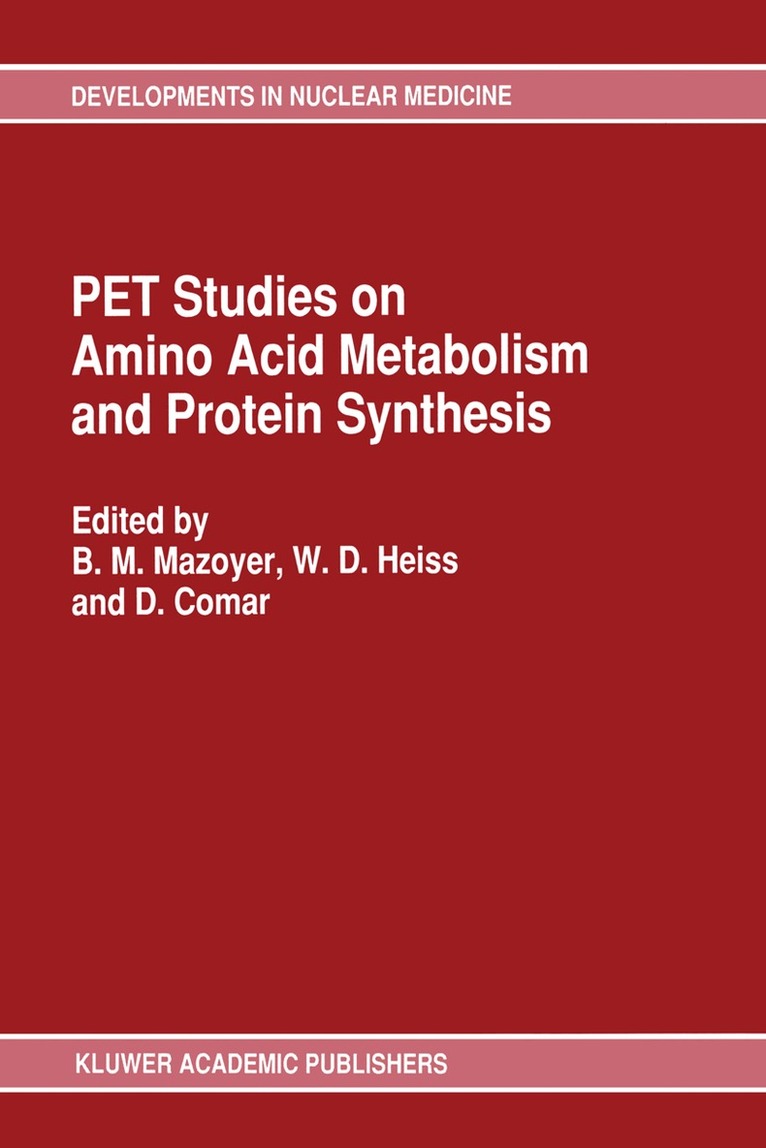
PET Studies on Amino Acid Metabolism and Protein Synthesis
Proceedings of a Workshop held in Lyon, France within the framework of the European Community Medical and Public Health Research
Av B.M. Mazoyer, WD Heiss m. fl.
Häftad, 2012
1128 kr
Lägg i varukorg
Parameters such as membrane transport, metabolism and protein incorporation govern the fate of amino acids in living tissue. Is it possible to use positron tomography to measure some of them, and what is their meaning in normal and pathological situations? These questions have been addressed for a …
Clinical efficacy of positron emission tomography
Proceedings of a workshop held in Cologne, FRG, sponsored by the Commission of the European Communities as advised by the Committee on Medical and Public Health Research
Häftad, 2013
568 kr
Lägg i varukorg
The series of workshops sponsored by the European Communities started with "Methodology of PET" at Hammersmith Hospital, London, in March 1984. This was followed by "Radiochemistry, Methodology and Standardization in PET" at the Service Hospitalier Frederic Joliot in Orsay, France, in March 1985. …
PET Studies on Amino Acid Metabolism and Protein Synthesis
Proceedings of a Workshop held in Lyon, France within the framework of the European Community Medical and Public Health Research
E-bok, 2012
1502 kr
Lägg i varukorg
Parameters such as membrane transport, metabolism and protein incorporation govern the fate of amino acids in living tissue. Is it possible to use positron tomography to measure some of them, and what is their meaning in normal and pathological situations? These questions have been addressed for a …