Wendy Dobson – författare
Visar alla böcker från författaren Wendy Dobson. Handla med fri frakt och snabb leverans.
32 produkter
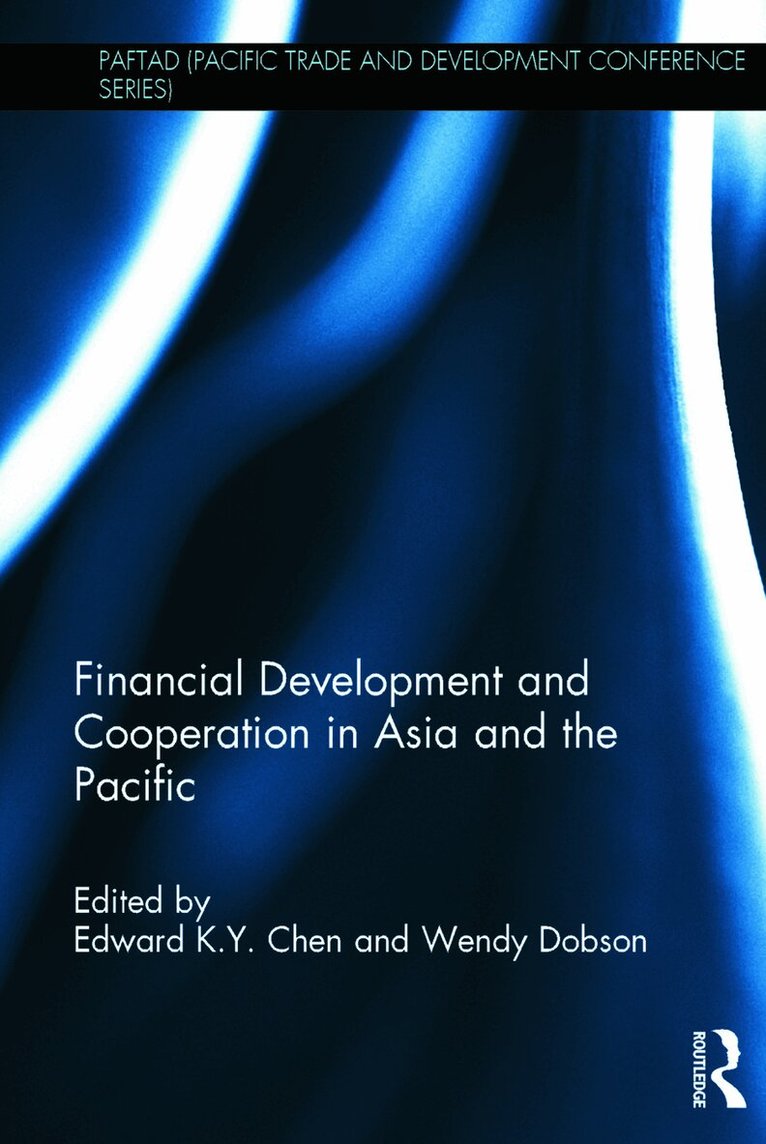
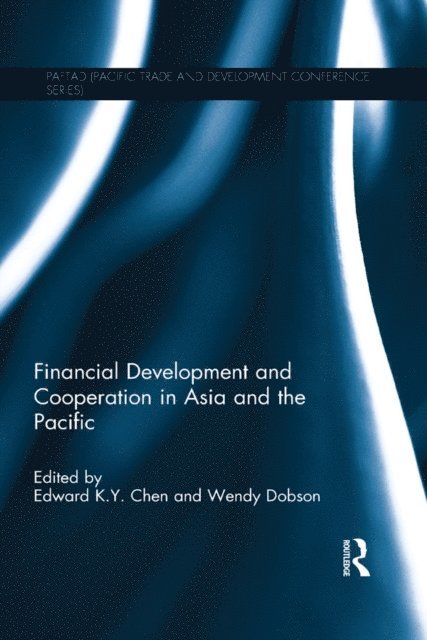
Financial Development and Cooperation in Asia and the Pacific
Av Edward K. Y. Chen, Wendy Dobson
Inbunden, 2014
2826 kr
Lägg i varukorg
The 1997–8 Asian financial crisis exposed weaknesses in the region’s national financial systems, but since then East Asia has become the world’s most dynamic economic region. Domestic financial systems have developed, cross-border financial flows within the region are growing apace as demand from …
Human Capital Formation and Economic Growth in Asia and the Pacific
Av Wendy Dobson
Inbunden, 2013
2586 kr
Lägg i varukorg
The entire planet looks to Asian and other emerging markets to sustain growth momentum as traditional markets in the USA and Europe struggle with the slow and arduous processes of deleveraging after the global financial crisis. At the same time, there is growing recognition in Asia that the sources …
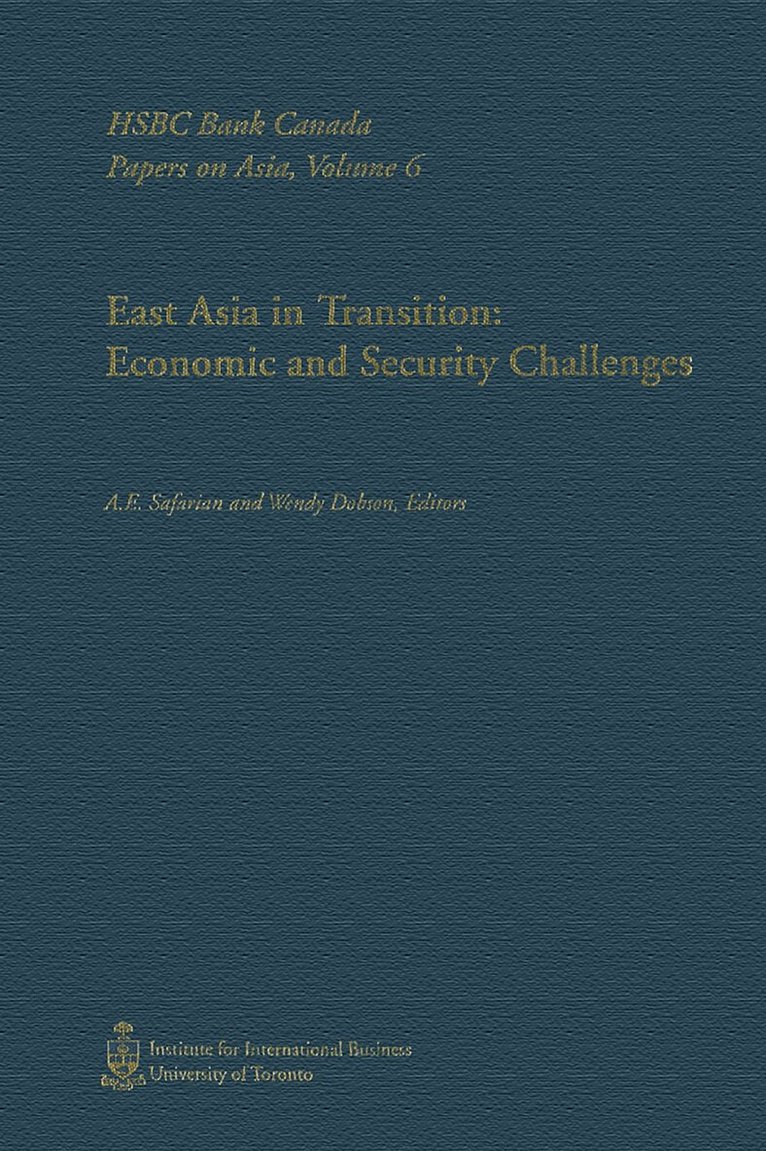
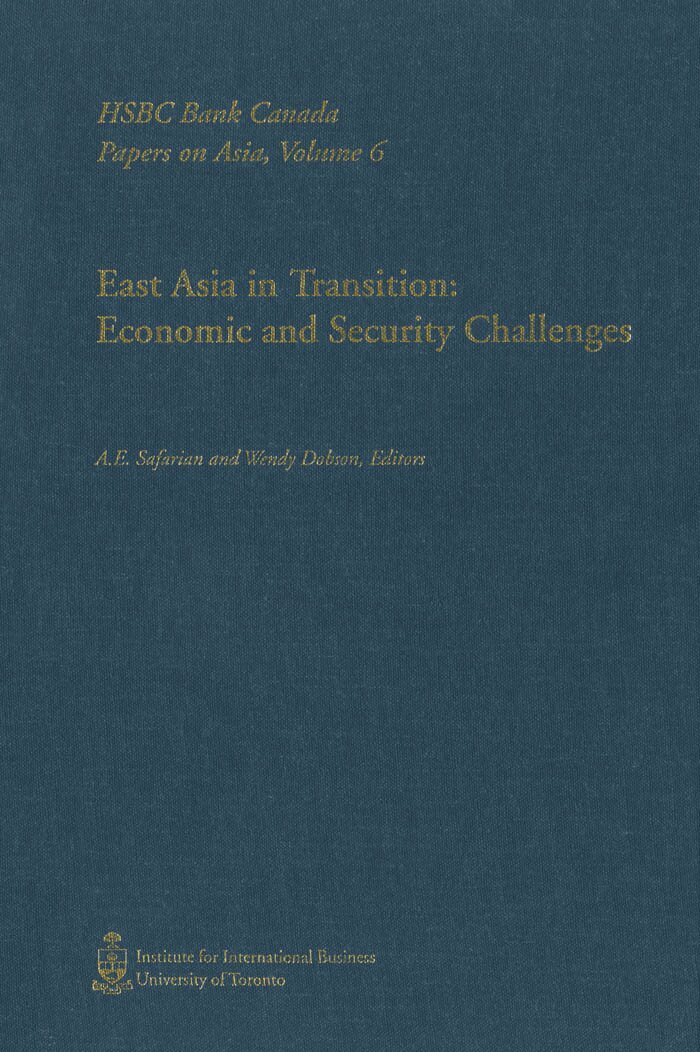
East Asia in Transition
Economic and Security Challenges
Av Wendy Dobson, A.E. Safarian
Inbunden, 2002
763 kr
Lägg i varukorg
The HSBC Bank Canada Papers on Asia series was begun in 1995 to examine Canada's relationship with the East Asian economies and to reduce the information barriers resulting from distance and unfamiliarity in these markets. Six years on from the inception of the series, much has changed in the …
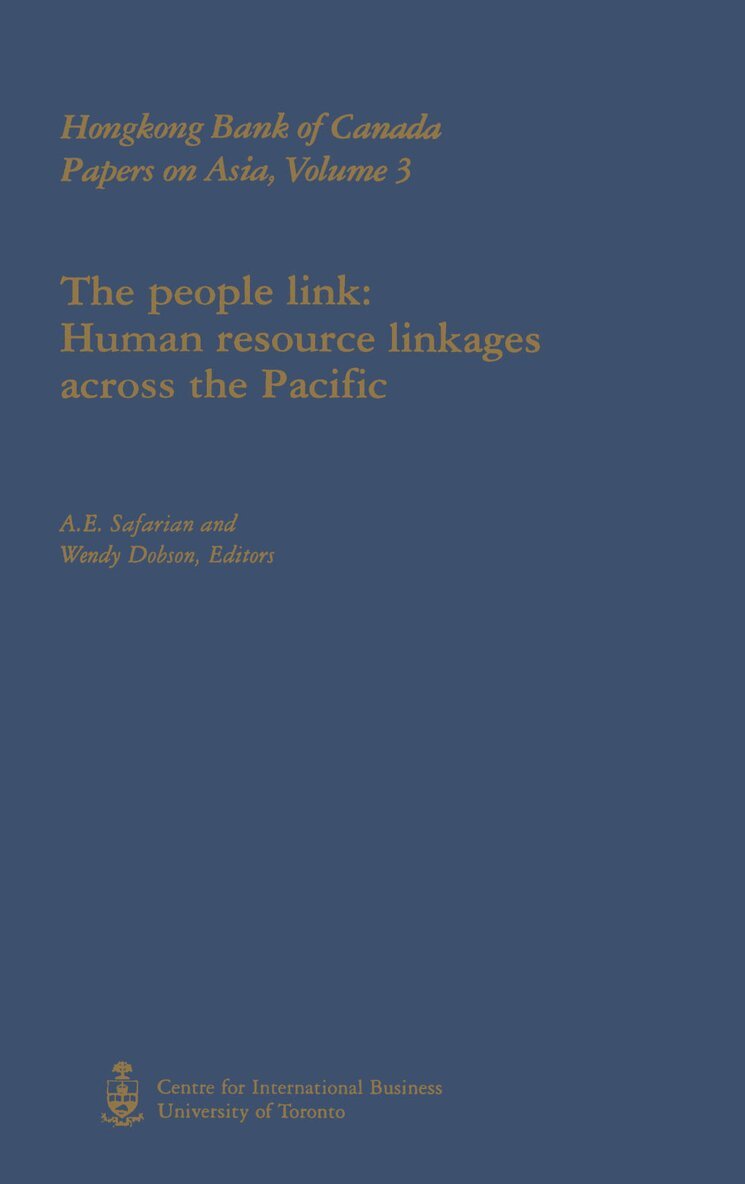
People Link
Human Resource Linkages Across the Pacific
Av A.E. Safarian, Wendy Dobson
Häftad, 1997
353 kr
Lägg i varukorg
This volume is the third in a series that examines Canada's economic relationships with the countries of East Asia. The purpose of this volume is to illuminate the links among the peoples of the region that Canadians needs to understand when doing business abroad or cooperating with East Asians in …
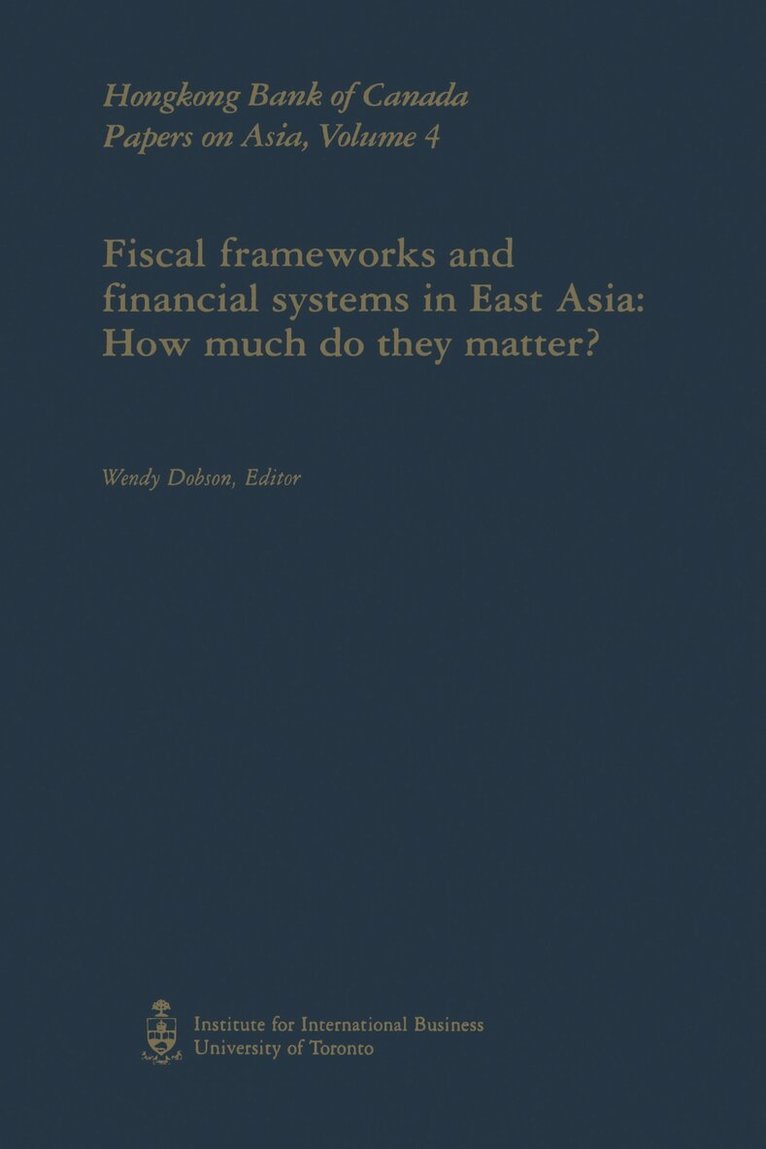
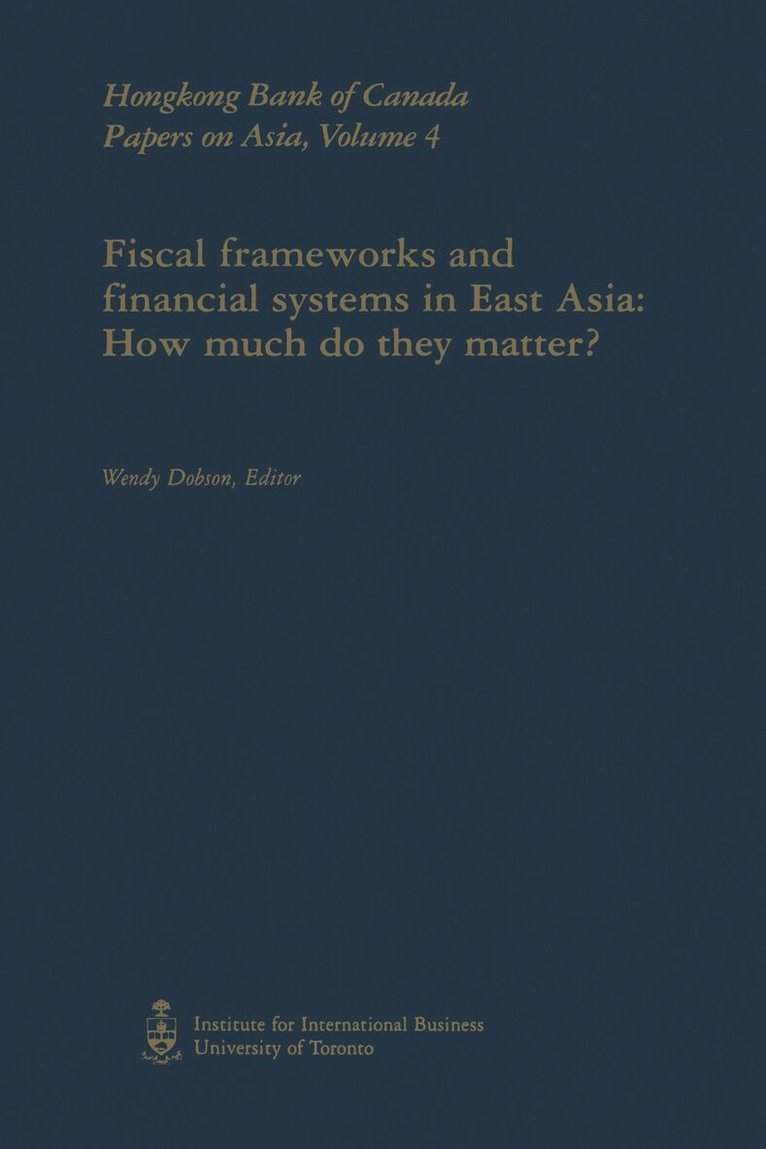
Fiscal Frameworks and Financial Systems in East Asia
How Much Do They Matter?
Av Wendy Dobson
Häftad, 1998
353 kr
Lägg i varukorg
This volume addresses the two key financing constraints that firms must face: taxation and finance. The taxation analysis focuses on how tax systems in selected Asian economies affect growth and the relative competitiveness of foreign and domestic enterprises. It outlines key features of the …
East Asia in Transition
Economic and Security Challenges
Av Wendy Dobson, A.E. Safarian
Häftad, 2002
346 kr
Lägg i varukorg
The HSBC Bank Canada Papers on Asia series was begun in 1995 to examine Canada's relationship with the East Asian economies and to reduce the information barriers resulting from distance and unfamiliarity in these markets. Six years on from the inception of the series, much has changed in the …
Financial Services Liberalization in the WTO
Av Wendy Dobson, Pierre Jacquet
Häftad, 1998
228 kr
Lägg i varukorg
World Capital Markets – Challenge to the G–10
Av Wendy Dobson, Gary Clyde Hufbauer
Häftad, 2001
228 kr
Lägg i varukorg
Financial Development and Cooperation in Asia and the Pacific
Av Wendy Dobson, Edward K. Y. Chen
E-bok, 2014
977 kr
Lägg i varukorg
The 1997–8 Asian financial crisis exposed weaknesses in the region’s national financial systems, but since then East Asia has become the world’s most dynamic economic region. Domestic financial systems have developed, cross-border financial flows within the region are growing apace as demand from …
Financial Development and Cooperation in Asia and the Pacific
Av Wendy Dobson, Edward K. Y. Chen
E-bok, 2014
999 kr
Lägg i varukorg
The 1997–8 Asian financial crisis exposed weaknesses in the region’s national financial systems, but since then East Asia has become the world’s most dynamic economic region. Domestic financial systems have developed, cross-border financial flows within the region are growing apace as demand from …
Human Capital Formation and Economic Growth in Asia and the Pacific
Av Wendy Dobson
E-bok, 2013
840 kr
Lägg i varukorg
The entire planet looks to Asian and other emerging markets to sustain growth momentum as traditional markets in the USA and Europe struggle with the slow and arduous processes of deleveraging after the global financial crisis. At the same time, there is growing recognition in Asia that the sources …
Human Capital Formation and Economic Growth in Asia and the Pacific
Av Wendy Dobson
E-bok, 2013
840 kr
Lägg i varukorg
The entire planet looks to Asian and other emerging markets to sustain growth momentum as traditional markets in the USA and Europe struggle with the slow and arduous processes of deleveraging after the global financial crisis. At the same time, there is growing recognition in Asia that the sources …
Financial Development and Cooperation in Asia and the Pacific
Av Edward K. Y. Chen, Wendy Dobson
Häftad, 2017
842 kr
Lägg i varukorg
The 1997–8 Asian financial crisis exposed weaknesses in the region’s national financial systems, but since then East Asia has become the world’s most dynamic economic region. Domestic financial systems have developed, cross-border financial flows within the region are growing apace as demand from …
Human Capital Formation and Economic Growth in Asia and the Pacific
Av Wendy Dobson
Häftad, 2015
772 kr
Lägg i varukorg
The entire planet looks to Asian and other emerging markets to sustain growth momentum as traditional markets in the USA and Europe struggle with the slow and arduous processes of deleveraging after the global financial crisis. At the same time, there is growing recognition in Asia that the sources …
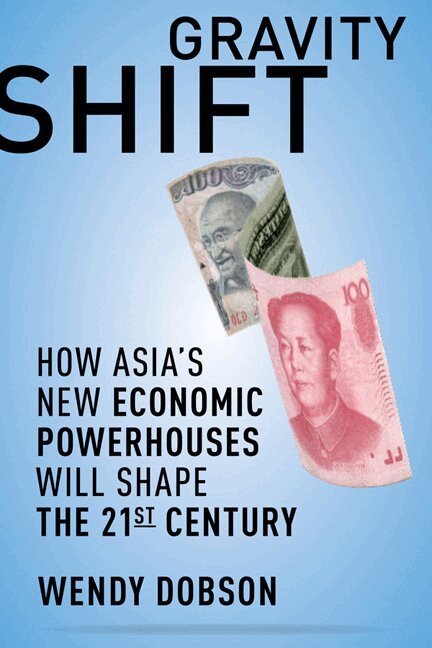
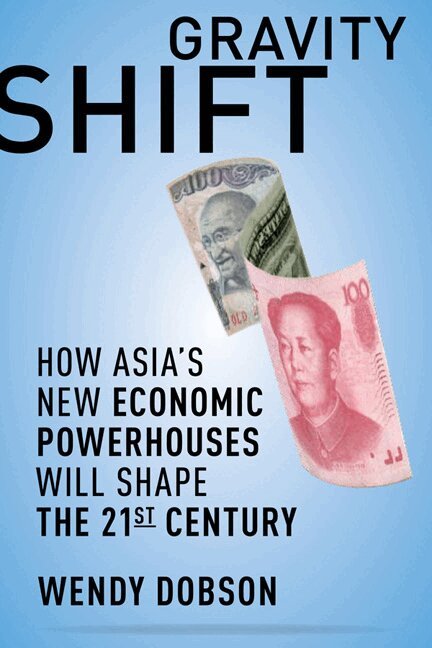
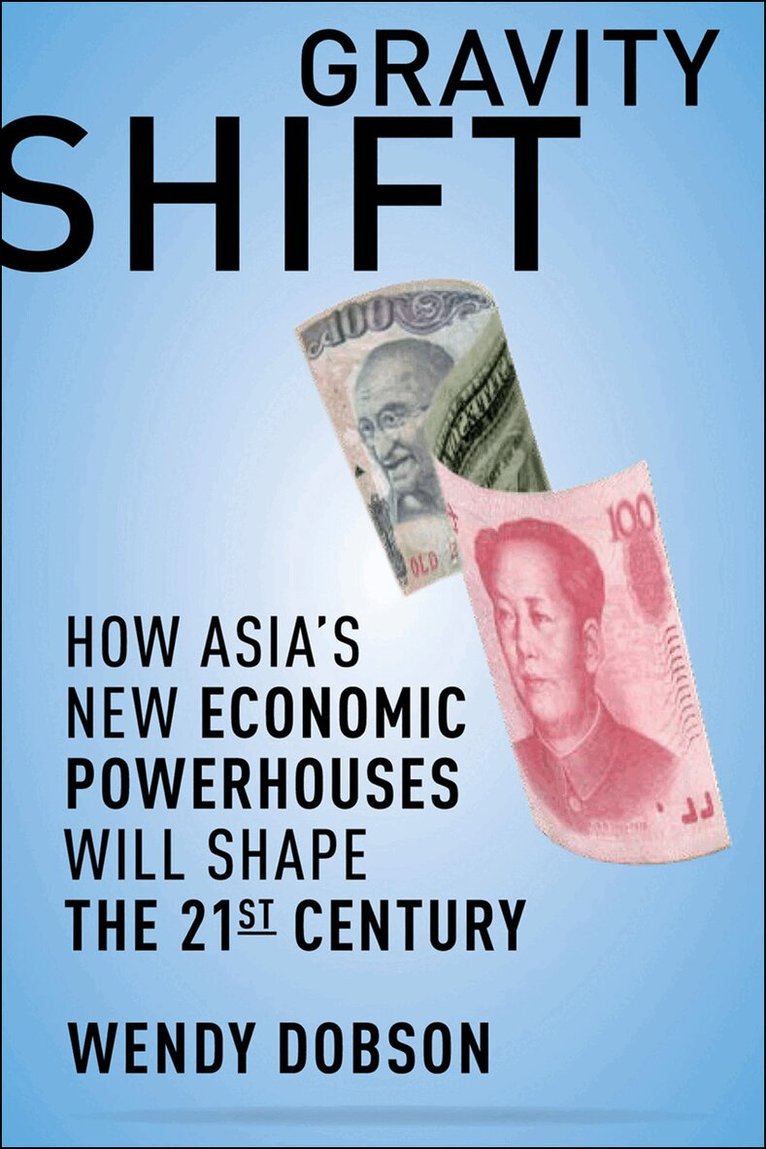
Gravity Shift
How Asia's New Economic Powerhouses Will Shape the 21st Century
Av Wendy Dobson
Häftad, 2010
369 kr
Lägg i varukorg
The rapid growth, diversity and strategic importance of the emerging Chinese and Indian economies have fired the world's imagination with both hopes and fears for the future. Wendy Dobson's perceptive analysis of changing institutions, demographics, and politics paints a thoughtful and surprising …
Fiscal Frameworks and Financial Systems in East Asia
How Much Do They Matter?
Av Wendy Dobson
E-bok, 1998
453 kr
Lägg i varukorg
This volume addresses the two key financing constraints that firms must face: taxation and finance. The taxation analysis focuses on how tax systems in selected Asian economies affect growth and the relative competitiveness of foreign and domestic enterprises. It outlines key features of the …
People Link
Human Resource Linkages Across the Pacific
Av A.E. Safarian, Wendy Dobson
E-bok, 1997
437 kr
Lägg i varukorg
This volume is the third in a series that examines Canada's economic relationships with the countries of East Asia. The purpose of this volume is to illuminate the links among the peoples of the region that Canadians needs to understand when doing business abroad or cooperating with East Asians in …
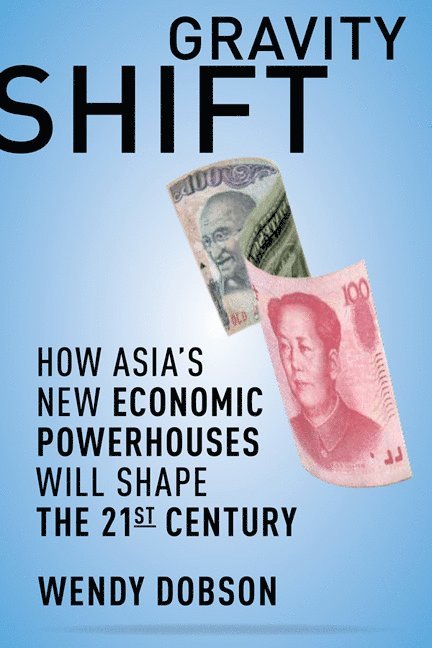
Gravity Shift
How Asia's New Economic Powerhouses Will Shape the 21st Century
Av Wendy Dobson
Inbunden, 2009
484 kr
Lägg i varukorg
The rapid growth, diversity and strategic importance of the emerging Chinese and Indian economies have fired the world's imagination with both hopes and fears for the future. Wendy Dobson's perceptive analysis of changing institutions, demographics, and politics paints a thoughtful and surprising …
Partners and Rivals
The Uneasy Future of China's Relationship with the United States
Av Wendy Dobson
Inbunden, 2013
428 kr
Lägg i varukorg
Until the global financial crisis, China was thought to be decades away from overtaking the United States as the world’s largest economy. But while the US skirted economic stagnation, China was able to successfully navigate the crisis, and its growth continues to accelerate. Has the time arrived to …
People Link
Human Resource Linkages Across the Pacific
Av A.E. Safarian, Wendy Dobson
E-bok, 1997
403 kr
Lägg i varukorg
This volume is the third in a series that examines Canada's economic relationships with the countries of East Asia. The purpose of this volume is to illuminate the links among the peoples of the region that Canadians needs to understand when doing business abroad or cooperating with East Asians in …
Partners and Rivals
The Uneasy Future of China's Relationship with the United States
Av Wendy Dobson
E-bok, 2013
554 kr
Lägg i varukorg
Until the global financial crisis, China was thought to be decades away from overtaking the United States as the world’s largest economy. But while the US skirted economic stagnation, China was able to successfully navigate the crisis, and its growth continues to accelerate. Has the time arrived to …
Partners and Rivals
The Uneasy Future of China's Relationship with the United States
Av Wendy Dobson
E-bok, 2013
554 kr
Lägg i varukorg
Until the global financial crisis, China was thought to be decades away from overtaking the United States as the world’s largest economy. But while the US skirted economic stagnation, China was able to successfully navigate the crisis, and its growth continues to accelerate. Has the time arrived to …
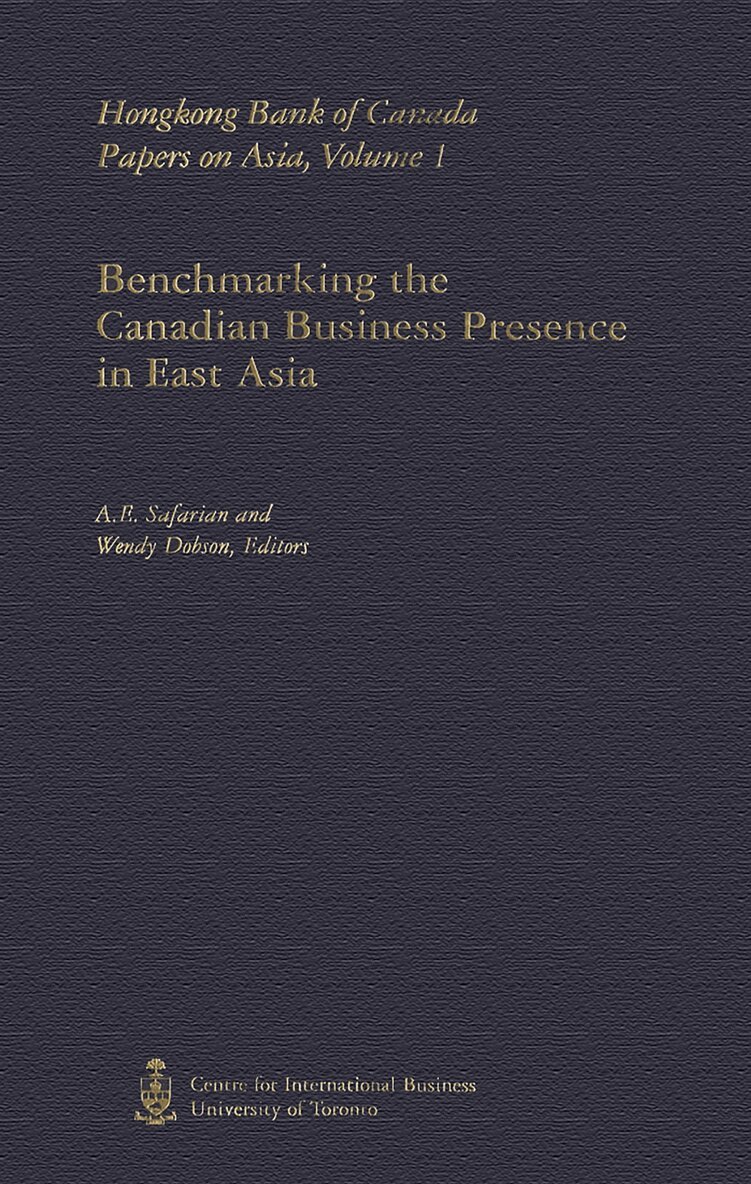
Benchmarking the Canadian Business Presence in East Asia
Av Wendy Dobson, A.E. Safarian
E-bok, 1996
638 kr
Lägg i varukorg
Why has Canada's trade with the East Asian economies declined when these economies are booming? What can be done about this performance?Benchmarking the Canadian Business Presence in East Asia is the first in a series that examines Canadian economic relationships with the countries of East Asia. …
East Asia in Transition
Economic and Security Challenges
Av Wendy Dobson, A.E. Safarian
E-bok, 2002
1027 kr
Lägg i varukorg
The HSBC Bank Canada Papers on Asia series was begun in 1995 to examine Canada's relationship with the East Asian economies and to reduce the information barriers resulting from distance and unfamiliarity in these markets. Six years on from the inception of the series, much has changed in the …
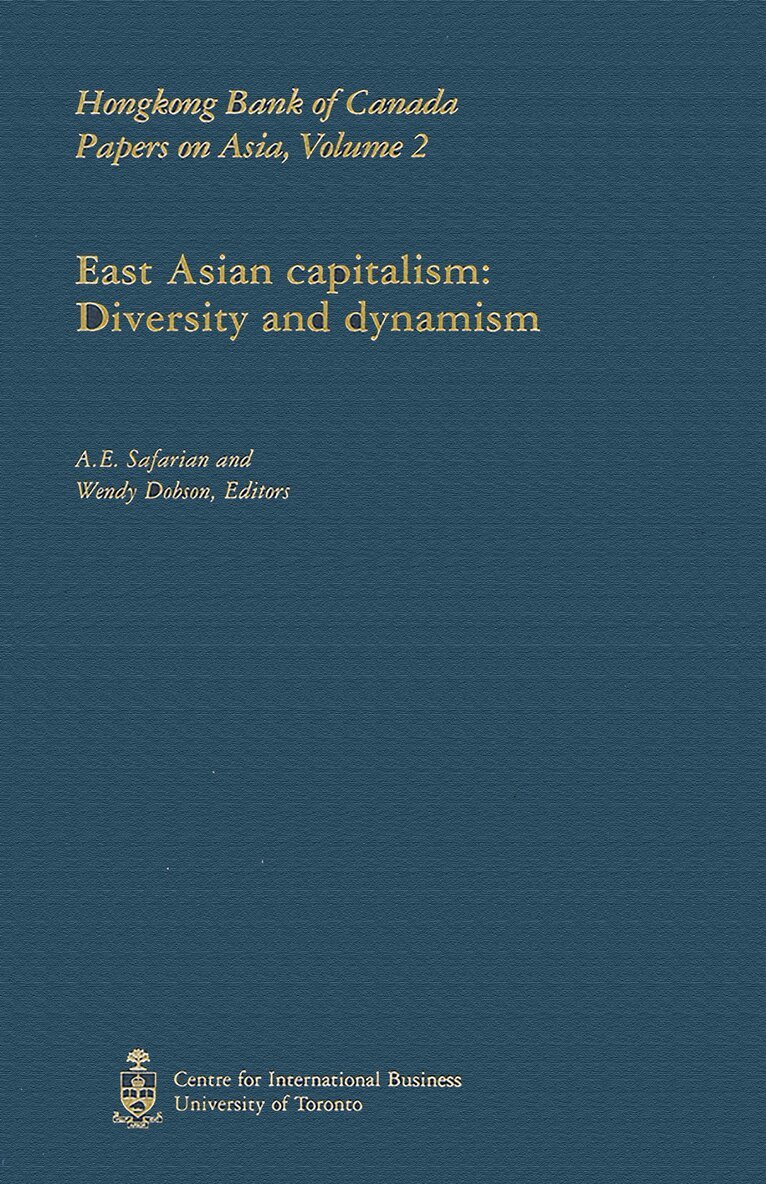
East Asian Capitalism
Diversity and Dynamism
Av Wendy Dobson, A.E. Safarian
E-bok, 1996
920 kr
Lägg i varukorg
What price will North American business pay if it fails to develop an understanding of the role of East Asia in the transformation of global competition? Competition in this region has been intensifying as the pace of technological change speeds up and new competitors appear. Canada has major …
Fiscal Frameworks and Financial Systems in East Asia
How Much Do They Matter?
Av Wendy Dobson
E-bok, 1998
394 kr
Lägg i varukorg
This volume addresses the two key financing constraints that firms must face: taxation and finance. The taxation analysis focuses on how tax systems in selected Asian economies affect growth and the relative competitiveness of foreign and domestic enterprises. It outlines key features of the …
Gravity Shift
How Asia's New Economic Powerhouses Will Shape the 21st Century
Av Wendy Dobson
E-bok, 2009
470 kr
Lägg i varukorg
The rapid growth, diversity and strategic importance of the emerging Chinese and Indian economies have fired the world's imagination with both hopes and fears for the future. Wendy Dobson's perceptive analysis of changing institutions, demographics, and politics paints a thoughtful and surprising …
Gravity Shift
How Asia's New Economic Powerhouses Will Shape the 21st Century
Av Wendy Dobson
E-bok, 2010
470 kr
Lägg i varukorg
The rapid growth, diversity and strategic importance of the emerging Chinese and Indian economies have fired the world's imagination with both hopes and fears for the future. Wendy Dobson's perceptive analysis of changing institutions, demographics, and politics paints a thoughtful and surprising …
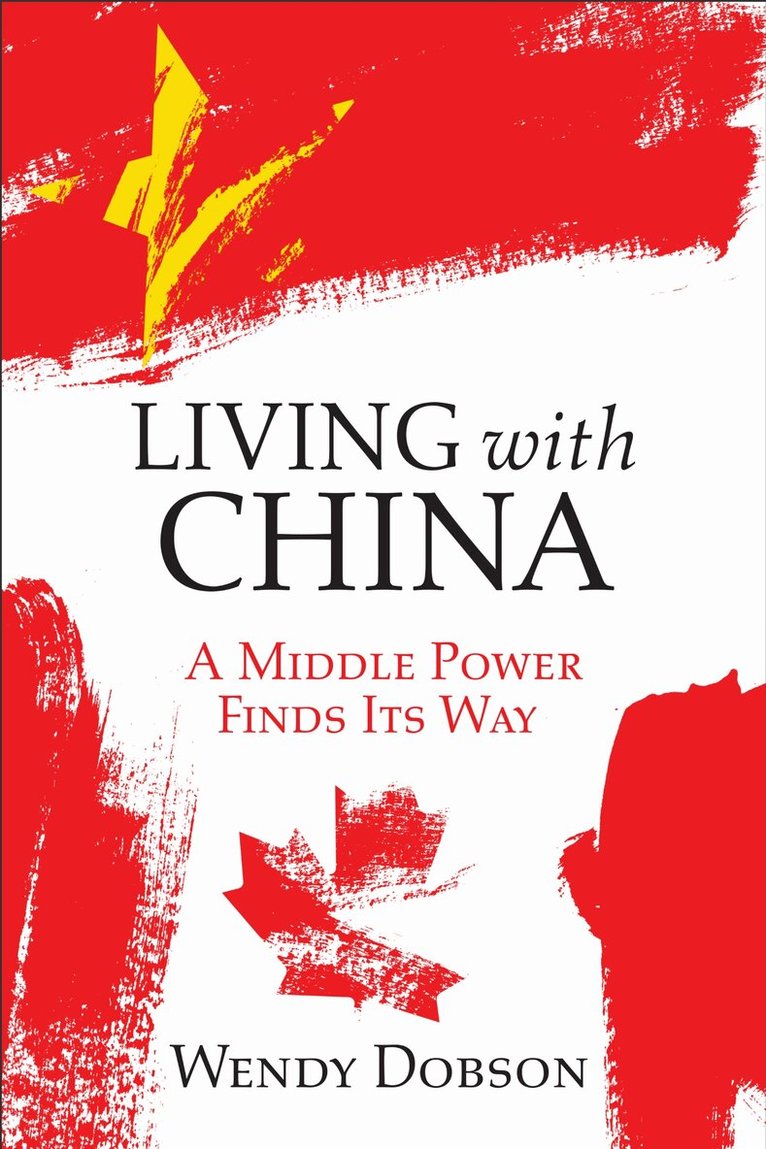
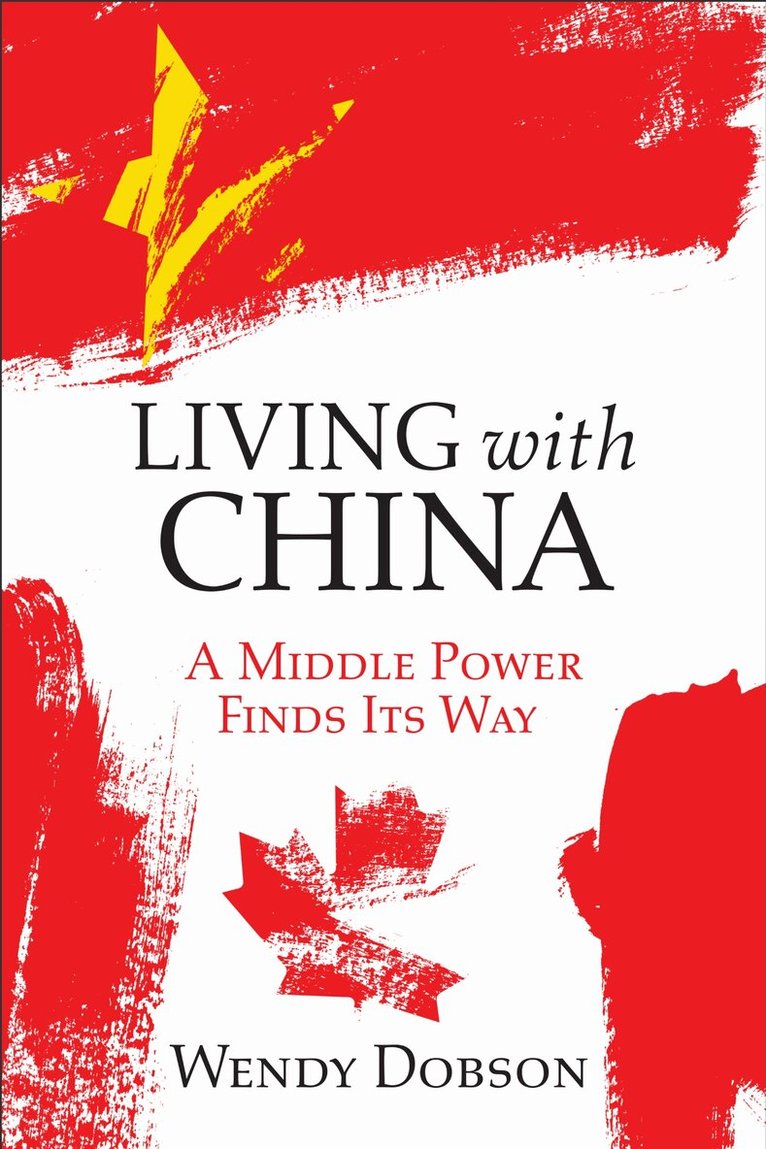
Living with China
A Middle Power Finds Its Way
Av Wendy Dobson
Inbunden, 2019
369 kr
Lägg i varukorg
Living with China urges Canadians to adopt a forward-looking China strategy that recognizes the significance of China’s history and values for its development model of authoritarian state capitalism and managed markets. Market reforms will be key drivers of China’s long-term growth, yet Chinese …
Living with China
A Middle Power Finds Its Way
Av Wendy Dobson
E-bok, 2019
455 kr
Lägg i varukorg
Living with China urges Canadians to adopt a forward-looking China strategy that recognizes the significance of China’s history and values for its development model of authoritarian state capitalism and managed markets. Market reforms will be key drivers of China’s long-term growth, yet Chinese …