Wendy Gamber - Böcker
Visar alla böcker från författaren Wendy Gamber. Handla med fri frakt och snabb leverans.
5 produkter
5 produkter
322 kr
Skickas
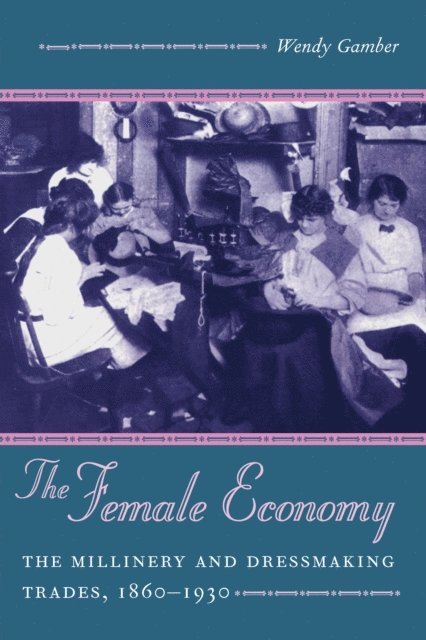
Hemmed in by "women's work" much less than has been thought, women in the late 1800s and early 1900s were the primary entrepreneurs in the millinery and dressmaking trades. The Female Economy explores that lost world of women's dominance, showing how independent, often ambitious businesswomen and the sometimes imperious consumers they served gradually vanished from the scene as custom production gave way to a largely unskilled modern garment industry controlled by men. Wendy Gamber helps overturn the portrait of wage-earning women as docile souls who would find fulfillment only in marriage and motherhood. She combines labor history, women's history, business history, and the history of technology while exploring topics as wide-ranging as the history of pattern-making and the relationship between entrepreneurship and marriage.A volume in the series The Working Class in American History, edited by David Brody, Alice Kessler-Harris, David Montgomery, and Sean Wilentz, and in the series Women in American History, edited by Anne Firor Scott, Nancy A. Hewitt, and Stephanie Shaw
213 kr
Skickas inom 10-15 vardagar
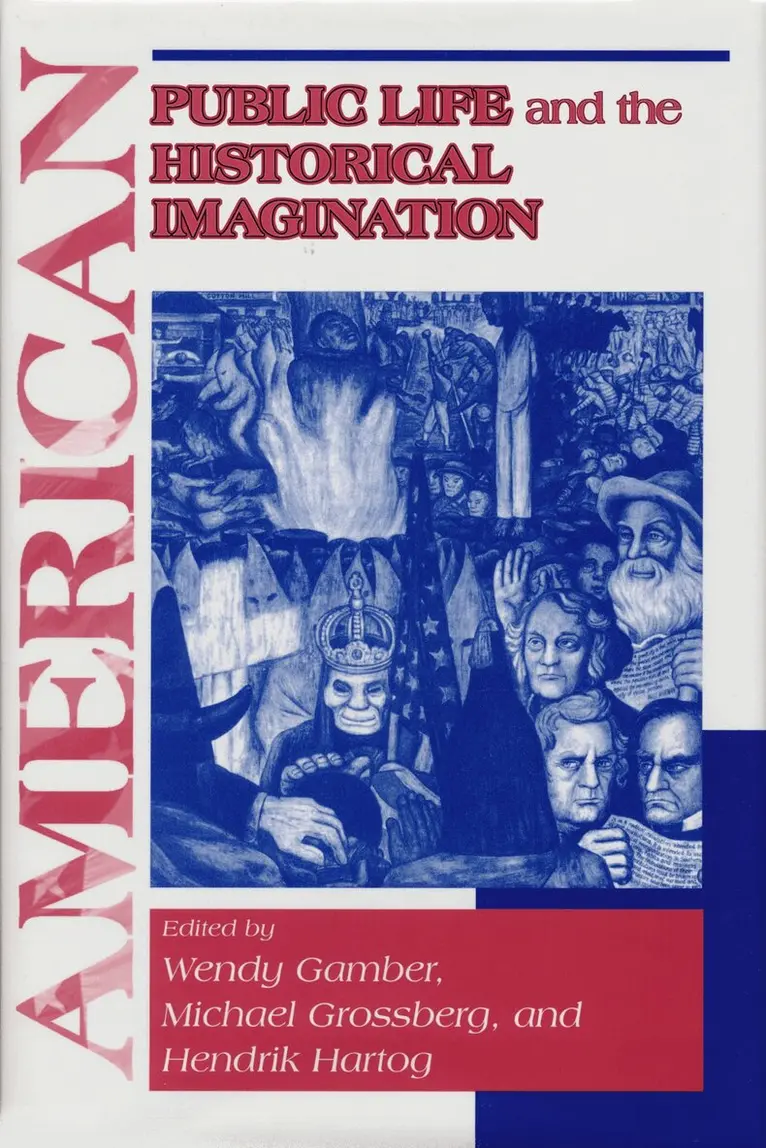
By applying a variety of critical historical strategies and methodologies to the study of nineteenth- and twentieth-century American public life, contributors to this volume unearth fascinating chronicles in American history. The alliance of the Anti-Saloon League and the Klu Klux Klan in the early twentieth century, hurricane control as a paradigm of twentieth-century institutional life, Native Americans as historians of the United States, and the difficulties that a legal theorist of the 1930s found in describing the functions of marriage, are just some of the topics covered. These essays explore an enlarged vision of American public life, one that incorporates all the institutions identified with American society, politics, and economy.Featuring many of the best-known historians of the United States, this splendid collection consists of fresh, first-rate scholarship that advances new arguments in the area of American public history.
504 kr
Tillfälligt slut
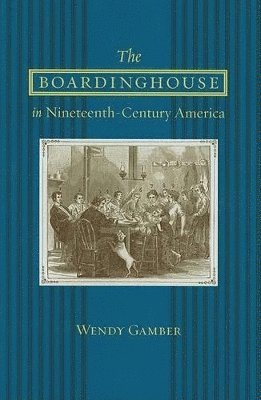
In nineteenth-century America, the bourgeois home epitomized family, morality, and virtue. But this era also witnessed massive urban growth and the acceptance of the market as the overarching model for economic relations. A rapidly changing environment bred the antithesis of "home": the urban boardinghouse. In this groundbreaking study, Wendy Gamber explores the experiences of the numerous people-old and young, married and single, rich and poor-who made boardinghouses their homes. Gamber contends that the very existence of the boardinghouse helped create the domestic ideal of the single family home. Where the home was private, the boardinghouse theoretically was public. If homes nurtured virtue, boardinghouses supposedly bred vice. Focusing on the larger cultural meanings and the commonplace realities of women's work, she examines how the houses were run, the landladies who operated them, and the day-to-day considerations of food, cleanliness, and petty crime. From ravenous bedbugs to penny-pinching landladies, from disreputable housemates to "boarder's beef," Gamber illuminates the annoyances-and the satisfactions-of nineteenth-century boarding life.
430 kr
Skickas inom 7-10 vardagar
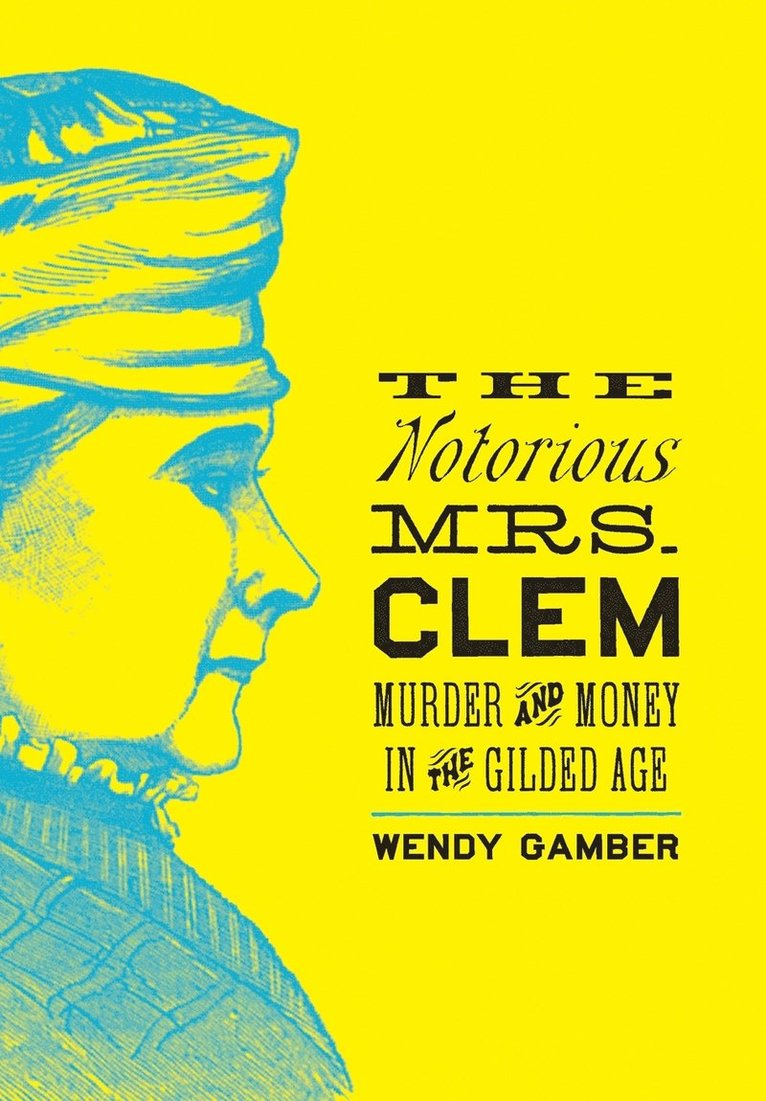
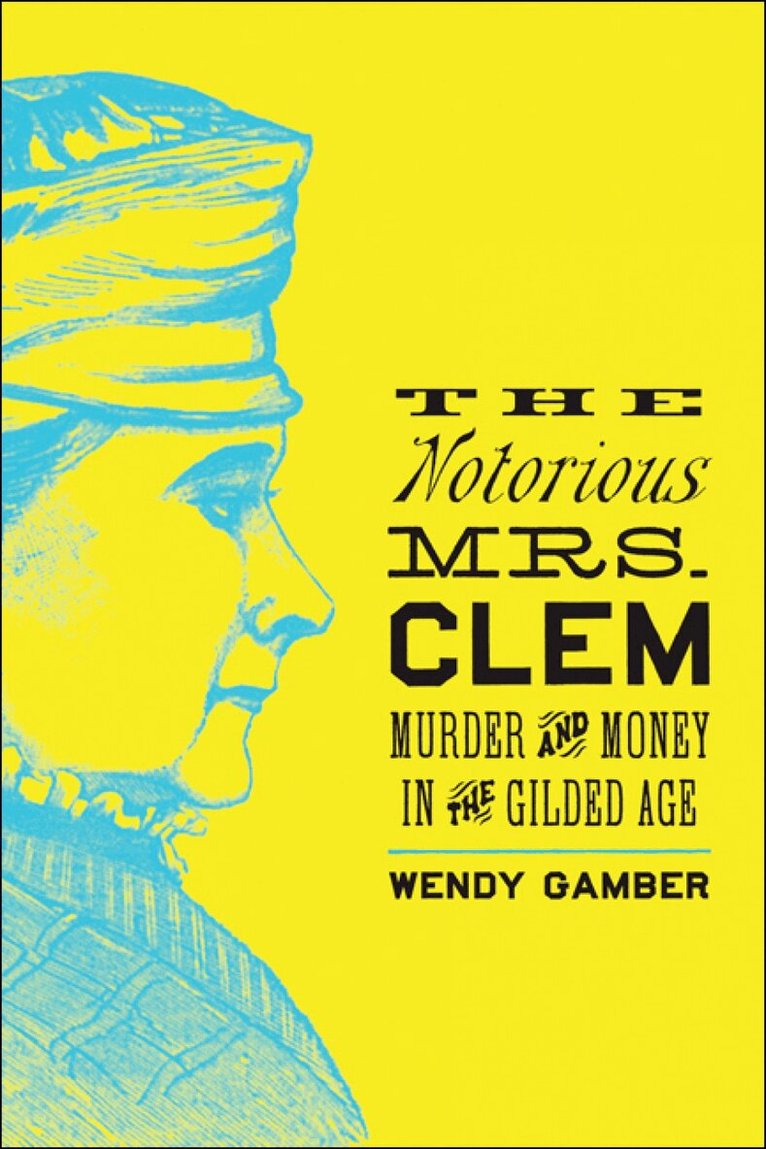
In September 1868, the remains of Jacob and Nancy Jane Young were found lying near the banks of Indiana's White River. It was a gruesome scene. Part of Jacob's face had been blown off, apparently by the shotgun that lay a few feet away. Spiders and black beetles crawled over his wound. Smoke rose from his wife's smoldering body, which was so badly burned that her intestines were exposed, the flesh on her thighs gone, and the bones partially reduced to powder. Suspicion for both deaths turned to Nancy Clem, a housewife who was also one of Mr. Young's former business partners. In The Notorious Mrs. Clem, Wendy Gamber chronicles the life and times of this charming and persuasive Gilded Age confidence woman, who became famous not only as an accused murderess but also as an itinerant peddler of patent medicine and the supposed originator of the Ponzi scheme. Clem's story is a shocking tale of friendship and betrayal, crime and punishment, courtroom drama and partisan politicking, get-rich-quick schemes and shady business deals. It also raises fascinating questions about women's place in an evolving urban economy.As they argued over Clem's guilt or innocence, lawyers, jurors, and ordinary citizens pondered competing ideas about gender, money, and marriage. Was Clem on trial because she allegedly murdered her business partner? Or was she on trial because she engaged in business? Along the way, Gamber introduces a host of equally compelling characters, from prosecuting attorney and future U.S. president Benjamin Harrison to folksy defense lawyer John Hanna, daring detective Peter Wilkins, pioneering "lady news writer" Laura Ream, and female-remedy manufacturer Michael Slavin. Based on extensive sources, including newspapers, trial documents, and local histories, this gripping account of a seemingly typical woman who achieved extraordinary notoriety will appeal to true crime lovers and historians alike.
252 kr
Skickas inom 7-10 vardagar
In September 1868, the remains of Jacob and Nancy Jane Young were found lying near the banks of Indiana's White River. It was a gruesome scene. Part of Jacob's face had been blown off, apparently by the shotgun that lay a few feet away. Spiders and black beetles crawled over his wound. Smoke rose from his wife's smoldering body, which was so badly burned that her intestines were exposed, the flesh on her thighs gone, and the bones partially reduced to powder. Suspicion for both deaths turned to Nancy Clem, a housewife who was also one of Mr. Young's former business partners. In The Notorious Mrs. Clem, Wendy Gamber chronicles the life and times of this charming and persuasive Gilded Age confidence woman, who became famous not only as an accused murderess but also as an itinerant peddler of patent medicine and the supposed originator of the Ponzi scheme. Clem's story is a shocking tale of friendship and betrayal, crime and punishment, courtroom drama and partisan politicking, get-rich-quick schemes and shady business deals. It also raises fascinating questions about women's place in an evolving urban economy.As they argued over Clem's guilt or innocence, lawyers, jurors, and ordinary citizens pondered competing ideas about gender, money, and marriage. Was Clem on trial because she allegedly murdered her business partner? Or was she on trial because she engaged in business? Along the way, Gamber introduces a host of equally compelling characters, from prosecuting attorney and future U.S. president Benjamin Harrison to folksy defense lawyer John Hanna, daring detective Peter Wilkins, pioneering "lady news writer" Laura Ream, and female-remedy manufacturer Michael Slavin. Based on extensive sources, including newspapers, trial documents, and local histories, this gripping account of a seemingly typical woman who achieved extraordinary notoriety will appeal to true crime lovers and historians alike.