Werner Böcker - Böcker
Visar alla böcker från författaren Werner Böcker. Handla med fri frakt och snabb leverans.
3 produkter
3 produkter
2 488 kr
Skickas inom 10-15 vardagar
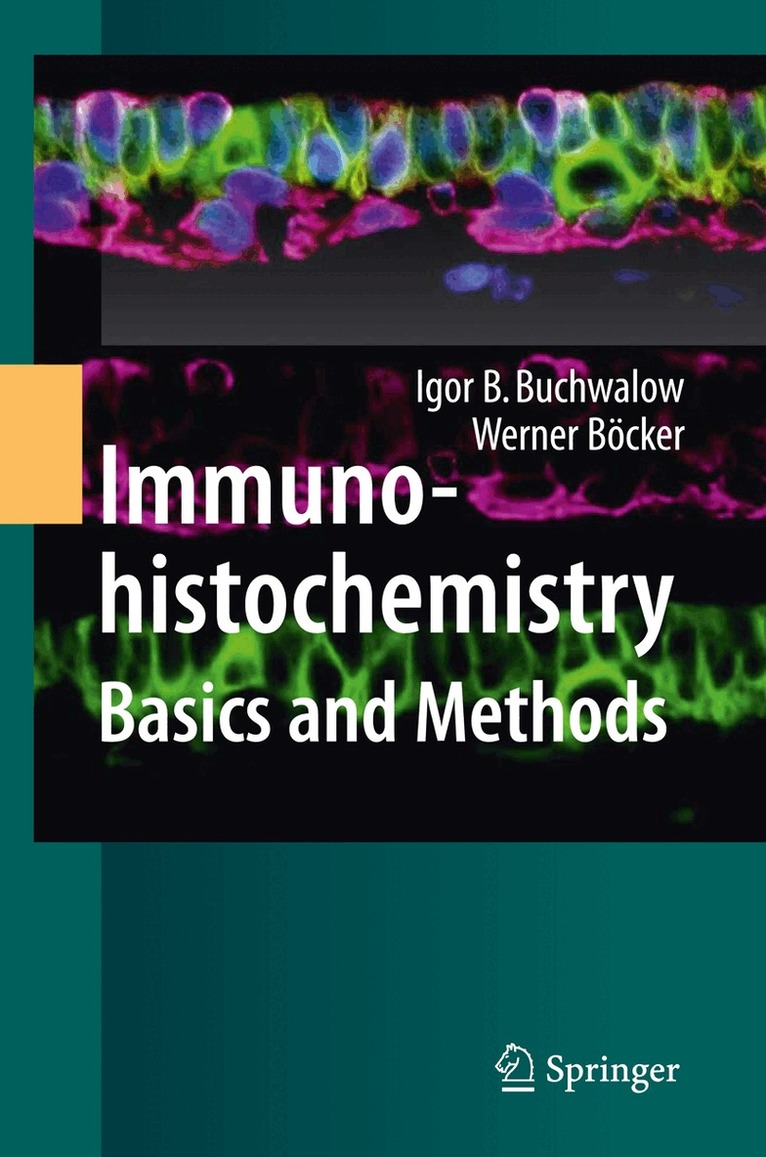
Combiningtwodifferentscienti?cdisciplines-morphologyandimmunochemistry- immunohistochemistryhasdevelopedasanimportantinstrumentinresearchand clinicalpathology. A basicunderstandingofunderlying principlesandpotential problemsisunavoidableifyouwanttobesuccessfulinyouruseofimmunohis- chemistry,aswellasingettingyourpaperspublishedandyourresearchgrants funded. Whilemanyexcellenttextsandmonographsexistwhichcovervariousaspects ofimmunohistochemistry,thelackofaconcisecomprehensiveguidetousing thesemethodswasamajormotivationforwritingthisbook. Ourintentionwasto createaneasy-to-readandfocusedresourcebasedonstate-of-the-artinformation forabroadaudiencerangingfromstudentsandtechnicalassistantstoexperienced researchers. Thishandbookhasaconciseformat,withprotocolsandinstructionsfor methodsimmediatelyfollowingtheshortintroductorytheoreticalmaterialineach chapter. BeingconsciousofthegrowingroleofInternetasaninformationsource, wehavefounditreasonableinmanycasestosubstitutecitingbooksandjournal publications with corresponding Internet websites. Where possible, commercial sourcesofreagents,kits,andequipmentarelistedthroughoutthetextinsteadof inaseparateindex.Thougheachchapterissmallandintroductory,thishandbook itself is self-suf?cient and provides a comprehensive look at the principles of immunohistochemistry. For readers wanting further depth of knowledge, each chapterisbackedupbyashortlistofcarefullyselectedoriginalarticles. Duringthelastdecade,pioneeringeffortsofhistochemistshaveledtoan- menseimprovementinthereagentsandprotocols. Theresearcherisurgedalwaysto determinethereasonforeverymethodandstepbeforedoingit. Thishandbookis intendedtohelpreaderstoavoidtroublesinthechoiceofanadequatemethod,which happenswhenusingstandardtextbooks. Forthishandbook,wecarefullyselected establishedmethodsandeasy-to-adoptprotocols,payingattentiontomoderndev- opmentsinimmunohistochemistry,suchasantigenretrieval,signalampli?cation, the use of epitope tags in immunohistochemistry, multiple immunolabeling or diagnosticimmunohistochemistry. Eachofthemethodsdescribedinthishandbook v vi Preface was provedby the authors; many of these methods are routinely used in daily practiceintheirinstitute. Allthepracticalmethodsadvocatedareclearlydescribed, withaccompanyingtables,andtheresultsobtainableareillustratedwithcolour micrographs.Acknowledgements We thank Vera Samoilova forthe perfect technical assistance and other colleaguesfromtheMunsterUniversityClinicforsharingprobesandreagents. IgorB. BuchwalowandWernerBocker Munster Contents 1 AntibodiesforImmunohistochemistry ...1 1. 1 StructureofAntibodies ...2 1. 2 PolyclonalAntibodies ...4 1. 3 MouseMonoclonalAntibodies ...4 1. 4 RabbitMonoclonalAntibodies ...5 1. 5 ProteinAandProteinGinImmunohistochemistry ...7 References ...8 2 AntibodyLabelingandtheChoiceoftheLabel ...9 2. 1 CovalentLabelingofAntibodies ...9 2. 2 Non-CovalentLabelingofPrimaryAntibodieswith LabeledFabFragments ...10 2. 3 EnzymeLabelsforLightMicroscopy ...13 2. 4 FluorophoreLabelsforFluorescenceMicroscopy ...15 2. 5 ColloidalGoldLabelsforElectronMicroscopy ...16 References ...17 3 ProbesProcessinginImmunohistochemistry ...19 3. 1 FixationinImmunohistochemistry ...19 3. 1. 1 FixationinAlcoholsandAcetone ...20 3. 1. 2 FixationinFormaldehyde ...20 3. 1. 3 EffectofFormaldehydeFixationon Antigen-nster Contents 1 AntibodiesforImmunohistochemistry ...1 1. 1 StructureofAntibodies ...2 1. 2 PolyclonalAntibodies ...4 1. 3 MouseMonoclonalAntibodies ...4 1. 4 RabbitMonoclonalAntibodies ...5 1.5 ProteinAandProteinGinImmunohistochemistry ...7 References ...8 2 AntibodyLabelingandtheChoiceoftheLabel ...9 2. 1 CovalentLabelingofAntibodies ...9 2. 2 Non-CovalentLabelingofPrimaryAntibodieswith LabeledFabFragments ...10 2. 3 EnzymeLabelsforLightMicroscopy ...13 2. 4 FluorophoreLabelsforFluorescenceMicroscopy ...15 2. 5 ColloidalGoldLabelsforElectronMicroscopy ...16 References ...17 3 ProbesProcessinginImmunohistochemistry ...19 3. 1 FixationinImmunohistochemistry ...19 3. 1. 1 FixationinAlcoholsandAcetone ...20 3. 1. 2 FixationinFormaldehyde ...20 3. 1. 3 EffectofFormaldehydeFixationon Antigen- immunohistochemistryhasdevelopedasanimportantinstrumentinresearchand clinicalpathology. A basicunderstandingofunderlying principlesandpotential problemsisunavoidableifyouwanttobesuccessfulinyouruseofimmunohis- chemistry,aswellasingettingyourpaperspublishedandyourresearchgrants funded. Whilemanyexcellenttextsandmonographsexistwhichcovervariousaspects ofimmunohistochemistry,thelackofaconcisecomprehensiveguidetousing thesemethodswasamajormotivationforwritingthisbook.Ourintentionwasto createaneasy-to-readandfocusedresourcebasedonstate-of-the-artinformation forabroadaudiencerangingfromstudentsandtechnicalassistantstoexperienced researchers. Thishandbookhasaconciseformat,withprotocolsandinstructionsfor methodsimmediatelyfollowingtheshortintroductorytheoreticalmaterialineach chapter. BeingconsciousofthegrowingroleofInternetasaninformationsource, wehavefounditreasonableinmanycasestosubstitutecitingbooksandjournal publications with corresponding Internet websites. Where possible, commercial sourcesofreagents,kits,andequipmentarelistedthroughoutthetextinsteadof inaseparateindex. Thougheachchapterissmallandintroductory,thishandbook itself is self-suf?cient and provides a comprehensive look at the principles of immunohistochemistry. For readers wanting further depth of knowledge, each chapterisbackedupbyashortlistofcarefullyselectedoriginalarticles. Duringthelastdecade,pioneeringeffortsofhistochemistshaveledtoan- menseimprovementinthereagentsandprotocols. Theresearcherisurgedalwaysto determinethereasonforeverymethodandstepbeforedoingit.Thishandbookis intendedtohelpreaderstoavoidtroublesinthechoiceofanadequatemethod,which happenswhenusingstandardtextbooks. Forthishandbook,wecarefullyselected establishedmethodsandeasy-to-adoptprotocols,payingattentiontomoderndev- opmentsinimmunohistochemistry,suchasantigenretrieval,signalampli?cation, the use of epitope tags in immunohistochemistry, multiple immunolabeling or diagnosticimmunohistochemistry. Eachofthemethodsdescribedinthishandbook v vi Preface was provedby the authors; many of these methods are routinely used in daily practiceintheirinstitute. Allthepracticalmethodsadvocatedareclearlydescribed, withaccompanyingtables,andtheresultsobtainableareillustratedwithcolour micrographs. Acknowledgements We thank Vera Samoilova forthe perfect technical assistance and other colleaguesfromtheMunsterUniversityClinicforsharingprobesandreagents. IgorB. BuchwalowandWernerBocker Munster Contents 1 AntibodiesforImmunohistochemistry ...1 1. 1 StructureofAntibodies ...2 1. 2 PolyclonalAntibodies ...4 1. 3 MouseMonoclonalAntibodies ...4 1. 4 RabbitMonoclonalAntibodies ...5 1. 5 ProteinAandProteinGinImmunohistochemistry ...7 References ...8 2 AntibodyLabelingandtheChoiceoftheLabel ...9 2.1 CovalentLabelingofAntibodies ...9 2. 2 Non-CovalentLabelingofPrimaryAntibodieswith LabeledFabFragments ...10 2. 3 EnzymeLabelsforLightMicroscopy ...13 2. 4 FluorophoreLabelsforFluorescenceMicroscopy ...15 2. 5 ColloidalGoldLabelsforElectronMicroscopy ...16 References ...17 3 ProbesProcessinginImmunohistochemistry ...19 3. 1 FixationinImmunohistochemistry ...19 3. 1. 1 FixationinAlcoholsandAcetone ...20 3. 1. 2 FixationinFormaldehyde ...20 3. 1. 3 EffectofFormaldehydeFixationon Antigen-AntibodyBinding ...21 3. 2 Paraf?nSectionsforImmunohistochemicalAnalysis ...22 3. 2. 1 EmbeddingandCutting ...22 3. 2. 2 MountingParaf?nSectionsontoSlides ...23 3. 3 CryosectionsforImmunohistochemicalAnalysis ...24 3. 4 BuffersforWashingandAntibodyDilution ...25 3. 5 MountingFollowingImmunohistochemicalStaining ...27 3. 6 StorageFollowingImmunohistochemicalStaining ...28 References ...28 vii viii Contents 4 WorkingwithAntibodies ...31 4. 1 DirectImmunostainingMethod ...31 4. 2 IndirectImmunostainingMethod ...33 4. 3 TheChoiceofAntibodies ...35 4. 3. 1 TheChoiceofPrimaryAntibodies ...35 4. 3. 2 TheChoiceofSecondaryAntibodies ...
2 488 kr
Skickas inom 10-15 vardagar
Combiningtwodifferentscienti?cdisciplines-morphologyandimmunochemistry- immunohistochemistryhasdevelopedasanimportantinstrumentinresearchand clinicalpathology. A basicunderstandingofunderlying principlesandpotential problemsisunavoidableifyouwanttobesuccessfulinyouruseofimmunohis- chemistry,aswellasingettingyourpaperspublishedandyourresearchgrants funded. Whilemanyexcellenttextsandmonographsexistwhichcovervariousaspects ofimmunohistochemistry,thelackofaconcisecomprehensiveguidetousing thesemethodswasamajormotivationforwritingthisbook. Ourintentionwasto createaneasy-to-readandfocusedresourcebasedonstate-of-the-artinformation forabroadaudiencerangingfromstudentsandtechnicalassistantstoexperienced researchers. Thishandbookhasaconciseformat,withprotocolsandinstructionsfor methodsimmediatelyfollowingtheshortintroductorytheoreticalmaterialineach chapter. BeingconsciousofthegrowingroleofInternetasaninformationsource, wehavefounditreasonableinmanycasestosubstitutecitingbooksandjournal publications with corresponding Internet websites. Where possible, commercial sourcesofreagents,kits,andequipmentarelistedthroughoutthetextinsteadof inaseparateindex.Thougheachchapterissmallandintroductory,thishandbook itself is self-suf?cient and provides a comprehensive look at the principles of immunohistochemistry. For readers wanting further depth of knowledge, each chapterisbackedupbyashortlistofcarefullyselectedoriginalarticles. Duringthelastdecade,pioneeringeffortsofhistochemistshaveledtoan- menseimprovementinthereagentsandprotocols. Theresearcherisurgedalwaysto determinethereasonforeverymethodandstepbeforedoingit. Thishandbookis intendedtohelpreaderstoavoidtroublesinthechoiceofanadequatemethod,which happenswhenusingstandardtextbooks. Forthishandbook,wecarefullyselected establishedmethodsandeasy-to-adoptprotocols,payingattentiontomoderndev- opmentsinimmunohistochemistry,suchasantigenretrieval,signalampli?cation, the use of epitope tags in immunohistochemistry, multiple immunolabeling or diagnosticimmunohistochemistry. Eachofthemethodsdescribedinthishandbook v vi Preface was provedby the authors; many of these methods are routinely used in daily practiceintheirinstitute. Allthepracticalmethodsadvocatedareclearlydescribed, withaccompanyingtables,andtheresultsobtainableareillustratedwithcolour micrographs.Acknowledgements We thank Vera Samoilova forthe perfect technical assistance and other colleaguesfromtheMunsterUniversityClinicforsharingprobesandreagents. IgorB. BuchwalowandWernerBocker Munster Contents 1 AntibodiesforImmunohistochemistry ...1 1. 1 StructureofAntibodies ...2 1. 2 PolyclonalAntibodies ...4 1. 3 MouseMonoclonalAntibodies ...4 1. 4 RabbitMonoclonalAntibodies ...5 1. 5 ProteinAandProteinGinImmunohistochemistry ...7 References ...8 2 AntibodyLabelingandtheChoiceoftheLabel ...9 2. 1 CovalentLabelingofAntibodies ...9 2. 2 Non-CovalentLabelingofPrimaryAntibodieswith LabeledFabFragments ...10 2. 3 EnzymeLabelsforLightMicroscopy ...13 2. 4 FluorophoreLabelsforFluorescenceMicroscopy ...15 2. 5 ColloidalGoldLabelsforElectronMicroscopy ...16 References ...17 3 ProbesProcessinginImmunohistochemistry ...19 3. 1 FixationinImmunohistochemistry ...19 3. 1. 1 FixationinAlcoholsandAcetone ...20 3. 1. 2 FixationinFormaldehyde ...20 3. 1. 3 EffectofFormaldehydeFixationon Antigen-nster Contents 1 AntibodiesforImmunohistochemistry ...1 1. 1 StructureofAntibodies ...2 1. 2 PolyclonalAntibodies ...4 1. 3 MouseMonoclonalAntibodies ...4 1. 4 RabbitMonoclonalAntibodies ...5 1.5 ProteinAandProteinGinImmunohistochemistry ...7 References ...8 2 AntibodyLabelingandtheChoiceoftheLabel ...9 2. 1 CovalentLabelingofAntibodies ...9 2. 2 Non-CovalentLabelingofPrimaryAntibodieswith LabeledFabFragments ...10 2. 3 EnzymeLabelsforLightMicroscopy ...13 2. 4 FluorophoreLabelsforFluorescenceMicroscopy ...15 2. 5 ColloidalGoldLabelsforElectronMicroscopy ...16 References ...17 3 ProbesProcessinginImmunohistochemistry ...19 3. 1 FixationinImmunohistochemistry ...19 3. 1. 1 FixationinAlcoholsandAcetone ...20 3. 1. 2 FixationinFormaldehyde ...20 3. 1. 3 EffectofFormaldehydeFixationon Antigen- immunohistochemistryhasdevelopedasanimportantinstrumentinresearchand clinicalpathology. A basicunderstandingofunderlying principlesandpotential problemsisunavoidableifyouwanttobesuccessfulinyouruseofimmunohis- chemistry,aswellasingettingyourpaperspublishedandyourresearchgrants funded. Whilemanyexcellenttextsandmonographsexistwhichcovervariousaspects ofimmunohistochemistry,thelackofaconcisecomprehensiveguidetousing thesemethodswasamajormotivationforwritingthisbook.Ourintentionwasto createaneasy-to-readandfocusedresourcebasedonstate-of-the-artinformation forabroadaudiencerangingfromstudentsandtechnicalassistantstoexperienced researchers. Thishandbookhasaconciseformat,withprotocolsandinstructionsfor methodsimmediatelyfollowingtheshortintroductorytheoreticalmaterialineach chapter. BeingconsciousofthegrowingroleofInternetasaninformationsource, wehavefounditreasonableinmanycasestosubstitutecitingbooksandjournal publications with corresponding Internet websites. Where possible, commercial sourcesofreagents,kits,andequipmentarelistedthroughoutthetextinsteadof inaseparateindex. Thougheachchapterissmallandintroductory,thishandbook itself is self-suf?cient and provides a comprehensive look at the principles of immunohistochemistry. For readers wanting further depth of knowledge, each chapterisbackedupbyashortlistofcarefullyselectedoriginalarticles. Duringthelastdecade,pioneeringeffortsofhistochemistshaveledtoan- menseimprovementinthereagentsandprotocols. Theresearcherisurgedalwaysto determinethereasonforeverymethodandstepbeforedoingit.Thishandbookis intendedtohelpreaderstoavoidtroublesinthechoiceofanadequatemethod,which happenswhenusingstandardtextbooks. Forthishandbook,wecarefullyselected establishedmethodsandeasy-to-adoptprotocols,payingattentiontomoderndev- opmentsinimmunohistochemistry,suchasantigenretrieval,signalampli?cation, the use of epitope tags in immunohistochemistry, multiple immunolabeling or diagnosticimmunohistochemistry. Eachofthemethodsdescribedinthishandbook v vi Preface was provedby the authors; many of these methods are routinely used in daily practiceintheirinstitute. Allthepracticalmethodsadvocatedareclearlydescribed, withaccompanyingtables,andtheresultsobtainableareillustratedwithcolour micrographs. Acknowledgements We thank Vera Samoilova forthe perfect technical assistance and other colleaguesfromtheMunsterUniversityClinicforsharingprobesandreagents. IgorB. BuchwalowandWernerBocker Munster Contents 1 AntibodiesforImmunohistochemistry ...1 1. 1 StructureofAntibodies ...2 1. 2 PolyclonalAntibodies ...4 1. 3 MouseMonoclonalAntibodies ...4 1. 4 RabbitMonoclonalAntibodies ...5 1. 5 ProteinAandProteinGinImmunohistochemistry ...7 References ...8 2 AntibodyLabelingandtheChoiceoftheLabel ...9 2.1 CovalentLabelingofAntibodies ...9 2. 2 Non-CovalentLabelingofPrimaryAntibodieswith LabeledFabFragments ...10 2. 3 EnzymeLabelsforLightMicroscopy ...13 2. 4 FluorophoreLabelsforFluorescenceMicroscopy ...15 2. 5 ColloidalGoldLabelsforElectronMicroscopy ...16 References ...17 3 ProbesProcessinginImmunohistochemistry ...19 3. 1 FixationinImmunohistochemistry ...19 3. 1. 1 FixationinAlcoholsandAcetone ...20 3. 1. 2 FixationinFormaldehyde ...20 3. 1. 3 EffectofFormaldehydeFixationon Antigen-AntibodyBinding ...21 3. 2 Paraf?nSectionsforImmunohistochemicalAnalysis ...22 3. 2. 1 EmbeddingandCutting ...22 3. 2. 2 MountingParaf?nSectionsontoSlides ...23 3. 3 CryosectionsforImmunohistochemicalAnalysis ...24 3. 4 BuffersforWashingandAntibodyDilution ...25 3. 5 MountingFollowingImmunohistochemicalStaining ...27 3. 6 StorageFollowingImmunohistochemicalStaining ...28 References ...28 vii viii Contents 4 WorkingwithAntibodies ...31 4. 1 DirectImmunostainingMethod ...31 4. 2 IndirectImmunostainingMethod ...33 4. 3 TheChoiceofAntibodies ...35 4. 3. 1 TheChoiceofPrimaryAntibodies ...35 4. 3. 2 TheChoiceofSecondaryAntibodies ...
1 096 kr
Skickas inom 10-15 vardagar
In recent years, a series of excellent textbooks have been published dealing with pathology of the thyroid gland. The present volume of CURRENT TOPICS IN PATHOLOGY provides further information for both pathologists and clinicians interested in the thyroid gland. The contributions deal with surgical pathology of the thyroid as well as with basic aspects of thyroid metabolism, hormone transport, and growth factors in thyroid cells. The topics covered in this book should mainly be considered as adjuncts to common textbooks on thyroid pathology. The contributions should help pathologists in their routine diagnosis and should stimulate further thyroid research.