Wiebke-Marie Stock – författare
Visar alla böcker från författaren Wiebke-Marie Stock. Handla med fri frakt och snabb leverans.
8 produkter
Aesthetics and Theurgy in Byzantium
Av Wiebke-Marie Stock, Sergei Mariev
E-bok, 2013
2230 kr
Lägg i varukorg
The general scope of the present volume is to present a variety of approaches and topics within the growing field of research on Byzantine aesthetics. Theurgy in Neoplatonic and Christian contexts is represented by the contributions of W.-M. Stock and L. Bergemann; theories of beauty are at the …
Aesthetics and Theurgy in Byzantium
Av Sergei Mariev, Wiebke-Marie Stock
Inbunden, 2013
2256 kr
Lägg i varukorg
The general scope of the present volume is to present a variety of approaches and topics within the growing field of research on Byzantine aesthetics. Theurgy in Neoplatonic and Christian contexts is represented by the contributions of W.-M. Stock and L. Bergemann; theories of beauty are at the …
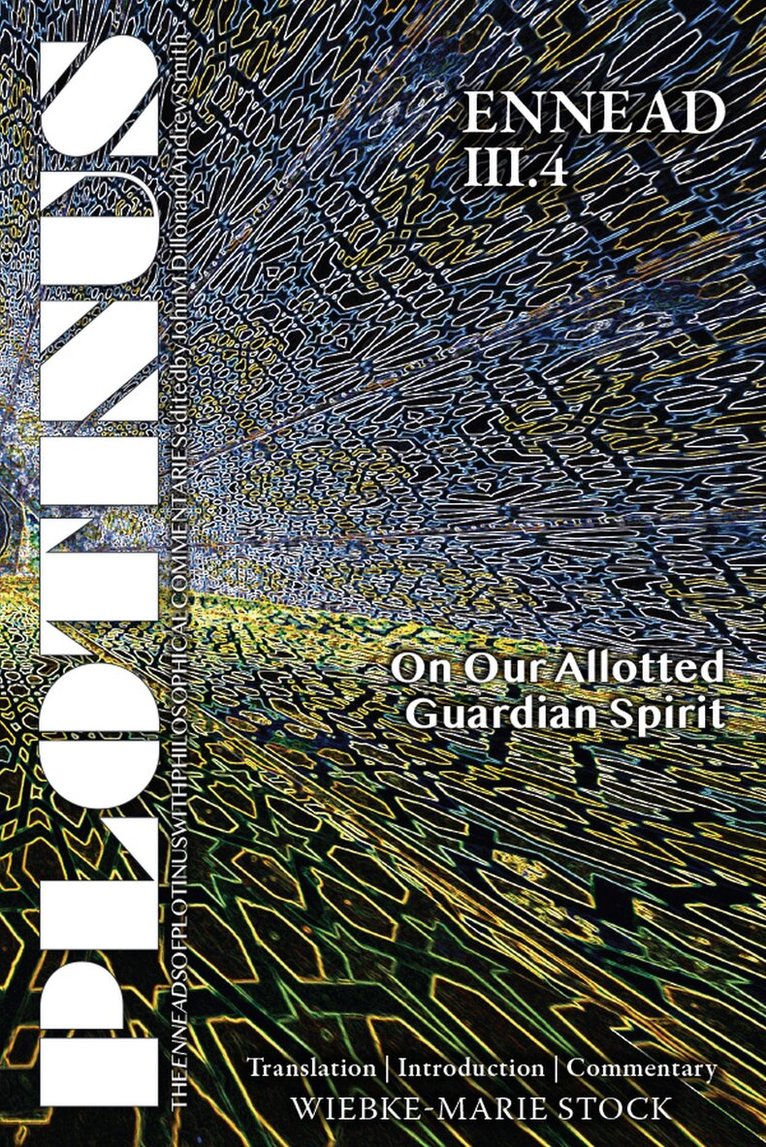
Plotinus Ennead III.4: on Our Allotted Guardian Spirit
Translation with an Introduction and Commentary
Häftad, 2020
481 kr
Lägg i varukorg
On Our Allotted Guardian Spirit is a lively and at times perplexing text combining general reflections on the nature of the soul with a discussion of the phenomenon of a personal guardian spirit. Plotinus wants to interpret Plato, and aims to integrate Plato's various statements about daimones into …
Theurgisches Denken
Zur "Kirchlichen Hierarchie" des Dionysius Areopagita
Inbunden, 2008
2321 kr
Lägg i varukorg
Das Werk des spätantiken Philosophen und Theologen Dionysius Areopagita (~500) hat in der abendländischen Geistesgeschichte eine außerordentlich reiche Wirkung entfaltet. Auffällig ist, dass dabei allein seine Schrift Über die kirchliche Hierarchie von philosophischer Seite kaum Beachtung gefunden …
Theurgisches Denken
Zur "Kirchlichen Hierarchie" des Dionysius Areopagita
E-bok, 2008
2346 kr
Lägg i varukorg
Das Werk des spätantiken Philosophen und Theologen Dionysius Areopagita (~500) hat in der abendländischen Geistesgeschichte eine außerordentlich reiche Wirkung entfaltet. Auffällig ist, dass dabei allein seine Schrift Über die kirchliche Hierarchie von philosophischer Seite kaum Beachtung gefunden …
Zur Erscheinung kommen
Bildlichkeit als theoretischer Prozess
Av Anne Eusterschulte, Wiebke-Marie Stock
E-bok, 2016
850 kr
Lägg i varukorg
Wenn etwas zur Erscheinung kommt, aus dem Verborgenen oder aus latenter Anwesenheit ans Licht tritt und sich zeigt, dann geschieht dies keineswegs ausschließlich im Modus der Visualität, sondern es handelt sich, in einem umfassenderen Verständnis, um ein phänomenales Sinnfälligwerden und sinnliches …
Denkumsturz
Hugo Ball. Eine intellektuelle Biographie
E-bok, 2012
227 kr
Lägg i varukorg
Hugo Ball war ein Intellektueller, der sich an den geistigen Auseinandersetzungen im ersten Drittel des 20. Jahrhunderts auf vielfältige Weise beteiligt hat: von der wortspielerischen Lautpoesie des Dadaismus, über geschichtsphilosophischpolitische Essays und weitsichtige Kommentare zur …
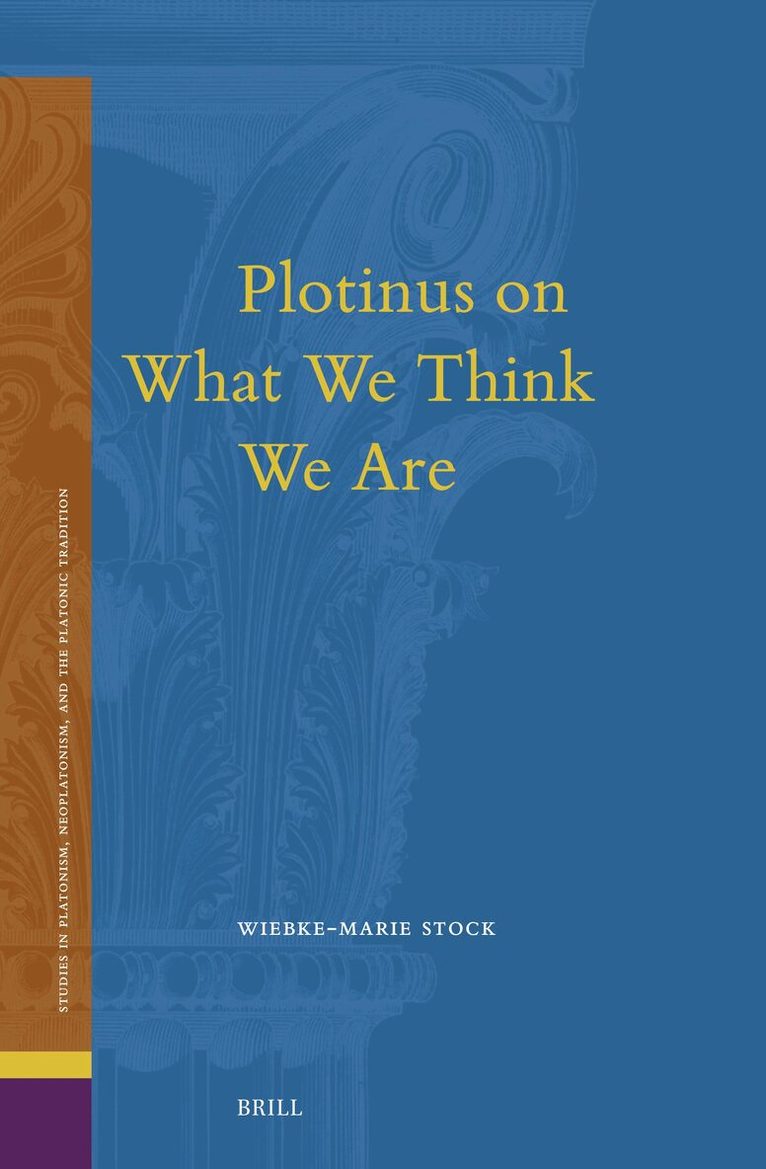
Plotinus on What We Think We Are
Inbunden, 2024
1931 kr
Lägg i varukorg
The Neoplatonic philosopher Plotinus invites us to take part in his philosophizing when he encourages his readers to think about what they think they are, as living beings, human beings, as rational beings, ethical subjects and as philosophers. He is interested in what we say about ourselves in …