This book is a fictionalized account of a teenage boy growing up in a community of Lutheran missionaries in India. It attempts to honestly portray his experiences there, steering a course between either eulogizing or condemning the missionary endeavour. Indian and missionary characters weather a cyclone and floods, try to make the grade as a missionary, send out mixed messages in sermons, have their ups and downs on a river trip on a houseboat, are taken to court, get caught up in a violent political protest, suffer through a little childs illness, kill a sacred monkey, become a fantasy spy, take positions on sex, hunt a tiger, and come together for a topsy-turvy retreat at the beach.The stories told in the book touch on issues of perennial interest: the collision and integration of different worlds and cultures; interpersonal relationships among and between missionaries and Indians, between children and their parents, and between servants and masters; evolution and change; inclusion versus exclusion; religious beliefs; human-environment relationships; sex education; the real and the fake; fantasy versus reality; and taking risks.
This unique hybrid of a book shows how Wil Gesler’s academic pursuits in the field of Health Geography at the University of North Carolina at Chapel Hill intersect with both his leisure time activity as a dedicated walker in the English Lake District fells and his personal life. Follow the author as he interviews 1000 residents of rural Appalachia about their health care and examines health care access for mothers and children in a Nigerian city. Do geographies of the novel Moby Dick and the TV show ER and make a mortality map of Freetown in Sierra Leone. Find peace at a pilgrimage site in the heart of the Balkan Wars and ask patients and staff to rate their environments in a London hospital. And so much more. At the same time, walk Lakeland hills with the poets Wordsworth and Coleridge and navigate through heavy fog and rain using a map, a compass, and a GPS unit. Experience a wide range of emotions as you face both rough and smooth terrain and ever-changing weather, learn to perceive landscapes in different ways, and take risky walks. And so much more.
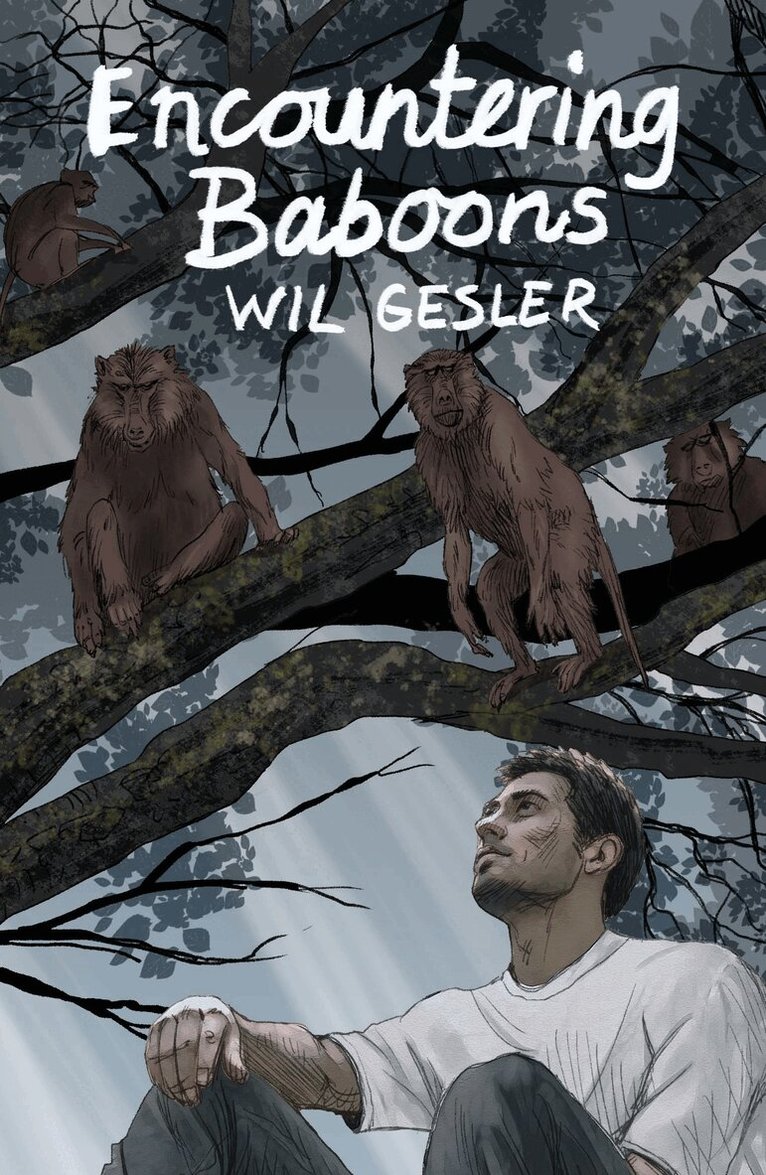
Set in the years between 1970 and 1982 in three newly independent countries, these stories dramatize the interactions between different cultures in the post-colonial period.The Night Watchman, based on the theme of theft, tells the tale of an Englishwoman and her husband living in West Africa, who hire a local man to guard their property and become intimately involved with the health of him and his wife.In Dealing with the Health of the People, an American Ph.D. student discovers that everything must be bartered for, from articles for daily living, to his use of local labour, to providing health care for ordinary people, as he gathers data from a West African maternal and child health clinic for his dissertation.Encountering Baboons follows a young American teaching first year science at a Southern African agricultural college as he faces wild animals; prejudiced colonial attitudes; clashes between African and Western beliefs and practices; directing a group of students in performing Shakespeare’s The Tempest; relations with three very different women; and both political and natural storms.
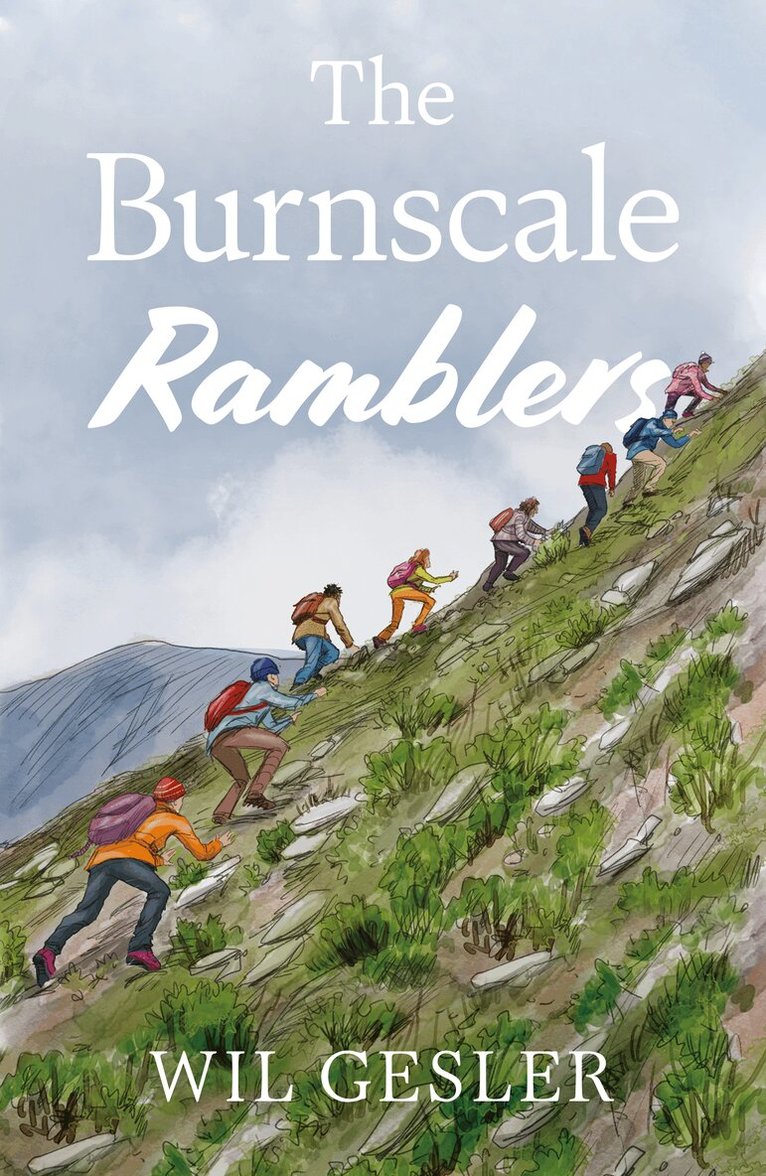
Biology teacher Miss Lily and history teacher Mr Granger are determined to drag six of their sixth-formers out into the fells and lakes of the iconic English Lake District. The students are vivacious Mel whose passion is literature; farmer’s son Alfred who loves biology; somewhat fragile Natalie who detests injustice; boastful Brad who lacks a father figure; nerdish Jack who plays the jester; and tech-savvy Aisha, a refugee from Somalia. Gradually, Lily and Granger entice the students away from their addictive screens and into the outdoors, starting off with a gentle stroll around Derwent Water, and then moving onwards and upwards to longer walks and then climbs, all the way up to Scafel Pike. The book is an intimate, boots-on-the-ground, adventure story that deals with the nitty-gritty details of fell-walking and the feeling of what it is like to walk in the Lakes. Characters, actions, and places are closely connected with each other. The book is also a travel guide to the Lakes; a story of developing friendships; and an encouragement to everyone to leave their sheltered lives, take risks, and explore. It is a Swallows and Amazons story for our time and readers of all ages