Will Scheibel - Böcker
Visar alla böcker från författaren Will Scheibel. Handla med fri frakt och snabb leverans.
10 produkter
10 produkter
276 kr
Skickas inom 10-15 vardagar
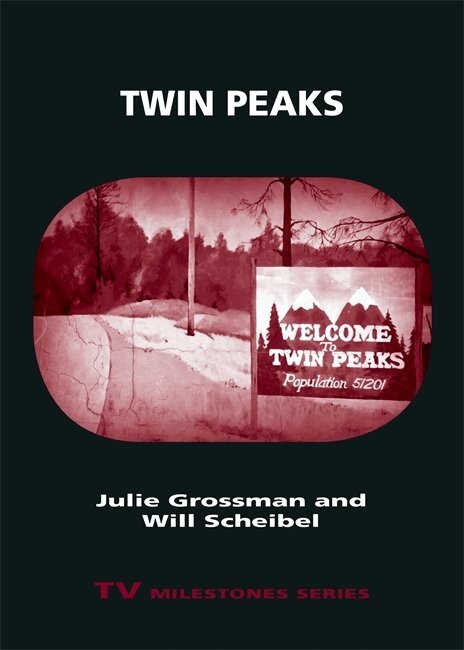
Julie Grossman and Will Scheibel's enthusiastic book on the television series Twin Peaks takes fans through the world that Mark Frost and David Lynch created and examines its impact on society, genre, and the television industry. Grossman and Scheibel explore the influences of melodrama and film noir, the significance around the idea of "home," as well as female trauma and agency. In addition to this close investigation of the series itself, the authors examine the rich storytelling surrounding Twin Peaks that includes the film prequel, Mark Frost's novels, and Showtime's 2017 revival. In Twin Peaks, Grossman and Scheibel argue that the show has transcended conventional binaries not only in film and television but also in culture and gender. The book begins with a look into the publicity and critical discourses on authorship that framed Twin Peaks as an auteurist project rather than a prime-time soap opera. Despite critics' attempts to distance the series from the soap opera genre, Grossman and Scheibel explore how melodrama and noir are used in Twin Peaks. Grossman and Scheibel masterfully examine star performances in the series including Kyle MacLachlan's epic portrayal as the idiosyncratic Special Agent Dale Cooper and Sheryl Lee's haunting embodiment of Laura Palmer. The monograph finishes with an examination of the adaptation and remediation of Twin Peaks in a variety of different platforms, which have further expanded the boundaries of the series. Twin Peaks explores the ways in which the series critiques multiple forms of objectification in culture and textuality. Readers interested in film, television, pop culture, and gender studies as well as fans and new audiences discovering Twin Peaks will embrace this book.
914 kr
Skickas inom 10-15 vardagar
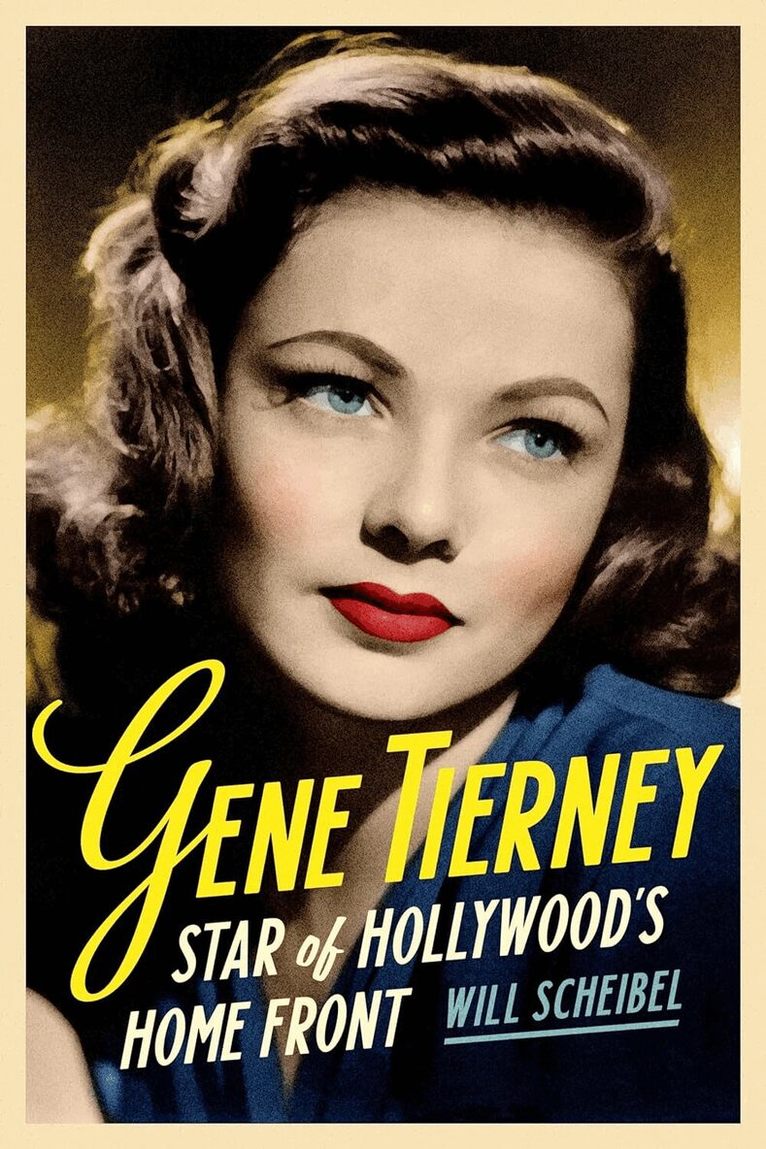
Gene Tierney may be one of the most recognizable faces of studio-era Hollywood: she starred in numerous classics, including Leave Her to Heaven, The Ghost and Mrs. Muir, and Laura, with the latter featuring her most iconic role. While Tierney was considered one of the most beautiful women in Hollywood, she personified "ordinariness" both on- and off-screen. Tierney portrayed roles such as a pinup type, a wartime worker, a wife, a mother, and, finally, a psychiatric patient—the last of which may have hit close to home for her, as she would soon leave Hollywood to pursue treatment for mental illness and later attempted suicide in the 1950s. After her release from psychiatric clinics, Tierney sought a comeback as one of the first stars whose treatment for mental illness became public knowledge. In this book, Will Scheibel not only examines her promotion, publicity, and reception as a star but also offers an alternative history of the United States wartime efforts demonstrated through the arc of Tierney's career as a star working on the home front. Scheibel's analysis aims to showcase that Tierney was more than just "the most beautiful woman in movie history," as stated by the head of production at Twentieth Century Fox in the 1940s and 1950s. He does this through an examination of her making, unmaking, and remaking at Twentieth Century Fox, rediscovering what she means as a movie legend both in past and up to the present. Film studies scholars, film students, and those interested in Hollywood history and the legacy of Gene Tierney will be delighted by this read.
309 kr
Skickas inom 7-10 vardagar
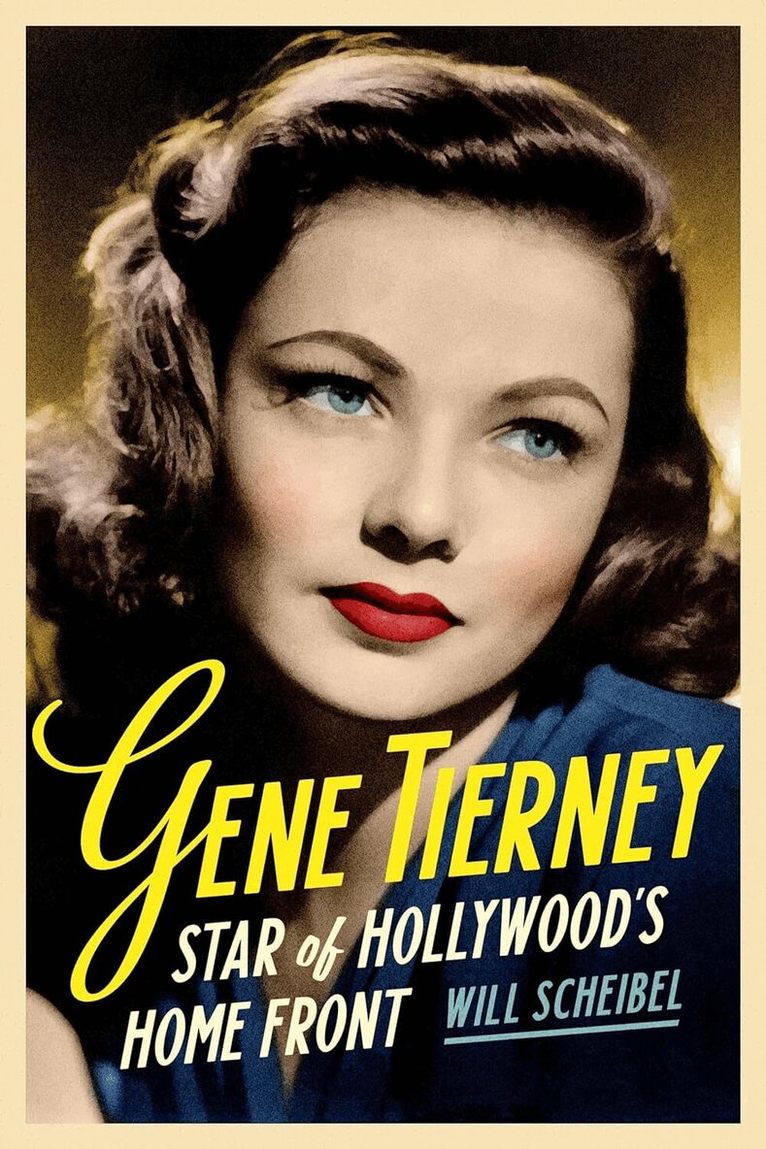
Gene Tierney may be one of the most recognizable faces of studio-era Hollywood: she starred in numerous classics, including Leave Her to Heaven, The Ghost and Mrs. Muir, and Laura, with the latter featuring her most iconic role. While Tierney was considered one of the most beautiful women in Hollywood, she personified "ordinariness" both on- and off-screen. Tierney portrayed roles such as a pinup type, a wartime worker, a wife, a mother, and, finally, a psychiatric patient—the last of which may have hit close to home for her, as she would soon leave Hollywood to pursue treatment for mental illness and later attempted suicide in the 1950s. After her release from psychiatric clinics, Tierney sought a comeback as one of the first stars whose treatment for mental illness became public knowledge. In this book, Will Scheibel not only examines her promotion, publicity, and reception as a star but also offers an alternative history of the United States wartime efforts demonstrated through the arc of Tierney's career as a star working on the home front. Scheibel's analysis aims to showcase that Tierney was more than just "the most beautiful woman in movie history," as stated by the head of production at Twentieth Century Fox in the 1940s and 1950s. He does this through an examination of her making, unmaking, and remaking at Twentieth Century Fox, rediscovering what she means as a movie legend both in past and up to the present. Film studies scholars, film students, and those interested in Hollywood history and the legacy of Gene Tierney will be delighted by this read.
493 kr
Skickas inom 5-8 vardagar
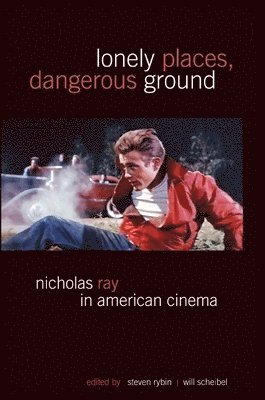
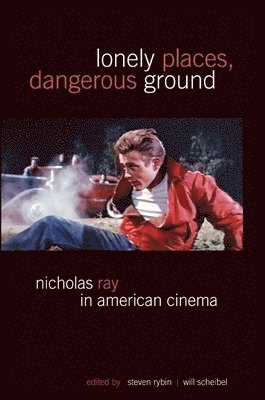
A range of approaches to the director's life and work.The director of such classic Hollywood films as In a Lonely Place, Johnny Guitar, and Rebel Without a Cause, Nicholas Ray nevertheless remained on the margins of the American studio system throughout his career, and despite his cult status among auteurist critics and cinephiles, he has also remained at the margins of film scholarship. Lonely Places, Dangerous Ground offers twenty new essays by international film historians and critics that explore the director's place in the history of the Hollywood industry and in the larger institution of cinema, as well as a 1977 interview with Ray that has never before been published in its entirety in English. In addition to readings of Ray's most celebrated films, the book provides a range of approaches to his life and work, engaging new questions of his cinematic authorship with areas that include history and culture, politics and society, gender and sexuality, style and genre, performance, technology, and popular music. The collection also looks at Ray's lesser-known and underappreciated films, and devotes attention to the highly experimental We Can't Go Home Again, his recently restored final film made in the 1970s with his students at Binghamton University, State University of New York. Rediscovering what Ray means to contemporary film studies, the essays show how his films continue to possess a vital power for film history and criticism, and for film culture.
1 122 kr
Tillfälligt slut
A range of approaches to the director's life and work.The director of such classic Hollywood films as In a Lonely Place, Johnny Guitar, and Rebel Without a Cause, Nicholas Ray nevertheless remained on the margins of the American studio system throughout his career, and despite his cult status among auteurist critics and cinephiles, he has also remained at the margins of film scholarship. Lonely Places, Dangerous Ground offers twenty new essays by international film historians and critics that explore the director's place in the history of the Hollywood industry and in the larger institution of cinema, as well as a 1977 interview with Ray that has never before been published in its entirety in English. In addition to readings of Ray's most celebrated films, the book provides a range of approaches to his life and work, engaging new questions of his cinematic authorship with areas that include history and culture, politics and society, gender and sexuality, style and genre, performance, technology, and popular music. The collection also looks at Ray's lesser-known and underappreciated films, and devotes attention to the highly experimental We Can't Go Home Again, his recently restored final film made in the 1970s with his students at Binghamton University, State University of New York. Rediscovering what Ray means to contemporary film studies, the essays show how his films continue to possess a vital power for film history and criticism, and for film culture.
1 122 kr
Tillfälligt slut
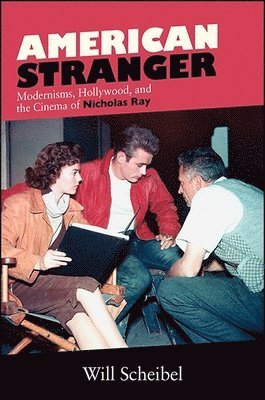
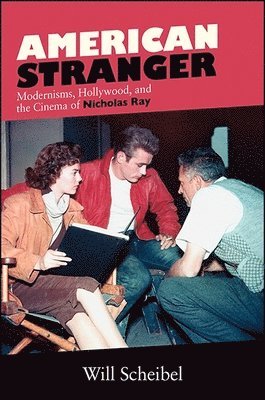
Reconstructs how Ray became a "rebel auteur" in cinema culture.How does cinema culture imagine one of its favorite figures, the rebel? The reputation of the American director Nicholas Ray provides a particularly notable example. Most famous for Rebel Without a Cause, Ray has since been canonized as a "rebel auteur" and celebrated for seeking a personal vision and signature style under the industrial pressures of Classical Hollywood during its late studio period. In American Stranger, Will Scheibel reconstructs how Ray's reputation developed over time, analyzing the different historical practices of modernism that set new horizons for artistic rebellion in postwar cinema.Drawing on biographical legends, interviews, film reviews, articles in both national newspapers and international film magazines, and star promotion and publicity, Scheibel examines the contexts in which Ray's reputation was constructed. These include the consolidation of director-based film criticism and the rise of film studies as an academic discipline; star performances and personifications of the rebel male in Ray's films; the counterculture in which Ray promoted himself as a teacher and worked as a political avant-gardist; and the art cinemas of Jean-Luc Godard, Wim Wenders, and Jim Jarmusch, each of whom were influenced by Ray. In addition to Rebel Without a Cause, Scheibel also analyzes such classic films as The Lusty Men and In a Lonely Place, as well as collaborative, less-examined films from his later career outside of Hollywood, We Can't Go Home Again and Lightning Over Water. Reconstructing the evolution of Ray's place in cinema culture, this intellectual history measures the standards for both rebellion and convention, for the vanguard and the establishment, that determine an artistic reputation.
406 kr
Tillfälligt slut
Reconstructs how Ray became a "rebel auteur" in cinema culture.How does cinema culture imagine one of its favorite figures, the rebel? The reputation of the American director Nicholas Ray provides a particularly notable example. Most famous for Rebel Without a Cause, Ray has since been canonized as a "rebel auteur" and celebrated for seeking a personal vision and signature style under the industrial pressures of Classical Hollywood during its late studio period. In American Stranger, Will Scheibel reconstructs how Ray's reputation developed over time, analyzing the different historical practices of modernism that set new horizons for artistic rebellion in postwar cinema.Drawing on biographical legends, interviews, film reviews, articles in both national newspapers and international film magazines, and star promotion and publicity, Scheibel examines the contexts in which Ray's reputation was constructed. These include the consolidation of director-based film criticism and the rise of film studies as an academic discipline; star performances and personifications of the rebel male in Ray's films; the counterculture in which Ray promoted himself as a teacher and worked as a political avant-gardist; and the art cinemas of Jean-Luc Godard, Wim Wenders, and Jim Jarmusch, each of whom were influenced by Ray. In addition to Rebel Without a Cause, Scheibel also analyzes such classic films as The Lusty Men and In a Lonely Place, as well as collaborative, less-examined films from his later career outside of Hollywood, We Can't Go Home Again and Lightning Over Water. Reconstructing the evolution of Ray's place in cinema culture, this intellectual history measures the standards for both rebellion and convention, for the vanguard and the establishment, that determine an artistic reputation.
1 577 kr
Skickas inom 10-15 vardagar
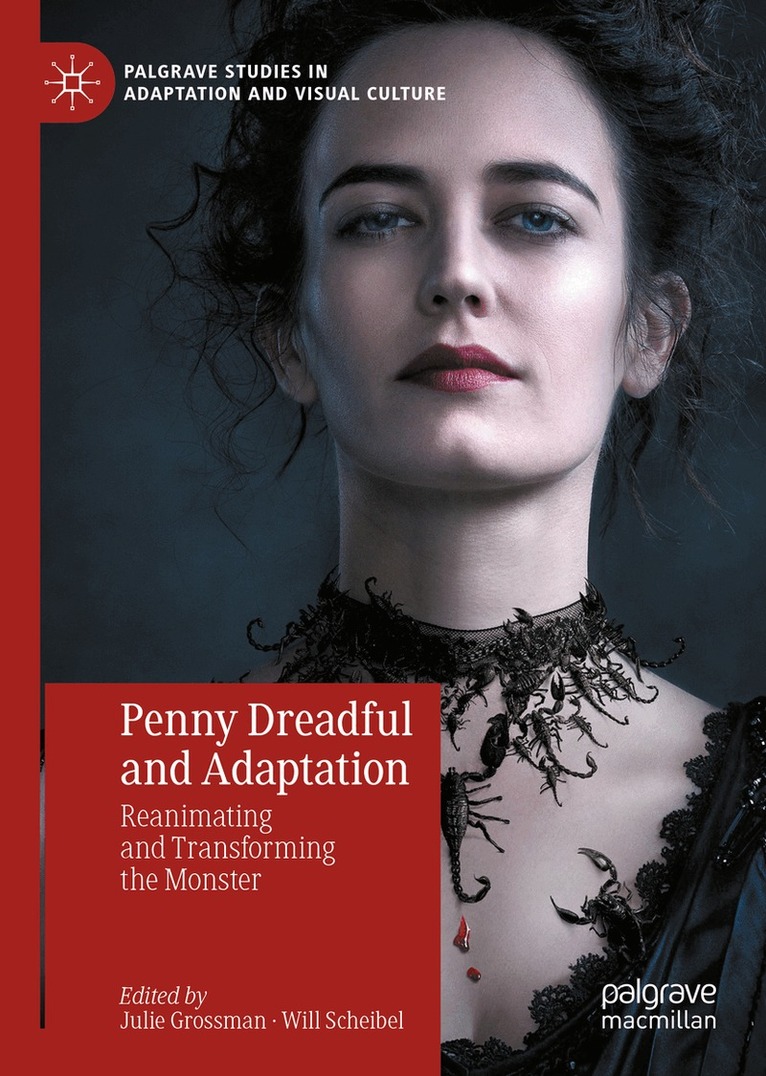
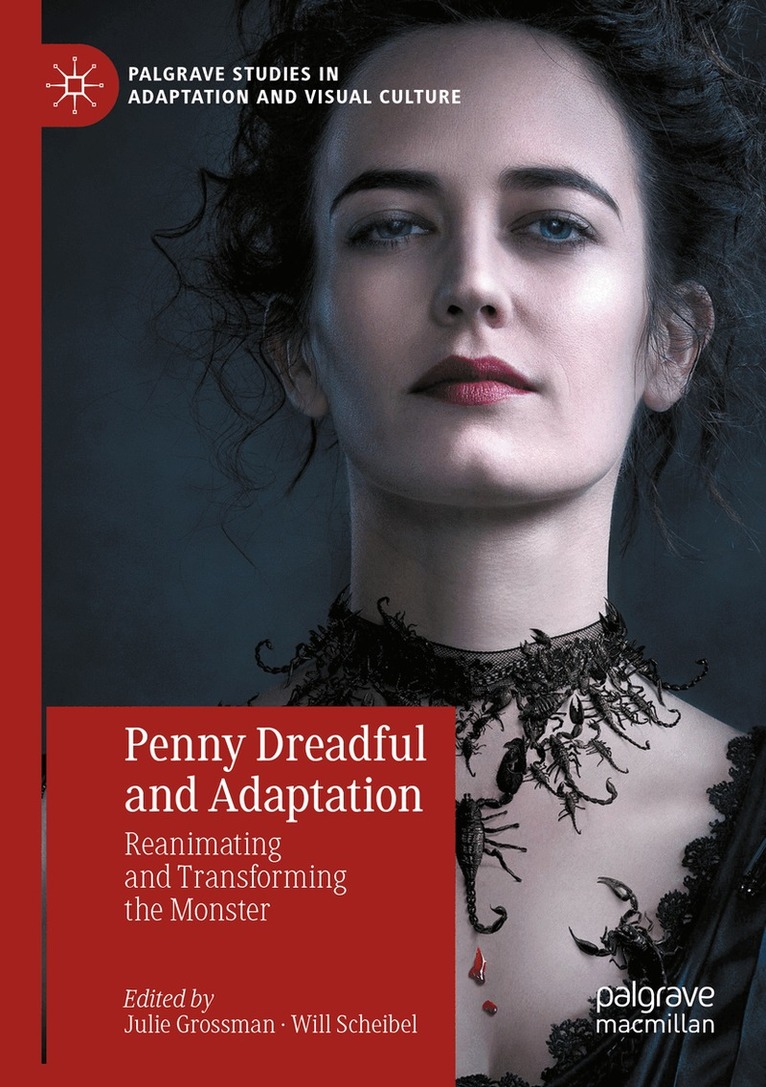
This edited collection is the first book-length critical study of the Showtime-Sky Atlantic television series Penny Dreadful (2014-2016), which also includes an analysis of Showtime’s 2020 spin-off City of Angels.
673 kr
Skickas inom 5-8 vardagar
1 577 kr
Skickas inom 10-15 vardagar
This edited collection is the first book-length critical study of the Showtime-Sky Atlantic television series Penny Dreadful (2014-2016), which also includes an analysis of Showtime’s 2020 spin-off City of Angels.